
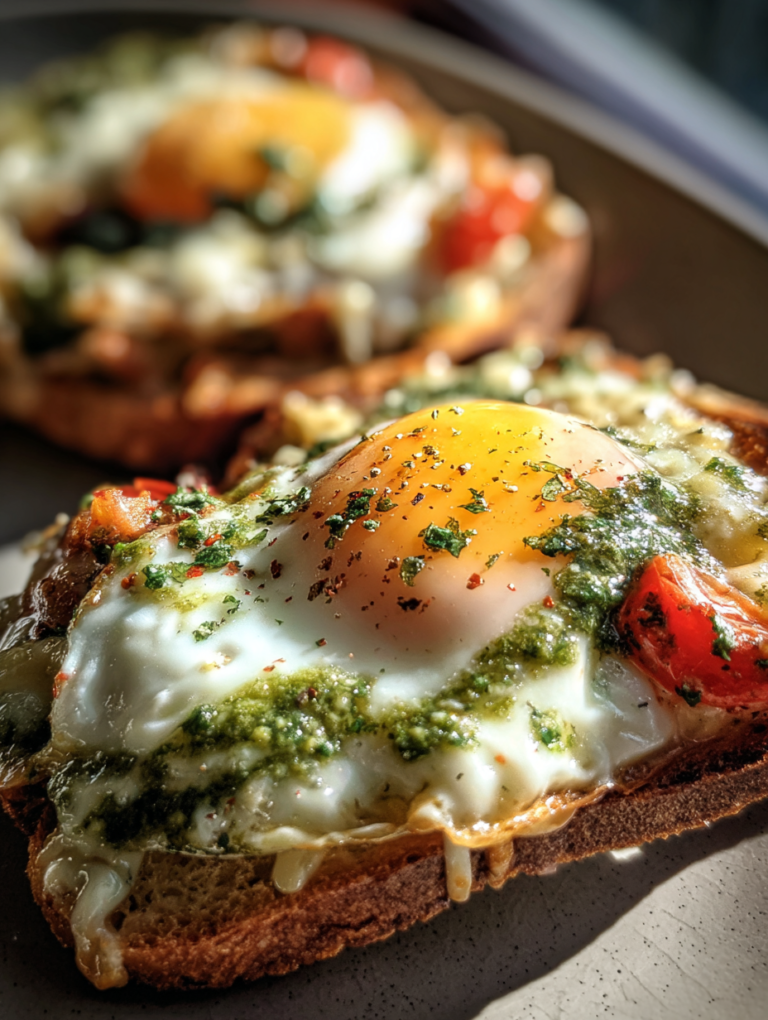
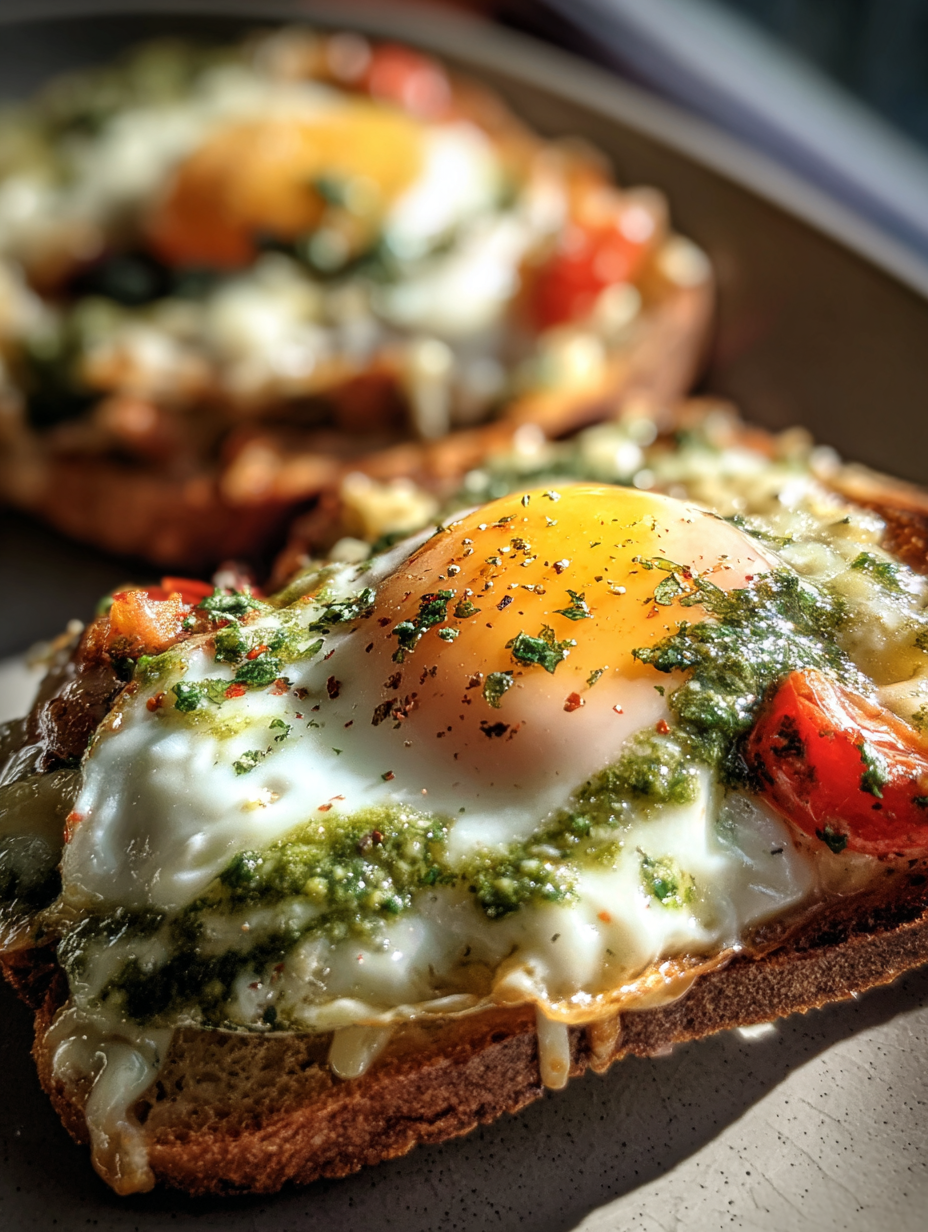
A Colorful and Flavor-Packed Morning Adventure Awaits
—
Introduction
Picture this: it’s a bright, sun-drenched morning, and the air is filled with the irresistible aroma of basil and eggs dancing together in your kitchen. You’re in a rush, but you don’t want to sacrifice flavor or satisfaction. That’s where Pesto Eggs come into play, a dish that’s not only taken TikTok by storm but has also become a cherished morning ritual for me.
I can vividly recall the first time I stumbled upon this vibrant dish. I was scrolling through my feed, a splash of green caught my eye. As I watched someone whip up these creamy, green-hued eggs in less than ten minutes, my mouth watered. The moment I took that first bite, my taste buds were awakened by the rich, savory pesto mingling with the fluffy eggs. It was a revelation! The smooth texture of the eggs contrasted beautifully with the chunky bits of basil, and the hint of lemon juice brought a brightness that made the whole dish sing.
The best part? You can easily customize this dish. Whether you throw in some fiery red pepper flakes for a kick, or an extra sprinkle of Parmesan cheese for indulgence, every morning can offer a new twist on this simple yet delightful meal. It’s a dish that embodies the spirit of breakfast: quick, satisfying, and packed with flavor. And just like that, my mornings transformed, thanks to these Pesto Eggs. Now, let’s dive into this easy recipe that’s destined to become your new breakfast obsession!
—
Why This Recipe Works
The beauty of Pesto Eggs lies in the remarkable harmony of flavors and textures that come together in mere minutes. At the heart of this dish is the combination of creamy scrambled eggs and vibrant basil pesto. The eggs provide a lush, velvety base, while the pesto introduces a burst of herbaceous richness, thanks to the fresh basil, garlic, and olive oil that it contains. This classic combination not only tastes incredible but also brings a delightful visual appeal, with the bright green of the pesto contrasting beautifully against the golden-yellow eggs.
The technique behind achieving those perfectly soft and creamy eggs is simple yet effective. By cooking the eggs gently over medium heat and stirring them minimally, you allow them to set slowly without becoming rubbery. This slow cooking method ensures that they remain moist and tender. Adding pesto and a drizzle of lemon juice at the end provides an extra layer of flavor without overcooking the eggs, allowing them to absorb the aromatic notes of the pesto while still being luscious.
Each ingredient plays a vital role in elevating this dish from the mundane to the extraordinary. The Parmesan cheese adds a savory depth, while the optional red pepper flakes can give your breakfast a delightful kick, transforming your morning routine into a flavorful adventure. Compared to generic scrambled eggs or store-bought breakfast options, these Pesto Eggs are a celebration of fresh, bold flavors that will leave you satisfied and ready to tackle the day.
—
What Makes It Special
This Pesto Eggs recipe offers several unique qualities that set it apart from typical breakfast fare.
– Freshness and Flavor: Unlike many pre-packaged breakfast options that can be bland and uninspired, making this dish at home ensures you have full control over the ingredients. You can choose the freshest eggs and the most aromatic pesto, resulting in a meal that’s bursting with flavor.
– Speed and Simplicity: With only five minutes of prep and cook time, this recipe delivers a gourmet experience without a hefty time commitment. It’s perfect for busy mornings when you need something quick yet tasty.
– Customization Options: You can easily tailor your Pesto Eggs to suit your palate. Want to add some sautéed spinach or cherry tomatoes for added nutrition? Go for it! Prefer a milder flavor? Simply reduce the amount of pesto. The sky’s the limit!
– Cost-Effectiveness: Preparing this dish at home is not only fresher but also more economical than ordering a similar dish at a café. You’ll find that the ingredients are relatively affordable, and you can use leftovers for additional meals throughout the week.
In essence, these Pesto Eggs are not just a meal; they are an experience, a canvas for your culinary creativity, and a delightful way to start your day right.
—
Ingredient Breakdown
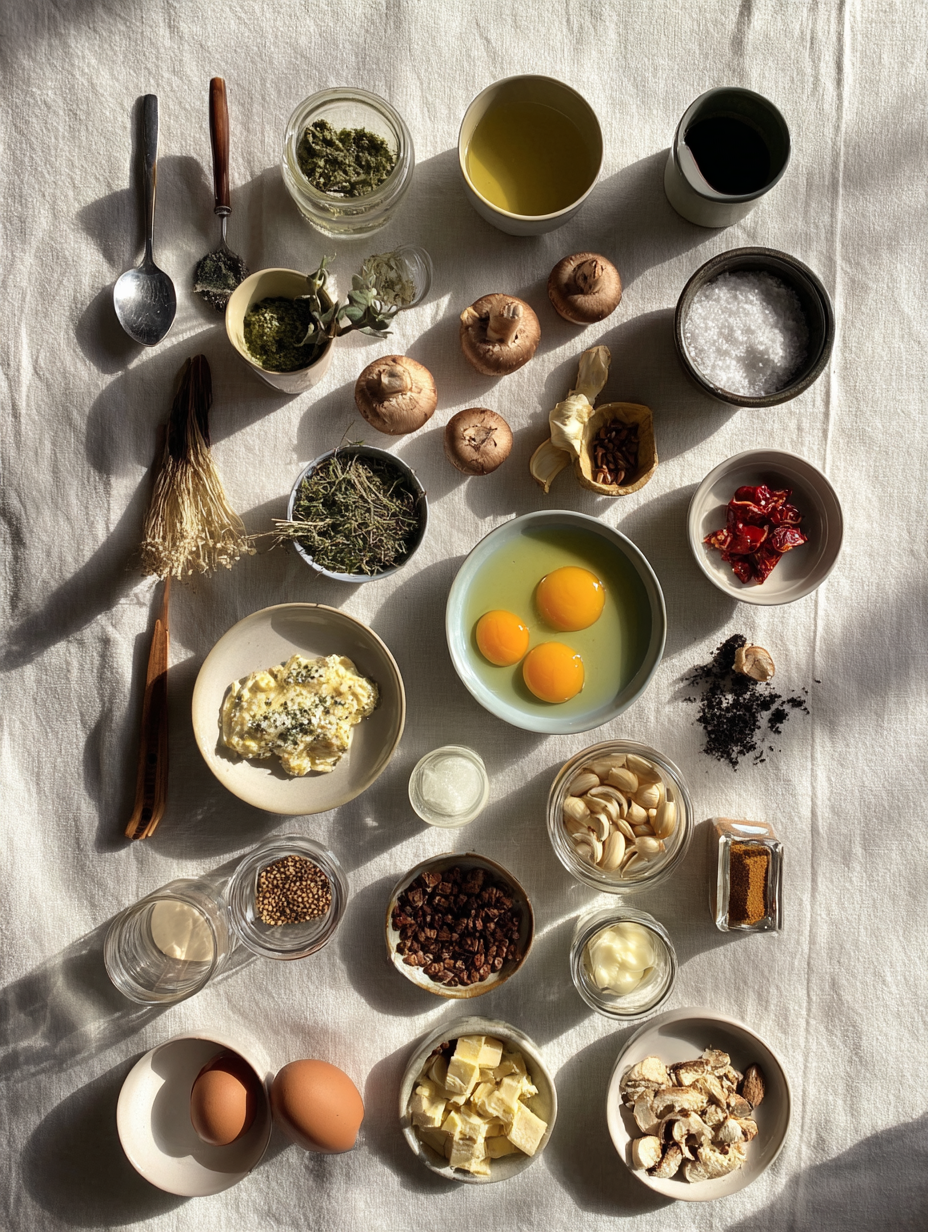
Let’s dive deeper into each ingredient that makes up this sensational dish, understanding their roles and how they contribute to the final result.
1. **Large Eggs** (4)
Role: The star of the dish! Eggs provide protein, richness, and a fluffy texture when scrambled correctly.
Why Quantity Matters: Four eggs allow for two generous servings, ensuring you have enough to satisfy your hunger without being wasteful.
Substitutes: If you’re looking for alternatives, consider using egg whites for a lower-fat option or aquafaba (the liquid from canned chickpeas) for a vegan substitute.
2. **Basil Pesto** (1/4 cup)
Role: This is the flavor powerhouse of the dish. Whether you opt for store-bought or homemade, the pesto provides a vibrant green color and a fresh, herbaceous taste.
Why Quantity Matters: A quarter cup is just the right amount to coat the eggs without overpowering them, balancing the richness of the eggs with the bright flavors of basil and garlic.
Substitutes: You can also make a nut-free pesto using sunflower seeds or swap in a different herb, like cilantro or parsley, depending on your taste preferences.
3. **Grated Parmesan Cheese** (1 tablespoon)
Role: This cheese adds a salty, nutty depth that complements the creaminess of the eggs.
Why Quantity Matters: A tablespoon is just enough to enhance the dish without overwhelming the other flavors, striking the perfect balance.
Substitutes: Nutritional yeast can serve as a dairy-free alternative, providing a cheesy flavor without using animal products.
4. **Olive Oil** (1 tablespoon)
Role: Used for cooking, olive oil adds flavor and ensures the eggs don’t stick to the pan.
Why Quantity Matters: A tablespoon is enough to coat the skillet, creating a non-stick surface while contributing to the overall flavor profile.
Substitutes: Other oils, like avocado oil or butter, can be used if you prefer a different flavor.
5. **Fresh Lemon Juice** (1 teaspoon)
Role: This small amount of acidity brightens the dish, cutting through the richness of the eggs and pesto.
Why Quantity Matters: Just a teaspoon is all you need to elevate the flavors without making the dish taste sour.
Substitutes: If you don’t have fresh lemons, a splash of vinegar can provide a similar bright note.
6. **Red Pepper Flakes** (1/4 teaspoon, optional)
Role: These add a touch of heat, enhancing the flavor complexity of the dish.
Why Quantity Matters: A pinch is enough to provide warmth without overwhelming the other flavors; you can always add more if you prefer a spicier dish.
Substitutes: If you don’t have red pepper flakes, a dash of hot sauce or fresh chopped chili can work just as well.
7. **Salt and Pepper** (to taste)
Role: Essential for seasoning, these spices enhance all the other flavors present in the dish.
Why Quantity Matters: Seasoning to taste allows you to customize the flavor profile to your liking, ensuring each bite is perfectly balanced.
Substitutes: Feel free to experiment with other spices or herbs, such as garlic powder or smoked paprika, to add a unique twist.
By understanding each ingredient’s role and importance in this dish, you not only enhance your cooking skills but also allow for creativity in the kitchen, making these Pesto Eggs truly your own.
—
Equipment Needed
To whip up your Pesto Eggs, you’ll need a few essential tools that will help you achieve the perfect scramble:
1. Non-Stick Skillet: This is crucial for preventing your eggs from sticking and ensures they cook evenly. If you don’t have a non-stick skillet, a well-seasoned cast iron skillet can work as an alternative.
2. Mixing Bowl: You’ll need a small bowl to beat the eggs before cooking. A medium-sized bowl is perfect for this task.
3. Spatula: A silicone or wooden spatula is best for gently stirring the eggs in the skillet without scratching the surface.
4. Fork or Whisk: You’ll use this tool to beat the eggs until the yolks and whites are fully combined. A fork is perfectly adequate for this task.
5. Measuring Spoon: Accurate measurements are key to maintaining flavor balance, so a set of measuring spoons will ensure you add just the right amounts of oil, pesto, and other ingredients.
These tools are essential for making the process as smooth as the creamy eggs you’ll enjoy, ensuring that you achieve a delightful breakfast in just five minutes.
Step-by-Step Instructions
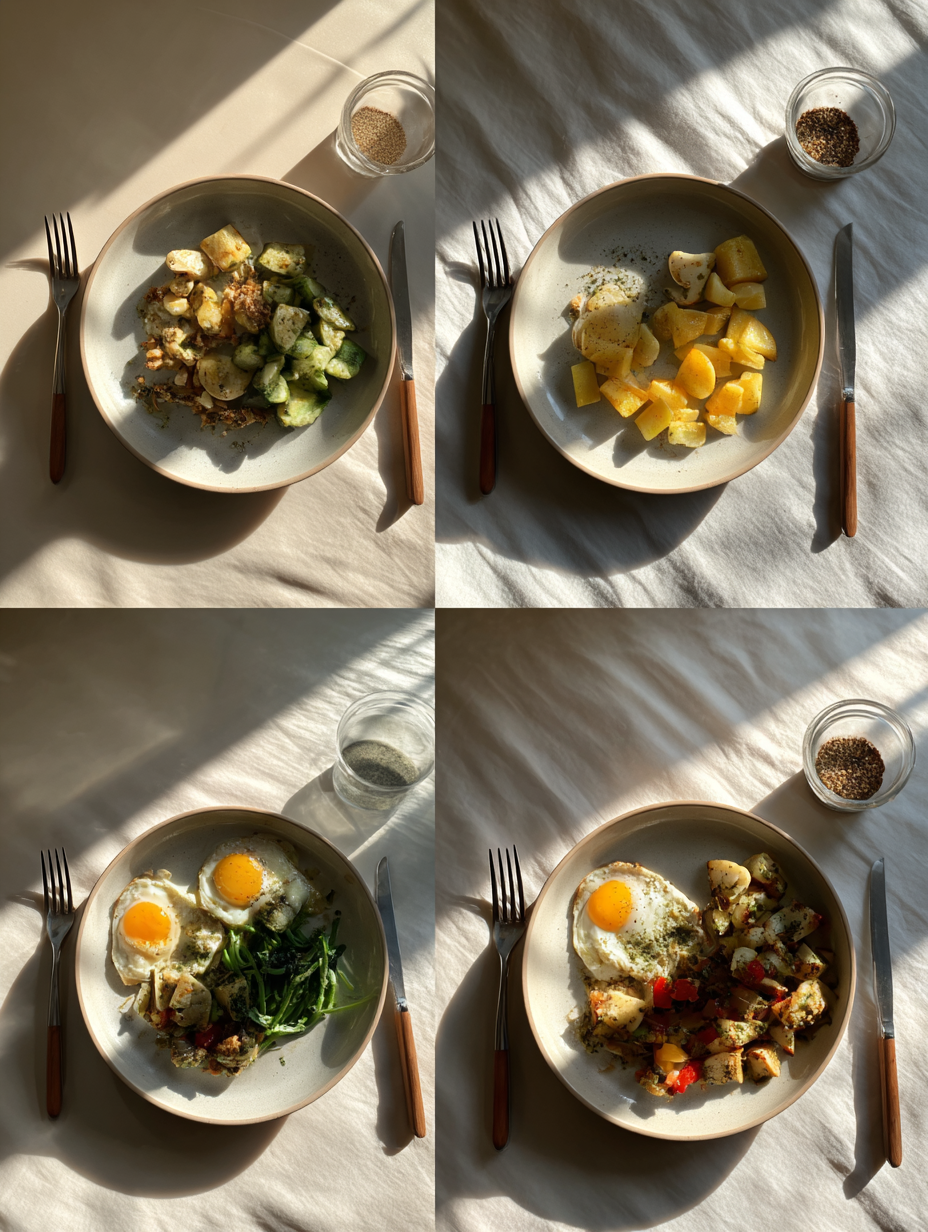
1. Crack the Eggs: Start by cracking 4 large eggs into a small bowl. Using a fork, gently beat them until the yolks and whites are fully combined. You want a uniform, sunny yellow color without any streaks. This step should take about 30 seconds. Chef’s Note: Fresh eggs will have a richer flavor and firmer texture, so opt for the best quality you can find.
2. Heat the Skillet: Place a non-stick skillet on the stovetop and turn the heat to medium. Once you feel the skillet warm, add 1 tablespoon of olive oil. You’ll know it’s hot enough when the oil shimmers and runs smoothly across the pan. This usually takes about 1 minute. Chef’s Note: A non-stick skillet helps prevent sticking and allows for easy scrambling.
3. Cook the Eggs: Pour the beaten eggs into the hot skillet. Let them sit undisturbed for about 30 seconds; this allows the bottom to start setting. After this time, take your spatula and gently stir the eggs, pushing the cooked edges toward the center. Keep an eye on the eggs; you want them to be soft and creamy, not dry. This stirring should take about 1-2 minutes. Chef’s Note: If you hear a sizzling sound that seems too loud, reduce the heat slightly to avoid overcooking.
4. Add the Pesto and Lemon Juice: Once the eggs are softly scrambled, add 1/4 cup of basil pesto and 1 teaspoon of fresh lemon juice. Fold gently using your spatula until just combined. You want to see vibrant streaks of green throughout the eggs, and the mixture should be warm but not overcooked. This should only take about 30 seconds. Chef’s Note: The lemon juice brightens the dish, enhancing the flavor of the pesto.
5. Season to Taste: Now it’s time to season! Sprinkle in salt and pepper, along with 1/4 teaspoon of red pepper flakes if you like a bit of heat. Stir gently to combine, ensuring the seasonings are evenly distributed throughout the eggs. Adjust the seasoning according to your taste. This step should only take 15 seconds. Chef’s Note: Taste a small spoonful to ensure the seasoning is just right before serving.
6. Plate and Serve: Remove the skillet from heat and transfer the creamy pesto eggs onto a plate. Top them with 1 tablespoon of grated Parmesan cheese for an extra layer of flavor. Serve immediately while they’re still warm and delicious. This step should take 30 seconds. Chef’s Note: Adding the cheese while the eggs are hot allows it to melt slightly, creating a delightful, savory finish.
Pro Tips for the Best Results
1. Use a Low Heat: Cooking the eggs on medium heat is essential, but if you notice them starting to brown too quickly, lower the heat. Eggs should be cooked gently to maintain their creamy texture.
2. Choose Quality Pesto: Whether you buy it or make your own, the quality of pesto can make or break this dish. Look for fresh basil pesto with vibrant color and a good balance of flavors—this will enhance your eggs tremendously.
3. Experiment with Fresh Herbs: If you want to elevate your pesto eggs, consider adding fresh herbs like chives or parsley. They add freshness and brightness, complementing the richness of the eggs and pesto.
4. Use a Silicone Spatula: A silicone spatula works wonders for gently stirring eggs without scratching your non-stick skillet. It also allows you to scrape the edges easily for even cooking.
5. Don’t Overcook: Keep an eye on the eggs, as they continue to cook even after you remove them from the heat. It’s best to take them off when they’re still slightly runny for a perfect creamy texture.
6. Incorporate Cheese at the Right Time: Adding cheese while the eggs are still hot allows it to melt slightly. For a flavor boost, try using feta or goat cheese instead of Parmesan.
7. Add Colorful Veggies: For a more nutritious breakfast, consider folding in sautéed spinach, tomatoes, or bell peppers right before serving. This not only adds flavor but also makes your dish visually appealing.
Common Mistakes to Avoid
1. Using Cold Eggs: Starting with cold eggs can lead to uneven cooking. Always let your eggs come to room temperature before cooking for a more uniform scramble.
2. Overheating the Oil: If the oil is smoking, it’s too hot. This can lead to burnt eggs and an unpleasant taste. Always heat the pan gradually and adjust the temperature as needed.
3. Stirring Too Much: Over-mixing your eggs can lead to a rubbery texture. Stir gently and only until the eggs are just set and creamy for the best result.
4. Neglecting Flavor Balance: Forgetting to season your eggs can result in blandness. Always taste and adjust seasoning before serving to elevate the dish’s flavors.
5. Not Using Fresh Ingredients: Using stale or low-quality pesto can ruin the dish. Always opt for fresh ingredients to ensure vibrant flavors and appealing presentation.
6. Cooking Eggs Too Long: Leaving your eggs in the pan for too long leads to dryness and loss of creaminess. Watch for soft curds and remove them from the heat while they still look slightly underdone.
Creative Variations
1. Seasonal Variation: Spring Veggie Pesto Eggs – Incorporate fresh asparagus or peas during springtime. Sauté them in the skillet for a few minutes before adding the eggs for a colorful and nutrient-rich breakfast.
2. Dietary-Friendly Version: Keto Pesto Eggs – For a keto-friendly version, skip the bread and add sliced avocado on top. Also, consider using more cheese for added healthy fats and flavor.
3. Gourmet Elevated Version: Truffle Pesto Eggs – Drizzle a small amount of truffle oil over the finished dish for a luxurious touch. Pair with heirloom tomatoes for a gourmet experience that feels like brunch at a fancy restaurant.
4. Quick 15-Minute Version: Microwave Pesto Eggs – If you’re truly pressed for time, whisk your eggs and pesto in a microwave-safe mug, then microwave for 30-60 seconds in 15-second increments, stirring in between. This quick method still provides a delightful meal.
5. Kid-Friendly Version: Cheesy Pesto Eggs – Add extra cheese and serve the eggs with cute toast shapes cut with cookie cutters. The fun presentation will entice kids, and the added cheese will make the dish creamy and appealing.
6. International Twist: Mediterranean Pesto Eggs – Stir in diced olives and sun-dried tomatoes along with the pesto. This variation adds a salty, tangy flavor profile that transports you to a Mediterranean café.
Serving Ideas
When it comes to serving your Pesto Eggs, the presentation can elevate your breakfast experience from delightful to extraordinary. Here are some beautiful ways to plate this dish:
1. Rustic Bowl: Serve your pesto eggs in a shallow, rustic bowl. Garnish with a sprinkle of freshly cracked black pepper, a few cherry tomato halves, and a vibrant basil leaf. The bright colors against the bowl create a warm, inviting dish.
2. Toast Canvas: Spread a layer of creamy avocado on a slice of toasted sourdough bread. Top with your pesto eggs and finish with a drizzle of balsamic glaze for a touch of sweetness and tang. The toast adds a delightful crunch that complements the creamy eggs.
3. Elegant Platter: For a brunch gathering, serve the eggs on a large platter surrounded by sliced cucumbers, radishes, and a few lemon wedges for added brightness. This not only looks appealing but also allows your guests to customize their plates.
4. Egg Cups: Use small ramekins or egg cups to serve individual portions of pesto eggs. Top each with a sprinkle of Parmesan cheese and a dash of red pepper flakes for a pop of color. This makes for a charming, personal touch.
5. Herb Bed: Plate your pesto eggs atop a bed of lightly wilted spinach or mixed greens. Garnish with microgreens or edible flowers for an elegant finish that adds both color and nutrition.
These plating ideas not only make your dish visually stunning but also enhance the overall dining experience, encouraging you to savor every bite.
What to Serve With
Pairing your Pesto Eggs with complementary dishes can create a well-rounded breakfast experience. Here are some ideas:
1. Crispy Bacon: The salty crunch of crispy bacon contrasts beautifully with the creamy texture of the eggs, adding richness that enhances the overall flavor profile.
2. Fresh Fruit Salad: A bowl of mixed berries, melons, and citrus provides a refreshing, sweet contrast to the savory eggs. The bright colors and flavors will brighten your plate and palate.
3. Iced Latte: A chilled iced latte offers a refreshing lift alongside the eggs. The creamy coffee balances the dish’s flavors and adds a caffeine boost to energize your morning.
4. Sautéed Mushrooms: Earthy sautéed mushrooms add depth and umami to your meal. Toss in some garlic and herbs while cooking to elevate the flavor even further.
5. Avocado Toast: A slice of avocado toast brings a creamy, buttery texture that pairs well with the pesto’s herbaceous notes, creating a luxurious mouthfeel.
6. Chia Seed Pudding: For a light dessert, prepare a small cup of chia seed pudding topped with fresh fruit. Its creamy texture and subtle sweetness offer a delightful end to your breakfast.
These pairings not only complement the Pesto Eggs but also provide balance in flavors and textures, making your meal even more delightful.
Storage Guide
To ensure your Pesto Eggs remain fresh and delicious after cooking, follow these storage guidelines:
– Container Type: Transfer any leftovers into an airtight container. Glass containers are ideal, as they do not absorb odors and keep your eggs tasting fresh.
– Temperature: Store your container in the refrigerator at a temperature of 40°F (4°C) or lower. This temperature helps inhibit bacterial growth and keeps your dish safe to eat.
– Shelf Life: Properly stored, your pesto eggs will last for up to 2 days in the refrigerator. Be sure to check for any signs of spoilage before consuming.
– Signs of Spoilage: Look for changes in color, an off smell, or a watery texture. If any of these signs are present, it’s best to discard the eggs to avoid foodborne illness.
– Refreshing Before Serving: When you’re ready to enjoy your leftovers, gently reheat them in a skillet over low heat to restore creaminess. Adding a splash of milk or a small pat of butter can help revive their original texture and flavor.
By following these guidelines, you can enjoy your pesto eggs the next day while maintaining their delicious quality.
Freezing Tips
While Pesto Eggs are best enjoyed fresh, they can be frozen with some care. Here are the steps to properly freeze this dish:
– Freezing Feasibility: While you can freeze your pesto eggs, be aware that the texture may change once thawed. The eggs may become slightly grainy, but they will still be safe to eat.
– Portioning: Divide your pesto eggs into single or double servings. This makes it easier to thaw only what you need.
– Wrapping Method: Use freezer-safe airtight containers or resealable plastic bags. If using bags, press out as much air as possible before sealing to prevent freezer burn.
– Labeling: Clearly label each container or bag with the date and contents to keep track of their freshness.
– Freezer Duration: Pesto eggs can be stored in the freezer for up to 1 month.
– Thawing Method: For the best results, thaw your pesto eggs overnight in the refrigerator before reheating. This gentle method helps maintain texture and taste.
By following these tips, you can enjoy your Pesto Eggs even after they’ve been frozen!
Reheating Guide
When it comes to reheating your Pesto Eggs, you want to ensure they regain their creamy texture and rich flavor. Here’s how to do it using different methods:
– Microwave: Place your pesto eggs in a microwave-safe bowl. Heat on medium power for 30 seconds to 1 minute, stirring halfway through. To prevent drying out, cover the bowl with a damp paper towel.
– Oven: Preheat your oven to 350°F (175°C). Transfer the eggs to an oven-safe dish, cover with foil, and heat for 10-15 minutes or until warmed through. This method helps retain moisture.
– Stovetop: Heat a non-stick skillet over low heat. Add a splash of milk or water to the pan to create steam, then add your eggs. Stir gently for about 3-5 minutes until heated and creamy.
These reheating methods will help restore the texture and flavor of your Pesto Eggs, allowing you to enjoy them as if they were freshly made.
Nutrition Overview
Your delicious Pesto Eggs not only satisfy your taste buds but also provide a nutritious start to your day. Here’s a breakdown of the approximate nutritional values per serving:
– Calories: 300
– Protein: 20g
– Carbohydrates: 4g
– Fat: 23g
– Fiber: 1g
– Sugar: 1g
Health Benefits:
– The eggs are a fantastic source of protein, which is essential for muscle repair and keeps you feeling full longer.
– Basil pesto is rich in antioxidants and healthy fats from olive oil, which can help reduce inflammation.
– The addition of Parmesan cheese not only enhances the flavor but also provides calcium for strong bones.
This combination of nutritious ingredients makes your pesto eggs not just a tasty breakfast but also a wholesome one.
Frequently Asked Questions
Q: Can I use egg substitutes in this recipe?
A: Yes, you can use egg substitutes such as aquafaba or commercial egg replacers. Keep in mind that the texture and flavor will differ from using whole eggs. Adjust cooking times accordingly for the egg substitute you choose.
Q: How can I make this dish dairy-free?
A: To make your pesto eggs dairy-free, simply omit the Parmesan cheese or use a dairy-free cheese alternative. Nutritional yeast can also add a cheesy flavor without the dairy.
Q: What can I use instead of basil pesto?
A: You can experiment with other pestos like spinach, arugula, or sun-dried tomato. Each variety will impart its unique flavor to the dish, making it a fun twist on the classic.
Q: How do I know when my eggs are cooked properly?
A: The eggs should be softly scrambled and slightly creamy, not dry or rubbery. They continue to cook off the heat, so remove them from the skillet when they appear just set.
Q: Can I make this dish ahead of time?
A: While you can prep the ingredients ahead, it’s best to cook the eggs fresh to retain their creamy texture. You can prepare the pesto in advance, and then just scramble the eggs in the morning.
Q: Is it possible to double this recipe?
A: Absolutely! Just double the ingredients and cook them in batches if your pan isn’t large enough. Keep an eye on cooking times, as they may slightly vary.
Q: What kind of pan should I use for cooking?
A: A non-stick skillet works best for this recipe, as it helps prevent the eggs from sticking and ensures even cooking. A well-seasoned cast iron skillet can also work well.
Q: How can I add more vegetables to this recipe?
A: Feel free to fold in sautéed vegetables like spinach, bell peppers, or zucchini just before serving. This not only boosts nutrition but adds a lovely texture and flavor contrast.
Final Thoughts
Making Pesto Eggs is a delightful experience that transforms a simple breakfast into something special. Remember to use fresh eggs for the best flavor and to treat the cooking process with a gentle hand; the creaminess of the eggs is where the magic lies. I genuinely hope you enjoy this vibrant and quick breakfast dish as much as I do.
So gather your ingredients, whip up a batch, and savor every bite. Don’t forget to share your creations and how you enjoyed your pesto eggs — I can’t wait to hear about your delicious experiences!

Pesto Eggs Recipe (TikTok Viral 5 Minute Breakfast) 🍳🌿
Ingredients
- 4 large eggs fresh
- 1/4 cup basil pesto store-bought or homemade
- 1 tablespoon grated Parmesan cheese for topping
- 1 tablespoon olive oil for cooking
- 1 teaspoon fresh lemon juice for brightness
- 1/4 teaspoon red pepper flakes optional, for heat
- salt and pepper to taste
Instructions
- In a small bowl, crack the eggs and beat them lightly with a fork until the yolks and whites are fully combined.
- Heat the olive oil in a non-stick skillet over medium heat. Once hot, pour in the beaten eggs and let them sit for about 30 seconds.
- Gently stir the eggs with a spatula, scraping the edges towards the center. Continue to cook for another 1-2 minutes until the eggs are softly scrambled but still creamy.
- Add the basil pesto and lemon juice to the eggs, folding it in gently until just combined and heated through. Season with salt, pepper, and red pepper flakes if using.
- Remove the skillet from heat and transfer the pesto eggs to a plate. Top with grated Parmesan cheese and serve immediately.
Notes
Tip 2: You can store leftover pesto eggs in the refrigerator for up to 2 days.
Variation: For a heartier meal, add sautéed spinach or cherry tomatoes before serving.