
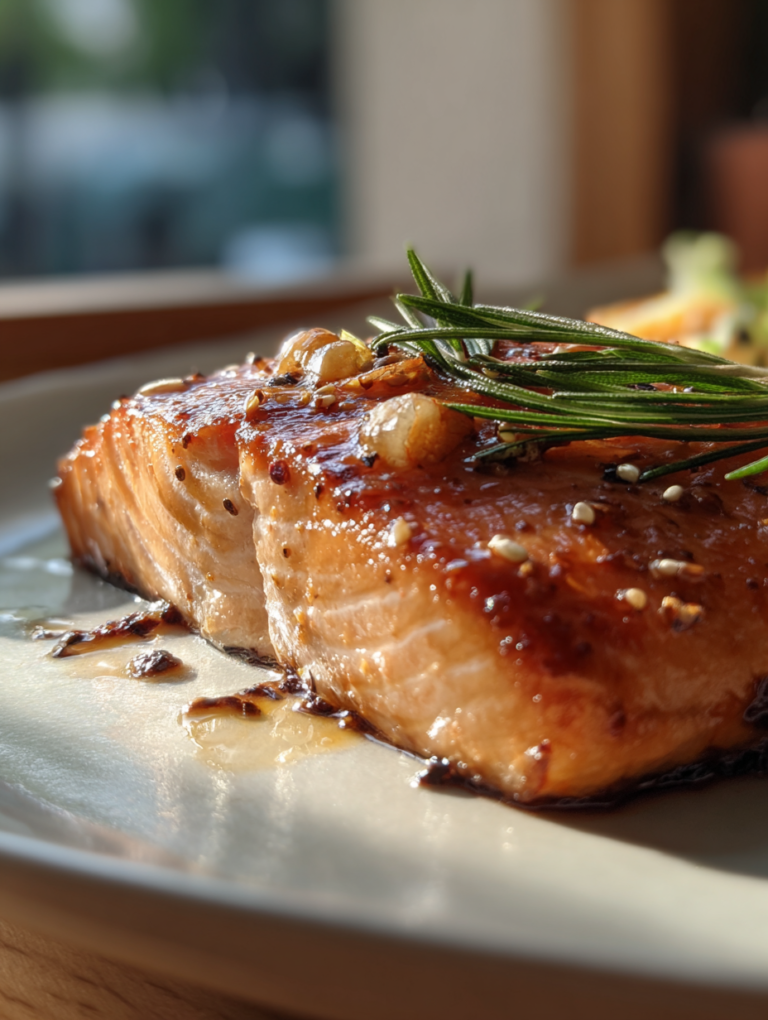
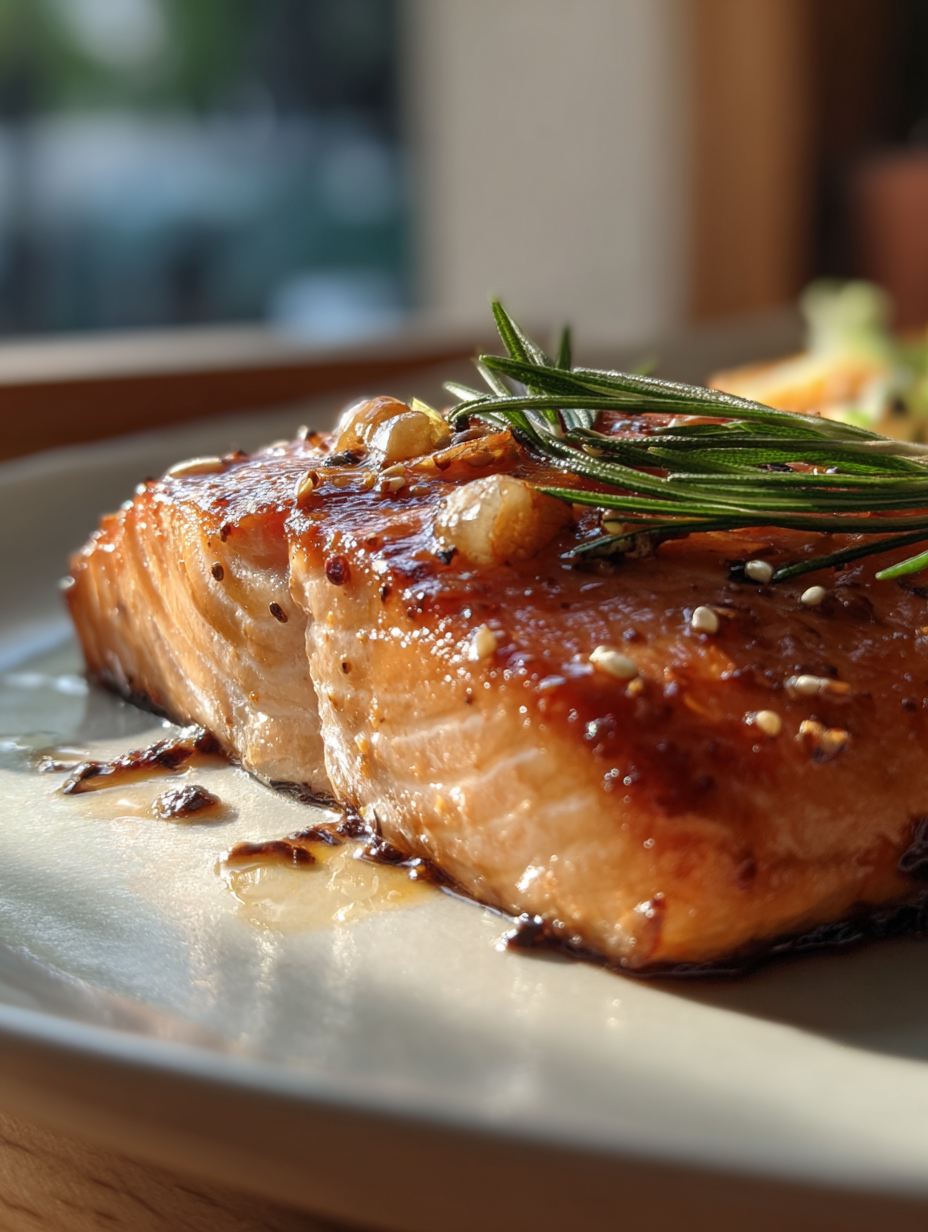
A Zesty Delight That Elevates Your Dinner Table
—
Introduction
You know that moment when the aroma of something delicious wafts through your kitchen, wrapping around you like a warm hug? That’s precisely what happened the first time I prepared Flaky Lemon Pepper Salmon Fillet. I can still recall the late spring afternoon, sunlight streaming through the windows, casting a golden glow on the countertop as I meticulously arranged the ingredients. I had just returned from the local fish market, where the vibrant colors of the fresh salmon fillets caught my eye, their rich pink hues beckoning me to take them home.
As I squeezed the juice from a plump lemon, the sharp citrus scent danced in the air, mingling with the earthy notes of garlic and the slight heat of freshly cracked black pepper. The combination felt like an invitation, urging me to unleash my inner chef. I can hear the sizzle of the fillets meeting the hot pan, and the anticipation built as I watched them transform from raw to beautifully golden-brown, their tops glistening with a buttery sheen. Finally, when I took my first bite, the contrast of the flaky fish and the bright, zesty flavors flooded my senses, creating a moment of pure bliss.
This dish quickly became a staple in my kitchen, not only for its ease of preparation but also for the way it brings people together. Whether it’s a casual weeknight dinner or a special gathering with friends, Flaky Lemon Pepper Salmon Fillet always impresses. It’s a dish that encapsulates the joy of cooking—with minimal effort, you can create something that feels like an occasion. So let’s dive into the recipe and discover how you can bring this delightful experience to your own table.
—
Why This Recipe Works
At the heart of Flaky Lemon Pepper Salmon Fillet is a harmonious blend of flavors and techniques that work together to create an unforgettable dish. The key to this recipe’s success lies in its balance of fresh lemon, olive oil, and cracked black pepper. The lemon juice and zest brighten the salmon’s natural richness, cutting through its buttery texture with a refreshing zing that dances on your palate. Meanwhile, the black pepper adds a subtle warmth that enhances the fish without overpowering it.
The cooking method also plays a vital role in achieving that perfect flaky texture. Oven-baking the salmon at a high temperature allows it to cook evenly, while the addition of butter helps create a beautifully browned top layer. If you choose to broil it for the last few minutes, this not only adds an appealing crispiness but also caramelizes the ingredients just enough to create a mouthwatering crust. Each bite reveals a tender, moist interior that contrasts beautifully with the slightly crispy exterior.
Furthermore, the minor yet impactful addition of dill—if you choose to use it—introduces an herbaceous note that rounds out the dish. It’s these thoughtful combinations that set this recipe apart from generic versions found in restaurants or frozen aisles. You’ll find that each ingredient has a purpose, contributing to a flavor profile that is both sophisticated and approachable.
—
What Makes It Special
What truly sets this Flaky Lemon Pepper Salmon Fillet apart from both restaurant offerings and store-bought options are a few unique qualities that elevate it to a standout dish.
– Freshness and Quality: When you make it at home, you can choose the freshest salmon available, ensuring that every bite is succulent and flavorful. You can source high-quality ingredients that might not be used in commercial settings, leading to a much healthier and tastier meal.
– Customization: This recipe opens the door to endless possibilities. Want to add a hint of spice? Toss in some red pepper flakes. Prefer a different citrus flavor? Substitute lime for a zesty twist. The ability to adjust flavors to fit your taste preferences or dietary needs is a significant advantage of cooking at home.
– Cost-Effectiveness: Preparing salmon at home can save you money compared to dining out. Plus, you’ll probably find that the satisfaction of crafting this beautiful dish yourself far surpasses any store-bought option.
– Surprising Elements: The inclusion of garlic not only enhances flavor but brings forth a depth that complements the lemon beautifully. And that subtle pat of butter? It’s the secret to achieving that glossy finish and rich flavor without overwhelming the dish.
With these special qualities, you can see why this salmon fillet recipe is a keeper. It’s not just a meal; it’s an experience you can share with loved ones, full of bright flavors and heartfelt moments around the table.
—
Ingredient Breakdown
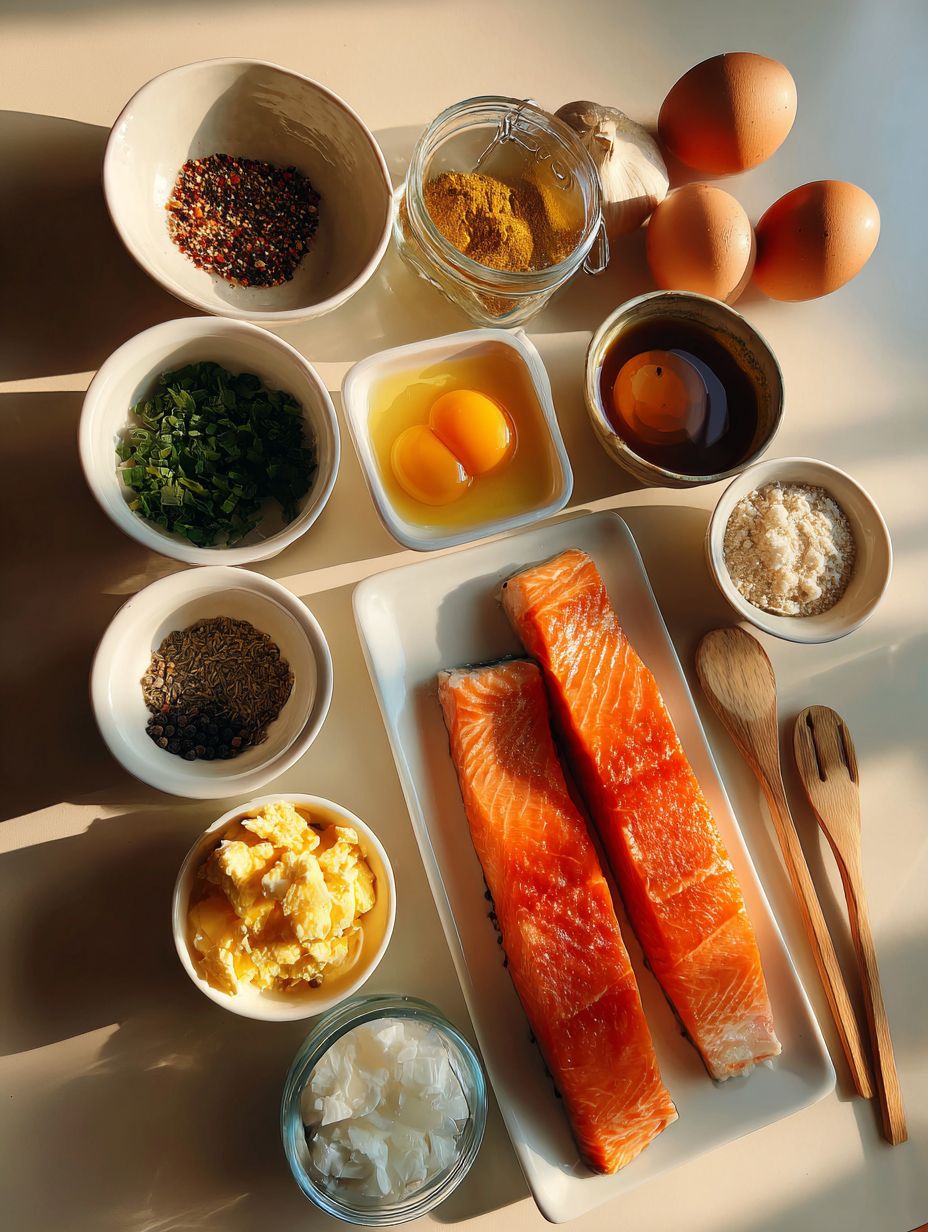
– Salmon Fillets: You’ll need four skin-on salmon fillets, each about 6 ounces. The skin acts as a protective layer during cooking and helps retain moisture, resulting in a flaky, tender texture. Plus, cooking with the skin on enhances flavor.
– Lemon Juice: Freshly squeezed juice from one large lemon, about 2 tablespoons, provides the vibrant acidity that brightens the salmon. Fresh juice is critical here; bottled lemon juice often lacks the same intensity of flavor.
– Lemon Zest: A teaspoon of freshly grated lemon zest adds a concentrated lemon flavor without additional liquid. Zesting is an essential step that amplifies the citrus notes and adds an aromatic quality.
– Extra Virgin Olive Oil: One tablespoon of high-quality extra virgin olive oil not only helps the marinade adhere but also infuses the fish with a rich, fruity flavor. It also aids in achieving that desirable crispy texture.
– Freshly Cracked Black Pepper: Using half a teaspoon of freshly cracked black pepper allows for an aromatic warmth that enhances the dish’s overall flavor profile. The freshness of cracked pepper is much more aromatic than pre-ground.
– Sea Salt: Half a teaspoon of sea salt, or to taste, elevates the flavors of the salmon and balances the acidity of the lemon. Adjust according to your preference, but don’t skip it!
– Dried Dill (optional): If you want to add another layer of flavor, one teaspoon of dried dill works wonders. It pairs beautifully with salmon, though it’s entirely optional.
– Garlic: Three cloves of minced garlic add a savory depth to the marinade, complementing the brightness of the lemon and the richness of the salmon.
– Butter: A tablespoon of butter for basting is key. It adds richness and helps achieve that coveted golden-brown crust while keeping the fish moist.
– Lemon Slices: For garnish, fresh lemon slices not only make for a beautiful presentation but also provide an extra burst of citrus flavor when served.
For dietary needs, consider these substitutions:
– Dairy-Free: Omit the butter or substitute with a dairy-free alternative like olive oil or vegan butter.
– Gluten-Free: This recipe is naturally gluten-free, as none of the ingredients contain gluten.
– Vegan: For a vegan alternative, consider using marinated tofu or tempeh brushed with a similar lemon marinade.
You can find fresh salmon at your local fish market or grocery store. Look for fillets that have a bright color and a fresh smell, avoiding any that appear dull or have a fishy odor. The quality of your ingredients can truly elevate this dish, making all the difference.
—
Equipment Needed
To create your Flaky Lemon Pepper Salmon Fillet, you’ll need a few essential tools that will help streamline the cooking process:
– Baking Sheet: An essential for roasting the salmon, choose a sturdy, rimmed baking sheet that can catch any juices. If you have a non-stick option or a well-seasoned cast iron pan, those work beautifully, too.
– Parchment Paper: Lining your baking sheet with parchment paper makes cleanup a breeze and helps prevent the salmon from sticking.
– Mixing Bowl: A small bowl is necessary for mixing your marinade. Opt for one that’s easy to whisk in, ensuring all ingredients are well-combined.
– Brush: A pastry brush allows you to generously coat the salmon with the marinade for even coverage. If you don’t have one, you can use the back of a spoon instead.
– Zester or Microplane: For zesting the lemon, a zester or microplane will give you the best results. If you don’t have either, a fine grater can work in a pinch.
– Measuring Spoons: Accurate measurements ensure that every flavor is just right, so have your measuring spoons handy!
– Fork: A simple fork is perfect for checking if your salmon is done by testing if it flakes easily.
Optional tools: If you’re a fan of crispy toppings, a broiler pan can be useful for achieving that perfect finish, but it’s not necessary if you watch your salmon closely while broiling.
With these tools in your kitchen, you’ll be well-equipped to whip up a stunning dish that’s sure to impress. Happy cooking!
Step-by-Step Instructions
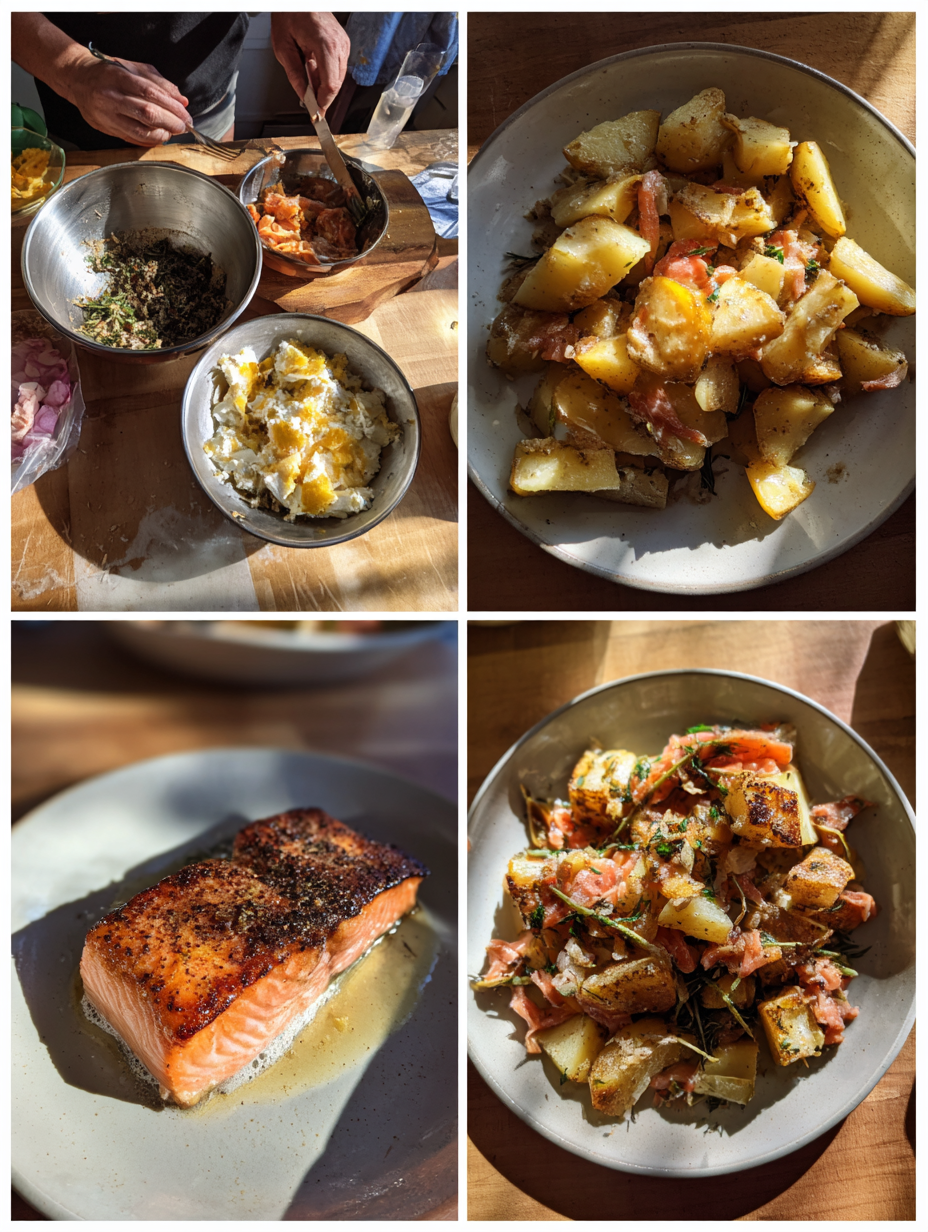
1. Preheat the Oven: Start by preheating your oven to 400°F (200°C). This ensures that the salmon cooks evenly and thoroughly. While the oven is warming up, you can prepare the other ingredients. You should hear the oven beep when it’s ready, indicating that it has reached the desired temperature.
2. Prepare the Marinade: In a small bowl, combine 2 tablespoons of fresh lemon juice, 1 teaspoon of lemon zest, 1 tablespoon of extra virgin olive oil, 1/2 teaspoon of freshly cracked black pepper, and 1/2 teaspoon of sea salt. If you’re using it, add 1 teaspoon of dried dill as well. Use a whisk or fork to thoroughly mix these ingredients together until you see a cohesive blend. You should smell the bright, zesty aroma of the lemon and the sharpness of the garlic as you mix in the 3 minced cloves of garlic.
3. Prepare the Baking Sheet: Line a baking sheet with parchment paper. This not only makes for easier cleanup but also prevents the salmon from sticking. Make sure to smooth out any wrinkles in the parchment paper so that the salmon sits flat and cooks evenly.
4. Arrange the Salmon Fillets: Place 4 skin-on salmon fillets on the prepared baking sheet, ensuring that they are skin-side down. It’s essential to use salmon fillets that are at room temperature; this helps them cook evenly. Chef’s Note: If your fillets are straight from the fridge, let them sit for about 15 minutes before cooking to take off the chill.
5. Apply the Marinade: Use a brush or the back of a spoon to generously brush the marinade over the top of each salmon fillet. Make sure each piece is coated well; the marinade will deepen the flavor and keep the salmon moist. You should see the marinade glistening on the surface of the fish.
6. Add Butter and Seasoning: Cut 1 tablespoon of butter into small pats and place one on top of each fillet. If desired, sprinkle a bit more of the dried dill for extra flavor. The butter will melt during cooking, creating a deliciously rich sauce that envelops the fish. You should look for the butter to start melting and bubbling around the edges as it cooks.
7. Bake the Salmon: Place the baking sheet in the preheated oven and bake for 15-20 minutes. The salmon is done when it flakes easily with a fork. Look for the flesh to turn opaque and firm up, with the edges slightly crisping. If you can poke a fork into the thickest part of the fillet and it flakes apart, you’re in business!
8. Broil for a Crispy Finish: If you want that perfect crispy top, switch your oven to broil for the last 2-3 minutes of cooking. Stay close and watch it closely, as things can go from perfectly crispy to burnt very quickly. You should see the surface of the salmon start to bubble and turn a golden brown.
9. Let It Rest and Garnish: Once out of the oven, let the salmon rest for a few minutes. This allows the juices to redistribute throughout the fillet, keeping it moist. Finally, garnish with fresh lemon slices before serving to add a pop of color and freshness. You can smell the bright citrus notes wafting up as you slice into the fish – a delightful preview of what’s to come!
Pro Tips for the Best Results
1. Choose Quality Salmon: Always opt for fresh, wild-caught salmon if possible. Farmed salmon often has a higher fat content and can lack the vibrant flavor of wild-caught. The quality of your fish directly affects the dish’s overall taste, so it’s worth seeking out the best.
2. Room Temperature is Key: Before cooking, let your salmon sit at room temperature for 15 minutes. This helps ensure even cooking throughout the fillet, preventing a cold center while the outside may overcook.
3. Don’t Overcook: Salmon can go from perfectly cooked to dry quickly. Keep a close eye on it after 15 minutes, and remember that carryover cooking will continue to cook the fish even after you’ve taken it out of the oven.
4. Use Parchment Paper: Lining your baking sheet with parchment paper not only makes cleanup easier but also prevents sticking, ensuring your salmon comes off the sheet intact and beautifully presented.
5. Broiling for Texture: For that delightful crispy top, broil the salmon for the last 2-3 minutes of cooking. Keep the oven door cracked and watch closely to prevent burning. This technique gives the fillet a lovely texture contrast with the tender meat underneath.
6. Experiment with Herbs: While dill is lovely, don’t hesitate to experiment with different herbs like tarragon, parsley, or thyme. Each herb brings its unique flavor profile that can transform your dish subtly.
7. Baste for Extra Flavor: If you’re feeling fancy, baste the salmon with the melted butter and marinade during cooking. This adds layers of flavor and moisture, especially if you’re looking for a richer taste.
8. Leftover Use: If you have leftover salmon, try incorporating it into other dishes. It makes for a fabulous addition to salads, pasta, or even breakfast scrambles, giving you a great way to reduce waste and enjoy your meal again.
Common Mistakes to Avoid
1. Cooking Cold Salmon: Starting with cold, straight-from-the-fridge salmon can lead to uneven cooking. It’s best to let the fillets sit at room temperature for about 15 minutes before cooking. This allows for a more even bake and a better texture.
2. Not Using Enough Marinade: Skimping on the marinade can lead to bland fish. Be generous when applying it and make sure to coat all sides of the salmon. A well-marinated fillet is key to achieving that vibrant flavor.
3. Neglecting the Skin: Cooking salmon with the skin on helps retain moisture and adds flavor. If you remove the skin, you may end up with dry fish. Always cook skin-side down for the best results.
4. Overcooking the Salmon: Salmon can dry out quickly if overcooked. Always check for doneness at the 15-minute mark, and remember that the fish will continue cooking slightly after being removed from the oven.
5. Skipping the Resting Period: Cutting into the salmon immediately after cooking can lead to a dry fillet as the juices haven’t had time to settle. Let it rest for a few minutes before serving to ensure maximum juiciness.
6. Forgetting the Garnish: A simple garnish of fresh lemon slices can elevate your dish visually and flavor-wise. Don’t skip this step; the brightness of the lemon beautifully complements the richness of the salmon.
7. Ignoring the Broil Option: Skipping the broiling step can lead to a lackluster finish. A quick broil at the end gives the salmon a crispy, caramelized top that adds both texture and flavor.
Creative Variations
1. Seasonal Variation: Herb-Crusted Lemon Pepper Salmon — In place of the dill, use a mix of fresh, finely chopped herbs such as basil, parsley, and chives. This seasonal twist brings a fresh garden flavor to your salmon that brightens up any meal.
2. Dietary-Friendly Version: Keto Lemon Pepper Salmon — Keep the recipe as is but serve it with a side of zucchini noodles instead of traditional pasta or rice. This keeps the dish low-carb while still being incredibly satisfying.
3. Gourmet Elevated Version: Truffle Lemon Pepper Salmon — Drizzle a tiny amount of truffle oil over the salmon before baking. This luxurious addition elevates the dish to restaurant-level quality, offering a deep, earthy aroma that pairs beautifully with the zesty lemon.
4. Quick 15-Minute Version: Pan-Seared Lemon Pepper Salmon — Skip the oven entirely by pan-searing the salmon fillets in a hot skillet with olive oil for 4-5 minutes on each side. This faster method creates a delicious crust and retains the fish’s flaky texture.
5. Kid-Friendly Version: Honey Lemon Pepper Salmon — Add a touch of honey to the marinade for a touch of sweetness. Kids often prefer sweeter flavors, and this twist balances the zesty lemon with a hint of sugary goodness.
6. International Twist: Mediterranean Lemon Pepper Salmon — Incorporate olive tapenade on top of the salmon before baking for a Mediterranean flair. The briny flavors of the olives combined with lemon will transport your taste buds to the coast of Italy.
Serving Ideas
When it comes to plating your Flaky Lemon Pepper Salmon Fillet, presentation is key to making this dish truly shine. Here are some enticing serving ideas:
1. Citrus Splash: Serve the salmon fillet atop a bed of vibrant, sautéed spinach that’s been lightly seasoned with garlic and olive oil. Garnish with a sprinkle of toasted pine nuts for a pleasing crunch and top with fresh lemon slices and a drizzle of the leftover marinade to enhance the citrus theme.
2. Colorful Medley: Create a colorful plate by serving the salmon beside a side of roasted asparagus and bright cherry tomatoes. The green and red hues not only pop visually but also complement the delicate salmon. Consider adding a dollop of herbed yogurt sauce on the side for an extra creamy element.
3. Rustic Charm: For a more rustic presentation, place the salmon fillet on a wooden serving board alongside roasted baby potatoes. Scatter fresh herbs like dill and parsley around for a fresh touch. This communal style encourages sharing and adds warmth to the dining experience.
4. Elegant Touch: Serve the salmon on a rectangular white plate, drizzling a thin line of balsamic reduction for contrast. Add a few microgreens on top for a touch of elegance. This minimalist approach highlights the beauty of the salmon while keeping the focus on its flavors.
5. Family Style: For a relaxed meal, present the salmon fillets on a large platter surrounded by lemon wedges and vibrant seasonal vegetables like zucchini and bell peppers. This inviting setup encourages everyone to help themselves and makes for a delightful centerpiece.
What to Serve With
Pairing your Flaky Lemon Pepper Salmon Fillet with complementary dishes enhances the meal experience. Here are some fantastic options:
1. Quinoa Salad: A light quinoa salad with cucumbers, tomatoes, and feta cheese provides a refreshing contrast to the warm salmon. The nutty flavor of quinoa and the tangy feta create a delightful balance.
2. Garlic Mashed Potatoes: Creamy garlic mashed potatoes add a comforting, rich element to your plate. Their buttery texture pairs well with the flaky salmon while the garlic resonates with the dish’s flavor profile.
3. Chilled White Wine: A chilled Sauvignon Blanc or a crisp Pinot Grigio brightens the meal beautifully. These wines possess citrus notes that complement the lemony flavor of the salmon, making each sip refreshing.
4. Grilled Vegetable Platter: Serve a platter of grilled seasonal vegetables—think zucchini, bell peppers, and eggplant. The smoky flavor from the grill adds depth that contrasts nicely with the freshness of the salmon.
5. Lemon Sorbet: For dessert, a lemon sorbet offers a cleansing finish to your meal. Its cool, citrusy flavor echoes the salmon and provides a light, refreshing end to the dining experience.
Storage Guide
To ensure you enjoy your Flaky Lemon Pepper Salmon Fillet later, proper storage is essential. Here’s how to keep your leftovers fresh:
– Container Type: Use an airtight glass container for storage. Glass is great for retaining flavor and preventing leaks.
– Temperature: Store your salmon in the fridge at a consistent temperature of 34°F to 40°F (1°C to 4°C).
– Shelf Life: Leftover salmon will keep well for up to two days.
– Signs of Spoilage: Look for off odors, a slimy texture, or discoloration. If any of these occur, it’s best to discard the fish.
– Refreshing Before Serving: Rather than simply reheating, try adding a splash of fresh lemon juice and a drizzle of olive oil before serving. This not only revitalizes the salmon but also restores its moisture and flavor.
Freezing Tips
If you want to save your Flaky Lemon Pepper Salmon Fillet for later, freezing is an option, but with some precautions:
– Freezing Suitability: This recipe freezes well, but the texture may change slightly upon thawing.
– Instructions: Portion the salmon into individual servings, wrap each fillet tightly in plastic wrap, and then place them in a freezer-safe zip-top bag or airtight container. Make sure to remove as much air as possible.
– Labeling: Don’t forget to label the bags with the date of freezing to keep track of freshness.
– Freezer Lifespan: The salmon can be stored in the freezer for up to three months.
– Thawing Method: The best way to thaw salmon is in the refrigerator overnight, allowing it to defrost slowly and maintain its texture.
Reheating Guide
When it’s time to enjoy your leftover Flaky Lemon Pepper Salmon Fillet, careful reheating is crucial to maintaining its deliciousness:
– Microwave: Place the salmon on a microwave-safe plate, cover it loosely with a damp paper towel, and heat on medium power for 30 seconds. Check and continue heating in 15-second intervals until warmed through, being cautious not to dry it out.
– Oven: Preheat your oven to 300°F (150°C). Place the salmon in an oven-safe dish and cover with foil to retain moisture. Heat for about 10-15 minutes or until warmed through.
– Stovetop: Heat a skillet over medium-low heat and add a teaspoon of water or broth to create steam. Place the salmon in the skillet, cover, and heat for about 5 minutes, allowing the steam to keep it moist.
– Texture Restoration Tip: For a touch of freshness, drizzle a little olive oil or a squeeze of lemon before serving, which can help revive its original flavors.
Nutrition Overview
Your Flaky Lemon Pepper Salmon Fillet isn’t just delicious; it’s also packed with nutrition. Here’s a closer look at the approximate values per serving:
– Calories: 350
– Protein: 34g
– Carbohydrates: 1g
– Fat: 22g
– Fiber: 0g
– Sugar: 0g
Salmon is rich in omega-3 fatty acids, which are excellent for heart health. Additionally, the lemon adds a good dose of Vitamin C, supporting your immune system. The combination of protein from the salmon and the healthy fats makes this dish both satisfying and nourishing.
Frequently Asked Questions
Q: Can I substitute the salmon for another fish?
A: Absolutely! You can use trout, cod, or even tilapia. Just adjust the cooking time accordingly since different fish have varying thickness.
Q: Is this recipe gluten-free?
A: Yes, this recipe is naturally gluten-free as it contains no wheat or gluten-containing ingredients. It’s a great option for those avoiding gluten.
Q: Can I use dried dill instead of fresh?
A: Yes, you can use dried dill; however, use half the amount since dried herbs are more concentrated.
Q: How do I know when the salmon is cooked?
A: The salmon is done when it flakes easily with a fork and has an internal temperature of 145°F (63°C). You can use a meat thermometer for precision.
Q: Can I make the marinade ahead of time?
A: Certainly! You can prepare the marinade a day in advance and store it in the refrigerator. Just give it a good stir before using.
Q: What’s the best way to remove the skin from the salmon?
A: To remove the skin, place the fillet skin-side down on a cutting board. Use a sharp knife and gently slide it between the skin and the flesh, pulling the skin away as you cut.
Q: How can I make this dish dairy-free?
A: If you want to make this dish dairy-free, simply omit the butter or substitute it with a plant-based alternative like vegan butter or olive oil.
Q: Can I grill the salmon instead of baking?
A: Yes, grilling is a great alternative! Preheat your grill to medium heat and cook the salmon fillets skin-side down for about 6-8 minutes per side, basting with the marinade as you go.
Final Thoughts
As you embark on making your Flaky Lemon Pepper Salmon Fillet, remember that the key to success lies in fresh ingredients and careful attention during cooking. The simple marinade not only enhances the salmon’s natural flavors but also makes the preparation a breeze. I truly believe this dish will impress anyone at your table, whether it’s a casual family dinner or a special occasion.
I can’t wait for you to try this recipe and share your results! Remember to savor each bite and relish the burst of citrus and peppery goodness. So, gather your ingredients, preheat your oven, and let the deliciousness begin!
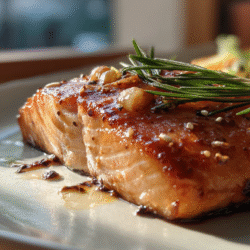
Flaky Lemon Pepper Salmon Fillet 🍋🐟
Ingredients
- 4 fillets skin-on salmon fillets about 6 oz each
- 2 tablespoons fresh lemon juice from about 1 large lemon
- 1 teaspoon lemon zest freshly grated
- 1 tablespoon extra virgin olive oil
- 1/2 teaspoon freshly cracked black pepper
- 1/2 teaspoon sea salt or to taste
- 1 teaspoon dried dill optional for extra flavor
- 3 cloves garlic minced
- 1 tablespoon butter for basting
- 1 lemon lemon slices for garnish
Instructions
- Preheat your oven to 400°F (200°C). Line a baking sheet with parchment paper for easy cleanup.
- In a small bowl, mix together the lemon juice, lemon zest, olive oil, cracked black pepper, sea salt, and minced garlic to create a marinade.
- Place the salmon fillets on the prepared baking sheet, skin-side down. Brush the marinade generously over the top of each fillet, ensuring even coverage.
- Add a small pat of butter on top of each fillet and sprinkle with dried dill if using. Bake in the preheated oven for 15-20 minutes, or until the salmon flakes easily with a fork.
- For a crispy top, switch the oven to broil in the last 2-3 minutes of cooking, watching closely to prevent burning.
- Remove the salmon from the oven, let it rest for a few minutes, and garnish with fresh lemon slices before serving.
Notes
Tip 2: Leftover salmon can be stored in an airtight container in the fridge for up to 2 days.
Variation: Substitute the lemon with lime for a different citrus flavor.