
Introduction
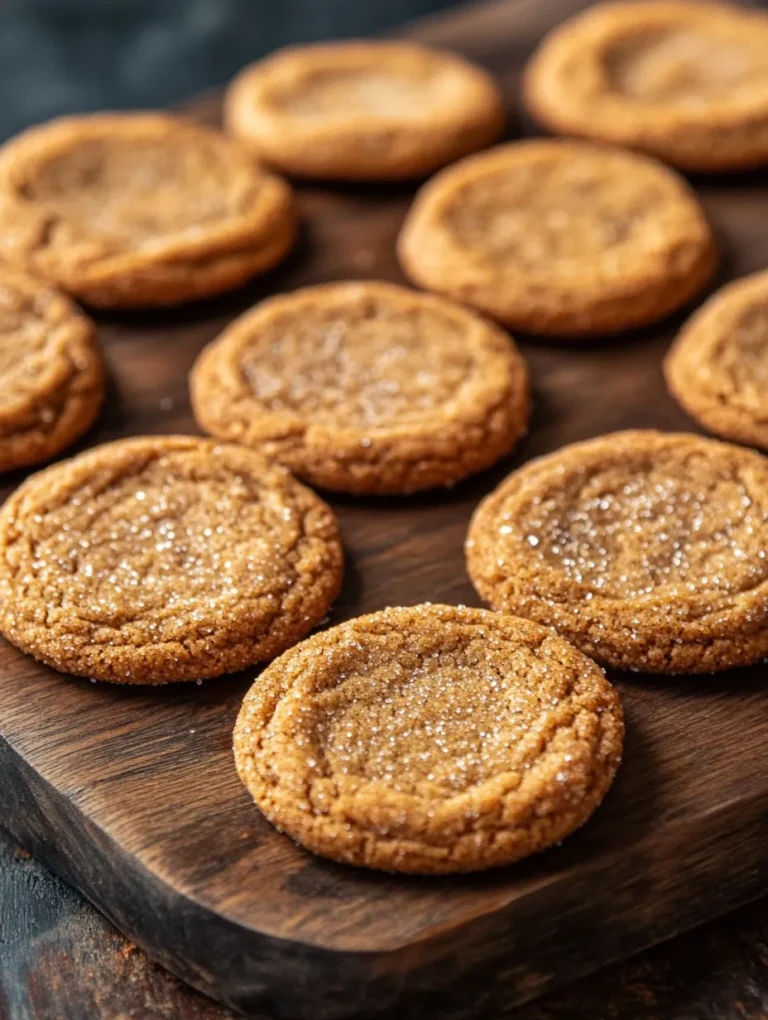
Gingersnaps are more than just cookies; they are a delightful blend of spice and sweetness that evoke warmth and nostalgia. These classic treats have made their mark in both holiday baking and everyday recipes, becoming a staple in many households. The comforting aroma of gingersnaps wafting from the oven is enough to transport you back to childhood memories of baking with family during the festive season. Whether enjoyed alongside a cup of tea or shared with friends during gatherings, homemade gingersnaps have a way of bringing people together.
What can you expect from this recipe for classic old fashioned gingersnaps? Picture a cookie that strikes the perfect balance between crisp and chewy, with a deep, rich flavor profile that is both spicy and sweet. The signature snap comes from the use of traditional ingredients like ginger, cinnamon, and molasses, which not only enhance the taste but also contribute to the cookie’s signature texture. Whether you are a seasoned baker or a novice in the kitchen, this recipe will guide you through every step to achieve gingersnaps that are truly irresistible.
The History of Gingersnaps
The origins of gingersnap cookies can be traced back to ancient times when spices like ginger were highly valued for their flavor and medicinal properties. Gingersnaps, in particular, are believed to have originated in Europe during the Middle Ages, where they were often enjoyed as a special treat during festive occasions. The first recorded recipes for gingerbread, from which gingersnaps evolved, appeared in the 15th century. These early versions were often baked into elaborate shapes and decorated with sugar, showcasing the craftsmanship of bakers of the time.
As time passed, gingersnap recipes spread across the globe, each culture adding its own twist to the traditional cookie. In America, gingersnaps became a beloved treat, especially in New England, where the cold winters made the warming spices of ginger and cinnamon particularly appealing. The cookie’s name, “gingersnap,” reflects its distinctive texture; the “snap” refers to the crispiness that occurs when the cookie is baked to perfection.
The spices used in gingersnaps are fundamental to their character. Ginger, the star ingredient, provides a warm spice that is both fragrant and invigorating. Cinnamon adds a sweet warmth, while cloves offer a hint of earthiness. Together, these spices create a harmonious blend that is quintessentially gingersnap. Over the years, variations have emerged, with some bakers incorporating additional spices or even chocolate, but the classic combination remains a favorite among many.
Key Ingredients and Their Roles
To create a batch of classic old fashioned gingersnaps, you will need a handful of key ingredients, each playing a crucial role in the final outcome of the cookies.
Flour
All-purpose flour is the backbone of any cookie recipe, providing structure and stability. In gingersnaps, the right amount of flour ensures that the cookies hold their shape while still maintaining a tender interior. It is essential to measure the flour accurately; too much can lead to a dry cookie, while too little can result in a dough that spreads too much during baking.
Spices
The magic of gingersnaps lies in the spices. Ground ginger is the primary flavor contributor, delivering a warm, zesty kick that defines the cookie. Cinnamon adds a layer of sweetness and warmth, while cloves bring a distinct, aromatic quality. These spices work together to create the signature flavor profile that makes gingersnaps so beloved.
Butter and Sugar
The combination of butter and sugar is essential for achieving the right texture in gingersnaps. Butter provides richness and moisture, while sugar contributes sweetness and helps with the cookie’s structure. Creaming the two together effectively creates air pockets that lead to a light, tender texture. The choice of sugar can also impact the final product; using a mix of granulated and brown sugar can enhance the flavor and color of the cookies.
Molasses
Molasses is a critical ingredient in gingersnaps, adding both moisture and depth of flavor. This dark syrup is a byproduct of sugar production and is rich in nutrients. It imparts a subtle caramel-like sweetness and contributes to the chewy texture that gingersnaps are known for. The type of molasses used can vary, with fancy molasses being lighter in flavor and color, while robust blackstrap molasses offers a stronger taste.
Egg
Eggs are a binding agent in cookie dough, providing structure and richness. In gingersnaps, the egg helps to hold the ingredients together while also contributing to the overall flavor. Be sure to use a large egg, as this is the standard size in most baking recipes.
Optional Ingredients
For those looking to enhance the flavor of their gingersnaps, consider adding fresh grated ginger. This ingredient provides a bright, zesty contrast to the ground spices and elevates the cookie’s flavor profile. While not necessary, it can add a delightful freshness to the classic recipe.
Step-by-Step Guide to Making Classic Old Fashioned Gingersnaps
Preparation of Ingredients
Before diving into the baking process, it’s crucial to prepare your ingredients properly. Start by assembling all the necessary components: flour, ground spices, butter, sugar, molasses, egg, and any optional ingredients like fresh ginger. Having everything at hand will streamline the baking process and help ensure you don’t forget any key elements.
Accurate measurement of ingredients is vital for successful baking. It’s best to use a kitchen scale for the most precise results, especially when it comes to flour. If you’re using measuring cups, spoon the flour into the cup and level it off with a knife to avoid packing it down, which can lead to using too much.
When it comes to butter, it’s essential to soften it to room temperature before creaming it with sugar. If you need to soften butter quickly, you can cut it into small cubes and let it sit for about 10-15 minutes. Alternatively, you can microwave it on a low setting in 5-second increments, but be careful not to melt it.
Mixing Dry Ingredients
The next step is to whisk together the dry ingredients. In a medium bowl, combine the all-purpose flour, baking soda, ground ginger, cinnamon, cloves, and a pinch of salt. Whisking these ingredients thoroughly ensures that the baking soda and spices are evenly distributed throughout the flour. This step is crucial for achieving consistent flavor and texture in your gingersnaps.
When mixing spices with flour, it’s important to break up any clumps and create a uniform blend. This not only improves the flavor but also prevents any one cookie from being overpowered by a concentrated spice. Take your time during this step; a well-mixed dry ingredient base is the foundation of great cookies.
Creaming Butter and Sugar
Once your dry ingredients are ready, it’s time to cream the softened butter and sugar together. In a large mixing bowl, combine the softened butter with granulated and brown sugars. Using an electric mixer on medium speed, cream the butter and sugars until the mixture is light and fluffy, which typically takes about 2-3 minutes.
The creaming process is essential because it incorporates air into the dough, leading to a lighter texture in the final cookies. Scrape down the sides of the bowl as needed to ensure all the butter is evenly mixed. Once the mixture is fluffy, add the egg and molasses, mixing until well combined. The molasses will not only enhance the flavor but also contribute to the rich color of the dough.
With the butter and sugar mixture ready, you are well on your way to creating delicious classic old fashioned gingersnaps. The next steps will guide you through combining the dry and wet ingredients, shaping the cookies, and preparing them for baking. Stay tuned for the continuation of this recipe, where we will explore those delicious details.
Best Practices for Creaming Butter and Sugar for Optimal Texture
Achieving the perfect texture in your gingersnaps starts with the fundamental technique of creaming butter and sugar together. This step is critical in ensuring that your cookies turn out light and airy. Begin with softened butter; it should be at room temperature but not melted. Using an electric mixer, cream the butter and granulated sugar on medium speed until the mixture is fluffy and pale in color, which usually takes about 3 to 5 minutes.
The science behind this process lies in the incorporation of air into the mixture. As the sugar crystals cut through the butter, they create tiny air pockets, which expand during baking, contributing to a light and fluffy cookie texture. For optimal results, use granulated sugar for this step, as it dissolves easily and combines well with butter. Brown sugar can be added later in the recipe to enhance moisture and flavor.
Incorporating Wet Ingredients
Adding wet ingredients to your dry mixture is another essential step in the gingersnap-making process. When it comes to incorporating molasses and eggs, doing so gradually is key. Begin by mixing in the molasses, ensuring that it fully integrates into the butter-sugar mixture before adding the egg. This method helps to evenly distribute the flavor throughout the dough.
When you add the egg, mix just until combined. Overmixing at this stage can lead to tough cookies, as the gluten in the flour will start to develop more than necessary. Aim for a smooth consistency without any streaks of egg or molasses, which indicates that the wet ingredients are well combined.
Combining Mixtures
Once your wet and dry ingredients are prepared, it’s time to combine them. Carefully fold the dry mixture into the wet mixture, using a spatula or wooden spoon. This is where you should be particularly cautious about overmixing. The goal is to bring the dough together without vigorously stirring.
Visual cues are crucial during this step. The dough should be slightly sticky but still form a cohesive ball. If you notice dry flour at the bottom of the bowl or the dough is overly crumbly, continue to fold just until the flour is incorporated. Remember, it’s better to have a few flour streaks than to overwork the dough.
Shaping the Cookies
Shaping your gingersnaps is another critical step that affects both their appearance and texture. To create uniform cookie balls, use a cookie scoop or your hands. Aim for balls about one inch in diameter; this ensures even baking and a consistent texture.
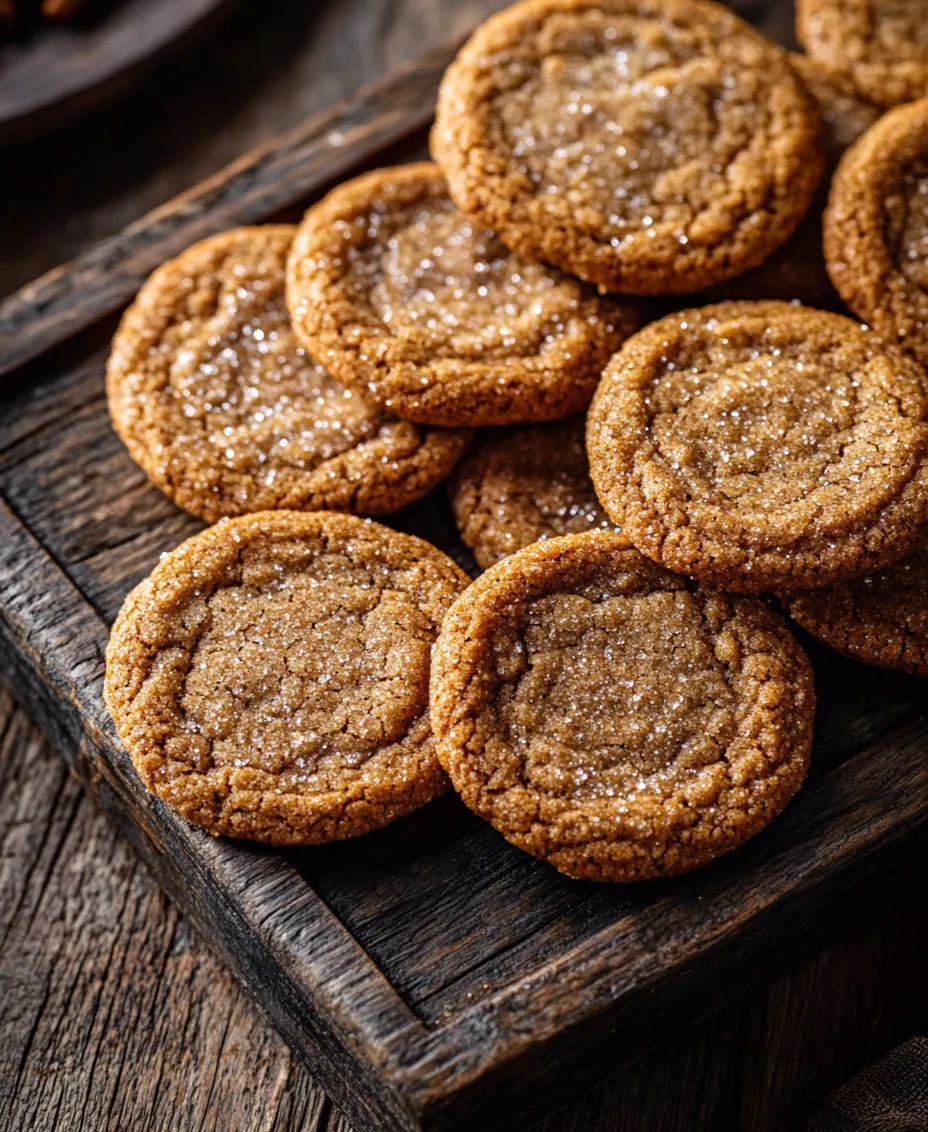
Before baking, roll each ball in a bowl of sugar. This step is not just for aesthetics; it enhances the cookies’ texture and adds a delightful crunch. The sugar coating creates a contrast between the soft, chewy center and the crisp exterior, elevating the overall experience of the gingersnap.
Baking Process
When it comes to baking gingersnaps, precision in both temperature and time matters. Preheat your oven to 350°F (175°C). This temperature allows the cookies to spread just enough while keeping a chewy interior. Bake the cookies for about 10 to 12 minutes, watching for visual cues to signify doneness.
The edges should appear set and slightly crisp, while the centers may look a bit underbaked. This is perfect, as they will continue to firm up while cooling. If you notice a deep golden color across the entire cookie, they may be overbaked.
Cooling and Storing Gingersnaps
Once baked, it’s essential to cool the gingersnaps on a wire rack. This process prevents them from steaming and becoming soggy. Allow them to cool for at least 5 minutes on the baking sheet before transferring them to the wire rack to cool completely.
For storage, place your gingersnaps in an airtight container at room temperature. To maintain freshness, consider placing a slice of bread in the container; the cookies will absorb moisture, keeping them soft. Interestingly, gingersnaps often taste even better a day or two after baking, as the flavors develop and meld together.
Serving Suggestions
Gingersnaps pair beautifully with a variety of beverages. A warm cup of spiced chai or a robust black coffee complements the rich flavors of the cookies perfectly. For something refreshing, consider pairing them with a glass of cold milk or even a spiced apple cider, especially in the fall and winter months.
For gatherings, present your gingersnaps in a decorative tin or on a festive platter. They also make excellent gifts; wrap them in cellophane and tie them with a ribbon for a homemade touch that friends and family will appreciate.
Conclusion
Baking classic old fashioned gingersnaps is not just about creating delicious cookies; it’s about enjoying the process and sharing the joy of homemade treats with loved ones. From the warm, spicy aroma that fills your kitchen to the delightful crunch of each bite, gingersnaps offer a nostalgic experience that resonates with many.
Whether you’re enjoying them with a warm beverage on a chilly day, gifting them to friends, or serving them at a holiday gathering, these cookies are versatile enough to shine in any setting. Embrace the tradition of baking gingersnaps and savor the moments spent with family and friends, creating memories that will last long after the cookies are gone.