Introduction
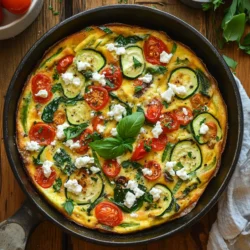
The frittata is a culinary gem that has captured the hearts and taste buds of food lovers around the world. This versatile dish can serve as a hearty breakfast, a satisfying lunch, or a light dinner, making it a staple in many kitchens. While often associated with Italian cuisine, frittatas have transcended cultural boundaries, becoming a beloved option for any meal of the day. The secret to a perfect frittata lies in its simplicity, adaptability, and the quality of its ingredients, particularly when it comes to seasonal produce.
Embracing seasonal ingredients is not just a trend—it’s a philosophy that promotes sustainable cooking and enhances flavor. By choosing vegetables that are in season, you not only support local farmers but also enjoy peak freshness and nutrition in your meals. Seasonal vegetables are packed with vitamins and minerals, making them essential for a balanced diet. Incorporating these vibrant veggies into your frittata not only elevates the dish but also makes it colorful and visually appealing.
One of the many appeals of the frittata is its health benefits. Rich in protein and nutrients, this dish is often lower in calories than other breakfast options, making it an excellent choice for those looking to eat healthier. Furthermore, it’s an easy-to-make recipe, allowing even novice cooks to whip up a delicious meal with minimal effort. Whether you’re preparing a weekend brunch for friends or a quick weeknight dinner for your family, a seasonal veggie frittata is sure to impress.
Understanding Frittatas
Definition and Characteristics of a Frittata
A frittata is an Italian-style egg dish that is similar to an omelet but boasts a few key differences. While an omelet is typically cooked on the stovetop and folded over fillings, a frittata is started on the stovetop and then finished in the oven. This cooking method allows for a fluffier texture and the incorporation of a variety of ingredients, making it a canvas for creativity in the kitchen.
Frittatas are characterized by their thick, custard-like consistency, which is achieved by mixing beaten eggs with any number of fillings, including vegetables, meats, and cheeses. The result is a dish that is hearty and satisfying, with each bite bursting with flavor. Unlike quiches, which have a pastry crust, frittatas are crustless, making them a lighter alternative that is still rich in taste.
Differences Between Frittatas, Omelets, and Quiches
While frittatas, omelets, and quiches all share a common base of eggs, they are distinct in preparation and presentation. Omelets are typically cooked quickly on the stovetop and may be folded over fillings, creating a soft, creamy texture. Quiches, on the other hand, feature a pastry crust and a custard filling that often includes cream or milk, resulting in a richer and denser meal.
Frittatas, in contrast, are baked in a skillet, allowing for a more uniform cooking process. This method results in a dish that is easy to slice into wedges and serve, making it an ideal choice for gatherings or meal prep. Additionally, because frittatas can be made with a wide variety of ingredients, they offer endless possibilities for customization, allowing home cooks to experiment and adapt based on personal preferences and seasonal availability.
Historical Background of Frittatas and Their Cultural Significance
The frittata has roots in Italian cuisine, with its origins tracing back to the peasant dishes of rural Italy. It was traditionally a way to use leftover ingredients and transform them into a satisfying meal. Over time, the frittata evolved, incorporating regional flavors and seasonal produce, becoming a beloved dish in Italian households and beyond.
Culturally, frittatas embody the concept of “cucina povera,” or “poor kitchen,” which emphasizes making the most of what is available. This philosophy resonates with contemporary cooking trends that prioritize sustainability and minimizing food waste. In many Italian families, frittatas are also associated with gatherings and celebrations, showcasing the importance of sharing food and creating memories around the table.
Today, frittatas are enjoyed around the globe, often featured in brunch menus, farmer’s markets, and home kitchens alike. They serve as a reminder of the beauty of simple ingredients and the joy of cooking with love and intention.
Seasonal Ingredients for Your Frittata
Overview of Seasonal Vegetables
When crafting a frittata, the choice of vegetables can significantly impact flavor, texture, and nutritional value. Utilizing seasonal vegetables not only enhances the dish but also provides numerous health benefits. Seasonal produce is typically fresher, tastier, and more nutritious than out-of-season options, as it is harvested at its peak ripeness.
Incorporating seasonal vegetables into your frittata can also be a fun way to experiment with different flavors and textures. Whether you’re using vibrant greens, crunchy peppers, or earthy root vegetables, the possibilities are endless. This adaptability makes frittatas an excellent dish for showcasing the bounty of each season.
Detailed Descriptions of Suggested Vegetables
1. Zucchini: This summer squash is a frittata favorite due to its mild flavor and tender texture. Zucchini is low in calories and high in vitamins A and C, making it a great addition to any meal. When diced and sautéed, zucchini adds moisture to the frittata, ensuring a luscious consistency.
2. Bell Peppers: Available in a variety of colors, bell peppers add a sweet crunch to frittatas. Rich in vitamin C and antioxidants, they can brighten up any dish. Their natural sweetness intensifies during cooking, creating a delightful contrast with the savory eggs.
3. Asparagus: A springtime delicacy, asparagus is known for its unique flavor and tender-crisp texture. Packed with fiber, folate, and vitamins A, C, and K, asparagus is not only delicious but also highly nutritious. Sautéing asparagus before adding it to the frittata enhances its earthy taste and complements the eggs beautifully.
4. Spinach: This leafy green is a powerhouse of nutrients, including iron, calcium, and vitamins A and K. Spinach wilts down significantly when cooked, making it easy to incorporate a generous amount into your frittata without overwhelming the dish. Its mild flavor pairs well with other ingredients, allowing it to blend seamlessly into the frittata.
Nutritional Benefits of Each Vegetable
Each of these seasonal vegetables brings a wealth of nutritional benefits to your frittata. Zucchini offers hydration and is low in carbohydrates, making it a great choice for those watching their weight. Bell peppers are excellent for boosting immunity due to their high vitamin C content. Asparagus, with its anti-inflammatory properties, is a great addition for overall health. And spinach, known for its iron content, is particularly beneficial for maintaining energy levels.
By incorporating a variety of these vegetables, you not only enhance the flavor profile of your frittata but also create a nutrient-dense meal that supports overall health and wellness.
Tips for Selecting and Storing Seasonal Produce
When selecting seasonal vegetables, look for produce that is firm, vibrant in color, and free from blemishes. Visiting local farmers’ markets can be a great way to find fresh, in-season vegetables while supporting local agriculture.
For storage, keep vegetables in a cool, dry place or in the refrigerator, depending on the type. For example, zucchini and bell peppers should be stored in the vegetable crisper, while asparagus can be kept upright in a glass of water, similar to a bouquet of flowers. Proper storage helps preserve freshness and flavor, ensuring that your frittata is as delicious as possible.
The Role of Eggs and Dairy in Frittatas
Importance of Eggs in a Frittata
At the heart of every frittata are the eggs, which serve as the main ingredient and binding agent. Eggs are a fantastic source of high-quality protein, essential for muscle repair and overall body function. They also provide healthy fats and a range of vitamins and minerals, making them a nutritious addition to any meal.
When making a frittata, it’s important to use fresh eggs for the best flavor and texture. The richness of the yolk contributes to the custard-like consistency that defines a well-made frittata. Beating the eggs until they are fully combined helps to incorporate air, resulting in a light and fluffy texture once cooked.
Overview of Dairy Options
In addition to eggs, many frittata recipes call for dairy to enhance flavor and creaminess. Common options include whole milk, heavy cream, or even non-dairy alternatives such as almond or oat milk for those with dietary restrictions. The choice of dairy can significantly impact the final dish’s richness and texture.
While whole milk adds creaminess without being overly heavy, heavy cream will create a richer, more decadent frittata. Non-dairy alternatives can work just as well, though they may slightly alter the dish’s overall flavor. If you prefer a lighter option, consider using low-fat milk or skipping dairy altogether for a dairy-free frittata.
Impact of Dairy on Flavor and Texture
Adding dairy to your frittata contributes to its overall flavor and texture. The creaminess from the milk or cream enhances the egg mixture, making it rich and satisfying. Furthermore, the dairy helps to create a beautiful golden-brown top when baked, adding visual appeal to the dish.
When selecting the right dairy for your frittata, consider the flavor profiles of your chosen vegetables and any additional ingredients, such as cheese. For instance, if you’re using sharp cheddar cheese, a lighter milk might be a better fit to balance the richness. Ultimately, the combination of eggs and dairy is what makes a frittata a comforting and indulgent dish that can be enjoyed any time of the day.
As we dive deeper into this delightful recipe, you will soon learn how to combine these ingredients to create a seasonal veggie frittata that is not only delicious but also a celebration of fresh produce. Stay tuned for the next section, where we will outline the step-by-step instructions to bring this vibrant dish to life.
Adding Feta Cheese to Your Seasonal Veggie Frittata
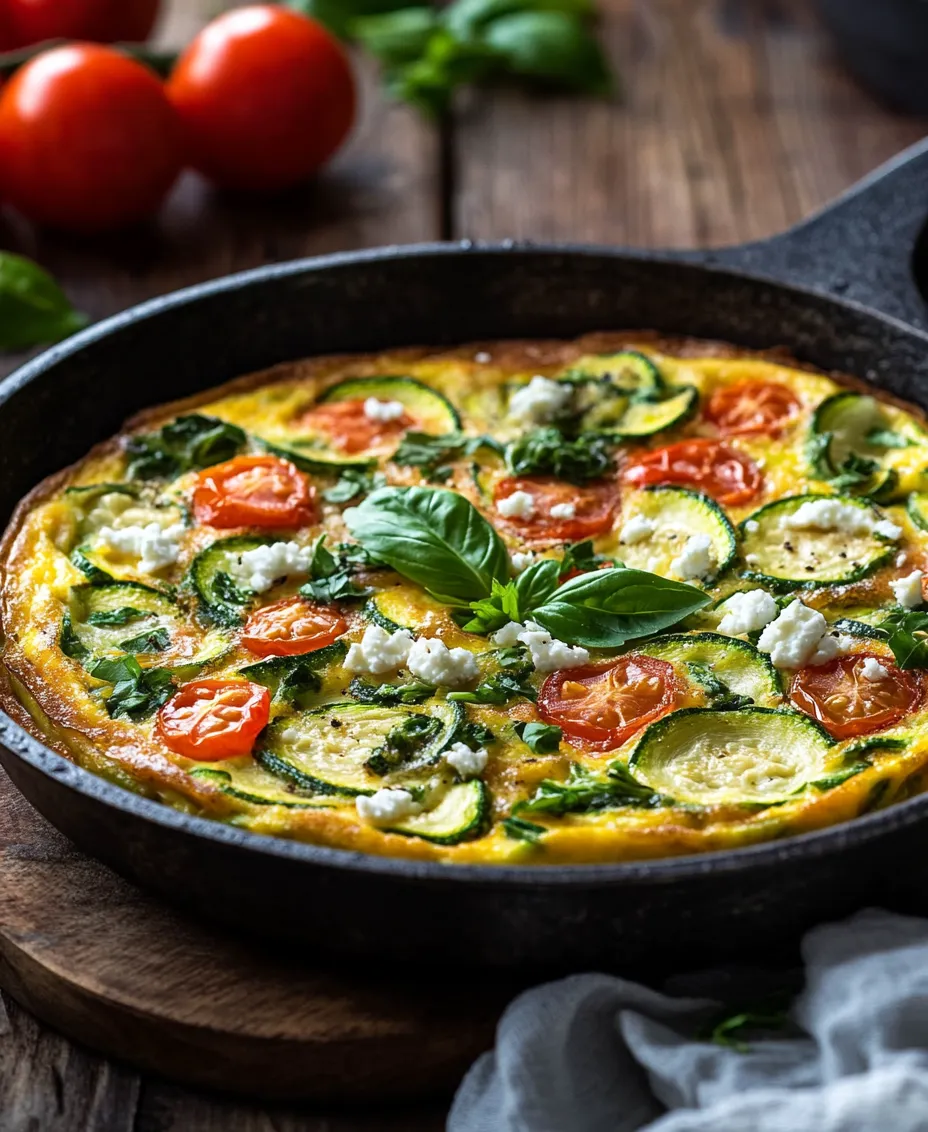
Incorporating feta cheese into your seasonal veggie frittata elevates not just the flavor but also the overall dining experience. Feta cheese brings a tangy, creamy, and slightly salty profile that beautifully complements the fresh vegetables and eggs. The crumbly texture of feta contrasts nicely with the fluffy frittata, providing bursts of flavor that enhance each bite.
When choosing feta, consider the variety available—from traditional Greek feta made from sheep’s milk to milder options crafted from cow’s milk. Each type offers a unique taste that can shift the flavor dynamics of your frittata. You can add feta cheese directly to the egg mixture for a more homogenized flavor or sprinkle it on top before baking for a more pronounced cheesy crust. Either way, the addition of feta not only enriches the dish but also adds a delightful creaminess that makes every forkful irresistible.
Step-by-Step Guide to Making a Seasonal Veggie Frittata
Preheating the Oven: Why It’s a Crucial Step
Before embarking on your frittata journey, preheating your oven to 375°F (190°C) is essential. This step ensures that the frittata cooks evenly and develops that perfect golden-brown top. A hot oven also helps the eggs set properly, preventing a rubbery texture and allowing the flavors to meld beautifully.
Sautéing Vegetables: Techniques for Perfect Texture and Flavor
The next step is sautéing your chosen seasonal vegetables. Start by heating a tablespoon of olive oil in an oven-safe skillet over medium heat. Add denser vegetables like bell peppers, zucchini, or onions first, as they take longer to cook. Sauté these for about 5-7 minutes until they soften and begin to caramelize, which enhances their natural sweetness.
Once the denser vegetables are tender, introduce quicker-cooking veggies such as spinach, kale, or cherry tomatoes. Sauté for an additional 2-3 minutes until just wilted. The goal here is to create a beautiful medley of flavors while retaining a slight crunch in your vegetables—this textural contrast will make your frittata even more enjoyable.
Preparing the Egg Mixture: Tips for Achieving the Right Consistency
While your vegetables are sautéing, it’s time to prepare the egg mixture. In a separate bowl, whisk together six large eggs, a pinch of salt, and freshly cracked black pepper. For added creaminess, consider including a splash of milk or cream—about 1/4 cup should do the trick. This will result in a light and airy frittata.
If you’re adding feta cheese, mix in about 1/2 cup of crumbled feta into the egg mixture. This ensures that the cheese is evenly distributed throughout the frittata, providing consistent flavor in every bite.
Combining Ingredients: How to Layer Flavors in the Skillet
Once your vegetables are ready and the egg mixture is prepared, it’s time to combine them. Pour the egg mixture directly over the sautéed vegetables in your skillet. Gently stir to ensure the veggies are evenly coated with the egg. If you prefer a more distinct layering, you can leave the vegetables on the bottom and pour the eggs over, allowing them to float above.
For an extra flavor boost, consider adding fresh herbs like chopped parsley, basil, or chives to the egg mixture. This will add an aromatic quality that brightens the overall dish.
Cooking on the Stovetop: Ensuring Even Cooking Before Baking
Before transferring your frittata to the oven, cook it on the stovetop over medium heat for about 5 minutes. This step allows the eggs to start setting around the edges while the center remains slightly runny. Gently shake the skillet to ensure nothing is sticking; this will help in achieving an even cook throughout.
Baking the Frittata: How to Know When It’s Done
After your stovetop cooking, transfer your skillet to the preheated oven. Bake for 15-20 minutes or until the frittata is puffed up and the center is set. You can test for doneness by inserting a knife or toothpick into the center—if it comes out clean, your frittata is ready.
Let it cool for a few minutes before slicing into wedges. This resting time allows the flavors to settle and makes for easier serving.
Serving Suggestions and Pairings
Ideas on How to Serve the Frittata: Breakfast, Brunch, or Light Dinner
The versatility of a seasonal veggie frittata makes it suitable for any meal of the day. Serve it warm with a side of mixed greens for a hearty breakfast, or pair it with crusty artisan bread and a fresh fruit salad for a delightful brunch. For dinner, consider serving the frittata alongside a light soup or a simple green salad to balance the richness of the dish.
Suggested Sides That Complement the Frittata Well
To create a well-rounded meal, consider pairing your frittata with the following sides:
– Mixed Green Salad: A simple salad of arugula, spinach, and cherry tomatoes drizzled with a light vinaigrette works beautifully.
– Roasted Potatoes: Crispy roasted potatoes seasoned with herbs offer a satisfying crunch that complements the soft frittata.
– Fruit Salad: A refreshing fruit salad can provide a sweet contrast to the savory frittata, making for a balanced meal.
Creative Ways to Garnish: Using Fresh Herbs and Other Toppings
Garnishing your frittata can elevate its visual appeal and flavor. Fresh herbs like chives, dill, or basil can be finely chopped and sprinkled on top just before serving. A dollop of Greek yogurt or a drizzle of balsamic reduction can add a touch of acidity and creaminess, enhancing the overall taste experience.
Storing and Reheating Leftovers
Best Practices for Storing Frittata Leftovers
If you find yourself with leftovers, storing them properly is essential to maintain flavor and texture. Allow the frittata to cool completely before wrapping it tightly in plastic wrap or transferring it to an airtight container. Refrigerated, your frittata will stay fresh for up to 3-4 days.
How to Reheat Frittata Without Losing Texture or Flavor
When it comes to reheating your frittata, the oven is your best friend. Preheat your oven to 350°F (175°C), and place the frittata on a baking sheet. Cover it loosely with aluminum foil to prevent the top from browning too quickly. Heat for about 10-15 minutes or until warmed through. Alternatively, you can reheat individual slices in a microwave for about 30-45 seconds, but keep in mind that this may alter the texture slightly.
Creative Ideas for Repurposing Leftovers into New Meals
If you want to get creative with your leftovers, consider repurposing sliced frittata into a breakfast sandwich. Place a slice between two pieces of whole-grain bread with some avocado and fresh greens for a delicious start to your day. Alternatively, crumbled frittata can be added to a salad for a protein boost or mixed into pasta for a quick and satisfying meal.
Conclusion
The seasonal veggie frittata is a healthy and versatile dish that allows you to incorporate your favorite vegetables while enjoying a protein-rich meal. It’s perfect for any time of day, whether you’re serving it for breakfast, brunch, or dinner. The beauty of this recipe lies in its adaptability; feel free to experiment with various seasonal vegetables and personal preferences to make it uniquely yours.
As you enjoy the simplicity and satisfaction of homemade dishes like the seasonal veggie frittata, remember that cooking is about creativity and personalization. Embrace the opportunity to explore different flavors, and don’t hesitate to try new ingredients. After all, the joy of cooking comes from experimenting and finding what brings you and your loved ones together around the table. Enjoy your culinary journey with this delightful frittata!