

About This Recipe
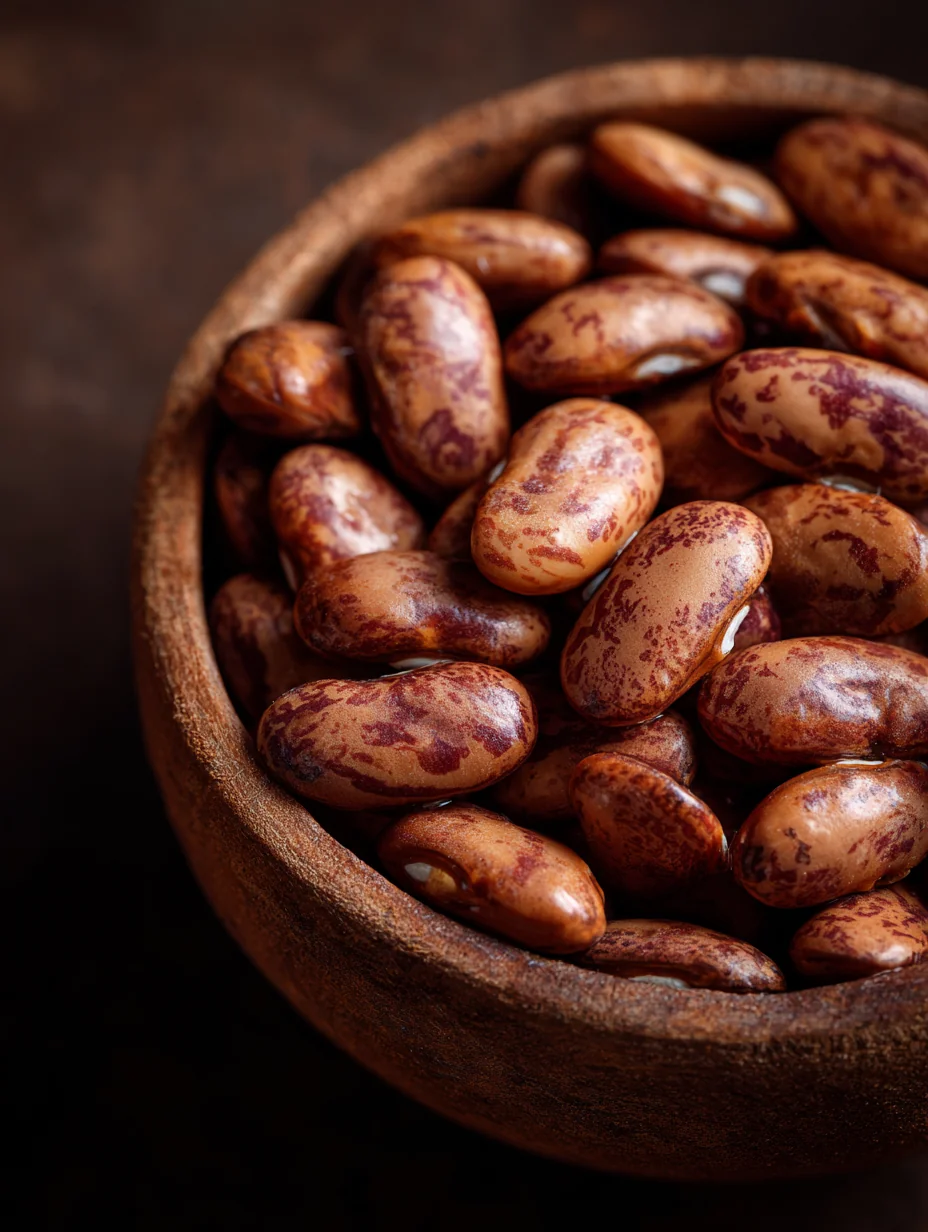
Authentic Mexican Charro Beans, or “Frijoles Charros,” are a staple of Mexican cuisine, celebrated for their comforting flavors and hearty texture. Traditionally, this dish originates from the rural cowboy culture of Mexico, where it was a popular choice among charros-Mexican horsemen known for their skills in ranching and livestock herding. The beans are often prepared at gatherings, making them a symbol of hospitality and community bonding.
Charro beans are more than just a side dish; they can easily serve as a main course, offering a satisfying and nutritious meal. The combination of tender beans with smoky bacon, fresh vegetables, and aromatic spices creates a symphony of flavors that resonates with the warmth of home-cooked meals. Whether served alongside tortillas, rice, or as a standalone dish, charro beans make for a delightful addition to any table, embodying the rich culinary history of Mexico.
Why You’ll Love This
This authentic Mexican Charro Beans recipe is beloved for several reasons. First and foremost, it delivers robust flavors that are both comforting and satisfying. The smoky undertones from the bacon, combined with the earthy notes of the beans, create a depth that is hard to resist. Additionally, this dish is incredibly easy to prepare, making it a perfect choice for beginner cooks and seasoned chefs alike.
Nutritious and hearty, charro beans are packed with protein and fiber, making them an excellent option for anyone looking to incorporate more whole foods into their diet. They can be served at family dinners, casual weeknight meals, or even at larger gatherings, as they tend to please a crowd. The versatility of charro beans allows you to enjoy them in various ways, whether as a side or a main dish, offering both comfort and satisfaction in every bite.
Ingredient Breakdown
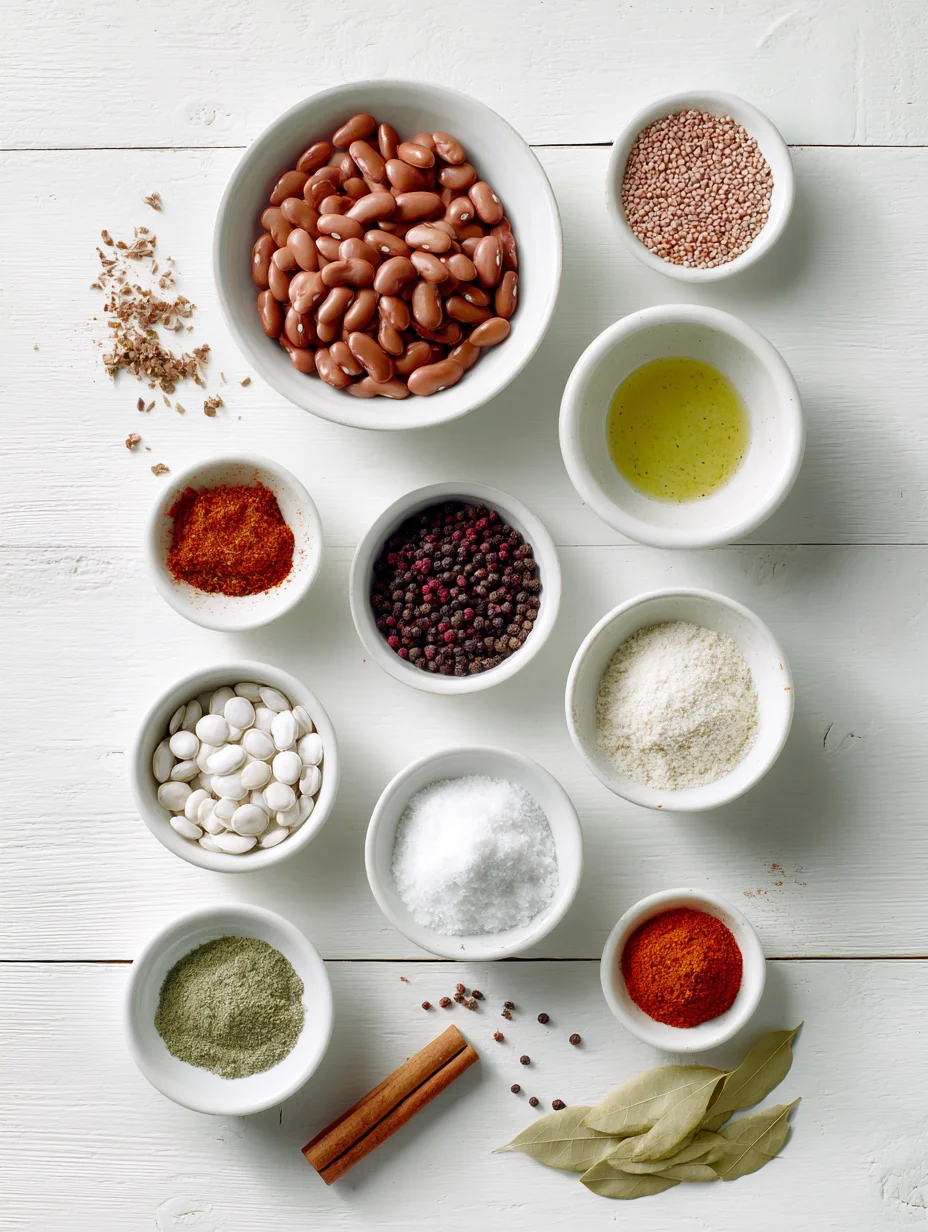
Understanding the ingredients is crucial for creating the perfect charro beans. Here’s a detailed breakdown of each component:
- Dried Pinto Beans: The foundation of this dish, pinto beans are known for their creamy texture and slightly nutty flavor. They absorb the flavors of the other ingredients well, making them ideal for stews and soups. Choosing high-quality dried beans is essential, as they provide the best results in terms of taste and texture.
- Bacon: Bacon adds a smoky and savory element to the dish. Its fat renders while cooking, infusing the beans with rich flavor. For those seeking a vegetarian or lighter alternative, turkey bacon or plant-based bacon can be used without sacrificing taste.
- Onion and Garlic: These aromatics are essential for building the flavor base of the dish. Onions provide sweetness and depth, while garlic adds a pungent, savory note. Together, they enhance the overall flavor profile of the charro beans.
- Jalapeño Peppers: Jalapeños contribute a spicy kick to the dish. You can easily adjust the heat level by removing the seeds and membranes, which hold most of the pepper’s heat. This allows you to tailor the spice according to your preference.
- Tomatoes: Fresh tomatoes bring acidity and brightness to the dish. They help balance the richness of the bacon and the earthiness of the beans. Using ripe, in-season tomatoes will yield the best flavor.
- Spices: A blend of cumin, oregano, smoked paprika, and black pepper creates a complex flavor profile. Cumin adds warmth, oregano brings a hint of earthiness, smoked paprika imparts a subtle smokiness, and black pepper offers just the right amount of bite.
- Cilantro and Lime: These ingredients are typically used as garnishes, adding freshness and brightness to the finished dish. Cilantro offers a herbaceous note, while lime juice brightens the flavors, making the dish more vibrant.
Step-by-step Preparation
Now that you have a good grasp of the ingredients, let’s dive into the preparation process for authentic Mexican Charro Beans.
Cooking the Beans
1. Soak the Beans: Begin by rinsing 1 pound of dried pinto beans under cold water to remove any debris. Place them in a large bowl and cover with ample water, allowing about 2 inches of water above the beans. Soak the beans overnight, or for at least 6-8 hours. This process is essential as it softens the beans and reduces cooking time, ensuring they become tender and creamy.
2. Drain and Rinse: After soaking, drain the beans and rinse them again under cold water. This helps remove any excess sodium and impurities.
3. Cook the Beans: In a large pot, add the soaked beans and cover them with fresh water. Bring the water to a boil, then reduce the heat to low. Cover the pot and simmer gently for about 1-1.5 hours, or until the beans are tender. Check occasionally and add more water if needed to keep the beans submerged.
Preparing the Flavor Base
4. Cook the Bacon: While the beans are cooking, heat a large skillet over medium heat and add 4-6 slices of bacon. Cook until the bacon is crispy, about 8-10 minutes. Once cooked, remove the bacon from the skillet and let it drain on paper towels. Reserve about 2 tablespoons of the bacon fat in the skillet for cooking the vegetables.
Sautéing the Vegetables
5. Sauté the Onions and Garlic: In the same skillet with the reserved bacon fat, add 1 diced onion and sauté for about 5-7 minutes, or until it becomes translucent and fragrant. Add 3-4 minced garlic cloves and sauté for an additional 1-2 minutes, until the garlic is fragrant but not browned.
Adding Tomatoes and Spices
6. Incorporate the Tomatoes: Next, add 2-3 diced fresh tomatoes to the skillet. Cook for about 5 minutes, allowing the tomatoes to soften and release their juices. This step is crucial for building a rich flavor base.
7. Add Spices: Sprinkle in 1 teaspoon of cumin, 1 teaspoon of dried oregano, 1 teaspoon of smoked paprika, and 1/2 teaspoon of black pepper. Stir well to combine, cooking for about 1-2 minutes to let the spices bloom and release their flavors.
Combining Ingredients
8. Combine Beans and Flavor Base: Once the beans are tender, drain them and add them to the skillet with the sautéed vegetables. Crumble the reserved bacon into the mixture and stir to combine everything evenly.
Final Simmer
9. Simmer Together: Pour in about 4 cups of the liquid from cooking the beans (or fresh water if necessary) to achieve your desired consistency. Bring the mixture to a gentle simmer. Allow the beans to cook for an additional 30 minutes, stirring occasionally. This final simmer is crucial for melding the flavors together and ensuring the beans are infused with all the deliciousness of the sautéed vegetables and spices.
By following these steps, you will create a hearty, flavorful dish that embodies the spirit of authentic Mexican Charro Beans. In the next part, we will delve into the preparation of each component in more detail, ensuring that even novice cooks can achieve the perfect charro beans.
Assembly & Serving Tips
Once your charro beans are cooked to perfection, it’s time to assemble and serve this delightful dish. Here are some tips to ensure that your charro beans look as good as they taste.
Ladling the Beans
When ladling the beans into bowls, consider using a slotted ladle to control the amount of broth that accompanies each serving. This allows for portion control, ensuring that each bowl has a generous amount of beans without becoming too soupy. Aim for a balance of beans and broth, creating a dish that is hearty yet not overly liquid.
Garnishing
A simple garnish can elevate the visual appeal of your charro beans. Fresh cilantro adds a vibrant green contrast, while a wedge of lime provides a pop of color and acidity. Consider finely chopping the cilantro and sprinkling it on top of the beans just before serving. Place a lime wedge on the side of each bowl for guests to squeeze over their serving, enhancing the flavors with a zesty kick.
Pairing Suggestions
Charro beans are versatile and can be enjoyed in various ways. They pair beautifully with fluffy white rice or warm corn tortillas, which can be used to scoop up the beans. For a complete meal, consider serving them alongside grilled meats, such as carne asada or chicken. To wash it all down, a refreshing Mexican beer, such as a crisp lager or a light pale ale, complements the dish wonderfully.
Presentation
The way you present your charro beans can make a significant impact on the overall dining experience. Here are some tips to elevate your presentation.
Bowl Selection
Choosing the right bowl for serving can enhance the visual appeal of your dish. Opt for rustic, earthenware bowls that reflect traditional Mexican craftsmanship. These bowls not only keep the beans warm but also add an authentic touch to your meal. If you prefer a more modern look, bright-colored ceramic bowls can also create a striking contrast against the deep brown of the beans.
Garnishing Techniques
Get creative with your garnishing techniques. In addition to cilantro and lime, consider adding diced avocado or crumbled queso fresco for added texture and flavor. A sprinkle of smoked paprika or chili powder can also add a vibrant hue to the dish. Layering these elements thoughtfully can create a visually stunning bowl that invites everyone to dig in.
Setting the Table
To create an inviting atmosphere that celebrates Mexican cuisine, consider a festive table setting. Use colorful table linens, traditional woven placemats, and vibrant dishware. Incorporate decorative elements like small cacti or flowers in terracotta pots to add to the ambiance. These details create a warm and welcoming environment that enhances the experience of enjoying charro beans with friends and family.
Variations
While the classic charro bean recipe is delicious in its own right, experimenting with variations can lead to exciting new flavors and textures. Here are some ideas for customizing your charro beans.
Vegetarian/Vegan Options
To make a vegetarian or vegan version of charro beans, simply omit the bacon and sausage. Instead, add extra vegetables such as diced bell peppers, zucchini, or corn for additional flavor and nutrition. You can also enhance the dish with smoked paprika or liquid smoke to replicate the smoky flavor that the meat would typically provide.
Spice Level Adjustments
If you prefer a milder dish, reduce the amount of jalapeño or omit it altogether. Alternatively, if you like heat, consider adding diced serrano peppers or a pinch of cayenne pepper for an extra kick. Adjust the spice level to your personal taste, ensuring that the balance of flavors is still harmonious.
Ingredient Swaps
Feel free to experiment with different types of beans. While pinto beans are traditional, black beans or even kidney beans can provide unique flavors and textures. Additionally, you can incorporate other vegetables like spinach or kale for added nutrients. The beauty of charro beans is their adaptability, allowing you to make them your own.
Storage
Proper storage is essential for preserving the flavor and quality of your charro beans. Here’s how to store leftovers effectively.
Refrigeration
If you have leftovers, allow the charro beans to cool to room temperature before transferring them to an airtight container. In the refrigerator, charro beans should last for up to 4-5 days. To reheat, simply place them in a saucepan over medium heat, adding a splash of water or broth to maintain the desired consistency.
Freezing
Charro beans freeze well, making them a convenient option for meal prep. To freeze, portion out the beans into freezer-safe containers or bags, leaving some space for expansion. They can be stored in the freezer for up to 3 months. When you’re ready to enjoy them again, thaw in the refrigerator overnight and reheat on the stovetop, adding a bit of liquid as needed to restore the creamy texture.
FAQ
Can I use canned beans instead of dried?
Yes, you can use canned beans for convenience. If opting for canned beans, choose low-sodium varieties and rinse them well before adding them to the recipe. This will help reduce the sodium content and maintain the flavor of your dish.
How can I make this dish spicier?
To increase the heat, consider adding more jalapeños, diced serrano peppers, or even a dash of hot sauce. Adjust the spice level to your preference, keeping in mind that the heat can intensify as the dish cooks.
What if I don’t have all the spices?
While traditional spices enhance the flavor of charro beans, you can substitute with what you have on hand. For example, if you lack cumin, try using coriander or a dash of chili powder. The key is to maintain a balance of flavors, so taste as you go.
Can I add other ingredients, like corn or bell peppers?
Absolutely! Adding corn or bell peppers can enhance the flavor profile and add texture to the dish. Feel free to get creative with additional vegetables, keeping in mind how they complement the overall flavors.
What are some traditional ways to serve charro beans?
Charro beans are often served as a side dish alongside grilled meats, tacos, or as part of a larger Mexican feast. They can also be enjoyed on their own as a hearty, filling meal, often accompanied by tortillas and avocado slices.
Conclusion
Preparing authentic Mexican charro beans is not just about following a recipe; it’s about embracing the flavors and traditions of Mexican cuisine. From assembling and presenting your dish to exploring variations and storage tips, each step contributes to a delightful culinary experience. We encourage you to try this recipe, experiment with your own modifications, and share your creations with loved ones. The joy of cooking is amplified when we gather around the table, enjoying flavors that unite us and create lasting memories. Happy cooking!