

About This Recipe
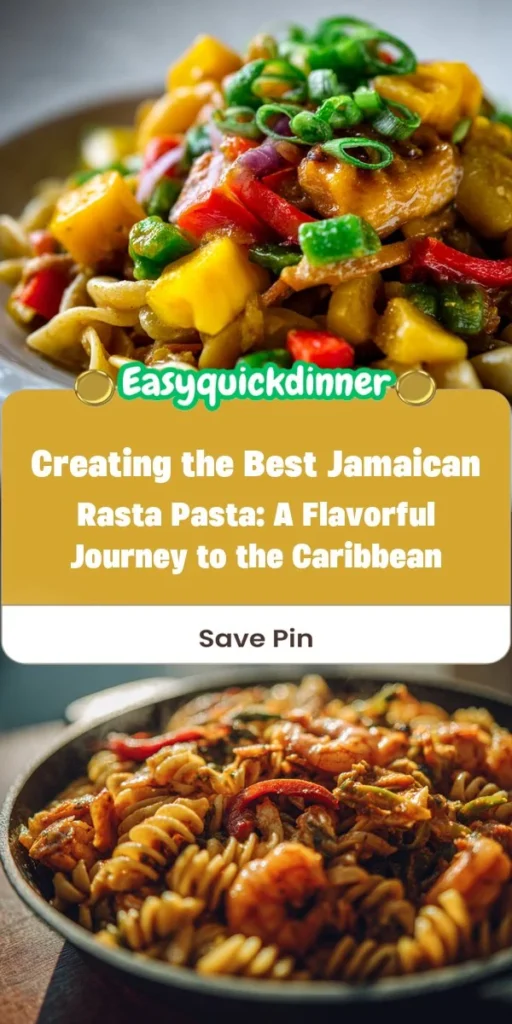
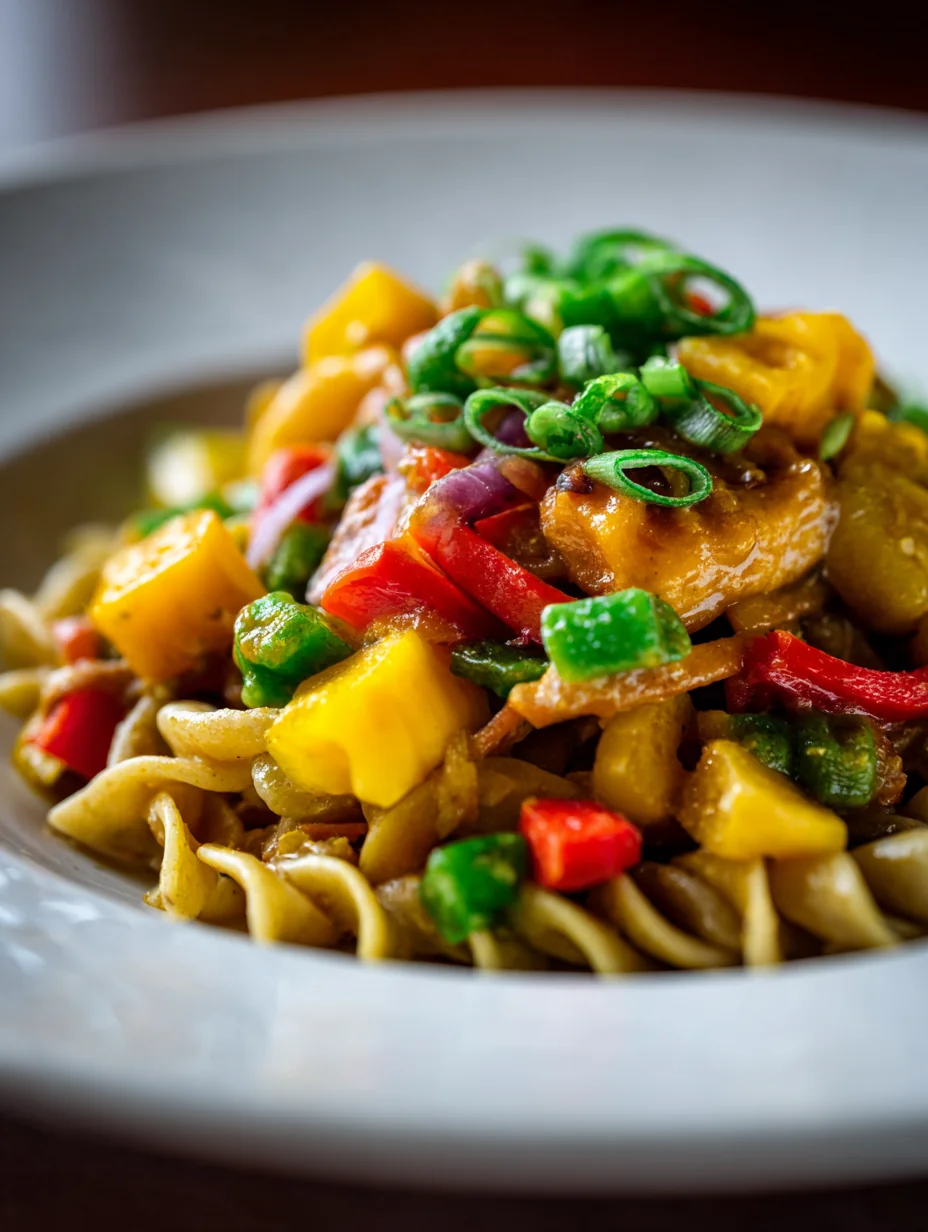
Jamaican Rasta Pasta is a vibrant and flavorful dish that beautifully encapsulates the essence of Caribbean cuisine. Originating from the colorful and lively culture of Jamaica, this pasta dish harmoniously blends Italian culinary techniques with the bold flavors typical of Jamaican cooking. The name “Rasta” pays homage to the Rastafarian movement, which emphasizes a connection to Afro-Caribbean roots, and the dish itself reflects the island’s rich heritage through its use of fresh, local ingredients and spices.
This recipe is not just a meal; it’s a celebration of life and community. Jamaican Rasta Pasta is often enjoyed at family gatherings, festive occasions, and casual dinners alike, making it a versatile addition to your culinary repertoire. Whether you are entertaining guests or simply enjoying a cozy night in, this dish brings a taste of the Caribbean to your table.
Why You’ll Love This
There are many reasons to fall in love with Jamaican Rasta Pasta. First and foremost, it is incredibly quick and easy to prepare – perfect for busy weeknights or spontaneous gatherings. The combination of fresh vegetables not only adds a delightful crunch but also bursts with color, making the dish visually appealing.
The creamy coconut milk sauce is a standout feature of this recipe. It imparts a rich, tropical flavor that sets it apart from traditional pasta dishes, while the Jamaican jerk seasoning introduces an exciting kick that awakens your taste buds. This dish is wonderfully adaptable, appealing to both vegetarians and meat lovers alike, as you can easily add protein like chicken or shrimp if desired.
Furthermore, the vibrant ingredients and spices come together to create an explosion of flavor that is both satisfying and comforting. With every bite, you’ll feel as though you’ve been transported to the sun-soaked beaches of Jamaica.
Ingredient Breakdown
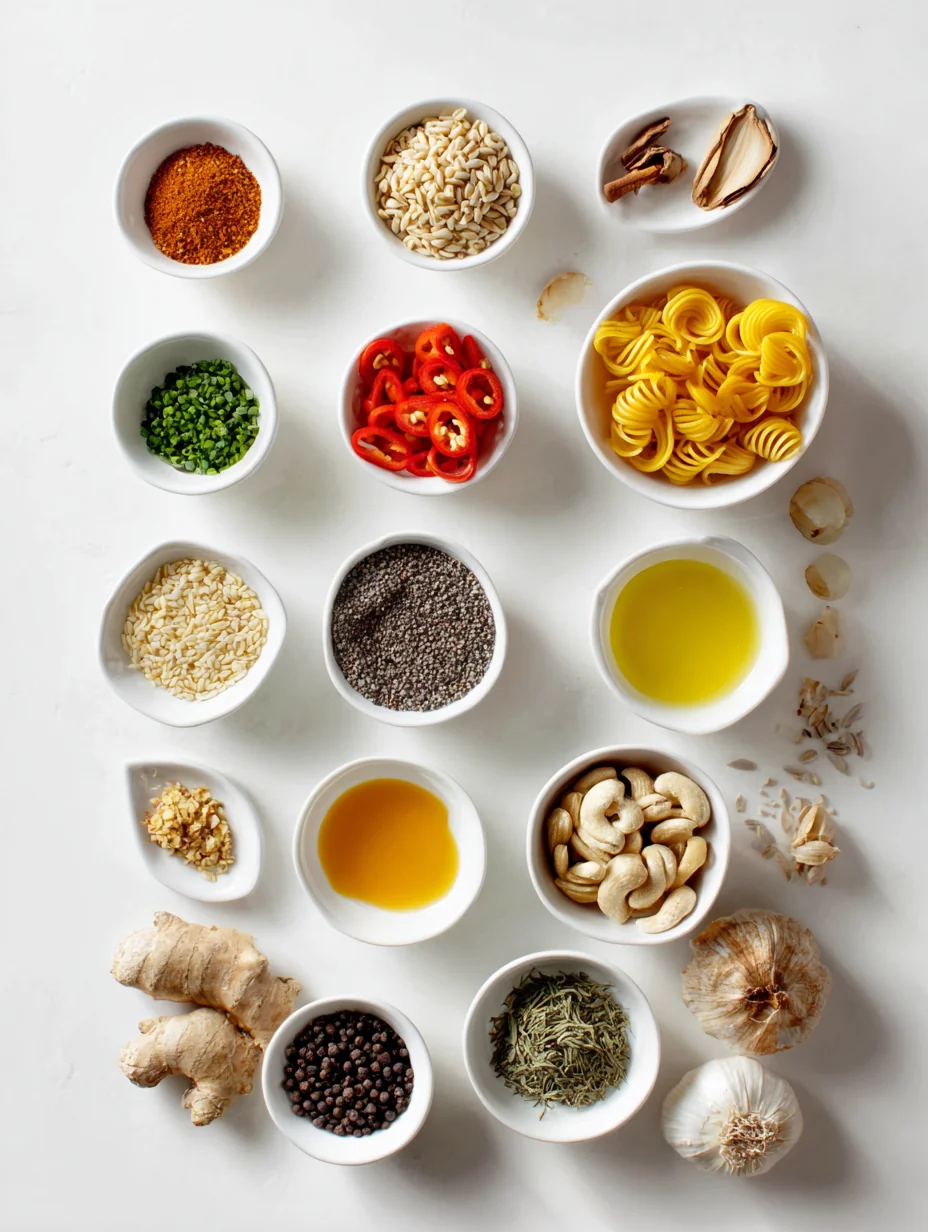
To achieve the perfect Jamaican Rasta Pasta, it’s essential to understand the role of each ingredient. Here’s a breakdown of what you’ll need and why each component is crucial to the dish.
Pasta Selection:
For this recipe, fusilli or penne pasta are ideal choices. Both types have ridges and curves that hold onto the creamy sauce and the vegetables, ensuring you capture a burst of flavor in every bite. Fusilli’s spiral shape adds a fun twist, while penne’s tubular form makes it easy to mix with the sauce.
Olive Oil:
Olive oil is a staple in cooking, and in this dish, it serves two primary functions. First, it’s used for sautéing the aromatics and vegetables, helping to release their natural flavors. Second, it adds a subtle richness that complements the other ingredients.
Aromatics:
Onion and garlic are foundational elements in many cuisines, and they play a crucial role in building flavor in Jamaican Rasta Pasta. Sautéing onions until they become translucent adds sweetness and depth, while garlic infuses the dish with its distinctive aroma and flavor.
Bell Pepper and Zucchini:
These vegetables contribute not only to the dish’s vibrant color palette but also to its texture. Bell peppers provide a crisp bite and a slight sweetness, while zucchini adds a tender, juicy element that balances the other ingredients. Together, they create a medley of flavors that enhance the overall experience.
Cherry Tomatoes:
Cherry tomatoes are a fantastic addition for their natural sweetness and juiciness. When cooked, they burst, releasing their juices and creating a light sauce that beautifully complements the coconut milk. Their bright red color also adds visual appeal to the dish.
Coconut Milk:
Coconut milk is the star of the sauce, providing a creamy texture and a tropical flavor that is essential to Jamaican cuisine. It adds richness to the dish while also balancing the heat from the jerk seasoning. Opt for full-fat coconut milk for the best creaminess.
Jamaican Jerk Seasoning:
Jerk seasoning is a quintessential component of Jamaican cooking, traditionally made from a blend of spices, herbs, and peppers. It typically includes ingredients like allspice, thyme, cinnamon, scallions, and Scotch bonnet peppers, delivering a complex flavor profile that ranges from spicy to aromatic. This seasoning infuses the pasta with a delightful kick and depth that elevates the entire dish.
Optional Ingredients:
For those looking to add an extra layer of richness, Parmesan cheese can be sprinkled on top before serving. Additionally, garnishes like fresh cilantro or parsley and lime wedges can provide a burst of freshness that brightens the flavors of the dish.
Step-by-step Preparation
Now that you have a clear understanding of the ingredients, let’s dive into the initial steps of preparing Jamaican Rasta Pasta.
Cooking the Pasta:
Start by bringing a large pot of salted water to a boil. The salt enhances the flavor of the pasta as it cooks. Once the water is boiling, add your chosen pasta (fusilli or penne) and cook according to the package instructions until al dente. This usually means cooking it for about 1 to 2 minutes less than the suggested time. Be sure to reserve about a cup of pasta water before draining, as this starchy water can be used later to adjust the sauce’s consistency.
Sautéing Aromatics:
While the pasta is cooking, heat a generous drizzle of olive oil in a large skillet over medium heat. Once the oil is shimmering, add diced onion and sauté for about 2-3 minutes until the onion becomes translucent. Then, add minced garlic and continue to sauté for another 30 seconds to a minute, stirring occasionally. This step is crucial for developing a rich, aromatic base for your pasta.
Adding Vegetables:
Next, it’s time to incorporate the bell pepper and zucchini. Add these vegetables to the skillet and sauté for about 4-5 minutes until they start to soften but still retain some crunch. The key is to add them at this stage to ensure they cook evenly and don’t become mushy.
Making the Sauce:
Once the vegetables are tender, pour in the coconut milk and stir to combine. Add the Jamaican jerk seasoning, starting with a smaller amount and adjusting to your preferred level of heat. The coconut milk will help mellow out the spices while still allowing their flavors to shine through. If the sauce appears too thick, you can add a splash of the reserved pasta water to achieve your desired consistency.
Combining Ingredients:
Once the pasta is cooked and drained, add it directly to the skillet with the sauce and vegetables. Toss everything together gently to ensure the pasta is evenly coated with the creamy sauce. If you’re using Parmesan cheese, add it at this stage, allowing it to melt slightly into the dish for added richness.
Serving:
To finish, taste the Rasta Pasta and adjust the seasoning if necessary. Serve hot, garnished with fresh cilantro or parsley and lime wedges for an extra pop of flavor. The bright colors and enticing aroma will surely impress your guests and family alike.
Component Preparation
Prepping Vegetables:
To maximize flavor and presentation, it’s important to properly prepare your vegetables. Start by dicing the onion into small, uniform pieces to ensure even cooking. Mince the garlic finely so that it melds seamlessly into the dish. For the bell pepper, remove the seeds and stem, and slice it into thin strips. Zucchini should be sliced into half-moons or rounds, depending on your preference – just aim for uniform thickness for even cooking. Lastly, halve the cherry tomatoes, ready to burst with their sweet juices.
Making Homemade Jerk Seasoning:
For those interested in making their own jerk seasoning, combine spices such as allspice, thyme, paprika, garlic powder, onion powder, cayenne pepper, and black pepper in a small bowl. Adjust the proportions to your taste, adding more heat with cayenne or balancing it with additional herbs. This homemade version allows you to customize the flavor profile to your liking.
Now that you have all the components ready, you’re well on your way to creating a stunning Jamaican Rasta Pasta that brings the flavors of the Caribbean to your kitchen. Stay tuned for the next sections where we will dive deeper into advanced techniques and variations of this beloved dish!
Assembly & Serving Tips
Once your Jamaican Rasta Pasta is cooked and the vibrant sauce is prepared, it’s time to assemble and serve this delightful dish. The presentation is key to highlighting the colorful ingredients and making the meal visually appealing.
Presentation Techniques
To plate your Rasta Pasta attractively, consider layering the pasta and sauce. Start with a generous scoop of the pasta on the plate, then ladle the sauce over the top, allowing it to cascade down the sides. This not only adds height but also showcases the beautiful colors of the dish. You can also twirl a portion of the pasta with a fork and let it fall onto the plate for a more elegant presentation.
Garnishing
Garnishing enhances the dish’s visual appeal and adds an extra layer of flavor. Fresh cilantro or parsley can be finely chopped and sprinkled over the pasta for a burst of color and freshness. Additionally, serving lime wedges on the side allows diners to squeeze fresh juice over their pasta, brightening the dish with zesty acidity.
Serving Suggestions
To complement the rich flavors of the Rasta Pasta, consider pairing it with a light salad-perhaps a simple green salad with a citrus vinaigrette-or some crusty bread to soak up any remaining sauce. A chilled glass of white wine or a fruity mocktail can also elevate the dining experience.
Presentation
Visual Appeal
One of the highlights of Jamaican Rasta Pasta is its vibrant colors-from the bright golden-yellow of the pasta to the vivid greens of the vegetables and the rich red of the sauce. To enhance this visual appeal, consider adding extra garnishes like sliced bell peppers or cherry tomatoes around the plate. These not only add color but also a hint of freshness.
Photography Tips
If you’re looking to capture this dish beautifully for social media or personal records, natural lighting is your best friend. Place the dish near a window or in a well-lit area to ensure the colors pop. Use a shallow depth of field to focus on the pasta while softly blurring the background. A top-down shot can also work well, especially if you include garnishes and side dishes in the frame.
Variations
Protein Additions
For those looking to increase the protein content of the dish, consider adding grilled chicken, shrimp, or tofu. Simply grill or sauté your protein of choice and mix it in just before serving. This not only adds nutritional value but also depth to the flavor profile.
Vegetable Swaps
Feel free to get creative with your vegetable choices based on seasonal availability or personal preferences. Zucchini, mushrooms, or even roasted sweet potatoes can make excellent additions or substitutes. Just ensure that any vegetables you choose are chopped into similar-sized pieces to ensure even cooking.
Spice Level
The spice level of Jamaican Rasta Pasta can be adjusted to suit your taste. If you’re sensitive to heat, consider starting with a milder jerk seasoning or adding it gradually. For those who enjoy a kick, fresh chilies can be sliced and tossed into the sauce or served alongside the dish.
Gluten-Free Options
For a gluten-free version of this dish, substitute regular pasta with gluten-free alternatives made from rice or quinoa. These options maintain the essence of the dish without compromising on flavor or texture.
Storage
Refrigeration Tips
If you have leftovers, store them in an airtight container in the refrigerator. This will keep the pasta fresh for about 3 to 5 days. Ensure that the pasta and sauce are mixed well before storing to prevent any drying out.
Reheating Instructions
To reheat your Rasta Pasta, you can use the microwave or a stovetop. If using a microwave, place the pasta in a microwave-safe dish, cover it loosely, and heat in short bursts, stirring in between to ensure even heating. For stovetop reheating, gently warm the pasta in a pan over low heat, adding a splash of water or broth to revive the sauce.
Freezing Advice
While Rasta Pasta is best enjoyed fresh, it can be frozen for later enjoyment. To freeze, place the cooled pasta and sauce in a freezer-safe container, ensuring there’s no excess air. It can be stored for up to 3 months. When ready to eat, thaw overnight in the refrigerator and reheat as described above.
FAQ
Can I make this recipe vegan?
Absolutely! To make Jamaican Rasta Pasta vegan, simply omit any cheese or substitute it with a vegan cheese alternative. Additionally, ensure that your jerk seasoning is free from non-vegan ingredients.
How spicy is Jamaican jerk seasoning?
Jamaican jerk seasoning can vary in heat, but it generally has a moderate to high spice level. If you’re unsure, start with a small amount and taste as you go. You can always add more if you like it spicier!
What can I serve with Jamaican Rasta Pasta?
This dish pairs wonderfully with a light side salad, garlic bread, or even some roasted vegetables. For a tropical twist, consider serving it with a side of mango salsa.
Is this dish suitable for meal prep?
Yes! Jamaican Rasta Pasta holds up well for meal prep. It can be stored in individual containers, making it easy to grab and go for lunches or dinners throughout the week.
Conclusion
Jamaican Rasta Pasta is a delightful journey into the vibrant flavors of the Caribbean, offering a delicious, colorful, and satisfying meal that is surprisingly easy to prepare. With its rich sauce, fresh vegetables, and the option to customize to your taste, this dish invites you to experiment and make it your own. Whether you’re cooking for family, friends, or just treating yourself, this recipe promises to transport you to a sunny island paradise with every bite. Enjoy the process, savor the flavors, and relish the experience of bringing a taste of Jamaica into your kitchen!