

About This Recipe
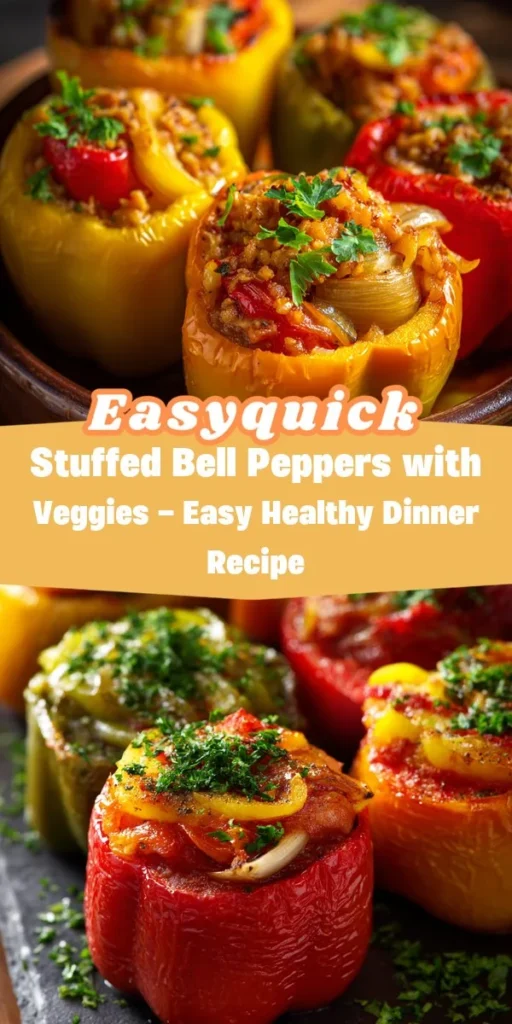
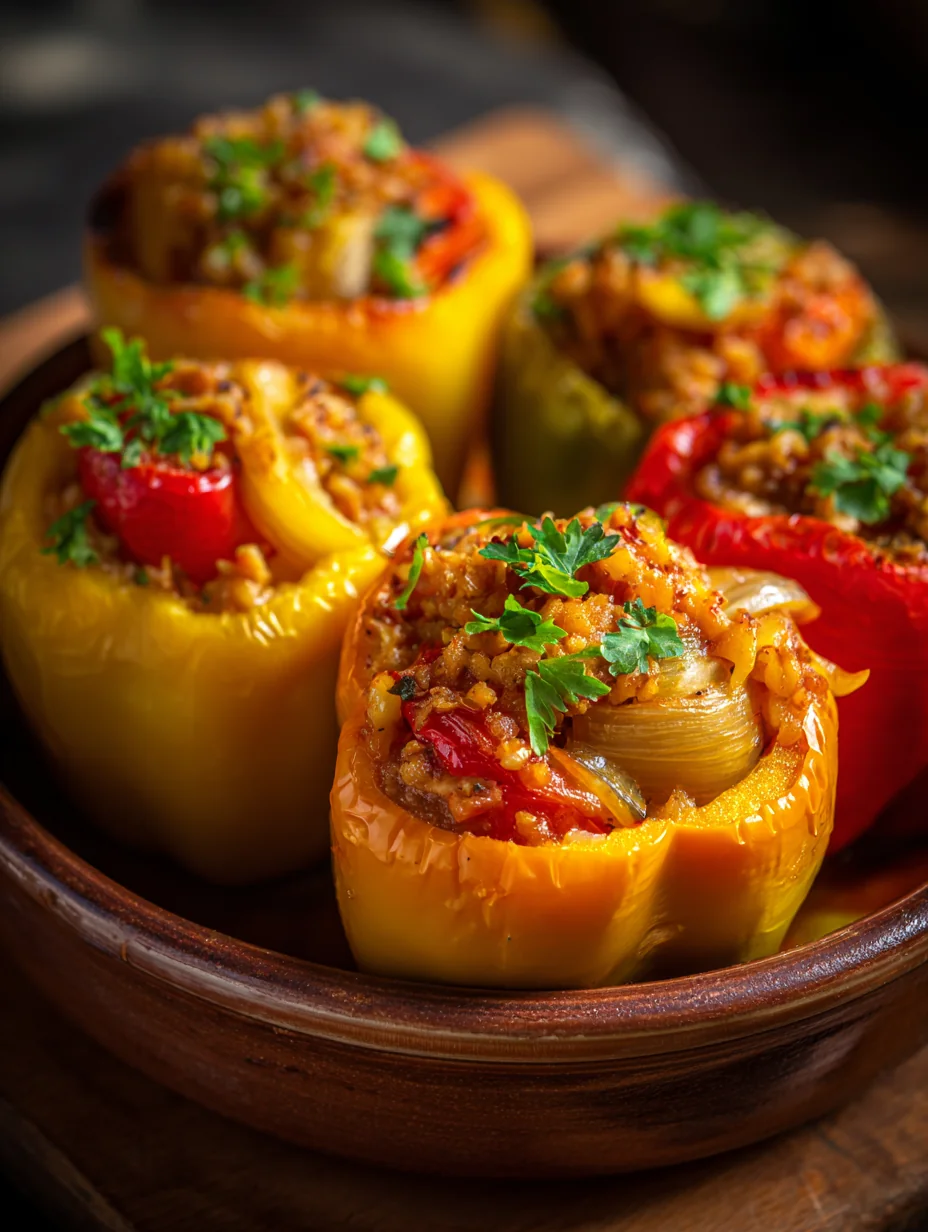
Colorful Veggie Delight Stuffed Peppers are a feast for both the eyes and the palate. This vibrant dish features an array of colorful vegetables, creating a nutritious and flavorful meal that’s as appealing to look at as it is to eat. Stuffed peppers can be adapted to fit various dietary preferences, making them a fantastic option for vegetarians or those looking for gluten-free meals. Not only can these stuffed peppers serve as a hearty main course, but they can also be enjoyed as a delightful side dish at gatherings or family dinners.
Why You’ll Love This
The appeal of Colorful Veggie Delight Stuffed Peppers lies in their rich flavors and health benefits. Packed with nutrients from a variety of vegetables, this dish is an excellent way to incorporate more produce into your diet. The combination of textures and flavors-from the sweetness of the bell peppers to the savory filling-makes each bite a delightful experience.
Additionally, these stuffed peppers can be customized to suit individual tastes. Feel free to mix and match vegetables or add your favorite spices to create your perfect version. The preparation is straightforward, making it an ideal recipe for beginner cooks. Plus, cooking together as a family can be a rewarding experience, turning meal prep into quality time spent together.
Ingredient Breakdown
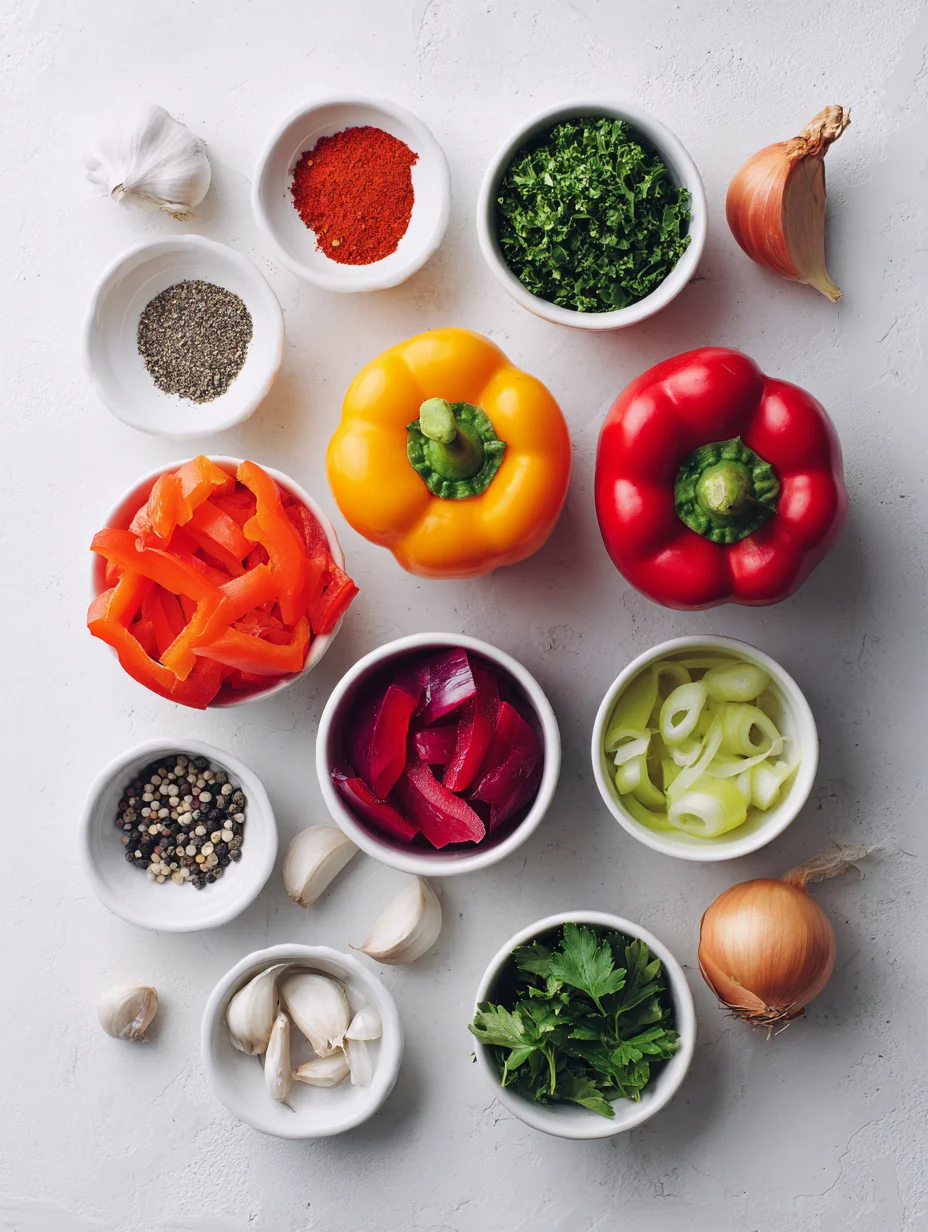
Understanding the ingredients in your recipe is essential, especially for beginner cooks. Below is a detailed breakdown of each component used in Colorful Veggie Delight Stuffed Peppers.
- Bell Peppers: These colorful vegetables are not only visually appealing but also rich in vitamins A and C, potassium, and fiber. They provide a sweet, slightly crunchy texture and act as the perfect edible container for the filling. When selecting bell peppers, look for vibrant colors and firm skin to ensure freshness.
- Quinoa or Brown Rice: Both options are excellent choices for the base of your filling. Quinoa is a protein-rich grain that contains all nine essential amino acids, making it a complete protein. It is also gluten-free and high in fiber. Brown rice, on the other hand, is a whole grain that provides a heartier texture and is rich in B vitamins and minerals. It’s slightly less protein-dense than quinoa but is still a healthy choice.
- Black Beans: These legumes are packed with protein and fiber, making them a filling addition to the stuffed peppers. They also contribute a creamy texture and earthy flavor that complements the other ingredients beautifully. Canned black beans can save time, but rinsing them before use helps remove excess sodium.
- Corn: Sweet corn adds a burst of flavor and a pleasant crunch to the filling. It pairs well with the other ingredients and enhances the overall taste profile of the dish. Fresh corn is delightful when in season, but frozen or canned options work just as well for convenience.
- Zucchini: With its mild flavor, zucchini absorbs the spices and seasonings while adding moisture to the filling. It’s low in calories but high in vitamins and minerals, making it a healthy addition to the dish. When preparing zucchini, be sure to chop it into small pieces for even cooking.
- Onion and Garlic: These aromatics are essential for building flavor in any dish. Onions add sweetness and depth, while garlic contributes a savory, pungent taste that elevates the overall flavor profile. Sautéing these ingredients until they are translucent enhances their natural sweetness.
- Spices: The combination of spices like cumin, smoked paprika, and chili powder adds depth and warmth to the filling. Cumin provides an earthy flavor, smoked paprika adds a hint of smokiness, and chili powder gives a slight kick. Adjust the spice levels according to your taste preference to find the perfect balance.
- Tomatoes: Fresh or canned tomatoes add moisture and a slight acidity that balances the dish. They also contribute vitamins C and K, as well as antioxidants. If using canned tomatoes, opt for diced or crushed varieties to make mixing easier.
- Cheese: Cheese adds creaminess and richness, transforming the stuffed peppers into a comforting meal. Options like shredded cheddar, Monterey Jack, or mozzarella are popular choices. For a dairy-free alternative, consider using a plant-based cheese or nutritional yeast, which offers a cheesy flavor without dairy.
- Herbs and Garnishes: Fresh herbs like cilantro or parsley can brighten the dish and add a burst of flavor. They serve as a colorful garnish, making your stuffed peppers even more appealing. Feel free to experiment with different herbs based on your preferences.
Step-by-step Preparation
Now that you understand the ingredients, let’s dive into the preparation process for your Colorful Veggie Delight Stuffed Peppers.
1. Preheat the Oven: Start by preheating your oven to 375 degreesF (190 degreesC). This will ensure that your stuffed peppers cook evenly and thoroughly once they are ready to be baked.
2. Prepare the Peppers: While the oven is heating, wash the bell peppers thoroughly to remove any dirt. Carefully slice the tops off each pepper and remove the seeds and membranes inside. You want to create a hollow space for the filling without damaging the walls of the pepper. Set the prepared peppers aside, cut side up, in a baking dish.
3. Sauté the Vegetables: In a large skillet, heat a tablespoon of olive oil over medium heat. Add diced onions and minced garlic, sautéing until they become soft and fragrant, about 3-4 minutes. Then, incorporate the zucchini and corn, cooking for an additional 3-4 minutes until the zucchini is tender. This step is crucial for developing the flavors of your filling.
4. Mix the Filling: In a large mixing bowl, combine the sautéed vegetable mixture with cooked quinoa or brown rice, black beans, diced tomatoes, and your chosen spices. Mix everything together thoroughly, ensuring that the spices are evenly distributed. Taste the mixture and adjust the seasoning if needed, adding salt or pepper for extra flavor.
5. Stuff the Peppers: Using a spoon, carefully fill each bell pepper with the vegetable and grain mixture. Be careful not to overfill, as the filling may expand during cooking. Leave a little space at the top of each pepper to allow for any bubbling or expansion.
6. Bake: Pour a small amount of water into the bottom of the baking dish to help steam the peppers during cooking. Cover the dish with aluminum foil and bake for 25-30 minutes. This initial baking stage allows the peppers to soften. After this time, remove the foil and sprinkle cheese on top if desired. Return to the oven and bake for an additional 10-15 minutes, or until the cheese is melted and bubbly, and the peppers are tender.
By following these steps, you’ll create a delicious and colorful dish that is sure to impress. Stay tuned for the next part, where we will explore tips for perfecting each component of this delightful recipe!
Cooking Quinoa or Rice
To create a satisfying base for your Colorful Veggie Delight Stuffed Peppers, mastering the art of cooking quinoa or brown rice is essential.
Cooking Quinoa:
1. Rinse 1 cup of quinoa under cold water for about 2 minutes to remove its natural coating, called saponin, which can impart a bitter taste.
2. In a medium saucepan, combine the rinsed quinoa with 2 cups of water or vegetable broth for added flavor.
3. Bring to a boil, then reduce the heat to low, cover, and simmer for about 15 minutes or until the quinoa is fluffy and the liquid is absorbed. Remove from heat and let it sit covered for 5 minutes before fluffing with a fork.
Cooking Brown Rice:
1. Rinse 1 cup of brown rice to wash away any dust or impurities.
2. In a saucepan, combine the rinsed rice with 2 1/2 cups of water.
3. Bring to a boil, then reduce heat to low, cover, and simmer for about 45-50 minutes or until the rice is tender and water is absorbed. Allow it to rest, covered, for 10 minutes before fluffing with a fork.
Both options provide a nutritious, hearty foundation for your stuffed peppers.
Rinsing Black Beans
When using canned black beans, rinsing is crucial. Rinsing helps remove excess sodium and the thick, starchy liquid that can affect the texture and flavor of your filling. To rinse properly, simply pour the cans of beans into a colander and rinse under cold running water for about 30 seconds. This step not only improves the taste but also ensures a cleaner, healthier dish.
Dicing Vegetables
Efficiently dicing zucchini and onion can save time and ensure uniform cooking.
For Zucchini:
1. Trim off the ends, then cut the zucchini in half lengthwise.
2. Place the halves flat side down and slice them into 1/4-inch thick half-moons.
3. Stack a few half-moons and slice them into strips, then turn and chop into cubes.
For Onion:
1. Cut off the top and root ends of the onion and peel off the outer layer.
2. Halve the onion from top to bottom.
3. Place the flat side down, then make several vertical cuts, followed by horizontal cuts, to create small, uniform pieces.
These techniques not only enhance presentation but also ensure even cooking throughout your stuffed peppers.
Cheese Options
Cheese can elevate your stuffed peppers, adding richness and flavor. Here are some popular choices:
- Cheddar Cheese: Sharp cheddar offers a bold flavor that pairs well with the spices.
- Monterey Jack: This cheese melts beautifully and has a mild flavor, making it a great choice for those who prefer a subtler taste.
- Feta Cheese: For a tangy twist, crumbled feta adds a delightful contrast to the sweetness of the peppers.
- Dairy-Free Alternatives: For those with dietary restrictions, options like cashew cheese or almond-based cheese can provide creaminess without the dairy.
Assembly & Serving Tips
Layering the Filling: When assembling your stuffed peppers, start with a layer of the quinoa or rice at the bottom, followed by a mix of beans, vegetables, and spices. This layering method ensures that flavors meld beautifully and the filling remains moist.
Cheese Distribution: To achieve an even melt, sprinkle cheese generously over the top of each stuffed pepper. You can also mix some cheese into the filling for added creaminess.
Serving Suggestions: Pair your stuffed peppers with a fresh side salad, roasted vegetables, or a light grain dish like quinoa salad. These complementary sides will enhance the meal and provide a variety of textures.
Plating Techniques: Consider using a large, shallow dish to showcase the colorful peppers. Place a bed of greens or a colorful salsa at the bottom of the plate before adding the stuffed peppers for a vibrant presentation.
Presentation
Garnishing: Fresh herbs such as cilantro or parsley not only add a pop of color but also enhance the flavor. Sprinkle chopped herbs over the top just before serving.
Serving Plates: Opt for white or neutral-colored plates to allow the vibrant colors of the stuffed peppers to stand out. Alternatively, use colorful dishes that complement the peppers’ hues.
Color Contrast: Arrange the stuffed peppers in a way that showcases their colors. For example, alternating red, yellow, and green peppers creates a visually appealing display that invites diners to dig in.
Variations
Protein Additions: For those wanting to add protein, consider mixing in cooked chicken, turkey, or tofu. These options can be diced and sautéed with the vegetables for a hearty filling.
Vegetable Swaps: Feel free to customize your filling based on what you have on hand. Seasonal vegetables like corn, spinach, or bell peppers can easily replace zucchini or onions.
Spice Levels: Adjust the heat according to your preference. Add diced jalapeños or a splash of hot sauce to amp up the spiciness. For a milder version, stick with bell peppers and avoid spicy seasonings.
Grain Alternatives: If quinoa or brown rice isn’t your preference, consider using farro, couscous, or even cauliflower rice for a lower-carb option.
Storage Guidelines
Refrigeration Tips: Store any leftover stuffed peppers in an airtight container in the refrigerator for up to 4 days. Ensure they are cooled to room temperature before sealing to prevent moisture buildup.
Freezing Instructions: For longer storage, freeze the stuffed peppers. Wrap each pepper tightly in plastic wrap, then place them in a freezer-safe bag or container. They can be frozen for up to 3 months. To reheat, thaw in the refrigerator overnight, then bake in the oven at 350 degreesF (175 degreesC) until heated through.
FAQ
Can I make stuffed peppers ahead of time?
Yes, you can prepare the filling in advance and stuff the peppers a few hours before baking. Store the assembled peppers in the refrigerator until ready to bake.
What type of peppers are best for stuffing?
Bell peppers are the most common choice due to their size and sweetness, but you can also use poblano or Anaheim peppers for a different flavor profile.
Can I grill stuffed peppers?
Absolutely! Grilling stuffed peppers adds a smoky flavor. Just prepare them as usual and place them on the grill over indirect heat until the peppers are tender.
How do I know when the stuffed peppers are done?
The peppers should be tender when pierced with a fork, and the cheese on top should be melted and bubbly.
With these detailed instructions and tips, you’ll be well-equipped to create delicious, colorful veggie delight stuffed peppers that are not only visually appealing but also packed with flavor and nutrients. Enjoy crafting this delightful dish that is sure to impress your family and friends!