Follow Me On Pinterest!


Staring at a fridge full of half-empty containers shouldn’t feel like a chore. In fact, those containers are your secret weapon for slashing your grocery bill and saving precious time during a busy week. We’ve all been there: a handful of roasted carrots, a scoop of plain rice, and a few ounces of grilled chicken that don’t quite make a full meal. Instead of letting them wilt until trash day, you can transform these bits and pieces into a “kitchen sink” masterpiece. This guide to budget no-waste dinner leftover ideas will help you master the art of the “re-meal,” ensuring every cent you spend at the grocery store ends up on your plate rather than in the bin.
Recipe Information
- Prep Time: 15 minutes
- Cook Time: 20 minutes
- Total Time: 35 minutes
- Servings: 4 servings
- Difficulty: Easy
Nutrition values
- Calories: 350 kcal
- Protein: 22g
- Carbs: 38g
Why Make This Budget No Waste Dinner Leftover Ideas Easy Save Money
Reducing food waste is one of the most effective ways to pad your bank account. The average household throws away thousands of dollars in unused food every year. By learning to pivot your leftovers into new dishes, you minimize shopping trips and maximize your pantry’s potential. This approach isn’t just about saving money; it’s about culinary creativity. You’ll find that some of your best meals come from the unexpected pairing of leftover steak and a quick stir-fry sauce or turning yesterday’s mashed potatoes into crispy pancakes. It’s fast, eco-friendly, and incredibly satisfying.
Ingredients
- 2 cups leftover cooked grain (rice, quinoa, or pasta)
- 1.5 cups leftover protein (shredded chicken, ground beef, or cubed tofu)
- 2 cups assorted leftover vegetables (roasted broccoli, sautéed peppers, or peas)
- 2 large eggs (for binding or topping)
- 1 tablespoon cooking oil or butter
- 2 cloves garlic, minced
- 1/4 cup liquid (broth, soy sauce, or salsa depending on the flavor profile)
- Salt and pepper to taste
- Optional: Shredded cheese, green onions, or hot sauce for topping
Directions
Step 1: The Prep and Sort
Gather all your small containers from the refrigerator. Chop any larger pieces of meat or bulky vegetables into bite-sized chunks so they heat evenly. If your leftover rice or pasta has clumped together, gently break it apart with a fork or clean hands. This ensures every bite has a balanced ratio of ingredients.
Step 2: Building the Flavor Base
Heat your oil or butter in a large skillet or wok over medium heat. Add the minced garlic and any fresh aromatics you might have, such as onions or ginger. Sauté for 1-2 minutes until fragrant. This step infuses the dish with fresh flavor, masking the “reheated” taste that some leftovers can have.
Step 3: Combining and Reheating
Add your grains and protein to the skillet. Stir-fry for 3-5 minutes until they start to get crispy edges. Pour in your chosen liquid (broth for a moist stir-fry or salsa for a Mexican-inspired bowl) to deglaze the pan and add moisture. Toss in the cooked vegetables last, as they only need a minute or two to warm through without becoming mushy.
Step 4: Finishing Touches
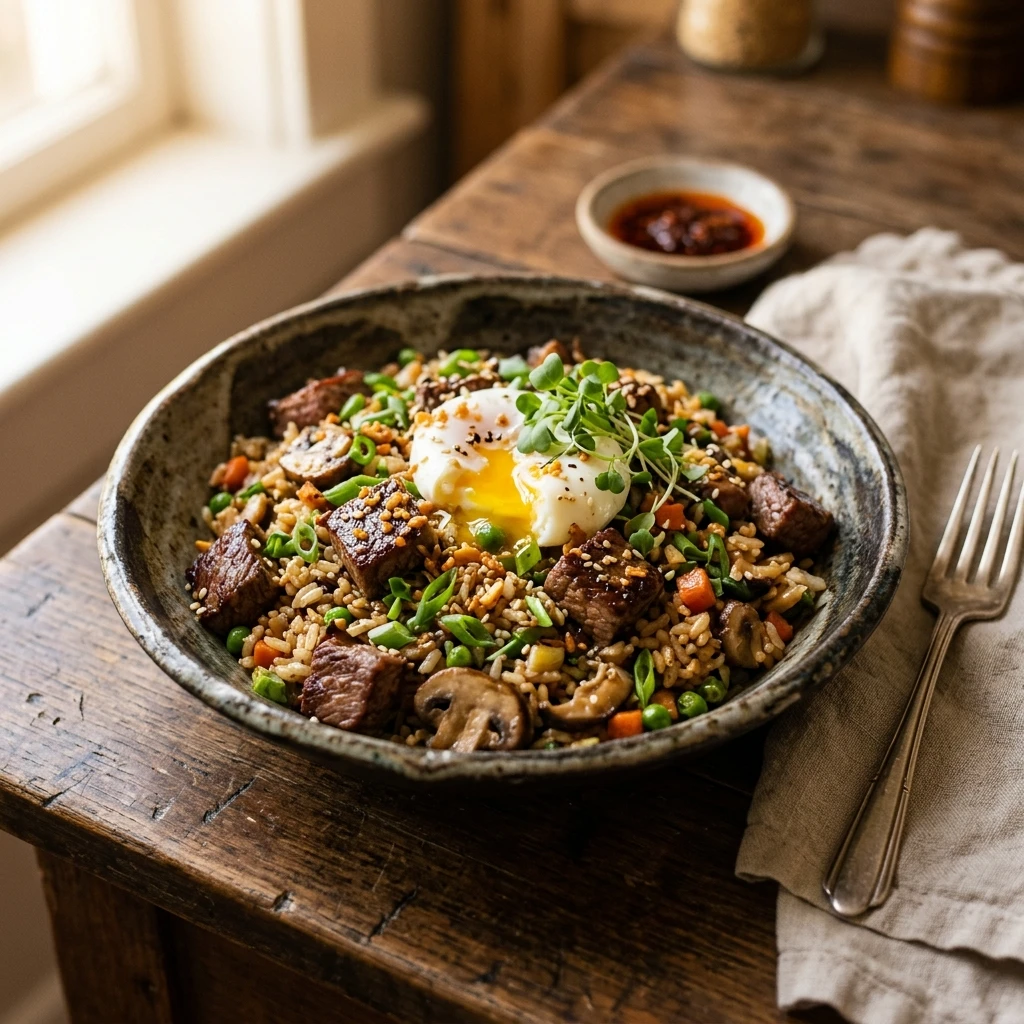
Push the mixture to the side of the pan and crack your eggs into the empty space. Scramble them quickly until set, then fold them into the rest of the ingredients. Alternatively, fry the eggs separately and place them on top of each serving. Season with salt, pepper, and your favorite condiments before serving hot.
Expert Tips for Perfect Budget No Waste Dinner Leftover Ideas Easy Save Money
To keep your leftovers from feeling repetitive, change the texture. If you had soft roasted vegetables last night, pan-fry them today to give them a crispy exterior. Always store your leftovers in clear glass containers so you can see exactly what you have at a glance; if you can’t see it, you won’t eat it. Also, don’t be afraid of “flavor families.” If your leftovers are seasoned with Italian herbs, turn them into a frittata or a quick pasta bake rather than trying to force them into a soy-based stir-fry. Finally, use a “First In, First Out” system in your fridge to ensure older items get used before they spoil.
Delicious Variations
- The Breakfast Hash: Use leftover roasted potatoes as a base, add chopped sausage or bacon, and top with a runny poached egg and hot sauce.
- The Leftover Taco Bar: Shred any leftover meat, heat it with a splash of water and taco seasoning, and serve in charred tortillas with whatever veggies are left in the drawer.
- The Everything Soup: Sauté an onion, add broth, and toss in all your leftover grains, meats, and veggies. Simmer for 10 minutes and garnish with fresh herbs.
- Savory Grain Bowls: Place cold leftover grains in a bowl, add raw greens, your leftover protein, and a quick dressing made from lemon juice and olive oil.
Frequently Asked Questions
How long are leftovers safe to eat?
Most cooked leftovers are safe to eat for 3 to 4 days if stored in a refrigerator at 40°F (4°C) or below. If you don’t think you’ll eat them within that window, move them to the freezer immediately.
How do I prevent leftover rice from being dry?
When reheating rice, add a teaspoon of water per cup of rice and cover the dish. The steam will rehydrate the grains, making them fluffy again. Using it in a stir-fry with a bit of liquid also helps tremendously.
Can I mix different types of meat in one leftover dish?
Absolutely! Combining pork and chicken or beef and sausage can create a complex flavor profile. Just ensure all meats are chopped to a similar size so they heat through at the same rate.
What if my leftovers don’t have enough flavor?
The “reheat” process often dulls seasoning. Add a “bright” element at the end, such as a squeeze of lime juice, a splash of vinegar, or fresh herbs like cilantro or parsley to wake up the dish.
What is the best way to reheat leftovers without a microwave?
A skillet on the stovetop is usually best for maintaining texture. For items like pizza or roasted meats, an air fryer or toaster oven works wonders to restore crispiness without drying out the food.
Conclusion
Turning your leftovers into a fresh, exciting dinner is the ultimate kitchen hack for anyone looking to save money and reduce waste. By following these simple steps, you transform “scraps” into a purposeful, nutritious meal that your family will actually look forward to eating. Remember, there are no strict rules in a no-waste kitchen—only opportunities to experiment with flavors and textures. Start looking at your fridge as a treasure chest of ingredients rather than a graveyard of old meals, and you’ll be amazed at how much you can save while eating better than ever.

Budget No Waste Dinner Leftover Ideas Easy Save Money
- Total Time: 35 minutes
- Diet: Flexible
Ingredients
Scale
- 2 cups leftover cooked grain (rice, quinoa, or pasta)
- 1.5 cups leftover protein (shredded chicken, ground beef, or cubed tofu)
- 2 cups assorted leftover vegetables (roasted broccoli, sautéed peppers, or peas)
- 2 large eggs (for binding or topping)
- 1 tablespoon cooking oil or butter
- 2 cloves garlic, minced
- 1/4 cup liquid (broth, soy sauce, or salsa depending on the flavor profile)
- Salt and pepper to taste
- Optional: Shredded cheese, green onions, or hot sauce for topping
Instructions
- Step 1: The Prep and Sort. Gather all your small containers from the refrigerator. Chop any larger pieces of meat or bulky vegetables into bite-sized chunks so they heat evenly. If your leftover rice or pasta has clumped together, gently break it apart with a fork or clean hands. This ensures every bite has a balanced ratio of ingredients.
- Step 2: Building the Flavor Base. Heat your oil or butter in a large skillet or wok over medium heat. Add the minced garlic and any fresh aromatics you might have, such as onions or ginger. Sauté for 1-2 minutes until fragrant. This step infuses the dish with fresh flavor, masking the “reheated” taste that some leftovers can have.
- Step 3: Combining and Reheating. Add your grains and protein to the skillet. Stir-fry for 3-5 minutes until they start to get crispy edges. Pour in your chosen liquid (broth for a moist stir-fry or salsa for a Mexican-inspired bowl) to deglaze the pan and add moisture. Toss in the cooked vegetables last, as they only need a minute or two to warm through without becoming mushy.
- Step 4: Finishing Touches. Push the mixture to the side of the pan and crack your eggs into the empty space. Scramble them quickly until set, then fold them into the rest of the ingredients. Alternatively, fry the eggs separately and place them on top of each serving. Season with salt, pepper, and your favorite condiments before serving hot.
- Cook Time: 35 minutes