

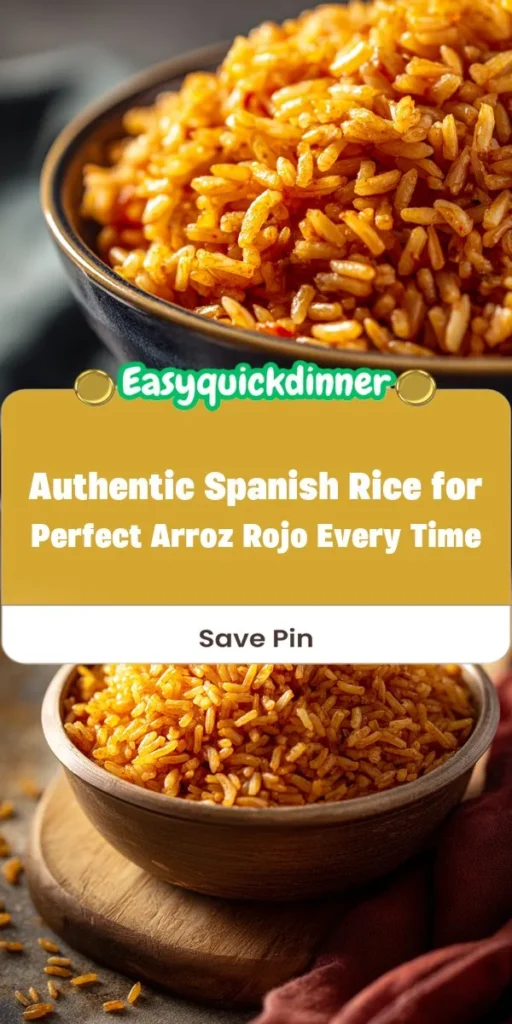
### Savor the Richness of Authentic Spanish Rice
#### Introduction
Spanish cuisine is a vibrant tapestry woven from a rich history of cultural influences, regional diversity, and an abundant array of flavors. Known for its bold taste and emphasis on fresh, high-quality ingredients, Spanish food has earned a place on the global culinary stage. Each dish tells a story, reflecting the land, the people, and the traditions that shape it. At the heart of this culinary landscape is rice, a staple ingredient that embodies the essence of Spanish cooking.
Among the myriad of rice dishes that Spain offers, Spanish rice stands out as a beloved favorite, renowned for its rich flavors and satisfying textures. This dish is not merely a side; it is a centerpiece that brings people together around the table. Whether enjoyed in a cozy family gathering or a festive celebration, Spanish rice is synonymous with warmth, comfort, and a shared culinary heritage.
The versatility of Spanish rice is one of its most endearing qualities. It can be prepared in countless ways, with variations that reflect local ingredients and personal preferences. From the famous paella of Valencia to the simpler, yet equally delightful, arroz a banda, Spanish rice adapts to different palates and occasions while remaining true to its roots. This article will guide you through the process of creating authentic Spanish rice, exploring its background, essential ingredients, and the initial steps to ensure a delicious result.
#### Understanding Spanish Rice
Spanish rice, often referred to simply as “arroz,” encompasses a variety of rice dishes that are integral to Spanish cuisine. At its core, it is characterized by the use of short-grain rice, which absorbs flavors beautifully while maintaining a tender yet firm texture. This type of rice is crucial in achieving the signature consistency that sets Spanish rice apart from other rice dishes.
The key ingredients that define authentic Spanish rice are what truly elevate this dish. Saffron, the golden spice that imparts a distinct aroma and vibrant color, is a hallmark of Spanish cuisine. Its unique flavor profile is irreplaceable in traditional rice preparations. Olive oil, another cornerstone of Spanish cooking, not only contributes to the dish’s richness but also enhances its overall taste.
Spanish rice is celebrated for its regional variations, each showcasing local produce and culinary traditions. In Valencia, the birthplace of paella, rice is often combined with a variety of proteins such as chicken, rabbit, and shellfish. In contrast, the coastal regions may feature seafood as the primary protein, highlighting the freshness of the Mediterranean. Meanwhile, in the northern regions, you might encounter rice dishes enriched with local vegetables and spices, reflecting the diversity of Spain’s agricultural landscape.
#### Essential Ingredients for Authentic Spanish Rice
To create a truly authentic Spanish rice dish, understanding the essential ingredients is paramount. Each component plays a critical role in building the dish’s flavor and character:
1. **Short-Grain Rice (Bomba or Calasparra)**: The foundation of any Spanish rice dish lies in the rice itself. Bomba and Calasparra are two of the most popular varieties used in Spain. These short-grain rice types are known for their ability to absorb liquid without becoming mushy, yielding a perfect texture that is both creamy and al dente.
2. **Olive Oil**: In Spanish cooking, olive oil is much more than a cooking fat; it is a flavor enhancer. Extra virgin olive oil, with its rich, fruity notes, is often used to sauté vegetables and proteins, infusing the dish with depth and character.
3. **Saffron**: No discussion of Spanish rice is complete without mentioning saffron. This luxurious spice is harvested from the flower of Crocus sativus and is known for its unmistakable flavor and color. A pinch of saffron can transform a simple rice dish into something extraordinary, making it a staple in traditional recipes.
4. **Fresh Vegetables**: Tomatoes, bell peppers, and peas are common additions that not only enhance the flavor but also add a burst of color to the dish. Fresh, high-quality vegetables are essential for achieving the authentic taste of Spanish rice.
5. **Proteins**: Spanish rice can be customized with a variety of proteins, from chicken and seafood to vegetarian options such as chickpeas or seasonal vegetables. The choice of protein can significantly influence the overall flavor profile of the dish.
6. **High-Quality Ingredients**: The importance of using fresh, high-quality ingredients cannot be overstated. In Spanish cooking, the emphasis is placed on the natural flavors of each component, and using the best ingredients available will yield the most delicious results.
#### Preparing Spanish Rice: Step-by-Step Guide
Once you have gathered your essential ingredients, it’s time to embark on the journey of preparing authentic Spanish rice. The process may seem daunting at first, but with careful attention to detail and a few key techniques, you will create a dish that embodies the spirit of Spanish cuisine. Here’s a step-by-step guide to get you started:
1. **Choosing the Right Rice**: Start by selecting the appropriate short-grain rice. Bomba or Calasparra rice is ideal because of its unique ability to absorb liquid while maintaining a firm texture. Rinse the rice under cold water to remove excess starch, which can lead to clumping during cooking.
2. **Preparing the Sofrito (Base Sauce)**: The sofrito is the flavor base of many Spanish dishes, including rice. To prepare a sofrito, heat a generous amount of olive oil in a large skillet or paella pan over medium heat. Add finely chopped onions and garlic, sautéing until they are translucent. Then, incorporate diced tomatoes and bell peppers, cooking until the mixture thickens and the flavors meld together. This base sauce is where the essence of your Spanish rice begins to develop.
3. **Cooking the Rice**: Once your sofrito is ready, it’s time to add the rice. Pour the rinsed rice into the pan, stirring it to coat with the sofrito. This step is crucial as it allows the rice to absorb the flavors of the base. Next, add the appropriate amount of liquid—typically a mixture of broth and water—ensuring the rice is submerged. The general rule of thumb is a 2:1 ratio of liquid to rice, but this can vary depending on the specific rice used.
4. **Incorporating Proteins and Vegetables**: After the rice has been added, it’s time to include your chosen proteins and any additional vegetables. Whether you opt for succulent chicken, fresh seafood, or a vibrant mix of seasonal vegetables, arrange them evenly over the rice. Do not stir the rice after this point; instead, allow it to cook undisturbed, which will help create a delicious crust, known as “socarrat,” on the bottom of the pan.
5. **Timing and Techniques**: Cooking Spanish rice requires patience. Bring the mixture to a gentle boil, then reduce the heat to low. Allow the rice to simmer for approximately 18-20 minutes, checking occasionally to ensure it is not drying out. If necessary, add more broth or water. Once the rice is tender and the liquid has been absorbed, remove the pan from heat and let it rest for a few minutes. This resting period allows the flavors to meld and the rice to firm up.
6. **Achieving the Perfect Texture and Flavor**: The final touch is to finish with a drizzle of olive oil and a sprinkle of fresh herbs, such as parsley or saffron threads, to enhance the dish’s presentation and flavor. Taste the rice for seasoning, adding salt or pepper as needed. Serve your authentic Spanish rice hot, garnished with lemon wedges or additional herbs to elevate its appeal.
#### Common Variations of Spanish Rice
Spanish rice is a versatile dish that allows for endless creativity. While the traditional preparation holds a special place in culinary hearts, regional adaptations and personal twists can elevate your rice experience. Here are a few popular variations to consider:
– **Paella**: Perhaps the most famous Spanish rice dish, paella hails from Valencia and is characterized by its use of saffron, a variety of proteins (often a mix of chicken, rabbit, and seafood), and an assortment of vegetables. The hallmark of a good paella is the socarrat, the crispy layer of rice at the bottom of the pan.
– **Arroz a Banda**: Originating from the Alicante region, this dish features rice cooked in fish broth, often served with a side of fried fish or seafood. The rice is typically flavored with saffron and garlic, offering a delightful seafood experience.
– **Arroz Negro**: This variation is known for its striking black color, achieved by using squid ink. Often prepared with seafood, this dish is rich in flavor and presents an eye-catching option for adventurous eaters.
– **Arroz con Pollo**: A comforting classic, this dish pairs rice with chicken and is often flavored with spices such as paprika and saffron. Vegetables like peas and bell peppers are commonly included, making it a well-rounded meal.
– **Vegetarian or Vegan Options**: For those seeking plant-based alternatives, Spanish rice can easily be adapted to accommodate a variety of vegetables, legumes, and spices. Seasonal vegetables such as artichokes, green beans, and bell peppers can be combined with chickpeas for a nutritious and satisfying meal.
Embarking on the journey of preparing authentic Spanish rice is not just about following a recipe; it’s about embracing a culinary tradition that celebrates the richness of flavor and the joy of shared meals. With each step, you’ll discover the beauty of Spanish cuisine and the satisfaction of creating a dish that honors its cultural heritage.
{{image}}
**Traditional Paella**
Paella is perhaps the most iconic dish to symbolize Spanish rice. Originating from the Valencia region in the east of Spain, this dish is steeped in history, tracing its roots back to the mid-19th century. Traditionally, paella was a farmer’s meal, cooked over an open fire with whatever ingredients were available. The name “paella” itself comes from the Latin word “patella,” meaning pan, referring to the shallow, wide pan used to prepare the dish.
Key ingredients in traditional paella include short-grain rice, saffron, olive oil, and a variety of proteins. While the classic Valencian paella includes chicken, rabbit, and green beans, variations abound. The preparation of paella differs significantly from other rice dishes; it requires a careful layering of ingredients and a technique that allows the rice to create a socarrat, the coveted crispy bottom layer.
To make a traditional paella, begin by heating olive oil in a paellera (paella pan) over medium heat. Sauté the meat until browned, then add the vegetables and spices, followed by the rice and broth. The key is to avoid stirring the rice once the broth is added; this allows the grains to absorb flavors evenly while developing that essential socarrat.
**Arroz con Pollo (Rice with Chicken)**
Arroz con Pollo, or rice with chicken, is another beloved Spanish rice dish that showcases the versatility of short-grain rice. This dish is typically prepared in a single pot, which not only simplifies the cooking process but also allows for the melding of flavors.
The ingredients for Arroz con Pollo include short-grain rice, chicken pieces (bone-in, skin-on for flavor), bell peppers, onions, garlic, peas, and a medley of spices such as cumin, paprika, and saffron. The cooking method is unique as well; the chicken is first browned, then removed while the aromatics are sautéed. After returning the chicken to the pot, the rice is added along with broth, allowing it to simmer until the rice is tender and the chicken is fully cooked.
This dish can easily be adapted for those seeking a vegetarian option — simply replace the chicken with a mix of seasonal vegetables and vegetable broth. Popular substitutions include zucchini, artichokes, and bell peppers, which lend a rich array of flavors while keeping the dish hearty.
**Vegetarian and Vegan Options**
For those looking to enjoy Spanish rice dishes without meat, there are numerous plant-based adaptations. Vegetarian paella can feature a vibrant assortment of seasonal vegetables such as asparagus, mushrooms, and spinach. The essential saffron and vegetable broth remain, creating a rich and flavorful base for the rice.
For a vegan twist on Arroz con Pollo, the chicken can be replaced with tofu or chickpeas, which provide protein while absorbing the delicious spices and broth. The cooking method remains the same; simply sauté the vegetables first, then add the rice and broth with the plant-based protein.
You might also consider using spices like turmeric for color and flavor in vegan versions of these dishes. Experimenting with different vegetables, legumes, or even plant-based sausages can yield delightful results that cater to various dietary preferences.
**Seafood Paella**
Seafood paella is a popular variation that highlights the fresh bounty of Spain’s coastal regions. This version typically incorporates ingredients like shrimp, mussels, clams, and squid, which are generously layered over the rice. The technique remains consistent with traditional paella; however, seafood cooking times vary, requiring careful attention to ensure everything is perfectly cooked.
To prepare a seafood paella, begin by sautéing garlic and onion in olive oil, then add the rice and broth seasoned with saffron. Once the rice is nearly done, add the seafood, allowing it to steam on top without stirring until fully cooked. This method ensures that each seafood piece remains tender and flavorful while the rice absorbs the essence of the ocean.
When choosing seafood, selecting high-quality, fresh ingredients is essential. Local and seasonal varieties will elevate the dish’s flavors and ensure an authentic experience.
**Serving Suggestions and Pairings**
Spanish rice dishes are best enjoyed with a variety of accompaniments that enhance their rich flavors. A simple green salad dressed with olive oil and vinegar can provide a refreshing contrast to the hearty rice. For a more traditional Spanish touch, consider serving pan con tomate, grilled bread rubbed with ripe tomatoes and drizzled with olive oil.
Wines and beverages play a crucial role in complementing these dishes. A chilled glass of Spanish white wine, such as Albariño or Verdejo, can beautifully balance the flavors of seafood paella. For meat-based dishes, a light-bodied red wine like Garnacha or a well-chilled rosé can elevate the dining experience. If you prefer non-alcoholic options, consider serving refreshing beverages like homemade lemonade or a lightly flavored sparkling water infused with citrus.
Presentation can make a significant impact on the dining experience as well. Serve paella directly from the pan, allowing guests to help themselves, which adds a communal feel to the meal. Garnish with fresh herbs like parsley or lemon wedges for a burst of color and flavor, enhancing both the visual appeal and taste.
**Cultural Significance of Spanish Rice in Festivities**
Spanish rice dishes hold a significant cultural place in Spain, often forming the centerpiece of family gatherings and celebrations. Paella, in particular, is traditionally served at communal gatherings and is synonymous with Spanish festivity. It is not uncommon to see families and friends coming together to share this dish, reinforcing bonds and creating lasting memories.
Regional festivals often celebrate the heritage of Spanish rice. In Valencia, the annual Las Fallas festival features paella competitions, showcasing the culinary skills of local chefs. These events not only highlight the dish’s importance but also bring communities together in a spirit of celebration and camaraderie.
Stories and anecdotes surrounding communal meals often speak to the heart of Spanish culture. The ritual of gathering around a table, sharing food, laughter, and stories, is a cherished tradition that transcends generations. Whether it’s a family reunion, a wedding, or a local festival, Spanish rice dishes remain central to these communal experiences, fostering a sense of belonging.
**Health Benefits of Spanish Rice Ingredients**
While indulging in delicious Spanish rice dishes, it’s essential to recognize their nutritional value. Short-grain rice, typically used in these recipes, is a rich source of carbohydrates and provides essential energy. It is also gluten-free, making it suitable for those with gluten sensitivities.
Olive oil, a staple in Spanish cooking, is renowned for its health benefits. Rich in monounsaturated fats, it can support heart health and lower bad cholesterol levels. Additionally, the vegetables often included in these dishes provide essential vitamins, minerals, and antioxidants, contributing to a well-rounded meal.
However, portion control is key to enjoying these rich dishes without overindulgence. Balancing servings of rice with plenty of vegetables and protein can create a nourishing and satisfying meal. By being mindful of portions and incorporating a variety of ingredients, you can enjoy Spanish rice dishes as part of a healthy and balanced diet.
**Conclusion**
The rich history and cultural importance of Spanish rice are reflected in its various iterations, from the iconic paella to comforting arroz con pollo. Each dish tells a story of tradition, community, and the joy of sharing food with loved ones. Exploring and experimenting with these recipes allows you to connect with Spanish culture, bringing a taste of authenticity into your kitchen.
Whether you choose to follow traditional recipes or adapt them to suit dietary preferences, the key is to embrace the joy of cooking and sharing these dishes. Encourage friends and family to join you in the kitchen, making it a communal experience that mirrors the spirit of Spanish dining.
As you embark on your culinary journey, remember that the heart of Spanish rice dishes lies in their ability to bring people together, creating lasting memories over shared meals. So gather your loved ones, savor the richness of authentic Spanish rice, and enjoy the delightful experience of cooking and sharing these cherished recipes.
{{ingredient_image}}