Introduction
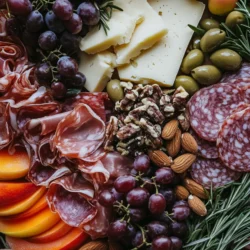
Charcuterie boards have surged in popularity over the past few years, becoming a staple at gatherings, celebrations, and even casual get-togethers. These beautifully arranged platters offer an inviting display of flavors and textures, making them perfect for any festive occasion. Among the many variations, the Festive Feast Charcuterie Board stands out, not only for its impressive presentation but also for its ability to cater to diverse tastes and dietary preferences.
The Festive Feast Charcuterie Board is a delightful medley of cured meats, artisanal cheeses, fresh fruits, and an array of accompaniments that elevate it from a simple appetizer to a centerpiece of your holiday spread. Its charm lies in its versatility—whether you’re hosting an intimate family gathering or a larger celebration with friends, this charcuterie board can be tailored to reflect your personal style and the theme of your event. The beauty of a charcuterie board is that it allows for creativity and customization, enabling you to mix and match ingredients that resonate with your taste or the seasonal flavors of the holiday.
Understanding Charcuterie Boards
Definition and History of Charcuterie Boards
At its core, a charcuterie board is a selection of cured meats, cheeses, fruits, nuts, and other accompaniments presented on a shared platter. The term “charcuterie” originates from the French word for “cooked meat,” and historically, it referred specifically to the preparation and preservation of meats. The practice dates back to ancient times when people needed effective methods to preserve food without refrigeration.
As the art of charcuterie evolved, it expanded beyond mere meat preservation to include a wider variety of delicacies, including cheeses, breads, and condiments. The modern charcuterie board we know today emerged as a popular social dining experience, where guests can graze and enjoy a variety of flavors in a communal setting.
The Cultural Significance of Charcuterie in Various Cuisines
Charcuterie is not limited to French cuisine; many cultures around the world have their own versions of meat and cheese platters. In Italy, for example, antipasto boards feature cured meats like prosciutto and salami, alongside cheeses such as mozzarella and Parmigiano-Reggiano. Spanish tapas often include charcuterie components, with an emphasis on chorizo and Manchego cheese.
In addition to being a culinary tradition, charcuterie boards also hold cultural significance, serving as a symbol of hospitality and communal sharing. They encourage social interaction and conversation, making them ideal for gatherings where the focus is on enjoying good food and connecting with others.
Benefits of Serving a Charcuterie Board at Events and Gatherings
Serving a charcuterie board at your next event comes with numerous benefits. Firstly, its visual appeal creates an inviting atmosphere, making guests feel welcomed and excited about the meal. The arrangement of colorful ingredients can act as a conversation starter, drawing people together around the platter.
Moreover, charcuterie boards cater to various dietary preferences, allowing you to include options for vegetarians, gluten-free eaters, and meat lovers alike. This versatility means you can create a spread that satisfies a range of tastes, ensuring that everyone finds something they enjoy.
Additionally, preparing a charcuterie board can save you time and effort. With minimal cooking required, you can assemble a stunning platter in a short amount of time. This makes it an excellent option for busy hosts who still want to impress their guests without spending hours in the kitchen.
Key Components of a Festive Charcuterie Board
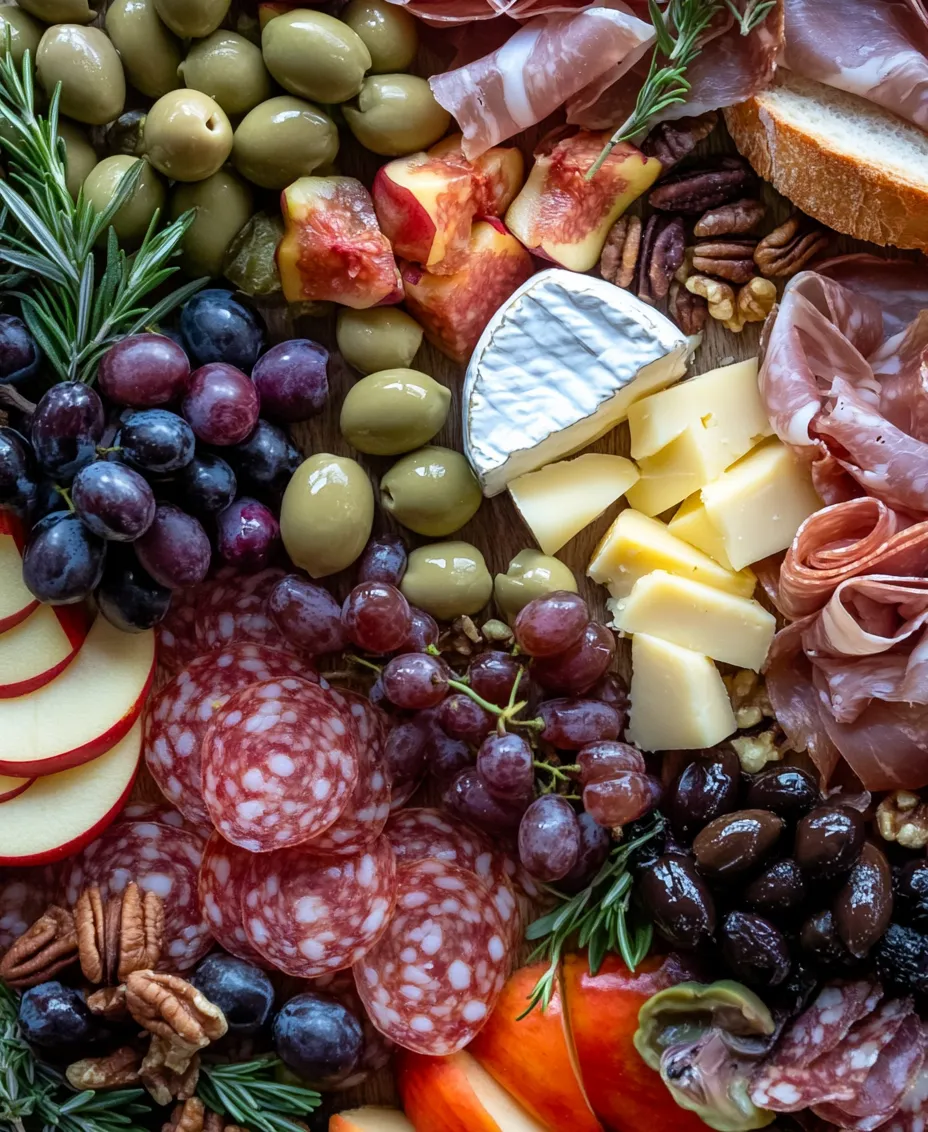
Creating the perfect Festive Feast Charcuterie Board involves a thoughtful selection of ingredients that balance flavors, textures, and visual appeal. Here are the key components to consider when assembling your board:
Cured Meats
Cured meats are the star of any charcuterie board, providing rich flavors and a variety of textures. Popular choices include salami, prosciutto, and chorizo, each bringing its own unique profile to the platter:
– Salami: Available in a range of varieties, salami is known for its hearty texture and complex flavor, often seasoned with spices like garlic and pepper.
– Prosciutto: This delicate, thinly sliced ham is prized for its sweet and savory taste. Its melt-in-your-mouth quality adds an elegant touch to the board.
– Chorizo: A spiced sausage that can be either fresh or cured, chorizo introduces a smoky or spicy element, depending on the variety you choose.
When selecting meats, aim for a mix of flavors and textures to keep the palate intrigued. You might also consider adding specialty meats like bresaola or mortadella for an exotic flair.
Assorted Cheeses
Complementing the cured meats, cheese is another essential component of a charcuterie board. A well-rounded selection of cheeses can elevate the tasting experience significantly. Here are some great options to include:
– Brie: This soft cheese boasts a creamy texture and mild flavor, making it a favorite that pairs well with both meats and fruits.
– Aged Cheddar: With its sharpness and crumbly texture, aged cheddar provides a contrast to the softer cheeses and enriches the flavor profile.
– Blue Cheese: The bold, tangy taste of blue cheese can serve as a conversation piece. Its distinct flavor pairs beautifully with sweet accompaniments like honey or figs.
When choosing cheeses, consider a mix of textures—soft, semi-soft, and hard—to create an enticing variety. Additionally, strive for a balance of flavors, from mild to strong, to cater to all palates.
Fresh Fruits
Fresh fruits are not only visually appealing but also add a burst of freshness and natural sweetness to your charcuterie board. Consider including:
– Grapes: These bite-sized treats are a classic choice, providing a juicy contrast to the saltiness of the meats.
– Figs: Fresh or dried figs can lend a sophisticated touch, their sweetness pairing beautifully with cheese.
– Apple Slices: Crisp apple slices offer a refreshing crunch and can be paired with cheese for a delightful flavor combination.
Incorporating a variety of fruits not only enhances the aesthetic but also contributes to the overall balance of flavors on the board.
Nuts
To round out your charcuterie board, include an assortment of nuts that provide a satisfying crunch and additional texture. Consider:
– Almonds: Roasted or raw, almonds add a nutty flavor and a satisfying crunch that complements both meats and cheeses.
– Walnuts: With their rich, slightly bitter flavor, walnuts can enhance the taste of sweeter components on the board.
– Pistachios: These vibrant green nuts offer a unique taste and can add a pop of color to your presentation.
Nuts not only serve as a delicious snack but also contribute healthy fats and protein to the board, making it a well-rounded option for guests.
Pickled Items
Pickled items introduce tangy flavors that can beautifully contrast the richness of meats and cheeses. Consider adding:
– Cornichons: These small, tart pickles provide a delightful crunch and bright flavor that cuts through the savory elements of the board.
– Olives: A variety of olives—green, black, or stuffed—can add briny flavor and diversity to your charcuterie spread.
– Pickled Onions: Their sweet-tangy flavor and vibrant color can elevate the visual appeal of your board while offering a zesty kick.
These pickled components add complexity to the flavor profile, ensuring that every bite is an adventure.
Gourmet Crackers
No charcuterie board is complete without a selection of gourmet crackers that serve as the perfect vessel for meats and cheeses. Consider these options:
– Water Crackers: These light, crisp crackers offer a neutral flavor that allows the other components to shine.
– Seeded Crackers: Crackers with seeds add an earthy flavor and extra crunch, complementing the richness of the cheeses.
When selecting crackers, aim for a variety that includes different textures and flavors to enhance the overall experience.
Sweet Touch
Finally, adding a sweet element can create a delightful balance on your Festive Feast Charcuterie Board. Consider including:
– Honey: A drizzle of honey can elevate the flavor of cheeses and meats, providing a sweet contrast that is hard to resist.
– Fig Jam: This spread adds a luxurious sweetness that pairs beautifully with both cheese and cured meats, enhancing their flavors.
– Dark Chocolate Squares: For those who enjoy a touch of indulgence, adding a few pieces of dark chocolate can offer a rich, satisfying finish to the tasting experience.
Incorporating sweet elements not only enhances the flavor balance but also adds a touch of decadence to your charcuterie board.
As you begin to assemble your Festive Feast Charcuterie Board, keep these components in mind to create a visually stunning and delicious spread that will impress your guests and elevate your holiday celebrations. The next part of this article will delve into the detailed assembly process, tips for arrangement, and additional ideas to personalize your charcuterie experience.
Planning Your Festive Feast Charcuterie Board
Creating the ultimate charcuterie board begins with choosing the right base. The board you select not only influences the aesthetic appeal of your presentation but also affects the overall experience of enjoying the feast. Here are some considerations to keep in mind:
Choosing the Right Board
Wooden boards are a classic choice, offering warmth and rustic charm. They come in various sizes, so select one that fits your serving area and the number of guests. A larger board allows for a more extensive selection of items, while a smaller one can be perfect for an intimate gathering. Slate boards, on the other hand, provide a sleek and modern touch, allowing for easy labeling with chalk. Either option can be enhanced with decorative touches like cloth napkins or seasonal decorations.
Consider aesthetics as well—dark woods can create a striking contrast with lighter foods, while lighter boards can enhance the colors of vibrant fruits and vegetables. Ultimately, the board you select should reflect the theme of your gathering and the ingredients you plan to use.
Arrangement Techniques
The arrangement of your charcuterie board is crucial for both visual appeal and accessibility. Begin by placing larger items, such as cheese wheels or clusters of grapes, in strategic locations to create focal points. Surround these with meats, crackers, and dips, ensuring that there is a balance of colors and shapes throughout the board.
To enhance accessibility, arrange items in clusters rather than a linear layout. For example, group similar flavors together, such as pairing creamy cheeses with soft breads and tangy spreads. This not only makes it easier for guests to navigate the board but also encourages them to try different combinations.
Balancing Flavors and Textures
Achieving a harmonious blend of flavors and textures is key to a successful charcuterie board. Aim for a variety of tastes—salty meats paired with sweet fruits, creamy cheeses alongside crunchy nuts, and tangy pickles complementing rich spreads. This diversity will elevate the tasting experience and make your board more exciting.
In terms of texture, include a mix of soft and hard cheeses, smooth and chunky spreads, and crisp and chewy items. For instance, a creamy goat cheese can be beautifully contrasted with a sharp aged cheddar, while crunchy breadsticks can provide a delightful textural element against the softness of pâté. By thoughtfully selecting elements that complement each other, you’ll create a well-rounded and satisfying feast.
Step-by-Step Assembly Instructions
Now that you’ve planned your charcuterie board, it’s time to bring your vision to life. Follow these detailed steps to create a stunning and delicious display:
1. Select Your Base: Choose your wooden or slate board, ensuring it’s clean and dry. If using a wooden board, consider oiling it beforehand to enhance its natural beauty.
2. Lay Out the Cheeses: Start by placing your cheese selections on the board. Cut a few pieces from each cheese for tasting, and arrange them strategically across the board. Aim for different shapes; cubes, wedges, and slices can all add visual interest.
3. Add Meats: Next, introduce your cured meats. Roll or fold slices of prosciutto, salami, or chorizo, and place them near the cheeses they pair well with. Use a variety of colors and shapes to enhance the board’s aesthetics.
4. Incorporate Fresh Fruits and Veggies: Scatter fresh fruits such as grapes, berries, or sliced apples throughout the board. Consider adding seasonal vegetables like cherry tomatoes or carrot sticks for added color and crunch.
5. Include Dips and Spreads: Place small bowls of dips, such as hummus, fig jam, or a savory tapenade, strategically around the board. This not only provides guests with options but also adds layers of flavor to the overall experience.
6. Arrange Crackers and Bread: Fill empty spaces with an assortment of crackers, breadsticks, and sliced baguette. Vary the shapes and textures to maintain visual interest and ensure there’s something for everyone.
7. Add Nuts and Olives: Sprinkle nuts and olives in the gaps to enhance the variety of flavors and textures. These small details will elevate the overall appeal of your board.
8. Garnish with Fresh Herbs: Finally, add sprigs of fresh herbs like rosemary or thyme for an aromatic touch. The herbs not only enhance the smell but also contribute to the board’s visual appeal.
As you assemble your charcuterie board, allow your creativity to shine. Don’t be afraid to rearrange items until they feel balanced and pleasing to the eye. Remember, there are no strict rules—each board is a unique expression of your personal taste.
Garnishing Your Board
Garnishing is the finishing touch that can elevate your charcuterie board from ordinary to extraordinary. Fresh herbs are a simple yet effective way to enhance both aroma and presentation. Sprigs of rosemary or thyme can be tucked between cheeses or scattered throughout the board, adding a pop of color while infusing your feast with delightful scents.
In addition to herbs, consider creative garnishes such as edible flowers, microgreens, or even a drizzle of honey over cheese. These small details can personalize your board, making it not just a meal but a work of art. A sprinkle of sesame seeds over dips or a scattering of pomegranate seeds can also provide vibrant color and texture.
Serving Suggestions
Charcuterie boards are incredibly versatile and suitable for various occasions. They are perfect for holiday gatherings, where they can serve as an impressive centerpiece, or for casual get-togethers with friends. A charcuterie board also makes an excellent choice for picnics or outdoor events, providing guests with a variety of flavors to enjoy in a relaxed setting.
Pairing beverages with your charcuterie board can enhance the overall experience. Consider serving a selection of wines that complement the flavors of your ingredients. A crisp Sauvignon Blanc pairs beautifully with fresh cheeses, while a full-bodied Cabernet Sauvignon can elevate the rich flavors of aged meats. For those who prefer beer, craft ales or stouts can also provide excellent pairings, especially with savory meats and strong cheeses. Additionally, offering non-alcoholic options like sparkling water infused with citrus or herbal iced tea can cater to all guests.
Conclusion
Assembling a Festive Feast Charcuterie Board is not only about creating a meal; it’s about celebrating the joy of food, creativity, and togetherness. Each board provides an opportunity to experiment with flavors and textures while showcasing your unique style.
Encourage yourself to explore different ingredients and arrangements, making each charcuterie board a reflection of your culinary personality. Remember, the most memorable experiences often come from sharing food with loved ones, fostering connections over delicious bites. So gather your ingredients, unleash your creativity, and enjoy the process of crafting a beautiful and tasty charcuterie board that will impress and delight your friends and family alike.