


Introduction
If you’ve ever tasted a freshly baked croissant, you know the joy that comes from its flaky, buttery layers melting in your mouth. Now imagine that same experience, but enhanced by the tangy flavor and unique texture of sourdough. Flaky sourdough croissant bread is a delightful fusion of two beloved baking traditions: the classic French croissant and the artisanal craft of sourdough baking. This recipe is not just about creating a pastry; it’s about embracing the science of fermentation and the art of lamination.
Utilizing a sourdough starter in your croissant recipe not only elevates the flavor profile but also brings with it a host of fermentation benefits. The natural yeast and bacteria present in sourdough create a depth of flavor that commercial yeast simply cannot replicate. This fermentation process enhances the dough’s digestibility and contributes to a wonderfully airy texture, making each bite light yet satisfying.
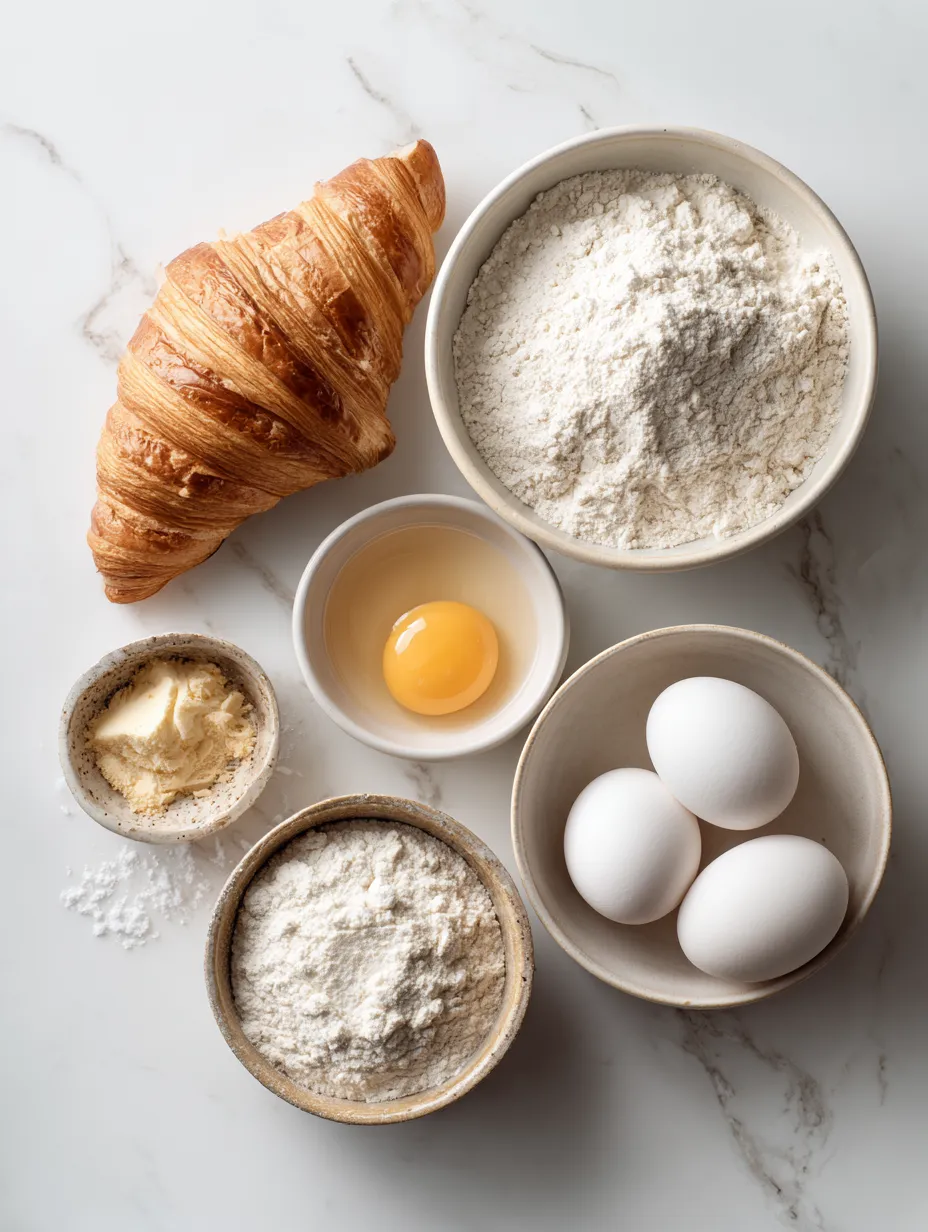
In this article, you will find a comprehensive guide that walks you through the intricate steps of making flaky sourdough croissant bread. From the essential ingredients to detailed preparation steps, as well as tips and tricks to ensure your baking success, you will be well-equipped to create these delicious pastries in your own kitchen. Let’s dive in!
Understanding Sourdough Croissants
What Makes Sourdough Croissants Different?
Sourdough croissants stand apart from their traditional counterparts primarily due to the use of a sourdough starter. Traditional croissants are made with commercial yeast, which works quickly to leaven the dough and create layers. In contrast, sourdough croissants rely on the slow fermentation process of a sourdough starter, which not only leavens the dough but also infuses it with complex flavors.
The result is a pastry with a slightly tangy flavor profile, a crisp outer shell, and a delectably soft inside. The layers formed during the lamination process are still present and pronounced, but they carry a depth of flavor that comes from the natural fermentation.
Benefits of Sourdough Fermentation
The fermentation process involved in sourdough baking offers several advantages:
– Improved Flavor: The long fermentation time allows for the development of nuanced flavors that are not achievable with commercial yeast alone. The lactic acid produced during fermentation gives sourdough its signature tang.
– Enhanced Digestibility: The fermentation process helps to break down gluten and phytic acid, making sourdough easier to digest and allowing for better nutrient absorption.
– Superior Texture: Sourdough fermentation creates a unique structure in the dough, resulting in a light and airy crumb that is complemented by a crispy outer layer.
Historical Context of Croissants
The origins of the croissant are often traced back to the Austrian kipferl, a crescent-shaped pastry that dates back to at least the 13th century. However, the croissant as we know it today emerged in France during the 19th century. The introduction of laminated dough—dough layered with butter—revolutionized the pastry-making process, leading to the creation of the flaky, buttery croissants that have become a staple in bakeries around the world.
As baking techniques evolved, so did the ingredients and methods used in croissant production. The incorporation of sourdough into the croissant-making process is a relatively recent development, but it is quickly gaining popularity among artisanal bakers and home enthusiasts alike.
Ingredients Breakdown
Essential Ingredients for Flaky Sourdough Croissants
To achieve the perfect flaky sourdough croissant bread, you need to gather a few essential ingredients. The quality of these ingredients will greatly influence the final product, so choose wisely.
– Bread Flour: This high-protein flour is crucial for developing gluten structure, which is essential for the layers in croissants. Look for flour with a protein content of around 12-14%.
– Active Sourdough Starter: A bubbly and well-fed sourdough starter is the heart of this recipe. It provides the necessary leavening and contributes to the unique flavor profile. Make sure it is active and at its peak when you start.
– Cold Water: Hydration is key in dough making. Using cold water helps to keep the dough temperature down during mixing and kneading, which is essential for optimal fermentation.
– Granulated Sugar: While croissants are not overly sweet, a small amount of sugar enhances browning during baking and balances the flavors.
– Sea Salt: Salt is critical for flavor enhancement and helps to strengthen the gluten structure in the dough.
– Unsalted Butter: The star ingredient in lamination, cold unsalted butter is used to create layers in the dough. Ensure the butter is firm but pliable for effective lamination.
– Egg Wash: An egg wash provides a beautiful, glossy finish to your baked croissants and enhances their visual appeal.
Tips on Ingredient Quality and Sourcing
– Flour: Always opt for high-quality bread flour from a reputable brand. You can experiment with different types of flour, but ensure that you maintain the protein content for structure.
– Sourdough Starter: If you don’t have a sourdough starter yet, consider creating one at least a week in advance to allow for proper fermentation. You can find numerous resources online on how to cultivate your own.
– Butter: Use high-quality unsalted butter for the best flavor. European-style butter, which has a higher fat content, is often preferred for its rich taste.
Preparation Steps for Sourdough Croissants
Now that you have your ingredients ready, it’s time to embark on the journey of making flaky sourdough croissant bread. The preparation process involves several steps, starting with mixing the dough and kneading it to develop the gluten structure. Let’s break this down step-by-step.
Mixing the Dough
1. Combine the Ingredients: In a large mixing bowl, combine the bread flour, active sourdough starter, cold water, granulated sugar, and sea salt. It’s best to add the salt last to avoid direct contact with the sourdough starter, as salt can inhibit yeast activity.
2. Mix Until Shaggy: Using your hands or a wooden spoon, mix the ingredients until they come together into a shaggy dough. This process should take about 3-5 minutes. It’s okay if the dough seems a bit sticky at this stage.
3. Resting Period: Cover the bowl with a damp cloth or plastic wrap and let the dough rest for 30 minutes. This resting period allows the flour to fully hydrate and makes the kneading process easier.
Kneading the Dough
1. Kneading Technique: After the resting period, turn the dough out onto a lightly floured surface. Begin kneading the dough by pushing it away from you with the heel of your hand, folding it over, and rotating it a quarter turn. Repeat this process for about 10-15 minutes.
2. Check for Gluten Development: The goal of kneading is to develop gluten, which gives the dough its structure. You’ll know the dough is ready when it becomes smooth and elastic. A good test is the “windowpane test”—take a small piece of dough and stretch it gently. If it forms a thin membrane without tearing, you’re set!
3. First Rise: Place the kneaded dough back into the bowl, cover it again, and let it rise at room temperature until it doubles in size. This will take approximately 1 to 2 hours, depending on the temperature of your kitchen and the activity of your sourdough starter.
Now that we’ve covered the initial steps of mixing and kneading, you are well on your way to creating flaky sourdough croissant bread. In the following sections, we will delve deeper into the lamination process, shaping the croissants, and the final steps to achieve that perfect golden-brown crust. Stay tuned as we continue our baking adventure!

The journey of creating flaky sourdough croissants is both rewarding and intricate. With a few essential techniques and a bit of patience, you can achieve bakery-quality results in your own kitchen. In this section, we will delve into the detailed steps necessary for preparing the butter block, laminating the dough, shaping the croissants, proofing, baking, cooling, and serving your masterpiece.
Preparing the Butter Block
Techniques for Shaping the Cold Butter and Its Role in Laminating
Creating a butter block is crucial to the lamination process, which gives croissants their signature flaky texture. The butter needs to be cold and pliable but not too soft, as this can hinder the lamination process.
1. Choose the Right Butter: Use high-quality unsalted butter for the best flavor. The fat content is essential, so opt for European-style butter if possible.
2. Cutting the Butter: Start with two sticks of cold butter. Place them between two sheets of parchment paper. Using a rolling pin, pound the butter gently until it flattens into a rectangle about 1/2 inch thick. Aim for a size of approximately 6 inches by 8 inches.
3. Chilling the Butter Block: After shaping, refrigerate the butter block for at least 30 minutes. This ensures it remains cold and firm, making it easier to encase in the dough without melting.
Laminating the Dough
Step-by-Step Guide on How to Properly Encase the Butter
Once the butter block is ready, it’s time to laminate the dough, which involves encasing the cold butter in the dough and rolling it out to create layers.
1. Prepare the Dough: Roll out your rested sourdough dough into a larger rectangle, about 12 inches by 18 inches. Make sure the dough is even in thickness.
2. Position the Butter Block: Place the chilled butter block in the center of the dough rectangle. Ensure that the edges of the butter block are aligned with the edges of the dough.
3. Encasing the Butter: Fold the dough over the butter block, bringing the top and bottom edges together. Pinch the seams to seal the butter inside. This creates a dough envelope around the butter.
Explanation of the Lamination Process and Its Importance for Flakiness
Lamination is the process of rolling and folding dough with layers of fat (in this case, butter) to create a light and flaky texture. Each fold multiplies the layers of dough and butter, resulting in the characteristic rise and flakiness of croissants.
Rolling and Folding the Dough
Detailed Folding Techniques for Optimal Layering
1. First Fold: Lightly dust your work surface with flour. Roll the dough into a long rectangle, approximately 24 inches by 10 inches. Fold the dough into thirds, like a letter. This is known as a “single fold.”
2. Chilling: Wrap the folded dough in plastic wrap and refrigerate for 30 minutes. This allows the gluten to relax and the butter to firm up again.
3. Second Fold: Repeat the rolling and folding process. Roll the dough back into a 24 by 10-inch rectangle and fold into thirds again. Chill for another 30 minutes.
4. Third Fold: Perform one final fold, rolling and folding the dough as described above. After this fold, chill the dough for at least one hour.
Timing and Chilling Periods Between Folds
Timing is key in lamination. Allowing the dough to rest and chill between folds helps maintain the cold temperature of the butter, which is crucial for proper layering. Aim for a minimum of 30 minutes between folds, but longer chilling periods can improve the dough’s extensibility.
Shaping the Croissants
Tips for Rolling the Dough into Triangles
1. Final Roll: After the last chilling period, roll out the dough into a large rectangle about 1/4 inch thick. Aim for a size of approximately 30 inches by 10 inches.
2. Cutting Triangles: Using a sharp knife or a pizza cutter, cut the dough into long triangles. Each triangle should have a base of about 5 inches and a height of about 8 inches.
Techniques for Achieving the Perfect Croissant Shape
1. Rolling the Croissants: Starting from the base of each triangle, gently stretch the dough as you roll it towards the tip. This helps create tension, which leads to a better rise during baking.
2. Shaping: Once rolled, gently curve the ends of the croissant towards each other to form a crescent shape. Place each croissant on a parchment-lined baking sheet with the tip facing down to prevent it from unrolling.
Importance of Even Thickness for Consistent Baking
Maintaining an even thickness is crucial for uniform baking. If some sections of the dough are thicker than others, they may bake unevenly, leading to inconsistent texture and doneness.
Proofing and Baking the Croissants
Proofing the Shaped Croissants: How to Know When They’re Ready
Proofing is the final rise before baking. It’s essential for developing the croissants’ airy structure.
1. Ideal Conditions: Place the shaped croissants in a warm, draft-free environment. The ideal temperature for proofing is around 75°F to 80°F.
2. Signs of Readiness: The croissants are ready to bake when they have doubled in size and are puffy. A gentle poke should leave an indent that doesn’t spring back immediately.
Preheating the Oven: Optimal Temperature for Baking
Preheat your oven to 400°F (200°C). A hot oven is critical for achieving a good rise and ensuring a golden-brown crust.
Egg Wash Application: Techniques for a Beautiful Finish
1. Preparing the Egg Wash: Beat one egg with a tablespoon of water to create a glossy egg wash.
2. Application: Using a pastry brush, gently apply the egg wash over the surface of each croissant just before baking. Be careful not to apply too much, as it can cause the croissants to become sticky.
Baking Process: Timing and What to Look for in Doneness
1. Baking Time: Bake the croissants in the preheated oven for about 15 to 20 minutes. Keep an eye on them, as baking times may vary depending on your oven.
2. Signs of Doneness: The croissants should be golden brown and puffed up. You can also tap the bottom; if it sounds hollow, they are done.
Cooling and Serving Suggestions
Importance of Cooling for Texture
Once baked, it’s essential to cool the croissants on a wire rack. This helps maintain their flaky texture by allowing steam to escape. Avoid cutting into them while they are still warm, as this can lead to a soggy texture.
Serving Ideas: Pairing with Coffee, Jams, or Butter
Flaky sourdough croissants can be enjoyed in various ways:
– With Coffee: Pair your croissants with a hot cup of coffee or tea for a delightful breakfast or afternoon snack.
– With Jams: Serve with homemade or store-bought jams for a sweet touch.
– With Butter: A simple spread of high-quality butter can elevate the flavor of your croissant.
Storage Tips for Maintaining Freshness
To keep your croissants fresh:
– Room Temperature: Store them in an airtight container at room temperature for up to two days.
– Freezing: For longer storage, freeze the croissants. Wrap each one tightly in plastic wrap and place them in a freezer bag. They can be frozen for up to two months. To reheat, bake from frozen at 350°F (175°C) for about 10-15 minutes.
Conclusion
Making flaky sourdough croissants is a labor of love that combines technique, patience, and a passion for baking. From preparing the butter block to shaping, proofing, and baking, each step contributes to the final product that is not only beautiful but also delicious.
We encourage you to try this recipe and experiment with different fillings such as chocolate, almond paste, or ham and cheese for a savory twist. The joy of baking and sharing homemade pastries with loved ones is priceless. So roll up your sleeves, embrace the process, and savor the satisfaction of enjoying your homemade flaky sourdough croissants. Happy baking!

Sourdough Croissant Bread
Ingredients
- For the Dough:
- 500g (4 cups) all-purpose flour
- 200g (1 cup) active sourdough starter (fed and bubbly)
- 250ml (1 cup) whole milk, lukewarm
- 50g (¼ cup) granulated sugar
- 10g (2 tsp) sea salt
- 50g (3.5 tbsp) unsalted butter, melted
- 2 large eggs
- 1 tsp vanilla extract
- For the Layering:
- 200g (1 cup) cold unsalted butter
- Extra flour for dusting
- For the Egg Wash:
- 1 large egg
- 1 tbsp milk
Instructions
1. Mix the Dough: In a large mixing bowl, combine the flour, sugar, and salt. In a separate bowl, whisk together the lukewarm milk, sourdough starter, melted butter, eggs, and vanilla extract. Gradually add the wet ingredients to the dry ingredients, mixing until a shaggy dough forms.
2. Knead the Dough: Transfer the dough to a floured surface and knead for about 5-7 minutes until smooth and elastic. Form a ball, place in a lightly greased bowl, and cover with plastic wrap or a damp cloth. Let it rise at room temperature for 4-6 hours, or until doubled in size.
3. Prepare Butter Block: On a sheet of parchment paper, place the cold unsalted butter between two sheets of parchment. Using a rolling pin, pound it into a flat square about 1 cm thick. Chill in the fridge while the dough rises.
4. Laminate the Dough: Once the dough has risen, roll it out on a floured surface into a rectangle roughly 1 cm thick. Place the chilled butter block in the center of the dough. Fold the sides of the dough over the butter to encase it completely. Seal the edges by pressing them together.
5. First Fold: Roll the dough into a large rectangle again. Fold it into thirds, like a letter. Wrap it in plastic wrap and chill for 30 minutes.
6. Second Fold: Repeat the rolling and folding process (roll into a rectangle, then fold into thirds) two more times, allowing for 30 minutes of chilling in between each fold.
7. Final Roll-Out: After the last fold and chill, roll the dough out to about 1 cm thick. Cut the rolled dough into triangles (base width of about 10 cm), then form croissants by rolling each triangle from the base to the tip.
8. Proof the Croissants: Place the rolled croissants on a baking sheet lined with parchment paper. Cover loosely with plastic wrap and let them proof at room temperature for 1-2 hours, or until puffed and slightly doubled in size.
9. Preheat the Oven: Preheat your oven to 190°C (375°F).
10. Prepare Egg Wash: In a small bowl, whisk together the egg and milk. Brush the croissants with the egg wash.
11. Bake: Bake the croissants in the preheated oven for 18-22 minutes, or until golden brown and crispy. Allow to cool slightly before serving.
Notes
- Storage: Store any leftover bread in an airtight container at room temperature for up to 2 days, or freeze for longer storage.
- Serving Suggestions: Enjoy these croissants warm with jam, or use them as a base for sandwiches.