Introduction
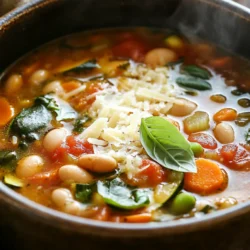
Minestrone soup is not just a meal; it’s a warm embrace on a chilly day. This hearty, Italian classic is packed with vibrant vegetables, protein-rich beans, and comforting pasta, making it a versatile dish that brings both comfort and nutrition to your table. Originating from Italy, minestrone has transcended its humble beginnings to become a favorite around the world. This article will delve into the rich history of minestrone soup, its numerous health benefits, and provide you with a step-by-step guide to creating your perfect pot of this beloved recipe. Whether you’re a seasoned chef or just starting your culinary journey, this recipe is sure to satisfy your taste buds and nourish your body.
The History and Origins of Minestrone Soup
Understanding the roots of minestrone soup enhances our appreciation of this beloved dish. The name “minestrone” is derived from the Italian word “minestra,” which means “soup.” Traditionally, this dish was made by using whatever ingredients were available, which is why it varies widely across regions in Italy.
The Italian Heritage of Minestrone
Minestrone is deeply entrenched in Italian culture and culinary tradition. Originally, it was served as a peasant dish, where families would utilize seasonal vegetables and leftover ingredients. This adaptability not only reflects the resourcefulness of Italian cooks but also the emphasis on fresh, local produce that characterizes Italian cuisine. Each region in Italy has its own unique spin on minestrone, showcasing the local vegetables and flavors. For example, in northern Italy, minestrone might feature hearty root vegetables and beans, while in the south, it might be lighter and include more tomatoes and herbs.
Evolution Through Regional Variations
As minestrone traveled beyond Italy’s borders, it evolved further, adapting to the ingredients available in different countries and cultures. In the United States, for example, the soup often contains a wider variety of vegetables and sometimes includes meat, diverging from its vegetarian roots. The essence of minestrone remains, however, as a comforting, nourishing dish that can easily be tailored to fit dietary preferences or seasonal availability.
The Significance of Seasonal Ingredients
One of the most charming aspects of minestrone soup is its reliance on seasonal ingredients. This not only enhances the flavor of the soup but also ensures that the nutrients are at their peak. In the spring, you might find fresh peas and asparagus sneaking into the mix, while autumn may bring squash and kale. This adaptability makes minestrone not only a year-round favorite but also an excellent choice for those mindful of sustainability and eating in harmony with nature’s cycles.
Nutritional Profile of Hearty Classic Minestrone Soup
When preparing minestrone soup, you’re not just making a delicious meal; you’re also creating a dish that is incredibly nutritious. The combination of vegetables, beans, and whole grains provides a wealth of vitamins, minerals, and other beneficial nutrients that contribute to overall health.
Overview of Key Nutrients and Vitamins in Vegetables
The cornerstone of any minestrone soup is the variety of vegetables used. Common ingredients include carrots, celery, zucchini, and green beans, each offering unique health benefits:
– Carrots are rich in beta-carotene, which is converted to vitamin A in the body and supports vision and immune function.
– Celery is hydrating and low in calories, while also providing a good source of vitamin K and antioxidants.
– Zucchini is high in fiber, which aids digestion, and is low in calories, making it a great addition to a healthy diet.
– Green beans offer vitamins A, C, and K, along with folic acid, which is essential for cell division and is particularly important for pregnant women.
The Role of Beans as a Source of Protein and Fiber
Beans are another key component of minestrone soup, providing both protein and fiber. Whether you choose kidney beans or cannellini beans, these legumes are excellent sources of plant-based protein that help to keep you full and satisfied. In addition to their protein content, beans are high in dietary fiber, which supports digestive health and can help regulate blood sugar levels.
Benefits of Using Whole Grains in Pasta
Many traditional minestrone recipes call for pasta, and incorporating whole grains can enhance the nutritional profile of the dish. Whole grain pasta is higher in fiber compared to its refined counterparts, which can aid in digestion and provide sustained energy. It also contains important nutrients such as B vitamins, iron, and magnesium. By choosing whole grain pasta, you are not only boosting the health benefits of your minestrone but also adding a satisfying texture that complements the soup’s rich flavors.
The Impact of Olive Oil on Health
No Italian dish would be complete without olive oil, and minestrone is no exception. Used as a base for sautéing vegetables and as a finishing touch, olive oil is rich in monounsaturated fats, which are heart-healthy. It contains antioxidants such as vitamin E and polyphenols that can help reduce inflammation and lower the risk of chronic diseases. Additionally, the healthy fats in olive oil help your body absorb fat-soluble vitamins (A, D, E, and K), making it an essential ingredient in any hearty soup.
Ingredients Breakdown: What Makes This Minestrone Soup Special
To craft the perfect minestrone soup, it’s essential to understand the role each ingredient plays in both flavor and nutrition. Below, we’ll break down the key components that make this soup a delightful and hearty meal.
Olive Oil: The Heart of Italian Cooking
As previously mentioned, olive oil is fundamental to Italian cooking. In minestrone, it serves as the base for sautéing the aromatic vegetables, releasing their flavors and creating a rich foundation for the soup. Its distinct taste enhances the overall profile of the dish, making it a must-have ingredient.
The Aromatic Base: Onions and Garlic
Onions and garlic form the aromatic backbone of minestrone soup. They are not only essential for flavor but also offer several health benefits. Onions are rich in antioxidants and have anti-inflammatory properties, while garlic is known for its immune-boosting abilities. Sautéing these two ingredients at the beginning of the cooking process creates a fragrant base that sets the tone for the entire dish.
The Vegetable Medley: Carrots, Celery, Zucchini, and Green Beans
The vibrant vegetable medley is what truly makes minestrone a feast for the senses. Each vegetable adds its own unique flavor and texture, creating a symphony of tastes in every spoonful.
– Carrots provide natural sweetness and a crunchy texture, while celery adds a crispness that balances the flavors.
– Zucchini adds a tender, soft texture that melds beautifully with the broth.
– Green beans lend a slight bite, ensuring that every bowl is filled with a variety of textures and tastes.
The Importance of Canned Tomatoes and Vegetable Broth
Canned tomatoes bring acidity and depth to minestrone soup, enhancing its flavor profile. They are a convenient option that allows for year-round consumption of this classic dish, regardless of the season. When selecting canned tomatoes, look for those packed in juice or purée rather than syrup.
Vegetable broth is another critical component, providing a savory base that ties all the flavors together. Homemade broth is ideal, but quality store-bought options are perfectly acceptable and can save time in the kitchen.
The Protein Powerhouses: Kidney Beans and Cannellini Beans
Beans are the stars of minestrone when it comes to adding protein and heartiness. Kidney beans have a robust flavor and hold their shape well during cooking, while cannellini beans have a creamy texture that enriches the soup. Both types of beans are not only nutritious but also add bulk, making the soup more filling and satisfying.
Herbs and Spices: Oregano and Basil for Flavor
Finally, no minestrone is complete without the addition of herbs and spices. Oregano and basil are classic choices that enhance the Italian flair of this dish. Fresh herbs are always ideal, but dried herbs can be used as well. They impart an aromatic quality that elevates the soup, making every bowl a fragrant delight.
—
This first part of the article lays the groundwork for creating a delicious, hearty minestrone soup. By exploring the history, nutritional benefits, and key ingredients, readers will gain a comprehensive understanding of what makes this dish so special in Italian cuisine and beyond. Stay tuned for the next section, where we’ll dive into the step-by-step instructions for preparing this comforting classic.
Fresh Greens: Spinach vs. Kale
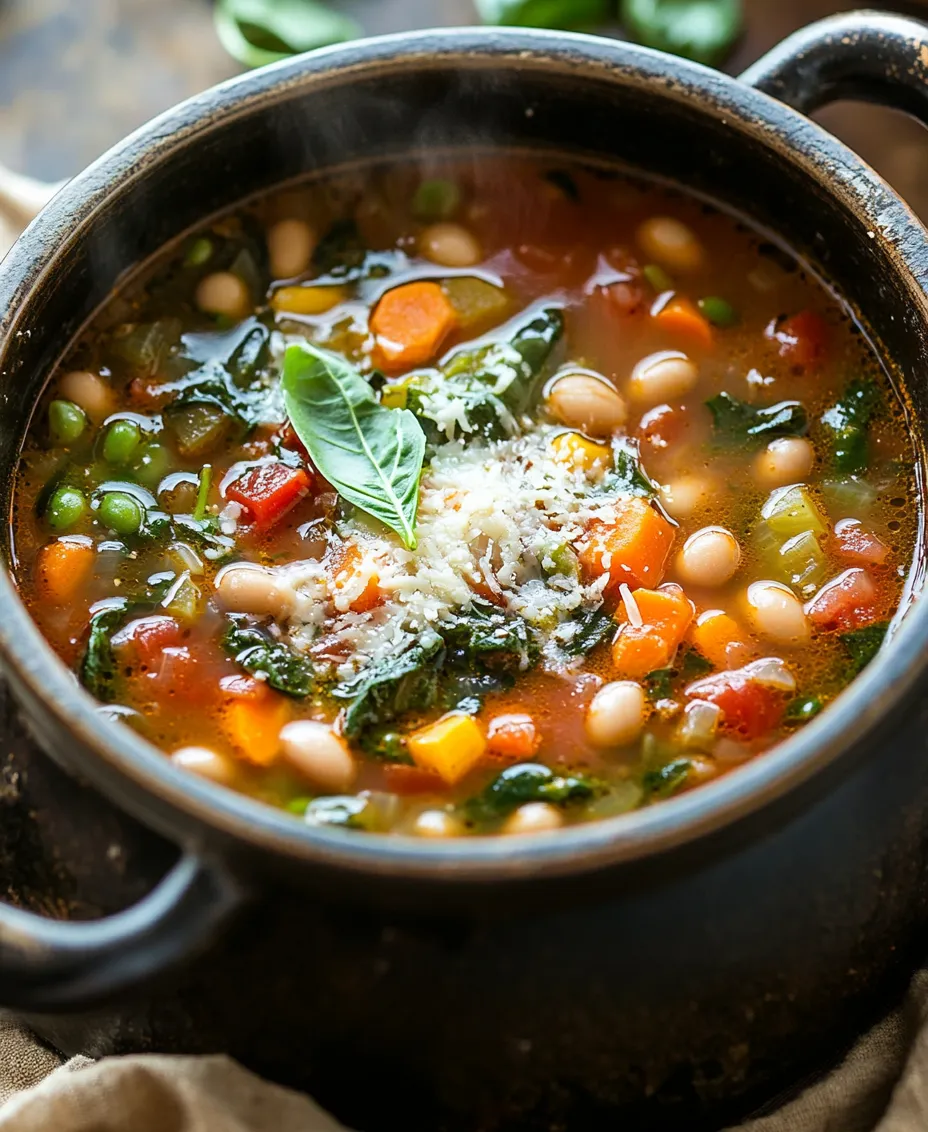
When it comes to adding greens to your minestrone soup, both spinach and kale have their unique merits. Spinach offers a tender texture and a mild flavor that easily blends into the soup, providing a vibrant green color without overpowering the dish. It’s a great option if you prefer a softer bite and want to incorporate more nutrients quickly.
On the other hand, kale is heartier and stands up to longer cooking times without losing its shape. It has a slightly earthier flavor and a chewy texture that can add depth to your minestrone. If you’re looking for a green that can add a bit of chewiness and a robust flavor, kale is an excellent choice. Ultimately, the decision between spinach and kale comes down to personal preference, so feel free to experiment with both or even mix them for a varied texture.
Optional Toppings: Parmesan Cheese and Fresh Basil
To elevate your minestrone soup, consider adding some optional toppings. Freshly grated Parmesan cheese brings a rich, nutty flavor that complements the soup beautifully. As the cheese melts into the hot soup, it enhances the overall creaminess and adds a luxurious touch.
Fresh basil also makes a delightful garnish. Its aromatic, slightly peppery flavor brightens the dish, adding a refreshing contrast to the rich, hearty soup. Simply tear the basil leaves and sprinkle them over each bowl before serving for an added burst of flavor and color.
Step-by-Step Instructions for Perfecting Minestrone Soup
Here’s a comprehensive guide to preparing minestrone soup, ensuring delicious results every time.
Sautéing Aromatics: Creating the Base Flavor
Begin by heating a generous amount of olive oil in a large pot over medium heat. Once the oil is shimmering, add finely chopped onions, carrots, and celery—this combination is known as a mirepoix and forms the aromatic base of your soup. Sauté the vegetables for about 5-7 minutes, or until they are softened and the onions become translucent. Stir occasionally to prevent any sticking or burning. This step is crucial as it develops the foundational flavors of your minestrone.
Adding Vegetables: Building Layers of Taste and Texture
After the aromatics are ready, it’s time to add more vegetables. Consider incorporating diced zucchini, green beans, and diced potatoes. Cut these into bite-sized pieces to ensure they cook evenly. Stir the vegetables into the pot and continue to sauté for another 5 minutes. This process not only builds layers of taste but also adds a variety of textures to the soup.
Incorporating Tomatoes and Broth: The Heart of the Soup
Next, add in your tomatoes. You can use canned diced tomatoes for convenience or fresh tomatoes if you prefer. Stir the tomatoes into the vegetable mixture until everything is well combined. Pour in your vegetable or chicken broth (around 6 to 8 cups depending on your preferred soup consistency). The broth is essential as it creates the soup’s base and infuses the flavors of the other ingredients. Bring the mixture to a gentle boil, then reduce the heat to a simmer.
Seasoning for Depth: Balancing Flavors with Herbs and Spices
As the soup simmers, it’s the perfect time to season it. Add a bay leaf, a teaspoon of dried oregano, a teaspoon of dried thyme, and salt and pepper to taste. These herbs will enhance the flavor profile of your minestrone, adding depth and aroma. Let the soup simmer for about 20-30 minutes, allowing the flavors to meld beautifully. Be sure to taste periodically and adjust seasoning as needed.
Cooking the Pasta: Achieving the Perfect Consistency
Once the soup has developed its flavor, it’s time to add your pasta. Small shapes like ditalini or elbow macaroni work best, as they cook quickly and are easy to spoon. Add the pasta directly into the simmering soup and cook according to package instructions, usually around 8-10 minutes. Stir occasionally to prevent the pasta from sticking together. Keep in mind that pasta will absorb liquid as it cooks, so you may need to add a little more broth or water if the soup becomes too thick.
Adding Greens: The Finishing Touch for Color and Nutrition
When the pasta is almost cooked, it’s time to add your greens. If you’re using spinach, add it in the last few minutes of cooking; it wilts quickly and doesn’t require much time to become tender. If you’ve opted for kale, add it a bit earlier, around 5 minutes before the soup is finished, so it has time to soften. Stir the greens into the soup until they are just wilted and bright green. This not only adds a pop of color but also boosts the nutritional value of your dish.
Adjusting Flavors: Tasting and Perfecting Your Soup
Before serving, take a moment to taste your minestrone. Adjust the seasoning with additional salt, pepper, or herbs as desired. If the soup is too acidic from the tomatoes, a pinch of sugar can help balance the flavors. If you want a bit more heat, consider adding a dash of red pepper flakes. Once you’re satisfied with the flavor, remove the bay leaf and get ready to serve!
Serving Suggestions and Pairings for Minestrone Soup
To enhance your minestrone soup experience, consider thoughtfully pairing it with complementary side dishes and beverages.
Ideal Serving Temperature and Presentation
Minestrone soup is best served hot. Ladle the soup into bowls and garnish with freshly grated Parmesan cheese and a sprinkle of fresh basil for an appealing presentation. You can also drizzle a little olive oil on top for a touch of richness.
Suggested Side Dishes: Bread, Salads, and More
Pair your minestrone with crusty bread, such as a baguette or ciabatta, to help soak up the delicious broth. A simple green salad with a tangy vinaigrette can also provide a refreshing contrast to the hearty soup. For a more substantial meal, consider serving with grilled cheese sandwiches or garlic bread.
Wine Pairings: What to Sip Alongside Your Soup
When pairing wine with your minestrone, opt for a light-bodied red or a white wine. A Chianti or a Pinot Grigio would complement the flavors of the soup beautifully without overpowering it. These wines have enough acidity to match the tomatoes while also enhancing the herbal notes present in the dish.
Storing and Reheating Minestrone Soup
To enjoy your minestrone soup over multiple meals, proper storage and reheating techniques are essential.
Proper Storage Techniques: Refrigeration and Freezing
Allow any leftover soup to cool to room temperature before transferring it to airtight containers. Minestrone soup can be stored in the refrigerator for up to 3-4 days. If you want to keep it longer, consider freezing it. Pour the soup into freezer-safe containers, leaving some space at the top for expansion, and it can last for up to 3 months in the freezer.
Reheating Methods: Ensuring the Best Texture and Taste
When ready to enjoy your soup again, reheat it gently on the stovetop over medium heat, stirring occasionally. If the soup has thickened in the fridge or freezer, add a splash of broth or water to reach your desired consistency. Avoid reheating it in the microwave, as this can cause uneven heating and affect the texture of the pasta and vegetables.
Conclusion
Hearty classic minestrone soup is a testament to the power of simple ingredients coming together to create something truly nourishing. With its rich history, numerous health benefits, and the satisfaction of a homemade meal, this soup stands out as a beloved staple in kitchens around the world. By following this detailed guide, you can create a delicious pot of minestrone that not only warms your body but also delights your palate. Whether enjoyed on a cozy night in or shared with family and friends, this recipe is sure to become a favorite in your culinary repertoire.
As you embrace the comforting nature of this classic dish, remember that minestrone soup is as flexible as it is delicious. Feel free to customize it based on seasonal produce or personal preferences, making it truly your own. Enjoy the process of preparing and sharing this delightful soup, and watch as it brings joy and warmth to your table.