
A Fresh and Flavorful Fusion of Taste and Texture
—
Introduction
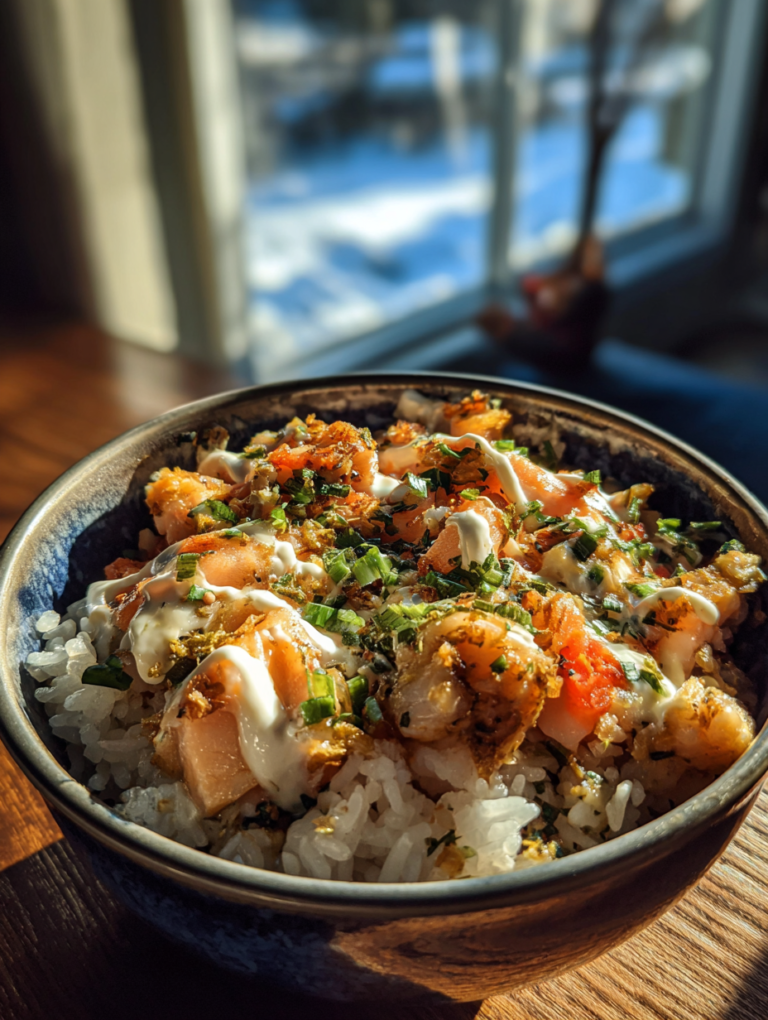
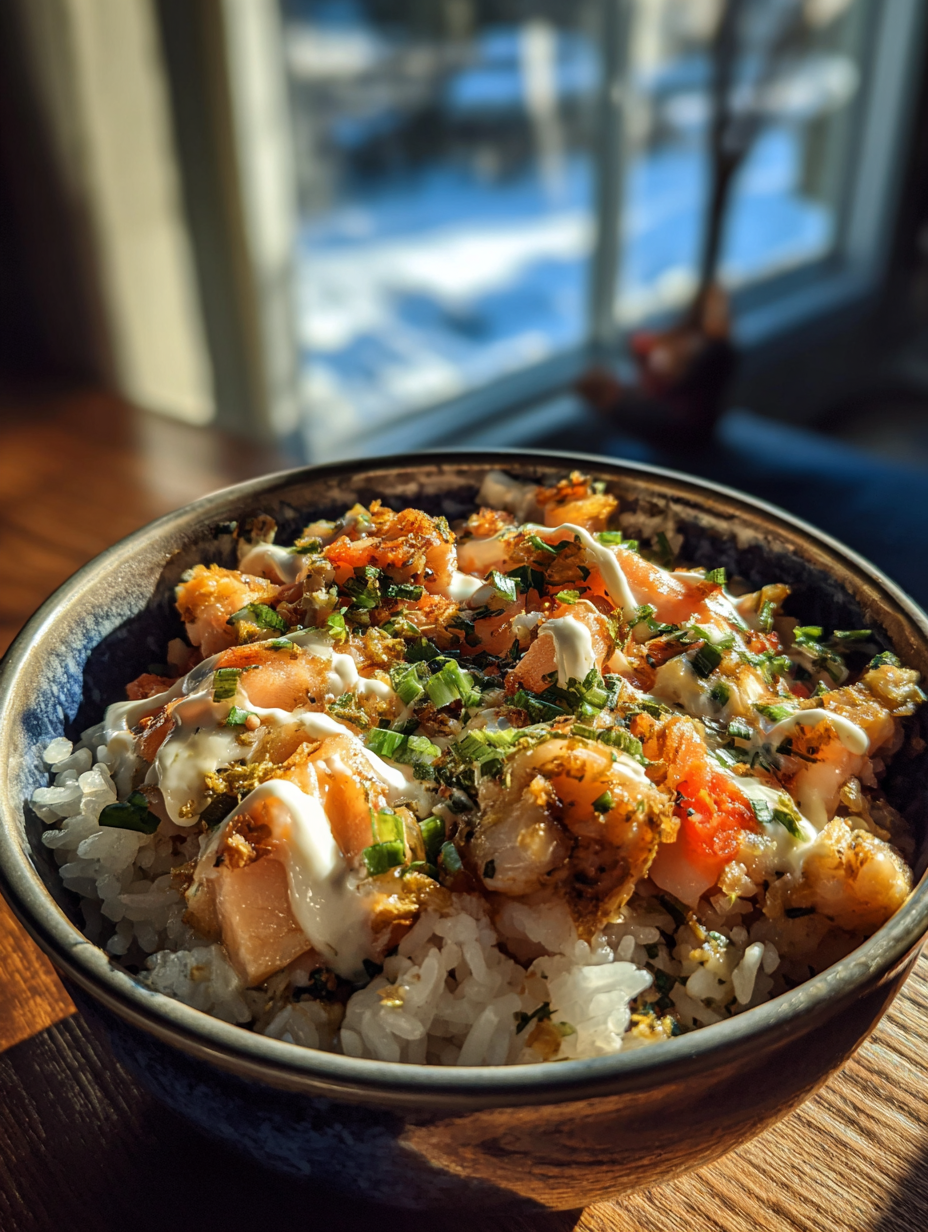
I still remember the first time I laid eyes on Emily Mariko’s viral lunch video. It was a crisp afternoon, and I was lazily scrolling through my social media feed, seeking inspiration for my midday meal. Suddenly, the vibrant colors of her Salmon Rice Bowl leaped from the screen, as if beckoning me to take a closer look. The fluffy rice, glistening salmon, and the pop of fresh veggies were downright hypnotic. I could almost smell the savory aroma drifting from my phone — a perfect blend of warmth and freshness.
With the sound of the sizzling salmon in my mind, I felt an instant connection to the dish. It wasn’t just about food; it was a celebration of simple ingredients coming together in a harmonious dance of flavors. As I started preparing the bowl in my own kitchen, I could feel the excitement bubbling within me. The gentle hiss of the salmon hitting the hot skillet filled my space, and the cool crunch of the sliced cucumber felt like a refreshing contrast to the warmth of the rice and fish.
The sheer beauty of this dish, combined with its satisfying textures and rich flavors, quickly made it a staple in my weekly meal prep. Each bite is a delicious reminder of how a few thoughtfully chosen ingredients can create something truly magical. Now, let me guide you through this delightful recipe, so you too can experience the joy of creating your very own Salmon Rice Bowl.
—
Why This Recipe Works
At the heart of every great dish is a balance of flavors and textures, and the Salmon Rice Bowl is no exception. The key to this recipe lies in the umami-rich salmon, the fluffy sushi rice, and the crunchy vegetables. Each component serves a purpose, contributing to the overall experience of the bowl.
1. Flavor Combinations: The natural richness of the salmon pairs beautifully with the savory notes of soy sauce and the spice from sriracha in the mayo. This combination enhances the depth of flavor while the toasted sesame oil adds a nutty aroma that elevates the dish to new heights.
2. Texture Contrasts: The flaky salmon beautifully contrasts with the softness of the rice and the crispness of the cucumber and carrots. This textural variety makes each bite interesting and satisfying, ensuring that you won’t tire of the meal after just one serving.
3. Ingredient Roles: Each ingredient has a specific role in this dish. The sushi rice serves as a neutral base that absorbs the flavors of the other components, while the fresh vegetables provide color and a refreshing crunch. The spicy mayo not only adds creaminess but also a kick of heat, which can be adjusted according to your personal preference.
What truly sets this version apart from generic rice bowls is the careful attention to detail. Using fresh ingredients and a simple cooking technique ensures that you savor the natural flavors without overwhelming them. It’s a dish that marries simplicity with sophistication, making it an ideal choice for both lunch at home and entertaining guests.
—
What Makes It Special
This Salmon Rice Bowl is not just another meal; it’s an experience that combines several unique qualities:
– Freshness Over Convenience: Unlike many restaurant or store-bought options, making this dish at home allows you to use fresh, high-quality ingredients that enhance both flavor and nutrition. You’ll taste the difference in every bite, and you can customize it to suit your preferences.
– Cost-Effective: Preparing this bowl at home can save you money compared to dining out. Plus, you’ll have leftovers, making it a great option for meal prep.
– Customization: One of the greatest joys of making this recipe yourself is the ability to tailor it. Want more veggies? Add bell peppers or radishes. Prefer a different protein? Swap the salmon for cooked shrimp or tofu, seamlessly adapting the dish to your dietary needs.
– Surprising Elements: The spicy mayo is not just a topping; it acts as a flavor enhancer that brings the entire dish together. Its creamy texture and zesty kick will surprise your taste buds and elevate the overall experience.
—
Ingredient Breakdown
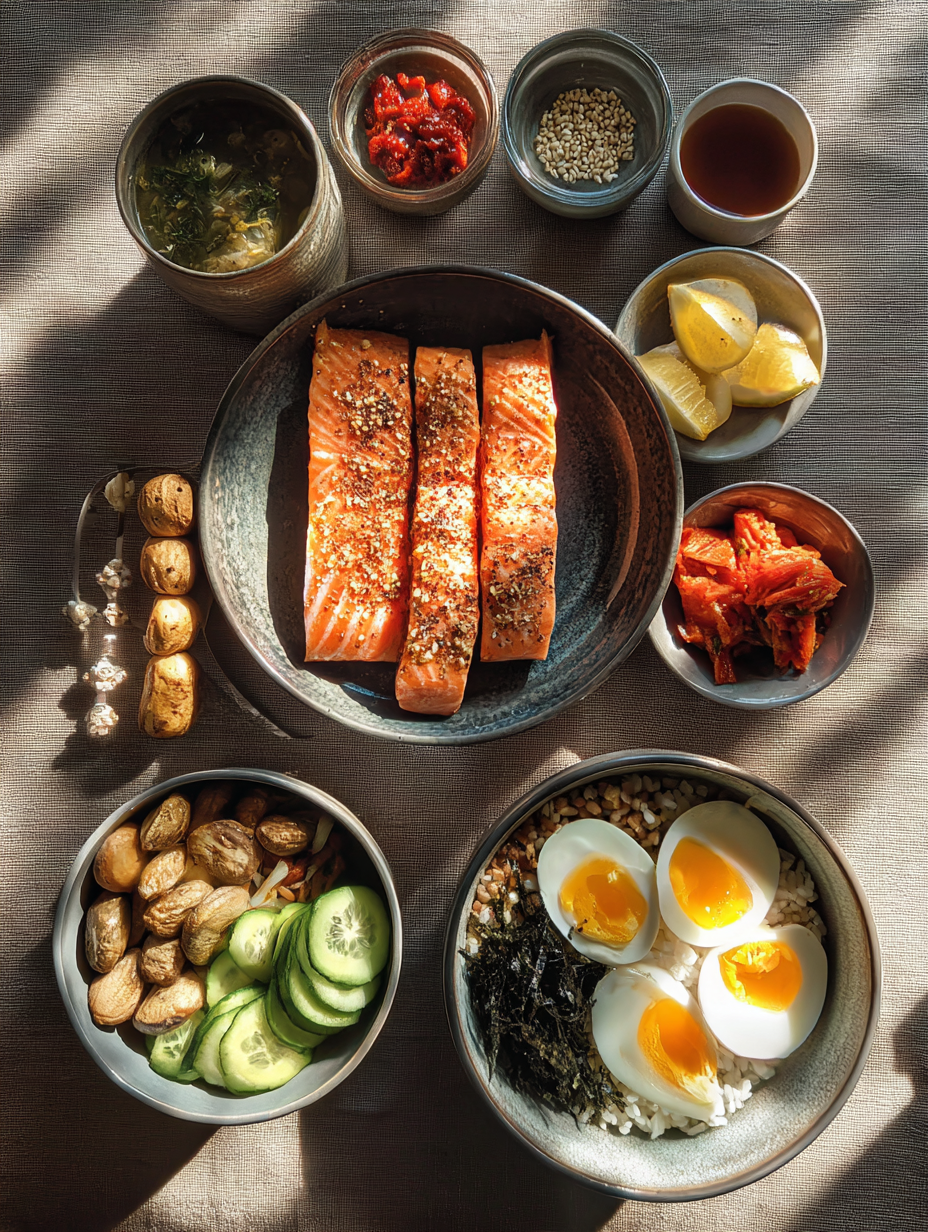
Creating a delicious Salmon Rice Bowl starts with understanding each ingredient’s contribution to the dish. Here’s a detailed breakdown of what you need:
– Cooked Sushi Rice (2 cups): This is the foundation of your bowl. Using sushi rice provides a sticky texture that holds together well when you layer the ingredients. The quantity here ensures a generous base for the toppings.
– Skinless Salmon Fillets (2 fillets, about 6 ounces each): Salmon is rich in omega-3 fatty acids and provides a buttery flavor that pairs beautifully with the other ingredients. The skinless option makes it easier to flake and incorporate into the bowl.
– Soy Sauce (1 tablespoon): A drizzle of soy sauce adds a savory umami flavor that complements the richness of the salmon. It’s essential for tying together the taste of the bowl.
– Toasted Sesame Oil (1/2 teaspoon): This oil introduces a warm, nutty flavor that enhances the overall depth of the dish. A little goes a long way, which is why the quantity is modest yet impactful.
– Sliced Cucumber (1 cup): Fresh and crunchy, cucumber adds a refreshing element that contrasts the warmth of the salmon and rice. It also brings a pop of vibrant green color to your bowl.
– Shredded Carrots (1 cup): Carrots contribute both sweetness and texture. Their bright orange hue not only makes the dish visually appealing but also adds a nice crunch.
– Mayonnaise (2 tablespoons): This ingredient serves as the base for your spicy mayo. You can choose a light or regular version based on your preference, though the creaminess is vital for balancing the flavors.
– Sriracha (1 teaspoon): For that delightful kick, sriracha is mixed into the mayo. Adjust the amount to suit your spice tolerance; you can always start small and add more if you like it hot.
– Salt and Pepper (to taste): Simple yet essential for seasoning your salmon fillets. Don’t skip this step; it enhances the flavors of the fish before it’s cooked.
Substitutions:
– Dairy-Free: Use vegan mayo in place of regular mayonnaise.
– Gluten-Free: Opt for tamari instead of soy sauce.
– Vegan: Substitute salmon with grilled tofu or cooked chickpeas.
Specialty Ingredients:
Most of these ingredients are easy to find at your local grocery store. If you’re looking for sushi rice or toasted sesame oil, Asian grocery stores or health food stores usually have a great selection.
—
Equipment Needed
To bring your Salmon Rice Bowl to life, you’ll need a few essential tools:
– Skillet: A non-stick skillet is crucial for cooking the salmon evenly without sticking. This ensures that the fish remains tender and flaky.
– Rice Cooker or Pot: For perfectly cooked sushi rice, a rice cooker can be your best ally. If you don’t have one, a heavy-bottomed pot will also do the trick; just be sure to monitor the water-to-rice ratio closely.
– Mixing Bowl: A small bowl is necessary for combining the mayonnaise and sriracha to create your spicy mayo.
– Knife and Cutting Board: Essential for slicing your cucumber and shredding carrots. A sharp knife makes the prep work quicker and safer.
– Serving Bowls: Choose bowls that are deep enough to hold all the layers of your rice bowl. You want them to be both functional and visually appealing.
Optional Tools:
– Grater: If you prefer finely shredded carrots for a smoother texture, a box grater can be handy, though a simple knife will work just as well.
– Food Processor: This can speed up the shredding process for your carrots, but it’s certainly not necessary for a home cook.
With these tools in hand, you’re well on your way to crafting a stunning and delicious Salmon Rice Bowl!
Step-by-Step Instructions
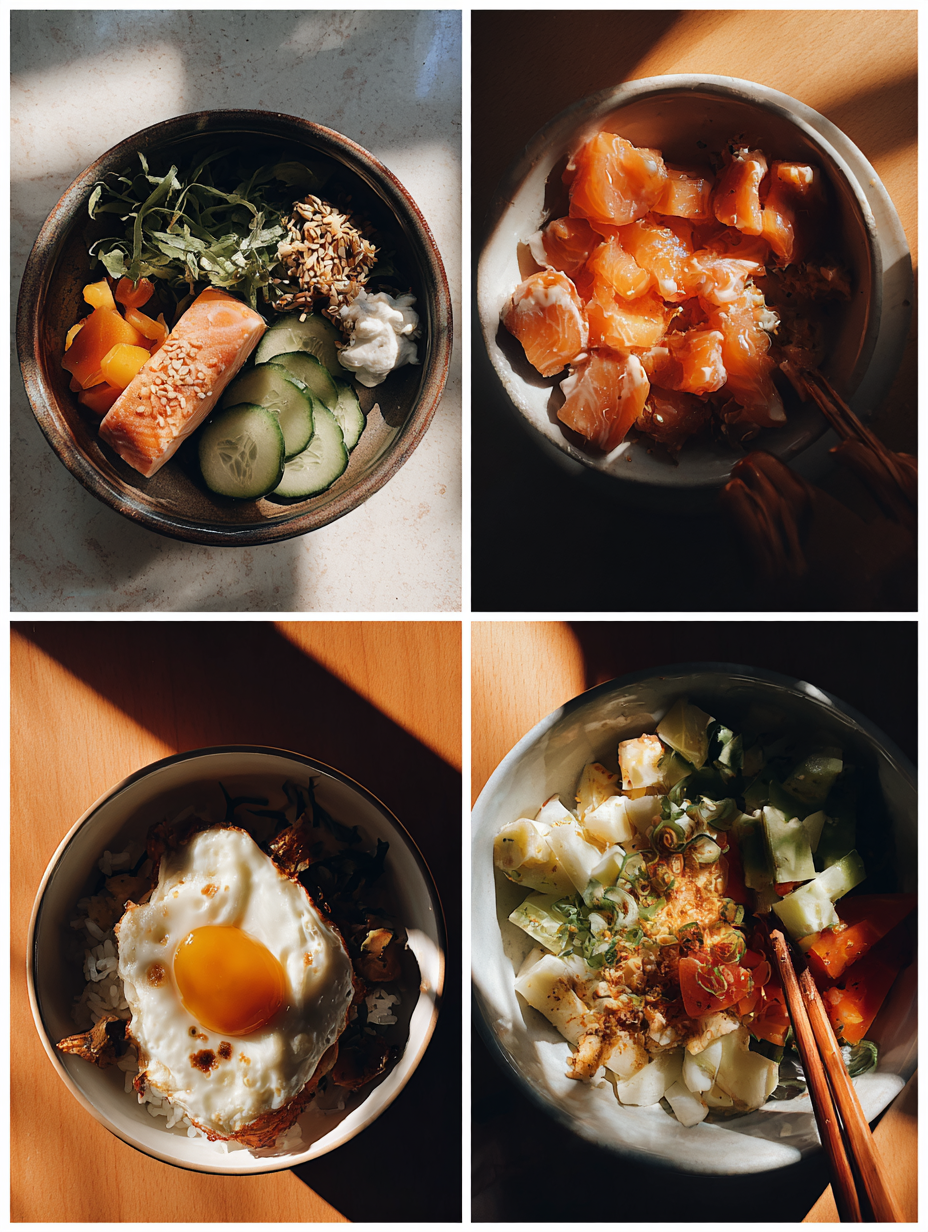
1. Prepare the Salmon: Begin by seasoning the skinless salmon fillets with salt and pepper on both sides. This step is crucial as it enhances the natural flavors of the salmon. Make sure to use freshly cracked pepper for a more robust flavor. Chef’s Note: Let the salmon rest at room temperature for about 10 minutes before cooking; this helps it cook more evenly.
2. Heat Your Skillet: Preheat a non-stick skillet over medium heat. Once it’s hot, add a drizzle of olive oil (about 1 tablespoon). You want the oil to shimmer but not smoke. This will provide a nice sizzle when you add the salmon and ensure it doesn’t stick to the pan.
3. Cook the Salmon: Place the seasoned salmon fillets in the pan, skin side down. Cook for about 4-5 minutes on the first side. You’ll know it’s time to flip when the edges begin to turn opaque and you can easily see the golden crust forming. Chef’s Note: Avoid moving the salmon around too much; let it sear for that perfect texture.
4. Flip and Finish Cooking: Gently flip the salmon fillets using a spatula. Cook for another 4-5 minutes on the other side until the salmon is fully cooked and flakes easily with a fork. You’re aiming for an internal temperature of 145°F. While cooking, the salmon should fill your kitchen with a rich, buttery aroma.
5. Make the Spicy Mayo: While the salmon is cooking, prepare your spicy mayo. In a small bowl, mix together 2 tablespoons of mayonnaise with 1 teaspoon of sriracha. Stir until well combined. Chef’s Note: Adjust the amount of sriracha based on your heat preference; start with less if you’re unsure, and add more for a kick.
6. Flake the Salmon: Once the salmon is cooked, remove it from the skillet and let it rest for a few minutes on a cutting board. This resting time allows the juices to redistribute. After resting, flake the salmon into bite-sized pieces using a fork. You’re looking for those nice, tender chunks that will easily mix with the rice.
7. Assemble the Bowl: In a serving bowl, layer 2 cups of cooked sushi rice at the bottom. Then, add the flaked salmon on top. Next, arrange 1 cup of sliced cucumber and 1 cup of shredded carrots around the salmon. Drizzle with soy sauce and toasted sesame oil. Chef’s Note: For added flavor, consider marinating the cucumbers in a little rice vinegar for 10 minutes before adding them to the bowl.
8. Finish and Serve: Top the bowl with a generous swirl of your homemade spicy mayo. If desired, sprinkle with chopped green onions or sesame seeds for additional texture and flavor. Enjoy your vibrant salmon rice bowl immediately while it’s fresh and warm!
Pro Tips for the Best Results
1. Use Day-Old Rice: The best sushi rice has a slightly drier texture, which is why day-old rice is ideal. It holds up better when mixing and prevents the bowl from becoming mushy.
2. Temperature Control: Always cook the salmon over medium heat to avoid burning the outside while the inside remains raw. A consistent medium heat allows for a golden crust while keeping the fish flaky.
3. Resting Time Matters: Letting the salmon rest after cooking is essential. It prevents the fish from drying out and ensures a moist and tender texture.
4. Flavorful Cooking Oil: Instead of plain olive oil, try using sesame oil for cooking the salmon. It adds an extra layer of flavor that complements the dish beautifully.
5. Slice Vegetables Thinly: For the best texture and presentation, cut your cucumbers and carrots thinly. Thin slices are not only visually appealing but also easier to mix into each bite.
6. Customize Your Spicy Mayo: Don’t hesitate to experiment with flavorings in your spicy mayo. A little lime juice or garlic powder can elevate the taste and give it a personal touch.
7. Invest in Quality Soy Sauce: The flavor of your soy sauce can make a significant difference. Use a high-quality soy sauce for depth and richness in flavor; it’s worth the extra cost.
8. Presentation is Key: When assembling your bowl, take a moment to arrange the ingredients neatly. A visually appealing dish can enhance the dining experience and make your meal feel extra special.
Common Mistakes to Avoid
1. Overcooking the Salmon: Overcooked salmon becomes dry and loses its delicate flavor. Always cook until flaky but still moist; it should just be opaque throughout. Use a timer to help you keep track.
2. Using Warm Rice: If you use rice that’s too warm, it can make the ingredients wilt and spoil the texture of the bowl. Ensure your sushi rice is cooled to room temperature for optimal freshness.
3. Not Flaking Salmon Properly: If you don’t flake the salmon into bite-sized pieces, it can lead to a confusing texture when eating. Take your time to flake it gently so that every bite is balanced with rice and vegetables.
4. Ignoring the Spice Levels: If you don’t adjust the spicy mayo to your preference, it might end up too mild or too spicy. Taste-test as you go to achieve your desired heat level.
5. Skipping the Resting Period: Removing the salmon from the heat and serving it immediately can lead to a rubbery texture. Always let the salmon rest for a few minutes to ensure it remains tender.
6. Forgetting to Season Vegetables: Cucumber and carrots can be bland without seasoning. A light sprinkle of salt or a quick marinade enhances their flavors and adds depth to your bowl.
7. Neglecting Presentation: A messy bowl can detract from the overall experience. Take the time to layer your ingredients thoughtfully, as visual appeal enhances the meal.
Creative Variations
1. Seasonal Variation: Spring Salmon Bowl: Replace the cucumber and carrots with fresh snap peas and thinly sliced radishes. Add a handful of pea shoots or microgreens for a burst of spring freshness, creating a colorful and vibrant dish.
2. Dietary-Friendly Version: Vegan Tempeh Bowl: Substitute the salmon with marinated tempeh. Press and slice the tempeh, then sauté it until golden. Use vegan mayonnaise mixed with sriracha for your spicy mayo to keep it plant-based.
3. Gourmet Elevated Version: Truffle Salmon Bowl: Use premium wild-caught salmon and drizzle with truffle oil instead of sesame oil. Garnish with shaved truffles or a sprinkle of truffle salt for an indulgent twist that elevates the entire dish.
4. Quick 15-Minute Version: Microwave Salmon Bowl: Use pre-cooked salmon fillets or canned salmon to save time. Assemble the bowl with quick-cooking rice (like instant rice) and fresh veggies for a healthy meal in just 15 minutes.
5. Kid-Friendly Version: Taco-Style Salmon Bowl: Use small pieces of salmon and serve with soft taco shells alongside the rice and veggies. Kids can build their own tacos, making it interactive and fun!
6. International Twist: Korean Bibimbap Salmon Bowl: Incorporate kimchi and gochujang (Korean chili paste) instead of sriracha for a spicy kick. Top with a fried egg for a classic bibimbap touch, mixing flavors from Korean cuisine into your bowl.
Serving Ideas
When it comes to presenting your Salmon Rice Bowl, the visual appeal can elevate the experience from simply delicious to a feast for the eyes. Here are some stunning ways to serve your dish:
1. Layered Elegance: In a deep, clear glass bowl, layer the sushi rice, flaked salmon, and vegetables in a way that each ingredient is visible. Garnish the top with a sprinkle of black sesame seeds and finely chopped green onions. The contrast of colors — the orange salmon, green cucumber, and vibrant carrots — creates a beautiful rainbow effect.
2. Bento Box Style: For a fun twist, serve your rice bowl in a bento-style box. Separate the rice, salmon, and veggies into different compartments. Add a small container of spicy mayo on the side and some pickled ginger for an extra pop of flavor. This approach not only keeps everything organized but also adds a delightful element of surprise with each bite.
3. Artful Swirls: Use a squeeze bottle to create artistic swirls of spicy mayo and soy sauce on top of your bowl. This technique not only enhances the presentation but also entices the eater with hints of flavor. You might also add edible flowers for a touch of elegance and color.
4. Rustic Charm: Serve your salmon rice bowl in a rustic wooden bowl or on a large, round plate. Add a side of seaweed salad for an Asian-inspired touch, and use chopsticks for an authentic dining experience. The wood grain of the bowl adds warmth and texture, enhancing the overall aesthetic.
5. Portion Control: Aim for a balanced portion size — about one cup of sushi rice topped with a generous portion of flaked salmon, and a half-cup each of cucumber and carrots. This ensures that each bite is packed with flavor while also keeping the meal satisfying without being overwhelming.
What to Serve With
Pairing your Salmon Rice Bowl with complementary dishes can create a delightful culinary experience. Here are several suggestions:
1. Miso Soup: The umami-rich broth of miso soup contrasts beautifully with the freshness of your salmon bowl, providing a comforting warmth that balances the meal.
2. Edamame: These lightly salted soybeans add a crunchy texture and protein boost, creating a pleasant contrast to the soft rice and salmon. They also bring a vibrant green color to your meal.
3. Green Tea: A hot cup of green tea works wonderfully as a palate cleanser. Its earthy notes complement the flavors of the bowl while aiding digestion.
4. Seaweed Salad: Add a side of seaweed salad for its briny flavor and chewy texture. This dish not only boosts the nutritional profile but also adds a refreshing twist.
5. Mango Sticky Rice: For dessert, indulge in mango sticky rice. The sweetness of the mango and the creaminess of the coconut milk create a lovely ending that complements the savory notes of the main dish.
6. Sushi Rolls: If you’re in the mood for more sushi, consider serving a few rolls on the side. Choose flavors that won’t overpower your rice bowl — think cucumber rolls or simple avocado sushi.
Storage Guide
To keep your Salmon Rice Bowl fresh for later enjoyment, proper storage is key. Follow these guidelines to ensure your leftovers stay delicious:
– Container Type: Use an airtight container made of glass or BPA-free plastic. This helps preserve the flavors and textures of the ingredients without absorbing odors from the fridge.
– Temperature: Store your salmon rice bowl in the refrigerator at a temperature of 40°F (4°C) or below. This helps prevent the growth of harmful bacteria.
– Shelf Life: Your salmon rice bowl will keep well in the fridge for up to two days. Always check for freshness within that time frame.
– Signs of Spoilage: Look for off smells, a change in texture (such as sliminess), or discoloration in the salmon or vegetables. If anything seems off, it’s best to discard the leftovers.
– Refreshing Before Serving: To restore the freshness before serving again, consider adding a splash of soy sauce or a drizzle of sesame oil to revive the flavors. Gently reheat in the microwave or on the stovetop, adding a few drops of water to keep it moist.
Freezing Tips
While the Salmon Rice Bowl shines when fresh, you can freeze it for later enjoyment, especially if you want to meal prep for busy days. Here’s how to do it:
– Freezing Potential: It’s best to freeze the components separately. Sushi rice and flaked salmon freeze well, while fresh vegetables like cucumber and carrots are better added fresh upon reheating.
– Instructions: Portion the sushi rice and salmon into individual servings in airtight freezer bags, squeezing out as much air as possible. Label each bag with the date and contents for easy identification.
– Storage Duration: Your frozen salmon and rice can last up to three months in the freezer without losing too much quality.
– Quality Changes: Expect some texture changes when thawed, particularly with the salmon. It may not be as flaky, but the flavors will still be delightful.
– Thawing Method: For the best results, thaw the rice and salmon overnight in the refrigerator. This gradual thawing helps maintain texture and flavor.
Reheating Guide
When you’re ready to enjoy your leftovers, follow these specific reheating instructions to retain the dish’s integrity:
– Microwave: Place your rice bowl in a microwave-safe container, cover it with a damp paper towel, and heat on medium power for about 1-2 minutes. This prevents drying out while keeping the food moist.
– Oven: Preheat your oven to 350°F (175°C). Place the salmon rice bowl in an oven-safe dish and cover it with aluminum foil. Heat for about 10-15 minutes until warmed through.
– Stovetop: On medium-low heat, add a splash of water to your skillet, then add the rice and salmon. Stir gently for about 5-7 minutes, until heated, ensuring you don’t overcook the salmon.
– Restoring Texture and Flavor: After reheating, drizzle with a little more soy sauce or sesame oil, and consider adding fresh vegetables or herbs to brighten the dish.
Nutrition Overview
Your Salmon Rice Bowl not only delights the palate but also offers a range of nutritional benefits. Here’s a quick breakdown of the approximate values per serving:
– Calories: 400
– Protein: 24g
– Carbohydrates: 45g
– Fat: 15g
– Fiber: 3g
– Sugar: 2g
Key ingredients like salmon are rich in omega-3 fatty acids, which are essential for heart health. The sushi rice provides a good source of carbohydrates for energy, while the fresh vegetables add fiber and vital nutrients, enhancing the bowl’s overall health profile.
Frequently Asked Questions
Q: Can I use brown rice instead of sushi rice?
A: Yes, you can use brown rice for a healthier option. Just keep in mind that the texture and flavor will change slightly. Brown rice will also require a longer cooking time, so plan accordingly.
Q: What if I don’t have sriracha for the spicy mayo?
A: If sriracha is unavailable, consider using any hot sauce you have on hand, or mix mayonnaise with chili garlic sauce for a similar spicy kick.
Q: Can I make this meal vegan?
A: Absolutely! Substitute the salmon with grilled tofu or tempeh, and use a plant-based mayonnaise for the spicy mayo. The flavors will still be delightful!
Q: How can I make the salmon rice bowl gluten-free?
A: To make this dish gluten-free, ensure that the soy sauce you use is labeled gluten-free. Tamari is a great alternative that provides the same umami flavor without gluten.
Q: How long does it take to cook sushi rice?
A: Cooking sushi rice typically takes about 20 minutes, but be sure to let it cool to room temperature before assembling your bowl for the best texture and flavor.
Q: Can I use leftover cooked salmon?
A: Yes, leftover cooked salmon works perfectly in this recipe! Just flake it and warm it slightly before adding it to your bowl.
Q: What equipment do I need to make this recipe?
A: You’ll need a skillet for cooking the salmon, a small bowl for mixing the spicy mayo, and serving bowls for your finished dish. A rice cooker is helpful for perfectly cooking sushi rice but not strictly necessary.
Q: Is it safe to eat leftover salmon?
A: Yes, as long as the salmon has been stored properly in the refrigerator and consumed within two days, it is safe to eat. Make sure to reheat it thoroughly.
Final Thoughts
As you dive into making this Salmon Rice Bowl, remember that the key to a delightful experience lies in the freshness of your ingredients and the care you put into assembling each layer. Don’t hesitate to get creative with your toppings and garnishes, as they can truly elevate the dish.
I genuinely hope you enjoy this vibrant and nourishing recipe as much as I do. It’s not just a meal; it’s a canvas for your culinary creativity. So, gather your ingredients, whip up this bowl, and share your delicious creations with friends and family. I can’t wait to see how yours turns out!
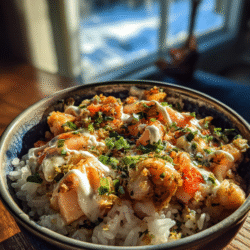
Salmon Rice Bowl Recipe (Emily Mariko Viral Lunch) 🍣🥗
Ingredients
- 2 cups cooked sushi rice cooled to room temperature
- 2 fillets skinless salmon about 6 ounces each
- 1 tablespoon soy sauce for drizzling
- 1/2 teaspoon toasted sesame oil for flavor
- 1 cup sliced cucumber for freshness
- 1 cup shredded carrots for crunch
- 2 tablespoons mayonnaise for spicy mayo
- 1 teaspoon sriracha for spicy mayo
- salt and pepper to taste
Instructions
- Start by seasoning the salmon fillets with salt and pepper on both sides. Preheat a skillet over medium heat and add a drizzle of olive oil. Cook the salmon for about 4-5 minutes on each side until cooked through and flaky.
- While the salmon is cooking, prepare the spicy mayo by mixing the mayonnaise with sriracha in a small bowl until well combined. Adjust the spice level according to your preference.
- Once the salmon is cooked, remove it from the skillet and let it rest for a few minutes. Flake the salmon into bite-sized pieces.
- In a serving bowl, layer the sushi rice at the bottom, followed by the flaked salmon, sliced cucumber, and shredded carrots. Drizzle with soy sauce and toasted sesame oil.
- Top the bowl with a generous swirl of spicy mayo and additional toppings like chopped green onions or sesame seeds if desired. Serve immediately and enjoy your vibrant salmon rice bowl!
Notes
Tip 2: This bowl can be made ahead and stored in the fridge for up to two days.
Variation: Substitute salmon with cooked shrimp or tofu for a different protein option.