

Introduction to Southern New Year’s Black-Eyed Peas
As the clock strikes midnight on New Year’s Eve, many cultures around the world have their own unique traditions to usher in the new year. In the Southern United States, one of the most cherished customs is the consumption of black-eyed peas on New Year’s Day. This age-old tradition is steeped in symbolism, believed to bring good luck and prosperity for the year ahead. The practice originates from African American communities and is rooted in the belief that eating these humble legumes will encourage abundance and fortune in the coming months.
Black-eyed peas, with their distinctive appearance and hearty texture, hold a special place in Southern cuisine, weaving a rich tapestry of flavor that speaks to the region’s culinary history. Often enjoyed in a comforting stew or served as a side dish, these peas serve as a reminder of resilience and hope, making them a staple on many Southern tables during New Year’s celebrations. Their earthy, nutty flavor pairs beautifully with a variety of spices and ingredients, creating a dish that not only nourishes but also connects people to their heritage.
This recipe for Southern New Year’s Black-Eyed Peas captures the essence of this beloved tradition. With a combination of flavorful ingredients, it delivers a dish that is not only satisfying but also celebrates the spirit of Southern cooking. Whether served alongside cornbread, collard greens, or other traditional dishes, black-eyed peas are sure to bring warmth and joy to any New Year’s gathering.
Understanding the Ingredients
Dried Black-Eyed Peas
At the heart of this recipe are the dried black-eyed peas themselves. These small, oval legumes are not only prized for their culinary versatility but also for their nutritional benefits. Rich in protein, fiber, and essential vitamins, black-eyed peas are a fantastic source of nutrition that can contribute to a balanced diet. Their mild flavor allows them to absorb the seasonings and spices used in cooking, making them a perfect base for a variety of dishes.
When selecting dried black-eyed peas, look for those that are uniform in color and free from blemishes or debris. Unlike canned varieties, dried peas require a bit more preparation but are worth the effort for their superior flavor and texture. Soaking them before cooking is essential, as it helps to rehydrate the peas, allowing them to cook evenly and reducing the overall cooking time.
Chicken or Vegetable Broth
Another key ingredient in this recipe is the broth, which serves as the flavorful base for the dish. Chicken or vegetable broth adds depth and richness to the black-eyed peas, enhancing their natural taste. For those who prefer a vegetarian or vegan option, vegetable broth is an excellent choice, infused with herbs and spices that complement the other ingredients.
Using broth instead of water also contributes to a more satisfying and layered flavor profile. When selecting your broth, opt for low-sodium varieties to control the saltiness of the dish, allowing you to season it to your preference.
Aromatics: Onion, Garlic, Bell Pepper, Carrot, and Celery
Aromatic vegetables are crucial in building the foundation of flavor in Southern cooking. In this recipe, we’ll use a combination of onion, garlic, bell pepper, carrot, and celery—often referred to as the “holy trinity” in Southern cuisine.
– Onion: A staple in nearly every savory dish, onions add sweetness and depth to the overall flavor.
– Garlic: Known for its pungent aroma, garlic brings a robust taste that enhances the dish’s complexity.
– Bell Pepper: Adding a slight crunch and a touch of sweetness, bell pepper rounds out the flavor profile and adds a pop of color.
– Carrot: While adding natural sweetness, carrots also contribute to the dish’s texture and visual appeal.
– Celery: With its crispness and mild flavor, celery adds freshness and balances the richness of the other ingredients.
When preparing these aromatics, it’s important to dice them uniformly to ensure even cooking. This careful preparation will help meld the flavors together as they sauté, creating a delicious base for the black-eyed peas.
Spices and Seasonings: Smoked Paprika, Dried Thyme, and Bay Leaf
The right spices and seasonings can elevate any dish, and Southern New Year’s Black-Eyed Peas are no exception. In this recipe, we’ll incorporate smoked paprika, dried thyme, and bay leaf to bring warmth and complexity.
– Smoked Paprika: This spice not only adds a subtle smokiness but also a vibrant red hue to the dish. It infuses the black-eyed peas with a rich, earthy flavor that is characteristic of Southern fare.
– Dried Thyme: Commonly used in Southern cooking, thyme adds a fragrant, herbaceous note that complements the other ingredients beautifully.
– Bay Leaf: A staple in many soups and stews, bay leaves impart a subtle depth of flavor. Remember to remove the bay leaf before serving, as it can be tough and inedible.
The Importance of Apple Cider Vinegar
Apple cider vinegar is a unique ingredient that plays a crucial role in balancing the flavors of this dish. Its tangy acidity cuts through the richness of the broth and the fats from any additional meats or oils, providing a refreshing contrast. The vinegar enhances the overall flavor profile, ensuring that the dish is well-rounded and satisfying.
When using apple cider vinegar, be sure to add it gradually and taste as you go. This allows you to adjust the acidity to your liking, creating a dish that is perfectly balanced.
Fresh Parsley as a Garnish
While often overlooked, fresh parsley serves not only as a garnish but also as a flavorful and nutritious addition to the dish. Rich in vitamins K and C, parsley adds a fresh, herbaceous note that brightens the overall flavor. Sprinkle chopped parsley over the finished dish for an appealing presentation and an extra layer of flavor.
Preparing the Black-Eyed Peas
Importance of Soaking Dried Black-Eyed Peas
Before you can enjoy your Southern New Year’s Black-Eyed Peas, it’s essential to prepare the dried peas properly. Soaking them is a crucial step that affects both texture and cooking time. By soaking black-eyed peas, you allow them to absorb water, which helps to soften their outer skin and reduces the cooking time significantly.
There are two common methods for soaking: the overnight soak and the quick soak. For the overnight soak, simply place the dried peas in a large bowl, cover them with water, and let them soak for at least 8 hours or overnight. The quick soak method involves bringing a pot of water to a boil, adding the peas, and then letting them sit for an hour off the heat. Both methods will yield tender peas that cook evenly.
Step-by-Step Preparation of Vegetables
Next, it’s time to prepare the aromatic vegetables. Start by peeling and dicing the onion and garlic. For even cooking, aim for uniform pieces—about a quarter-inch in size works well. Next, chop the bell pepper, carrot, and celery into similar-sized pieces. This ensures that all the vegetables cook evenly and meld together in the final dish.
When dicing, use a sharp knife and a cutting board for stability. If you’re not comfortable with your knife skills, there are many video tutorials available online that demonstrate safe and efficient chopping techniques. The goal is to create a cohesive mix of vegetables that will enhance the flavor of the black-eyed peas.
Gathering Necessary Kitchen Tools and Equipment
Before you begin cooking, gather all necessary kitchen tools and equipment to streamline the process. Here’s a quick checklist of what you’ll need:
– A large pot or Dutch oven for cooking the black-eyed peas
– A cutting board and sharp knife for chopping vegetables
– A measuring cup and spoons for precise ingredient measurements
– A wooden spoon or spatula for stirring
– A ladle for serving
– Storage containers for leftovers
Having everything ready before you start cooking will make the process smoother and more enjoyable.
Cooking Process: Sautéing the Aromatics
Now that your ingredients are prepped, it’s time to sauté the aromatics. Begin by heating a few tablespoons of oil in your large pot or Dutch oven over medium heat. Once the oil is shimmering, add the diced onion and sauté for about 3-4 minutes until it becomes translucent. The goal is to release the onion’s natural sweetness.
Next, add the garlic and continue to sauté for another minute until fragrant. Be careful not to burn the garlic, as it can become bitter. Add the bell pepper, carrot, and celery to the pot, cooking for an additional 5-7 minutes until the vegetables soften and develop a rich, aromatic base.
As you sauté, stir occasionally to prevent sticking and ensure even cooking. The vibrant colors and enticing aromas will begin to fill your kitchen, signaling that you’re well on your way to creating a delicious Southern dish.
This initial phase of cooking sets the stage for the black-eyed peas to absorb all the flavors from the aromatics and spices, making for a comforting and satisfying meal that honors Southern traditions. The next steps will involve combining the soaked peas, broth, and seasonings, leading to a delightful dish that embodies the spirit of New Year’s celebrations in the South.
Stay tuned for the continuation of this recipe, where we will explore the cooking process in detail, ensuring that your Southern New Year’s Black-Eyed Peas turn out perfectly every time!
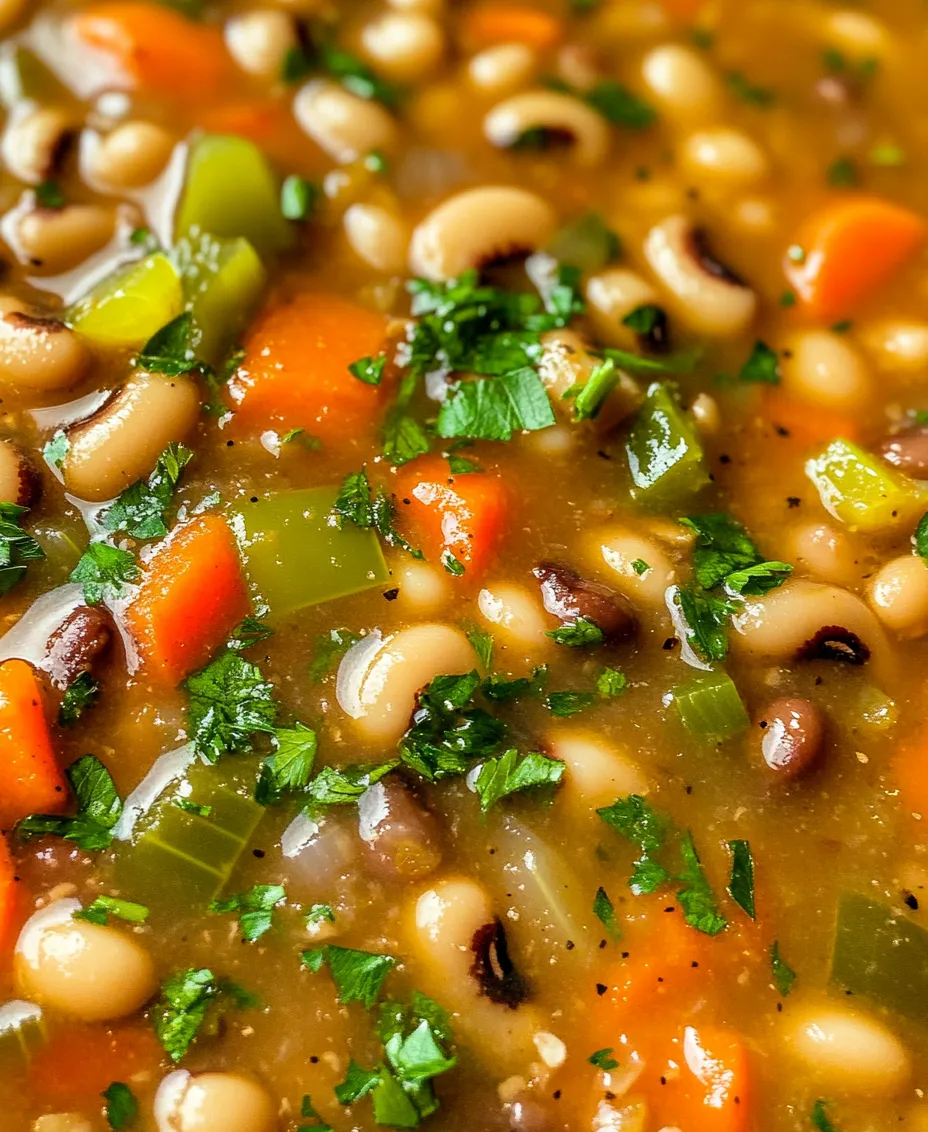
The Significance of Cooking Aromatics Properly
Cooking aromatics is a crucial step in ensuring your Southern New Year’s Black-Eyed Peas are infused with rich flavors. Aromatics such as onions, garlic, and bell peppers form the backbone of this dish, providing depth and complexity to the otherwise simple ingredients. When prepared correctly, these ingredients release their essential oils and flavors, creating a fragrant base that enhances the overall taste profile of the dish.
To achieve this, begin by dicing your onions and bell peppers finely. Sauté them in a generous amount of oil over medium heat until they become tender and translucent. This process typically takes about 5-7 minutes. The key here is patience; rushing this step can lead to undercooked aromatics, which will not contribute the desired flavor to your black-eyed peas. Adding minced garlic towards the end of this sautéing process ensures that it does not burn, maintaining its pungent flavor and aroma.
Tips on Achieving the Right Tenderness and Flavor
The tenderness of black-eyed peas is vital for a successful dish. If you’ve soaked your peas overnight, they will cook faster and more evenly. When cooking, you want them to be soft enough to mash slightly with a fork but still retain their shape. A good rule of thumb is to check for doneness after about 45 minutes of simmering. If they are still firm, continue cooking and checking every 5 minutes.
Flavor plays an equally important role. As the peas cook, they will absorb the flavors released from the aromatics, seasonings, and broth. For an even more robust taste, consider adding a splash of apple cider vinegar or a squeeze of lemon juice towards the end of cooking. This acidity will brighten the flavors and balance the dish beautifully.
Explanation of Adding Seasonings and Their Impact
Seasonings are what elevate your Southern New Year’s Black-Eyed Peas from good to unforgettable. Common seasonings include bay leaves, thyme, and smoked paprika, each contributing its unique flavor. Bay leaves lend a subtle herbal note, while thyme introduces earthiness. Smoked paprika adds a hint of smokiness that complements the legumes perfectly.
When adding seasonings, consider the timing. Adding dried herbs early in the cooking process allows their flavors to infuse the dish, while fresh herbs should be added towards the end to preserve their freshness. Always taste your dish as it cooks, adjusting seasonings as needed. Remember, the goal is to achieve a well-balanced flavor profile that highlights the natural taste of the black-eyed peas.
How to Recognize When Spices Bloom and Enhance the Dish
Recognizing when your spices bloom is essential for maximizing flavor. Blooming spices is the process of cooking them in oil or liquid, allowing the essential oils to be released and their flavors to intensify. You can tell spices have bloomed when they become fragrant, which typically occurs within a minute or two of cooking in hot oil.
To bloom spices, add them to the pan shortly after the aromatics have softened. Stir them into the mixture, allowing them to toast slightly before adding your soaked black-eyed peas and broth. This technique will significantly enhance the overall taste of your dish, making it more aromatic and flavorful.
Combining Soaked Peas with Broth
Once your aromatics are perfectly cooked and your spices have bloomed, it’s time to combine the soaked black-eyed peas with broth. A good-quality vegetable or chicken broth serves as an excellent base, adding depth and richness to the dish. Use about four cups of broth for every cup of soaked black-eyed peas, ensuring there’s enough liquid to cook the peas through without them drying out.
Pour the broth into the pot, stirring well to combine all ingredients. This mixture should cover the peas by at least an inch to allow for proper cooking. If you find yourself short on broth, feel free to use water as a substitute, but remember that it may slightly alter the flavor of your dish.
Importance of Liquid Ratios for Cooking Legumes
The liquid ratio when cooking legumes is critical to achieving the right texture and flavor. For black-eyed peas, a general rule is to use four cups of liquid for every cup of dried peas. However, keep in mind that the exact amount can vary based on the method of cooking and the desired consistency.
If you prefer a thicker stew-like dish, you can start with less liquid. Conversely, for a soupier consistency, add more broth or water. Keep in mind that while the peas absorb liquid as they cook, they will also release some starch, thickening the dish naturally. Adjust your liquid levels as needed throughout the cooking process, ensuring the peas have enough moisture to become tender.
The Simmering Stage: Patience and Timing
After combining your soaked peas with broth, the next step is to bring the mixture to a gentle simmer. This stage is where patience truly pays off. Allowing the black-eyed peas to simmer slowly helps them cook evenly and absorb all the flavors from the broth and spices.
Maintain a simmer rather than a rolling boil; this will prevent the peas from breaking apart. Cover the pot partially with a lid to keep some moisture in while allowing steam to escape. During this time, check the peas occasionally, stirring gently to ensure they are not sticking to the bottom of the pot. The cooking process will typically take about 45 minutes to an hour, depending on how tender you prefer your peas.
How to Monitor for Doneness and Adjust Liquid Levels
Monitoring the doneness of your black-eyed peas is essential for achieving the perfect texture. As you approach the 45-minute mark, begin testing the peas for tenderness. They should be cooked through but still hold their shape. If they are not yet tender, continue to simmer and check every 5 minutes.
During this time, it’s important to adjust the liquid levels as necessary. If you notice that the broth is evaporating too quickly, you can add more water or broth, ensuring that the peas remain submerged. Conversely, if you prefer a thicker consistency, you may choose to leave the lid off for the last few minutes of cooking to allow some liquid to evaporate.
Serving Suggestions
Serving Southern New Year’s Black-Eyed Peas can be a delightful experience, especially when paired with traditional Southern accompaniments. Here are some classic serving suggestions that will elevate your dish:
Traditional Pairings with Southern New Year’s Black-Eyed Peas
Black-eyed peas are often served alongside cornbread and collard greens, creating a well-rounded and hearty meal. Cornbread provides a slightly sweet and crumbly texture that contrasts beautifully with the savory peas, while collard greens add a nutritious leafy green element to the plate.
Cornbread: Recipes or Variations to Complement the Dish
Cornbread is a Southern staple that pairs perfectly with black-eyed peas. You can prepare traditional cornbread using cornmeal, flour, buttermilk, and eggs for a classic recipe. For a twist, consider adding jalapeños for heat or cheese for richness. Skillet cornbread, baked in a cast-iron skillet, provides a crispy exterior and moist interior, making it a favorite choice.
Serving Over Rice: Benefits and Flavor Combinations
Serving black-eyed peas over rice is another popular option, particularly in Southern cuisine. The rice absorbs the flavors of the peas and broth, creating a comforting and satisfying dish. You can use white, brown, or even flavored rice, such as garlic or herb-infused varieties, to enhance the meal further.
Creative Variations to the Basic Recipe
While the traditional preparation of black-eyed peas is delightful, don’t hesitate to experiment with variations. Consider adding diced tomatoes for acidity or incorporating cooked sausage or ham for a meaty twist. You can also introduce other vegetables like carrots or bell peppers to make the dish even heartier and more nutritious.
Adding Meats or Other Vegetables for a Heartier Meal
For those looking to create a more filling dish, adding meats such as diced ham, smoked turkey, or bacon can enhance flavor and provide protein. Simply add the meat when you combine the peas with broth to allow the flavors to meld as they cook. Alternatively, you can sauté vegetables like carrots, celery, or zucchini and add them in for added texture and nutrition.
Presentation Tips for a Festive New Year’s Table
When presenting your Southern New Year’s Black-Eyed Peas, consider using colorful bowls or platters to make the dish visually appealing. Garnish with fresh herbs, such as parsley or cilantro, for a pop of color. Serve with a side of cornbread and collard greens for a complete meal that embodies Southern hospitality.
Nutritional Value and Health Benefits
Southern New Year’s Black-Eyed Peas are not only delicious but also packed with essential nutrients that promote health and wellness. Here’s a breakdown of their key nutritional components:
Breakdown of Key Nutrients Found in the Dish
Black-eyed peas are rich in protein, fiber, vitamins, and minerals. A typical serving contains approximately 160 calories, 10 grams of protein, and 6 grams of dietary fiber. They are also a good source of folate, potassium, and magnesium, making them an excellent addition to a balanced diet.
Focus on Protein, Fiber, and Essential Vitamins
The combination of protein and fiber in black-eyed peas helps keep you feeling full and satisfied, making them an ideal choice for weight management. Fiber also supports digestive health and helps regulate blood sugar levels. Folate, an essential B-vitamin, is crucial for cellular function and tissue growth.
Health Benefits Associated with Black-Eyed Peas
Black-eyed peas are associated with several health benefits. Their high fiber content promotes heart health by helping to lower cholesterol levels and reduce the risk of heart disease. Additionally, they support digestive health and may help prevent constipation.
Role in Heart Health, Digestion, and Overall Wellness
Including black-eyed peas in your diet can contribute to overall wellness. The nutrients found in these legumes support heart health, improve digestion, and help maintain stable blood sugar levels. Moreover, their low glycemic index makes them a suitable option for those managing diabetes.
Dietary Considerations for Various Audiences
This dish can easily cater to different dietary preferences. Black-eyed peas are naturally vegetarian and vegan, making them suitable for plant-based diets. Additionally, they are gluten-free, providing an excellent option for those with gluten sensitivities. You can easily adjust the recipe to accommodate various dietary restrictions or preferences.
Conclusion
Southern New Year’s Black-Eyed Peas symbolize prosperity, good fortune, and community, making them a cherished dish in many households. As you prepare this traditional recipe, you not only honor a beloved culinary heritage but also create an opportunity for family and friends to gather and share a meal together.
Incorporating this dish into your New Year’s tradition can serve as a reminder of the importance of community and shared experiences. Whether enjoyed on New Year’s Day or any day of the year, black-eyed peas can bring warmth and connection to your table. So gather your ingredients, follow the steps, and let the spirit of Southern hospitality fill your home with joy and delicious aromas. Enjoy your Southern New Year’s Black-Eyed Peas and may they bring you good luck and prosperity for the year ahead!
