

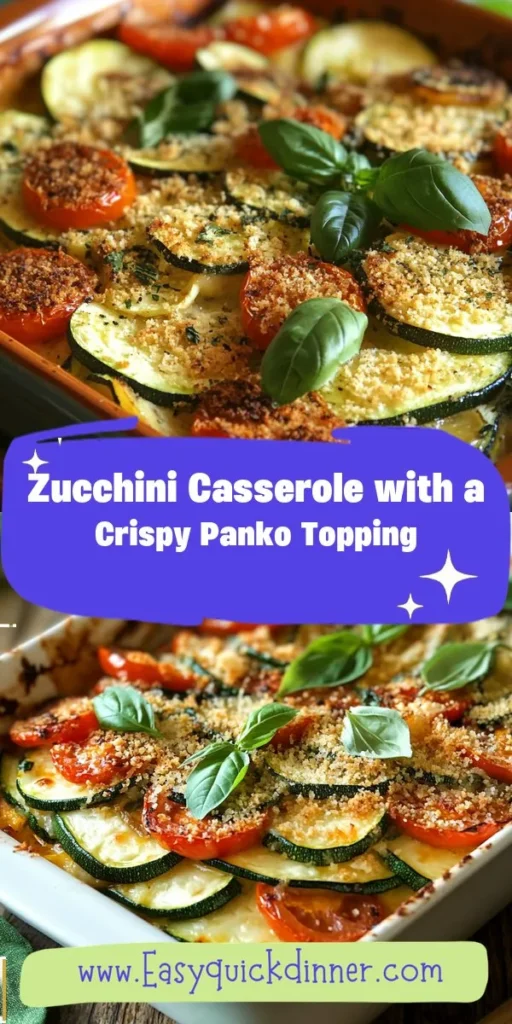
Zucchini casserole is a delightful dish that showcases the fresh flavors of vegetables combined with the comforting richness of cheese and creamy textures. This recipe for Zucchini Casserole with a Crispy Panko Topping highlights the versatility of zucchini while providing a satisfying meal that is perfect for family gatherings or a cozy weeknight dinner. In this article, we will delve into the ingredients, preparation steps, and reasons why this dish is a must-try for anyone seeking a delicious and nutritious meal.
Understanding the Appeal of Zucchini Casserole
Nutritional Benefits of Zucchini
Zucchini is a remarkable vegetable, not only for its culinary applications but also for its impressive nutritional profile. It is low in calories, making it an excellent choice for those watching their weight. With a high water content, zucchini helps to keep you hydrated while contributing to your overall nutrient intake. Additionally, it is rich in essential vitamins such as vitamin C and vitamin A, both of which play vital roles in maintaining a healthy immune system and good vision.
Beyond vitamins, zucchini is a good source of dietary fiber, which is crucial for digestive health. Including fiber-rich foods in your diet can help regulate your digestive system, prevent constipation, and may even aid in weight management by promoting a feeling of fullness. Given these benefits, incorporating zucchini into your meals can be a flavorful and health-conscious choice.
The Versatility of Zucchini in Cooking
Zucchini’s adaptability in the kitchen is one of its most appealing characteristics. It can be used in a variety of culinary creations, including soups, salads, stir-fries, and, of course, casseroles. This vegetable can take on a range of flavors, making it an easy addition to various cuisines. Whether you prefer Mediterranean spices, Italian herbs, or Asian-inspired sauces, zucchini can complement and enhance these flavors beautifully.
In this Zucchini Casserole recipe, the vegetable acts as a base, absorbing the rich, creamy elements while adding its unique texture and mild taste. This versatility is not only appealing to the palate but also allows for creativity in the kitchen, encouraging home cooks to experiment with different flavor combinations and ingredients.
Why Casseroles Are Comfort Food
Casseroles have long been celebrated as comfort food, and for good reason. They offer a communal aspect that brings people together, whether it’s a family gathering or a potluck with friends. The act of baking a casserole creates a warm, inviting aroma that fills the home, evoking feelings of nostalgia and comfort.
Moreover, casseroles can be prepared in advance, making them incredibly convenient for busy weeknights or meal prep. By assembling the ingredients ahead of time, you can simply pop your dish into the oven when you’re ready to eat, allowing for a stress-free cooking experience. This Zucchini Casserole is no exception; it can be made ahead of time and stored in the refrigerator, making it a practical and delicious choice for any occasion.
Ingredients Breakdown
Fresh Vegetables: The Foundation
Zucchini: Choosing the Best Varieties
When it comes to choosing zucchini for your casserole, opt for firm, unblemished specimens. Look for those that are medium-sized, as larger zucchinis can often be overripe and contain more seeds, which may affect texture. Green zucchini is the most common variety, but yellow zucchini can also be used for a pop of color and slightly different flavor. Both varieties will contribute to the casserole’s overall taste and texture.
Yellow Onion: Enhancing Flavor Profiles
Yellow onions are a staple in many savory dishes, including this casserole. Their natural sweetness develops when sautéed, adding depth to the flavor profile of the dish. When selecting onions, look for ones that feel heavy for their size and have dry, papery skin. Avoid any that have soft spots or sprouting, as these can indicate spoilage.
Mushrooms: Adding Umami Depth
Mushrooms are another key ingredient in this casserole, providing an earthy umami flavor that enhances the overall dish. Varieties such as cremini or button mushrooms work well, but feel free to experiment with shiitake or portobello for a more robust taste. When selecting mushrooms, choose those that are firm, dry, and free of blemishes. To prepare them, simply wipe them clean with a damp cloth, as washing them under water can make them soggy.
Dairy Ingredients: Creaminess and Flavor
Shredded Cheddar Cheese: Types and Alternatives
Cheddar cheese is the star of this casserole, delivering a rich, creamy flavor that binds the ingredients together. When selecting cheese, consider using sharp cheddar for an intense flavor or mild cheddar for a more subtle taste. You can also experiment with other cheese varieties, such as Monterey Jack or mozzarella, for a different twist.
Sour Cream: Its Role in Texture and Taste
Sour cream adds a luxurious creaminess to the casserole, balancing the flavors and contributing to a velvety texture. If you’re looking for a lighter option, Greek yogurt can be used as a substitute without sacrificing creaminess.
Eggs: Binding Agent for the Casserole
Eggs play a crucial role in binding the casserole ingredients together, ensuring that everything holds its shape once baked. They also add richness and protein to the dish. When using eggs, ensure they are at room temperature for the best incorporation into the mixture.
Seasoning and Toppings
Dried Oregano: Herbaceous Notes
To elevate the flavor of your Zucchini Casserole, dried oregano is an excellent addition. This herb provides a warm, aromatic quality that complements the vegetables and cheese. If you have fresh oregano on hand, feel free to use it for an even more pronounced flavor; just be sure to adjust the quantity accordingly, as fresh herbs are generally more potent.
Salt and Black Pepper: Essential Seasoning
Salt and black pepper are essential for enhancing the flavors of your dish. Use them generously to season the vegetables while sautéing, as this will help to draw out their natural sweetness and bring everything together. Remember, you can always adjust seasoning to taste before baking!
Panko Breadcrumbs: Creating a Crispy Topping
Panko breadcrumbs are the secret to achieving a delightfully crispy topping for your casserole. These Japanese-style breadcrumbs are lighter and airier than traditional breadcrumbs, resulting in a satisfying crunch. For added flavor, you can toss the panko with a bit of olive oil or melted butter before sprinkling it on top of the casserole.
Grated Parmesan Cheese: Enhancing Flavor and Texture
Finally, a sprinkle of grated Parmesan cheese on top of the panko will further enhance the flavor and texture of the casserole. This cheese adds a nutty, salty note that beautifully complements the richness of the cheddar cheese and sour cream. Look for freshly grated Parmesan for the best results, as pre-packaged varieties often contain additives that can affect flavor and texture.
Step-by-Step Preparation Guide
Prepping the Ingredients
Techniques for Slicing Zucchini and Chopping Onions
To prepare the zucchini, start by washing them thoroughly under running water. Trim off the ends before slicing; you can cut the zucchini into rounds or half-moons, depending on your preference. Aim for uniform thickness to ensure even cooking. For the onions, peel off the outer skin and slice them in half. Place the flat side down on the cutting board for stability and chop them into small, even pieces. Proper vegetable preparation is essential for achieving the best texture and flavor in your casserole.
Importance of Proper Vegetable Preparation
Taking the time to properly prepare your vegetables is crucial in enhancing the overall quality of the dish. Uniformly sliced zucchini and evenly chopped onions will cook evenly, ensuring that each bite of the casserole is delicious and satisfying. Additionally, well-prepared vegetables release their flavors more effectively, contributing to the overall taste of the casserole.
Cooking the Base Mixture
Sautéing Onions and Garlic: Achieving Perfect Translucence
In a large skillet, heat a drizzle of olive oil over medium heat. Once hot, add the chopped onions, and sauté them until they become translucent, which usually takes about 3-5 minutes. This step is vital as it develops the flavor base of your casserole. For added depth, consider adding minced garlic to the pan during the last minute of cooking, allowing it to become fragrant without burning.
This initial step of sautéing your aromatics sets the stage for a flavorful casserole. Once the onions are translucent and the garlic is aromatic, you’ll be ready to add the zucchini and mushrooms to the skillet, continuing to build the flavor profile of your dish.
The next part of this recipe will guide you through the process of combining these ingredients and building your delicious Zucchini Casserole with a Crispy Panko Topping. Stay tuned as we expand on how to finalize your casserole and prepare it for baking.
Cooking Mushrooms: Tips for Moisture Release
Mushrooms are a fantastic addition to any casserole, providing an earthy flavor and a meaty texture. However, they are also known for their high water content, which can lead to a soggy casserole if not handled correctly. To ensure that your mushrooms release moisture effectively, consider the following tips:
1. Use a Non-Stick Pan: A non-stick skillet allows for even cooking without sticking, making it easier to sauté the mushrooms and encourage moisture evaporation.
2. High Heat Cooking: Sauté mushrooms over medium-high heat. This helps them brown quickly and releases moisture faster. If the heat is too low, the mushrooms will steam instead of sautéing, which can result in excess liquid.
3. Avoid Overcrowding the Pan: When cooking mushrooms, do it in batches if necessary. Overcrowding the pan traps steam, preventing them from browning. This can make them soggy rather than crispy.
4. Season Early: Season the mushrooms with a pinch of salt during cooking. This draws out moisture and enhances their flavor. Just be cautious not to add too much salt at this stage, as you’ll be seasoning the entire casserole later.
Combining Vegetables: Ensuring Even Cooking
For a well-balanced zucchini casserole, it’s crucial to ensure that all vegetables are evenly cooked. When preparing the vegetable mixture, follow these tips:
1. Cut Uniformly: Chop your zucchini, bell peppers, and onions into similar-sized pieces to promote even cooking. This uniformity helps each vegetable cook at the same rate.
2. Layering Technique: When sautéing, add vegetables in stages based on their cooking times. For instance, start with onions and bell peppers, which take slightly longer to soften, and then add zucchini and other quicker-cooking ingredients.
3. Pre-Cooking: Consider briefly pre-cooking your vegetables before combining them into the casserole. This ensures they are tender by the time the casserole is finished baking.
Mixing the Casserole Filling
Once your vegetables are sautéed to perfection, it’s time to mix the casserole filling.
Combining Dairy Ingredients: Achieving Smoothness
The creamy base of your zucchini casserole relies on a smooth blend of dairy ingredients. Here’s how to achieve that:
1. Room Temperature Dairy: Use cream cheese, sour cream, or any other dairy products at room temperature. This prevents clumps and allows for a smoother mixture when blended.
2. Use a Whisk or Mixer: Combine your dairy ingredients in a mixing bowl using a whisk or an electric mixer. This ensures that all ingredients are well incorporated, resulting in a creamy base that binds the vegetables together.
3. Gradual Addition: If you’re using a thick dairy product like cream cheese, gradually add in the other liquids to avoid lumps. Start by blending the cream cheese alone, then slowly mix in sour cream or milk.
Folding in the Vegetable Mixture: Technique for Even Distribution
Once your dairy is smooth, it’s time to fold in the sautéed vegetables.
1. Gentle Folding: Use a spatula to gently fold the vegetable mixture into the dairy. This technique prevents the vegetables from breaking down and maintains their texture.
2. Ensure Full Incorporation: Make sure that the vegetable mixture is evenly distributed throughout the creamy base. You can do this by folding from the bottom of the bowl and rotating it as you mix.
Assembling the Casserole
With your filling ready, the next step is to assemble the casserole.
Greasing the Baking Dish: Importance for Easy Serving
Before adding your casserole filling, greasing the baking dish is crucial for easy removal and serving.
1. Choose the Right Fat: Use butter, oil, or cooking spray to coat the baking dish. This not only prevents sticking but also adds a bit of flavor to the dish.
2. Even Coating: Make sure the entire bottom and sides of the dish are coated. A pastry brush or paper towel can help achieve an even layer.
Layering the Mixture: Ensuring a Well-Distributed Casserole
Proper layering of the casserole mixture guarantees even cooking and flavor distribution.
1. Spread Evenly: Pour the filling into the greased baking dish and use a spatula to spread it evenly across the surface. This ensures that every bite has a balanced flavor.
2. Tap It Down: Gently tap the dish on the countertop. This helps to settle the mixture, preventing air pockets and ensuring even cooking.
Creating the Crispy Panko Topping
The final touch to your zucchini casserole is the crispy panko topping, which adds texture and flavor.
Mixing Panko with Olive Oil and Cheese: Achieving the Right Texture
To create the perfect crispy topping, follow these steps:
1. Combine Ingredients: In a separate bowl, mix panko breadcrumbs with olive oil and grated cheese (like Parmesan or mozzarella). The oil will help the breadcrumbs crisp up in the oven, while the cheese adds flavor.
2. Adjust Ratios: For a more decadent topping, you can increase the cheese content. Aim for a ratio of about 1 cup of panko to ½ cup of cheese.
How to Evenly Sprinkle the Topping for Maximum Crunch
1. Even Distribution: Use your fingers to sprinkle the panko mixture evenly across the top of the casserole. Start from the center and work your way outwards for consistent coverage.
2. Press Down Lightly: After sprinkling, gently press the panko topping into the vegetable mixture. This helps it adhere during baking, ensuring that it stays on top and creates a crunchy crust.
Baking the Casserole
With the casserole assembled, it’s time to bake.
Setting the Right Temperature
1. Preheat the Oven: Always preheat your oven to 350°F (175°C) before placing your casserole inside. This ensures that the casserole cooks evenly from the moment it goes in.
2. Baking Time: Bake the casserole for about 30-35 minutes, or until the top is golden brown and the filling is bubbling.
Knowing When It’s Done
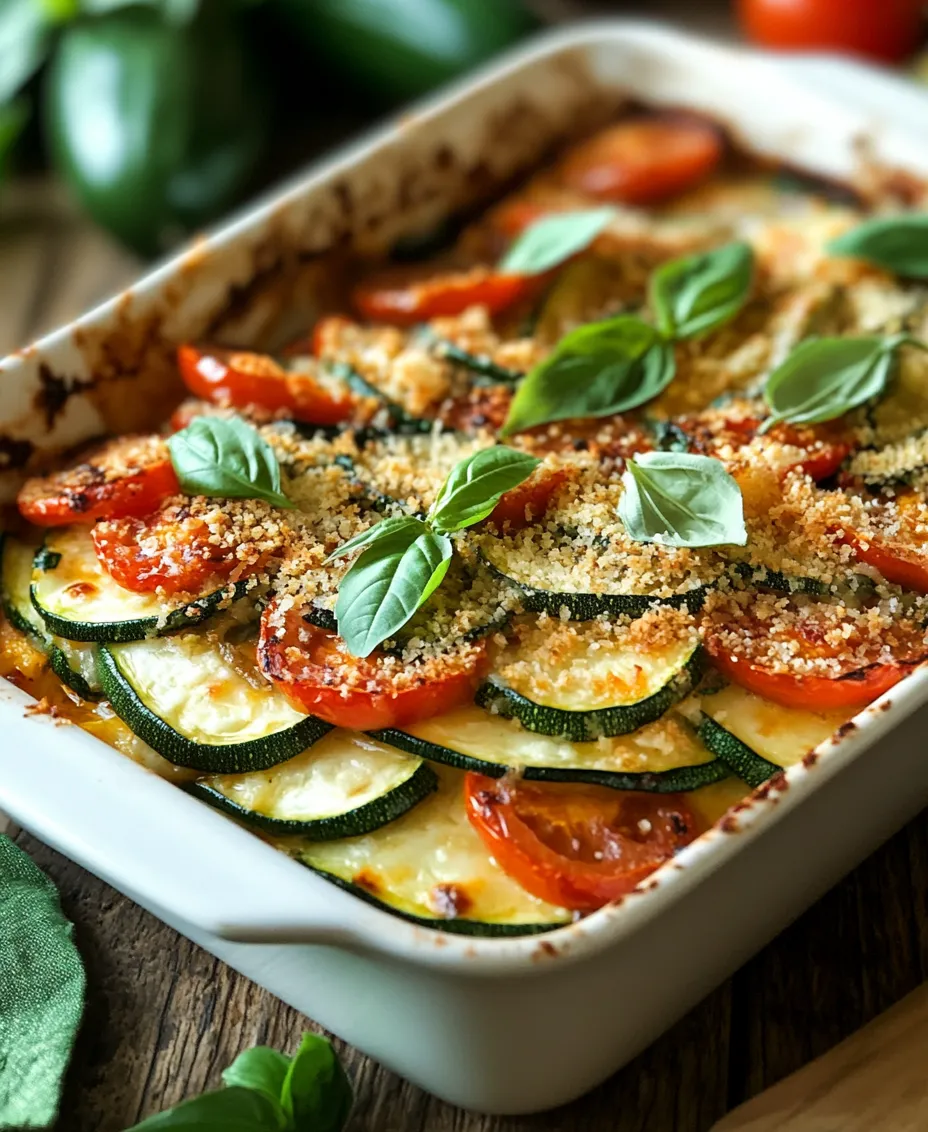
1. Color and Texture Cues: Look for a golden-brown color on the panko topping and bubbling edges in the filling. The texture should be firm but not dry.
2. Resting Time: Once baked, allow the casserole to rest for at least 10-15 minutes before serving. This resting period helps the casserole set and makes it easier to cut into squares.
Serving Suggestions
Garnishing the Casserole
1. Fresh Parsley: A sprinkle of freshly chopped parsley not only enhances the dish’s appearance but also adds a burst of freshness.
2. Other Garnish Ideas: Consider adding a squeeze of lemon juice or a dash of chili flakes for an extra kick. You can also top with additional cheese before serving for added richness.
Pairing Ideas
1. Recommended Side Dishes: Serve your zucchini casserole with a light salad or roasted vegetables to balance the richness. Garlic bread or a side of quinoa also pairs well.
2. Beverage Pairings: A crisp white wine, like Sauvignon Blanc, complements the flavors of the casserole beautifully. Alternatively, a refreshing lemonade or iced tea can provide a nice contrast.
Storage and Reheating Tips
Proper Storage Methods
1. Best Practices for Storing Leftovers: Allow the casserole to cool completely before storing. Transfer it to an airtight container to keep it fresh.
2. Containers that Maintain Freshness: Glass or plastic containers with tight-fitting lids work well. If you plan to freeze it, use a freezer-safe container and label it with the date.
Reheating Techniques
1. Oven vs. Microwave: While the microwave is quick, reheating in the oven is best for maintaining texture. If using the oven, cover the casserole with foil to prevent drying out.
2. Keeping the Panko Topping Crispy: To preserve the crunchiness of the topping, reheat in the oven at a low temperature (around 300°F or 150°C) until warmed through. Remove the foil for the last few minutes to crisp up the topping.
Conclusion
Zucchini Casserole with a Crispy Panko Topping is not just a dish; it’s an experience that combines wholesome ingredients with straightforward preparation. As we’ve explored, this casserole is not only nourishing but also adaptable for various dietary preferences and occasions. With its creamy texture, rich flavors, and crispy topping, this recipe stands out as a beloved comfort food that can warm any table. Embrace the goodness of zucchini and enjoy creating this delightful casserole in your kitchen.
