

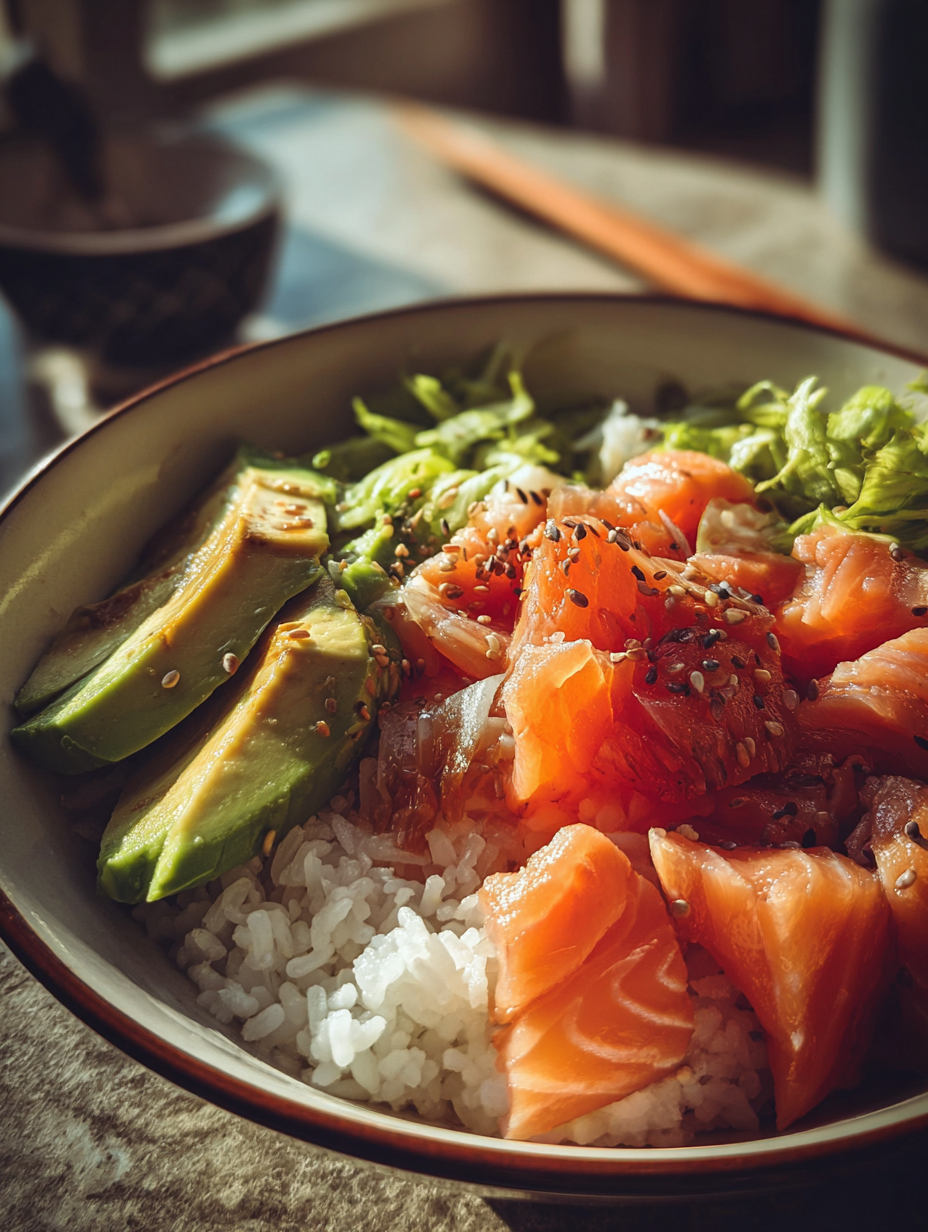
Nourishing Your Body and Soul with Fresh Flavors and Textures
—
Introduction
The first time you discovered the magic of salmon and avocado bowls, it was a sweltering summer afternoon. You found yourself at a quaint café, where the air was thick with the scent of citrus and fresh herbs. As you settled into a cozy corner bathed in sunlight, the server placed a vibrant bowl in front of you. The colors were a feast for the eyes: the deep pink of the salmon, the sun-kissed green of the avocado, and the bright crunch of crisp vegetables. It was as if the dish was painted beautifully, beckoning you to dive in.
You remember the first bite vividly—the creamy texture of the avocado contrasted with the firm, flaky salmon, creating a delightful dance of flavors in your mouth. The dish was topped with a zesty dressing that added a delightful kick, and you could hear the crunch of the veggies as you savored each mouthful. It was a moment of pure bliss, where every sense was engaged.
From that day, this recipe became your go-to not only for its nutritional benefits but also for its ability to lift your spirits. It felt good to nourish your body with wholesome ingredients while enjoying every scrumptious bite. You began to experiment at home, tailoring the recipe to your taste and learning the nuances of balancing flavors and textures. This easy, yet elegant dish quickly became a staple in your kitchen, serving as a reminder that healthy eating can be both satisfying and delicious.
You’re in for a treat as I guide you through creating your own Healthy Salmon & Avocado Bowls—a dish that’s not only nourishing but also a true celebration of fresh ingredients.
—
Why This Recipe Works
The beauty of these Healthy Salmon & Avocado Bowls lies in the harmonious blend of flavors and textures that come together to create a delightful meal. At the heart of this recipe is the combination of salmon and avocado—two powerhouses of nutrition. Salmon is rich in omega-3 fatty acids, which provide a buttery richness, while avocado contributes creaminess and healthy fats that keep you satisfied. This pairing not only enhances the dish nutritionally but also creates a luxurious mouthfeel that you’ll crave again and again.
The contrast of textures is another crucial element that makes this bowl shine. The flaky, tender salmon contrasts beautifully with the smooth, rich avocado. To elevate this further, you’ll incorporate crunchy vegetables like cucumbers and radishes. Their crispness brings a fresh snap that balances the rich flavors, while a sprinkle of sesame seeds adds a slightly nutty crunch that rounds out the experience.
Each ingredient plays a pivotal role—brown rice or quinoa serve as a hearty base, giving the dish a comforting foundation. The light citrus dressing, often made with fresh lime juice, brings a zesty brightness that ties all the elements together. This careful layering of flavors and textures is what separates your homemade bowl from the often generic, one-dimensional options found in restaurants or pre-packaged versions.
By preparing this dish at home, you have the freedom to customize it to your liking, ensuring every bite is a reflection of your taste preferences.
—
What Makes It Special
These Healthy Salmon & Avocado Bowls stand out for several reasons.
– Freshness: When you make this recipe at home, you have control over the quality and freshness of your ingredients. You can choose wild-caught salmon, perfectly ripe avocados, and seasonal vegetables, ensuring every bite bursts with flavor.
– Customization: Unlike store-bought versions, you can tweak this dish to suit your dietary needs or cravings. Want it spicy? Add some sriracha. Prefer it vegan? Substitute tofu or tempeh for a plant-based protein.
– Cost-Effective: While dining out for a similar dish can add up, preparing it at home is budget-friendly. You can buy ingredients in bulk and use leftovers creatively in other meals throughout the week.
– Elevated Elements: This recipe features a surprising twist—marinating the salmon in a blend of soy sauce, ginger, and lime before cooking. This not only infuses the fish with a depth of flavor, but it also helps to enhance its natural umami qualities, making your bowl truly memorable.
These unique qualities not only make the dish special but also ensure that every serving is a celebration of flavors and health.
—
Ingredient Breakdown
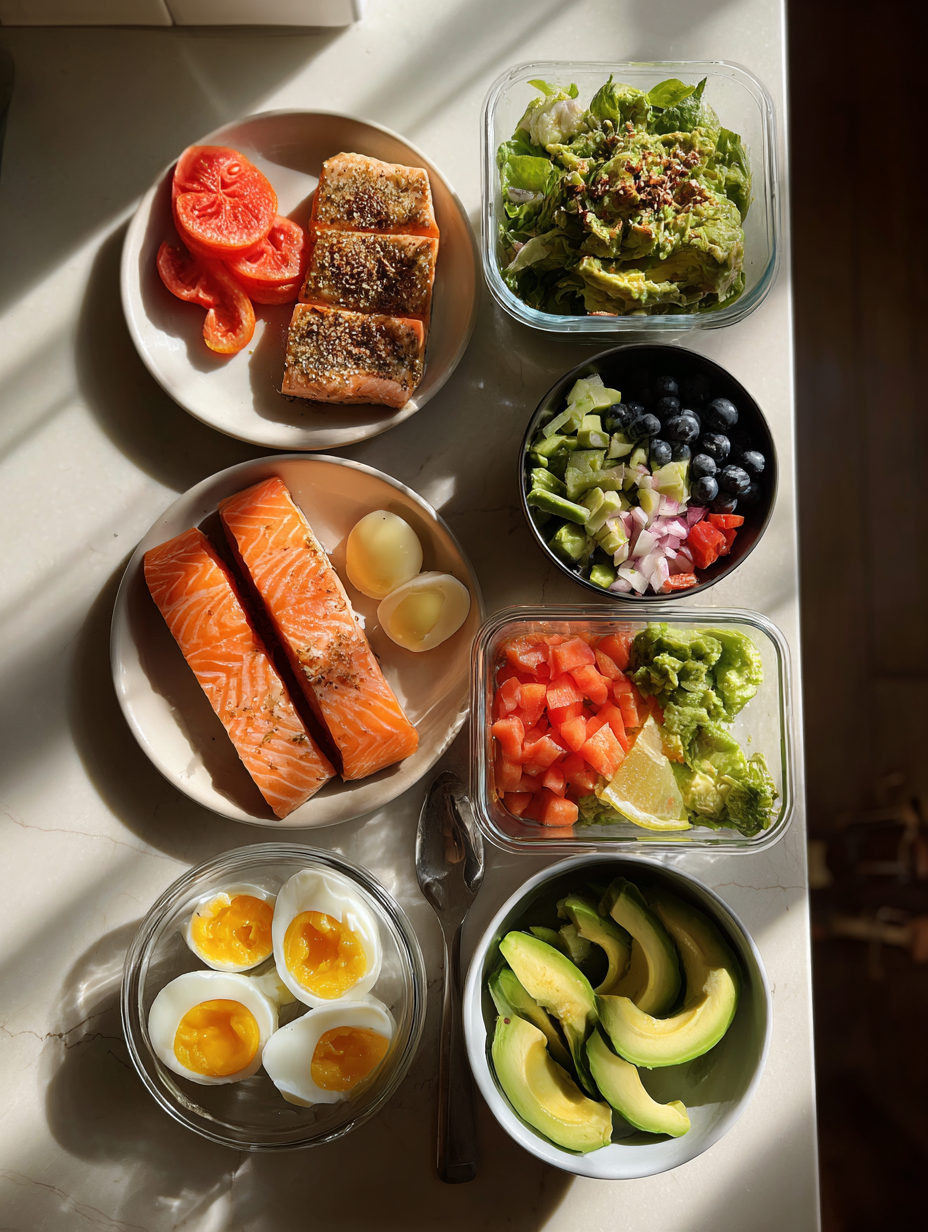
To create your Healthy Salmon & Avocado Bowls, you’ll need the following ingredients, each playing a crucial role in the final dish:
1. Salmon (6 oz per serving): Choose high-quality wild-caught salmon for optimal flavor and nutrients. The rich omega-3 fatty acids not only enhance the taste but also promote heart health.
2. Avocado (1/2 per serving): The creamy texture of avocado provides a delightful contrast to the salmon and contributes healthy fats that keep you full. Aim for ripe avocados, which should yield slightly when pressed.
3. Brown rice or quinoa (1 cup cooked): This serves as the hearty base of your bowl. Both options are packed with fiber and provide a nutty flavor. Quinoa is particularly great for a gluten-free option.
4. Cucumber (1/2, sliced): Fresh cucumber adds a refreshing crunch. You can use English cucumbers for less bitterness.
5. Radishes (3-4, thinly sliced): These add a peppery bite and vibrant color to your bowl, making it visually appealing.
6. Sesame seeds (1 tablespoon): A sprinkle of sesame seeds enhances the overall flavor profile with a nutty crunch.
7. Soy sauce or tamari (for gluten-free option): This adds depth and umami to the salmon when marinating. Tamari is perfect if you’re avoiding gluten.
8. Fresh lime juice (1 tablespoon for dressing): The acidity brightens the dish, balancing the richness of the salmon and avocado.
9. Olive oil (1 tablespoon): Used in the dressing, it brings a silky texture and enhances the flavors of the other ingredients.
10. Fresh herbs (like cilantro or parsley): Optional, but these add an aromatic freshness that elevates the entire dish.
Substitutions:
– For a dairy-free version, simply ensure your soy sauce is gluten-free (tamari) and skip any dairy toppings.
– For a vegan option, replace salmon with marinated tofu or tempeh. Both can absorb flavors beautifully and provide adequate protein.
– If you can’t find fresh radishes, consider using shredded carrots for a similar crunch.
Specialty Ingredients: If you’re looking for high-quality salmon, try your local fish market or an online seafood supplier that focuses on sustainability. Fresh herbs are often available at farmer’s markets, ensuring maximum flavor.
—
Equipment Needed
To whip up your Healthy Salmon & Avocado Bowls, you’ll need a few essential tools:
1. Sharp knife: A good chef’s knife is crucial for slicing ingredients like salmon and avocado with precision, allowing you to create even pieces that will cook evenly.
2. Cutting board: Opt for a sturdy cutting board to provide a stable surface for chopping vegetables and proteins.
3. Medium pot or rice cooker: Use a pot for cooking brown rice or quinoa. A rice cooker can simplify the process, ensuring your grains are perfectly cooked every time.
4. Non-stick skillet or grill pan: This is essential for cooking the salmon. A non-stick surface prevents sticking and allows for easy flipping.
5. Mixing bowl: A medium bowl is ideal for tossing together the dressing and marinating the salmon.
6. Measuring cups and spoons: Accurate measurements will ensure your flavors are balanced and consistent each time you make this dish.
Affordable Alternatives: If you don’t have a rice cooker, you can boil grains in a regular pot. A simple frying pan can suffice in place of a grill pan for cooking the salmon.
Optional Tools: A zester can be handy for adding zest to your lime juice, but it’s not essential. If you don’t have one, you can simply use the juice alone for flavor.
—
This foundation will guide you in creating your own Healthy Salmon & Avocado Bowls, so get ready to enjoy a bowl of deliciousness that’s as good for your taste buds as it is for your body!
Step-by-Step Instructions
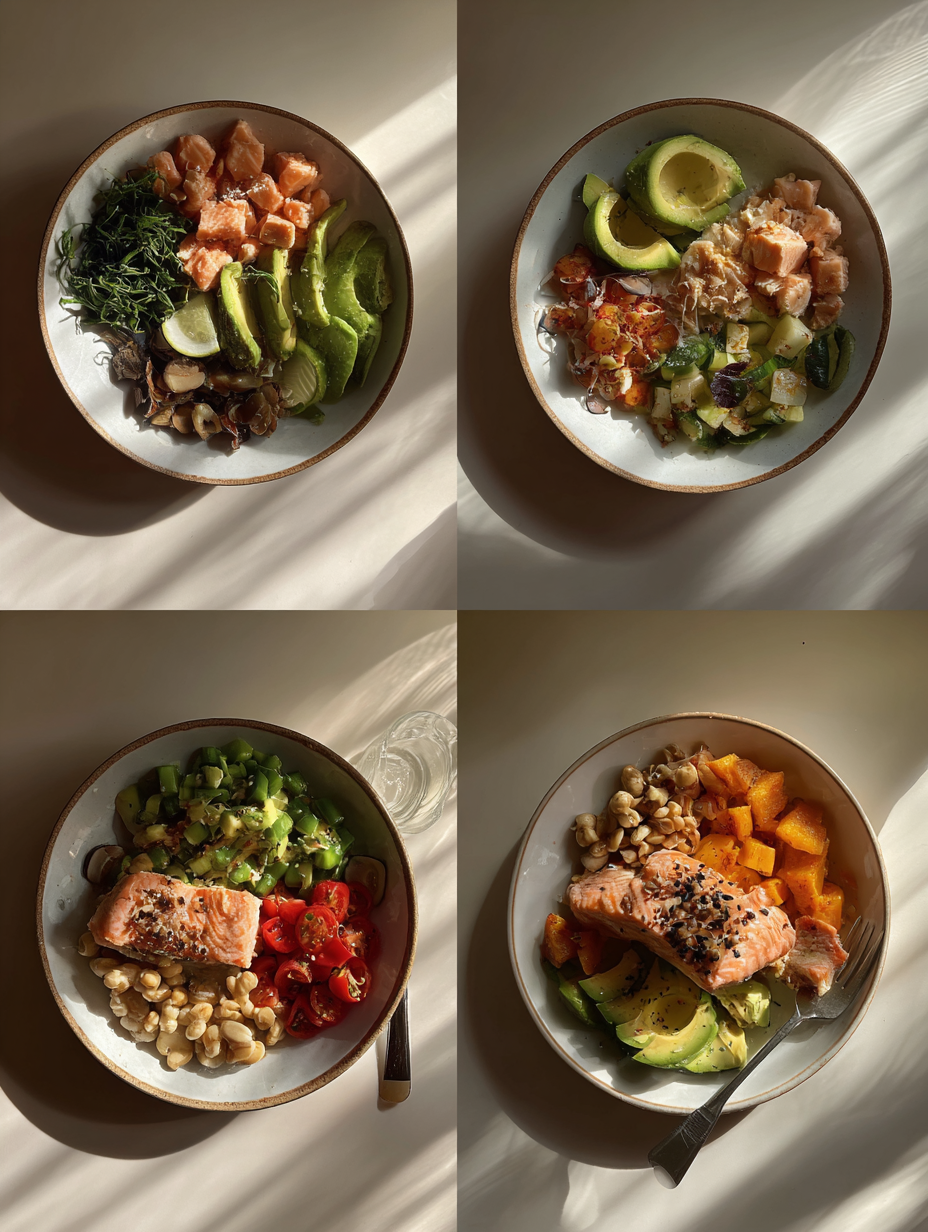
1. Prepare the Salmon: Start by selecting fresh, high-quality salmon fillets, ideally wild-caught if available. Rinse the fillets under cold water and pat them dry with paper towels. Look for salmon that is bright in color, free of brown spots, and firm to the touch. If your salmon is skin-on, place it skin-side down on a cutting board. This will help you season it evenly.
2. Season the Fillets: Generously sprinkle salt and pepper over both sides of the salmon. For added flavor, you can also drizzle a bit of olive oil on top. Listen for the gentle sizzle as you add the oil, and let it coat the fillets evenly. Chef’s Note: Allow the salmon to sit for about 10 minutes at room temperature; this helps it cook more evenly.
3. Cook the Salmon: Heat a non-stick skillet over medium-high heat and add a tablespoon of olive oil. Once the oil is shimmering but not smoking (about 2 minutes), place the salmon in the skillet, skin-side down. Sear the salmon for 4-5 minutes without moving it to develop a crispy skin. You’ll know it’s ready to flip when the edges start to turn opaque and the skin is golden brown.
4. Flip and Finish Cooking: Gently flip the salmon fillets using a spatula, being careful not to tear the flesh. Cook on the other side for another 3-4 minutes, or until the salmon reaches an internal temperature of 145°F. As it cooks, you will hear a gentle sizzle and see the flesh turn a beautiful pastel pink. Chef’s Note: If you’re not sure about doneness, use an instant-read thermometer to check.
5. Prepare the Avocado: While the salmon is cooking, halve a ripe avocado and remove the pit. Use a spoon to scoop the flesh out of the skin and slice it into thin wedges. Look for avocados that yield slightly to gentle pressure but are not overly soft. To prevent browning, you can drizzle a little lemon juice over the slices.
6. Assemble Your Bowl: In a large bowl, start with a base of cooked quinoa or brown rice. Top it with the salmon fillet, arranging it slightly off-center. Next, lay the avocado slices around the salmon, and add a handful of fresh greens like arugula or spinach. Drizzle a homemade dressing of olive oil, lemon juice, and a pinch of salt over your bowl. Chef’s Note: For a more vibrant flavor, consider adding a sprinkle of sesame seeds or a few slices of radishes for crunch.
7. Garnish and Serve: Finish your bowl with a sprinkle of fresh herbs like cilantro or parsley for a pop of color and flavor. If you like a bit of heat, add a few slices of jalapeño or a drizzle of your favorite hot sauce. Serve immediately while the salmon is warm, and enjoy the delightful combination of textures and flavors.
Pro Tips for the Best Results
1. Choose the Right Salmon: Opt for salmon that is bright in color and smells fresh, not fishy. Wild-caught salmon typically has a better flavor and texture than farmed varieties.
2. Let the Salmon Rest: After cooking, allow the salmon to rest for a few minutes. This helps the juices redistribute within the fish, keeping it moist and flavorful.
3. Use Room Temperature Ingredients: When cooking salmon, let it sit at room temperature for about 10 minutes before cooking. This ensures even cooking and helps prevent the fish from becoming rubbery.
4. Don’t Crowd the Pan: If you’re cooking multiple fillets, use a larger skillet or cook them in batches. Crowding the pan can lower the temperature, resulting in steaming rather than searing.
5. Experiment with Seasonings: While salt and pepper are classics, don’t hesitate to experiment with spices like garlic powder, smoked paprika, or fresh herbs. These can elevate the flavor profile of your dish.
6. Perfect Your Rice or Quinoa: Use a rice cooker or follow the package instructions carefully to ensure fluffy, perfectly cooked quinoa or rice. Rinse your grains under cold water to remove excess starch and enhance texture.
7. Add Texture with Crunchy Toppings: Consider topping your bowl with toasted nuts, seeds, or crispy shallots for an added crunch that complements the creamy avocado and tender salmon.
Common Mistakes to Avoid
1. Using Low-Quality Salmon: When you choose subpar salmon, the dish will lack flavor and may have an unpleasant texture. Always select fresh, high-quality salmon for the best results.
2. Overcooking the Salmon: Cooking salmon too long can lead to a dry, tough texture. Aim for an internal temperature of 145°F and remove it from the heat as soon as it’s opaque throughout.
3. Not Seasoning Enough: Skipping proper seasoning can make the dish bland. Ensure you generously season the salmon and the bowl ingredients to enhance their natural flavors.
4. Cutting into the Salmon Too Soon: If you cut into the salmon immediately after cooking, you risk losing moisture. Let it rest for at least 5 minutes to keep the juices locked inside.
5. Ignoring Avocado Ripeness: Using an unripe avocado can lead to a hard, unpalatable texture. Choose avocados that yield slightly to gentle pressure for the best creaminess.
6. Skipping the Base: A healthy bowl needs a base to hold everything together. Don’t forget to include a carb component like quinoa or rice, or your dish will feel incomplete.
7. Neglecting Presentation: Eating is as much about appearance as it is about taste. Take a moment to arrange your bowl thoughtfully; it enhances the overall dining experience.
Creative Variations
1. Seasonal Variation: Spring Herb Bowl — Incorporate seasonal ingredients like asparagus and peas. Blanch the asparagus for 1-2 minutes until bright green, and toss in fresh mint and dill for a burst of flavor.
2. Dietary-Friendly Version: Vegan Avocado Bowl — Swap the salmon for marinated tofu. Press the tofu to remove excess moisture, then marinate in soy sauce, lime, and sesame oil before pan-searing until golden brown.
3. Gourmet Elevated Version: Truffle Salmon Bowl — Upgrade your bowl with a drizzle of truffle oil and finish with shaved truffle or a sprinkle of truffle salt. Pair with a bed of wild rice for an earthy flavor.
4. Quick 15-Minute Version: Sheet Pan Salmon Bowl — Bake salmon fillets in the oven at 400°F on a sheet pan along with asparagus and cherry tomatoes for 10-12 minutes. This one-pan meal is simple and minimizes cleanup.
5. Kid-Friendly Version: Salmon Taco Bowls — Flake the cooked salmon and serve it in tortilla chips with avocado, shredded cheese, and a mild salsa. This fun presentation will appeal to children’s tastes.
6. International Twist: Mediterranean Salmon Bowl — Swap out the quinoa for couscous and top with olives, feta cheese, and a sprinkle of za’atar spice. A lemony tahini dressing will tie all the flavors together beautifully.
Serving Ideas
To plate your Healthy Salmon & Avocado Bowls beautifully, consider these inspiring techniques:
1. Colorful Layering: Start with a base of fluffy brown rice or quinoa. Arrange your flaked salmon and sliced avocado artistically on top. Use a circular mold (if you have one) to create height and depth. Sprinkle with vibrant cherry tomatoes, radish slices, and fresh herbs.
2. Garnish with Style: Finish your bowl with a sprinkle of sesame seeds, chopped green onions, and a drizzle of sesame oil or spicy mayo. These not only add visual interest but also enhance the flavor profile.
3. Bowl Variations: For a more rustic feel, opt for a deep, wide bowl. This allows you to create a varied landscape of textures and colors, with the salmon, avocado, and crunchy veggies peeking out from different heights.
4. Portion Control: Keep your portions around one cup of grain, four ounces of salmon, and half an avocado per serving. This ensures each bowl is satisfying yet not overwhelming.
5. Textures and Colors: Incorporate a variety of textures by adding crunchy toppings like toasted nuts or seeds. The visual contrast between the deep pink salmon, vibrant green avocado, and casual toppings will make each bowl a feast for the eyes.
What to Serve With
Enhance your Healthy Salmon & Avocado Bowls with these delightful pairings:
1. Cucumber Mint Salad: The crisp, refreshing bites of cucumber paired with zesty mint offer a light contrast to the richness of the salmon and avocado. This balances textures and flavors while keeping your meal refreshing.
2. Chilled Green Tea: A glass of chilled green tea not only complements the meal with its earthy notes but also provides antioxidants that enhance your health. The lightness of the tea works beautifully alongside the richness of the bowl.
3. Miso Soup: This warm, umami-rich soup adds a comforting element to your meal. The salty depth of miso contrasts nicely with the fresh flavors of your salmon bowl, creating a well-rounded dining experience.
4. Roasted Brussels Sprouts: The crispy, caramelized outer leaves of roasted Brussels sprouts add a delightful crunch and an earthy flavor that pairs beautifully with the richness of salmon. Toss them with a light balsamic glaze for an extra kick.
5. Dark Chocolate Mousse: For dessert, consider a silky dark chocolate mousse. The bittersweet chocolate provides a luxurious finish that balances the healthy elements of your meal. Its richness will satisfy any sweet tooth without being overly heavy.
Storage Guide
To keep your Healthy Salmon & Avocado Bowls fresh, proper storage is key. Use airtight glass containers to retain moisture and prevent odor absorption. Store your leftovers in the refrigerator at 32°F to 40°F (0°C to 4°C).
Generally, your leftovers will keep well for up to 3 days. Always check for signs of spoilage: a sour smell, discoloration, or a slimy texture indicate that it’s time to toss it.
When ready to refresh your bowl, rather than simply reheating, consider removing the salmon and avocado before warming. Gently warm the grains in the microwave with a splash of water to restore moisture, then reassemble and top with fresh avocado and a squeeze of lime for a burst of flavor.
Freezing Tips
While the Healthy Salmon & Avocado Bowls can be prepared in advance, freezing is not recommended for the avocado, as it doesn’t maintain its quality. However, if you want to freeze the salmon and grains:
1. Portion your salmon and grains into individual freezer-safe containers.
2. Wrap the containers tightly in plastic wrap or foil, or use vacuum-sealed bags to prevent freezer burn.
3. Label with the date for easy tracking. The dish will keep in the freezer for about 2 to 3 months.
When you’re ready to enjoy a bowl, it’s best to thaw it in the refrigerator overnight to maintain flavor and texture. Expect some quality changes, particularly with the salmon, which may become slightly flakier after thawing.
Reheating Guide
When reheating your Healthy Salmon & Avocado Bowls, keep the following methods in mind:
– Microwave: Place your bowl in the microwave and cover it with a damp paper towel to prevent drying out. Heat on medium power for 1-2 minutes, checking every 30 seconds until warmed through.
– Oven: Preheat your oven to 350°F (175°C). Place the bowl in an oven-safe dish and cover it with foil. Heat for about 15-20 minutes or until warmed throughout. The foil helps retain moisture for a better texture.
– Stovetop: Heat the grains in a non-stick skillet over medium heat, adding a splash of water or broth to create steam. Stir gently for about 5-7 minutes until warmed through. This method helps maintain the texture of your ingredients.
For all methods, consider adding a drizzle of olive oil or a squeeze of lemon to enhance the flavor and restore freshness.
Nutrition Overview
Each serving of your Healthy Salmon & Avocado Bowls packs a nutritious punch, approximately containing 450 calories, 25g of protein, 40g of carbohydrates, 20g of fat, 8g of fiber, and 3g of sugar.
Key ingredients like salmon are rich in omega-3 fatty acids, which support heart health, while avocado offers a hefty dose of monounsaturated fats that are beneficial for cholesterol levels. The combination of fiber from brown rice or quinoa and the healthy fats from avocado aids in keeping you satiated and nourished. Enjoy this bowl, knowing it fuels your body beautifully!
Frequently Asked Questions
Q: Can I substitute salmon with another fish?
A: Absolutely! You can swap salmon for trout, mackerel, or even tilapia. Just keep in mind that cooking times may vary depending on the thickness of the fish you choose.
Q: Is this recipe gluten-free?
A: Yes, it’s gluten-free as long as you use gluten-free grains like quinoa or brown rice. Always check labels if you’re using packaged ingredients.
Q: How can I make this recipe vegan?
A: You can replace salmon with marinated tofu or tempeh and use nutritional yeast for a cheesy flavor. For the avocado, you can keep it as is, as it brings creaminess to the dish.
Q: What’s the best way to cook salmon?
A: Baking is a great method. Preheat your oven to 375°F (190°C), season your salmon, and bake for about 12-15 minutes, or until it flakes easily with a fork. Grilling is also a fantastic option for a smoky flavor.
Q: How long does it take to prepare this dish?
A: You can whip up these bowls in about 30 minutes if your grains are pre-cooked. Otherwise, allow for an additional 15-20 minutes to cook the grains.
Q: Can I prepare this meal ahead of time?
A: Yes, you can prep the components a day in advance. Store the grains, salmon, and chopped veggies separately to keep them fresh until you’re ready to assemble your bowls.
Q: What kitchen equipment do I need for this recipe?
A: A baking sheet for the salmon, a pot for cooking grains, and a sharp knife for slicing avocado and veggies are essential. A mixing bowl for combining ingredients is also useful.
Q: How should I store leftover avocado?
A: To prevent browning, wrap any leftover avocado tightly in plastic wrap or store it in an airtight container with a squeeze of lemon juice. This helps maintain color and flavor for up to a day.
Final Thoughts
As you prepare your Healthy Salmon & Avocado Bowls, remember that the key to a delightful dish lies in the freshness of your ingredients and the joy of presentation. Don’t shy away from personalizing your bowls with your favorite toppings or grains.
I’m genuinely excited for you to try this recipe — it’s not just nourishing but also a feast for your senses! Once you make it, share your beautiful creations with family and friends, and don’t forget to tag your culinary adventures. Now, grab those ingredients and create your own vibrant bowl today!
Healthy Salmon & Avocado Bowls
Ingredients
- 4 pieces salmon fillets skinless
- 2 pieces avocado ripe, diced
- 1 cup quinoa rinsed
- 1 cup cucumber diced
- 1 cup cherry tomatoes halved
- 2 tablespoons lemon juice freshly squeezed
Instructions
- Preheat the oven to 375 degrees F (190 degrees C).
- Place the salmon fillets on a baking sheet and season with salt and pepper.
- Bake the salmon in the preheated oven for about 20 minutes or until cooked through.
- While the salmon is baking, cook the quinoa according to package instructions.
- In a bowl, combine the cooked quinoa, diced avocado, cucumber, cherry tomatoes, and lemon juice. Toss gently to mix.