

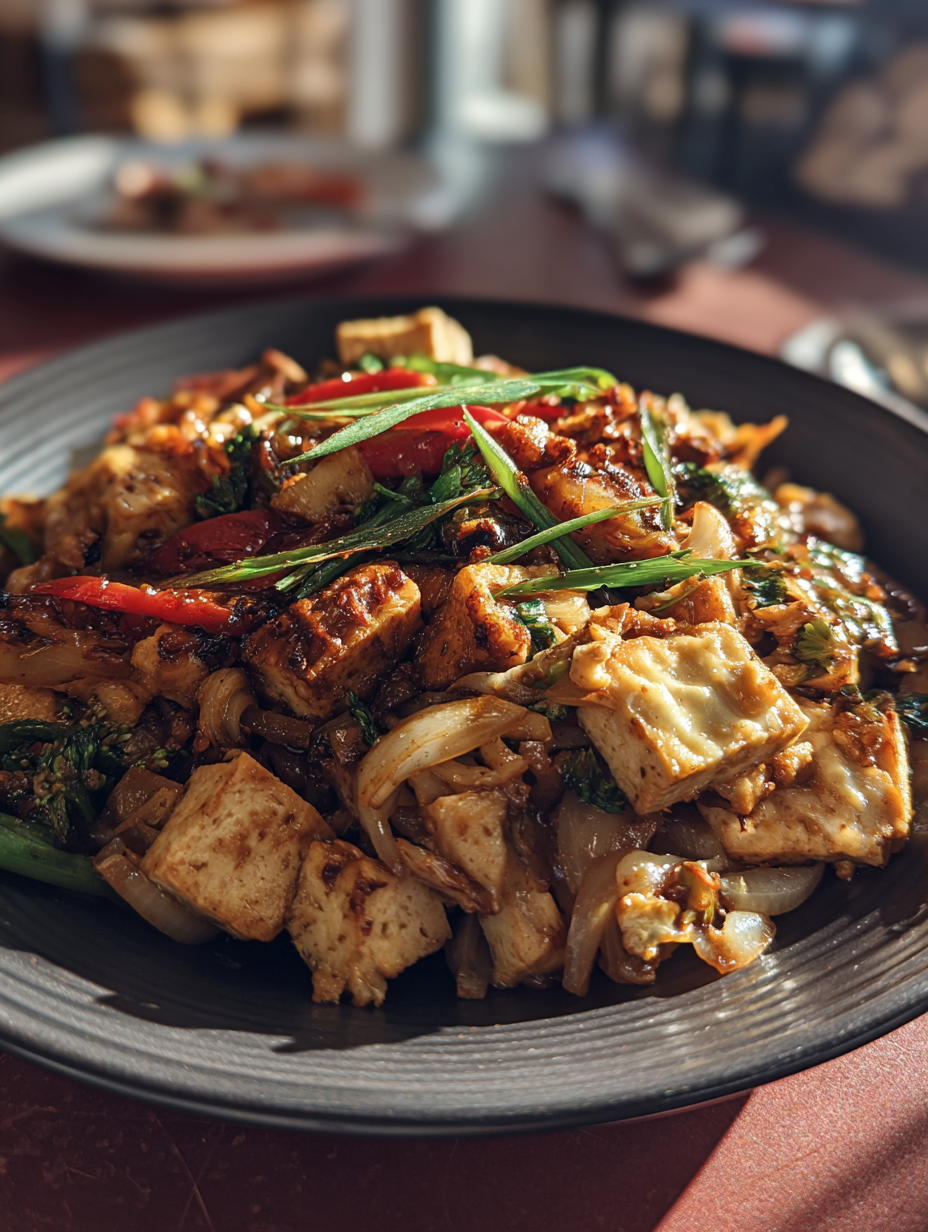
A Colorful Symphony of Taste and Texture in Every Bite
—
Introduction
You know that moment when you step into the kitchen, and the aroma of something delicious pulls you in? That’s exactly how I felt the first time I made Tofu & Veggie Stir-Fry. It was a Saturday afternoon, and I had just returned from the farmers’ market with a vibrant assortment of fresh vegetables—crimson bell peppers, emerald snap peas, and shallots that shimmered like jewels. As I set the vegetables on the cutting board, the crisp, refreshing scent filled the air, and I could hardly wait to transform them into something magical.
The sound of sizzling tofu hitting the hot pan resonated like music to my ears. There’s an undeniable thrill when the edges of those golden cubes begin to crisp, capturing the essence of all the flavors awaiting them. I can still recall the colors dancing in the pan—bright greens, sunny yellows, and deep oranges melding together in a beautiful chaos. It was a feast for the eyes and the nose, but most importantly, it became a feast for my soul.
This dish quickly became a staple in my kitchen. It encapsulates the essence of a balanced meal, effortlessly marrying the protein-packed tofu with an array of colorful vegetables. Each bite is a celebration of textures—crispy, tender, and crunchy all at once—making it a satisfying option for dinner or a light lunch. The best part? It’s incredibly versatile, allowing you to swap in your favorite vegetables or adjust the spices according to your mood.
Now, let’s dive into the recipe and explore how to create your own Tofu & Veggie Stir-Fry that will leave your taste buds dancing.
—
Why This Recipe Works
At the heart of this Tofu & Veggie Stir-Fry lies a harmonious blend of flavors that is both satisfying and nourishing. The technique is simple yet effective: by tossing the tofu and vegetables in a hot pan, you achieve a beautiful caramelization that enhances their natural taste. The key flavor combinations in this dish—soy sauce, garlic, and ginger—complement each other perfectly. Soy sauce adds umami depth, while ginger and garlic contribute a warm spiciness that makes your mouth water.
Texture is equally important. You achieve the contrasting elements through careful cooking. Start with firm tofu, which, when seared correctly, becomes crispy on the outside yet remains soft and creamy inside. Pair this with tender-crisp vegetables like broccoli and bell peppers, which maintain a slight bite, making each mouthful an experience. This dance of textures ensures that your stir-fry is not only delicious but also interesting.
What truly separates this recipe from generic versions found at restaurants or in pre-packaged meals is the freshness of the ingredients. When you use seasonal vegetables and high-quality tofu, you elevate the dish significantly. You’re not just replicating a dish; you’re crafting a unique experience with every stir of the spoon, ensuring that each bite bursts with flavor.
—
What Makes It Special
This Tofu & Veggie Stir-Fry stands out for several reasons that elevate it above takeout or store-bought versions.
– Freshness: By making this dish at home, you control the quality of the ingredients, ensuring that everything is vibrant and packed with nutrients. Store-bought versions often use frozen or subpar vegetables that lack flavor and texture.
– Customization: You have the freedom to play with flavors and ingredients. Whether you’re craving a spicy kick or a hint of sweetness, you can easily adjust the sauce or add your favorite veggies without worrying about the constraints of a restaurant menu.
– Cost-Effective: Preparing this meal at home is not only healthier but also more economical. You can purchase a block of tofu and a variety of vegetables for a fraction of the price of a takeaway meal, and you’ll likely have leftovers for lunch or dinner the next day.
– Surprising Elements: Adding a splash of sesame oil at the end enhances the dish with a nutty richness that you won’t find in many other stir-fries. Additionally, a sprinkle of toasted sesame seeds not only adds a delightful crunch but also a visual appeal that elevates the dish to something special.
—
Ingredient Breakdown
Understanding the role of each ingredient in your Tofu & Veggie Stir-Fry will help you appreciate its complexity and versatility:
1. Firm Tofu (14 oz): The star of the dish! You want firm tofu for optimal texture. It holds up well during cooking and absorbs flavors beautifully. If you prefer a different protein source, try tempeh or seitan for a similar texture.
2. Bell Peppers (1 cup, assorted colors): These add a sweet crunch and vibrant color. The mix of colors not only looks appealing but also provides a variety of nutrients. Feel free to substitute with zucchini or carrots if you prefer.
3. Broccoli (1 cup, cut into florets): Broccoli adds a lovely earthiness and fiber to the dish. You can swap it with snap peas or bok choy for a different twist.
4. Shallots (2, thinly sliced): Shallots provide a milder onion flavor, balancing the dish’s profile. If you can’t find shallots, red or green onions will work just as well.
5. Garlic (2 cloves, minced): Garlic is essential for depth and aroma. Its strong flavor mellows during cooking, creating a rich backdrop for the other ingredients.
6. Ginger (1-inch piece, grated): Fresh ginger adds warmth and a slight zing, enhancing the overall flavor. If you’re in a pinch, ground ginger can be used, but fresh is always best.
7. Soy Sauce (3 tablespoons): This is your salty umami element. For a gluten-free option, use tamari or coconut aminos.
8. Sesame Oil (1 tablespoon): A finishing touch that adds a toasty flavor. You can replace it with olive oil if you prefer, but sesame oil offers a unique taste that elevates the stir-fry.
9. Toasted Sesame Seeds (for garnish): These add a delightful crunch and an extra layer of flavor. You can omit them if you prefer, but they do enhance the dish visually and texturally.
By gathering these ingredients, you’re setting the stage for a meal that’s not just balanced but a true feast for the senses. Consider visiting local farmer’s markets for the freshest produce or specialty Asian markets for high-quality tofu and sauces.
—
Equipment Needed
To create your Tofu & Veggie Stir-Fry, you’ll need some essential equipment that will help bring your dish to life:
1. Wok or Large Skillet: A wok is ideal for stir-frying due to its high heat retention and curved shape, allowing for even cooking. If you don’t have a wok, a large, heavy-bottom skillet will work just as well.
2. Spatula or Wooden Spoon: You’ll need a sturdy spatula or wooden spoon for stirring and flipping the ingredients. A silicone spatula is a great choice as it won’t scratch your cookware.
3. Cutting Board and Knife: A sharp knife and a cutting board are essential for prepping your vegetables and tofu. Make sure your knife is sharp enough to easily slice through the ingredients.
4. Measuring Cups and Spoons: Precise measurements are key, especially when it comes to sauces and seasonings. Use measuring cups and spoons to ensure you get the right balance of flavors.
5. Grater or Microplane: For the ginger, a grater or microplane will help you achieve a fine texture that melds beautifully into the dish.
6. Colander (optional): If you choose to press your tofu to remove excess moisture, a colander is handy for draining.
By gathering these tools, you’ll be well-equipped to create a stir-fry that’s not only packed with flavor but also a joy to make. Don’t worry if you don’t have all the tools; many can be substituted without sacrificing the quality of your dish.
Step-by-Step Instructions
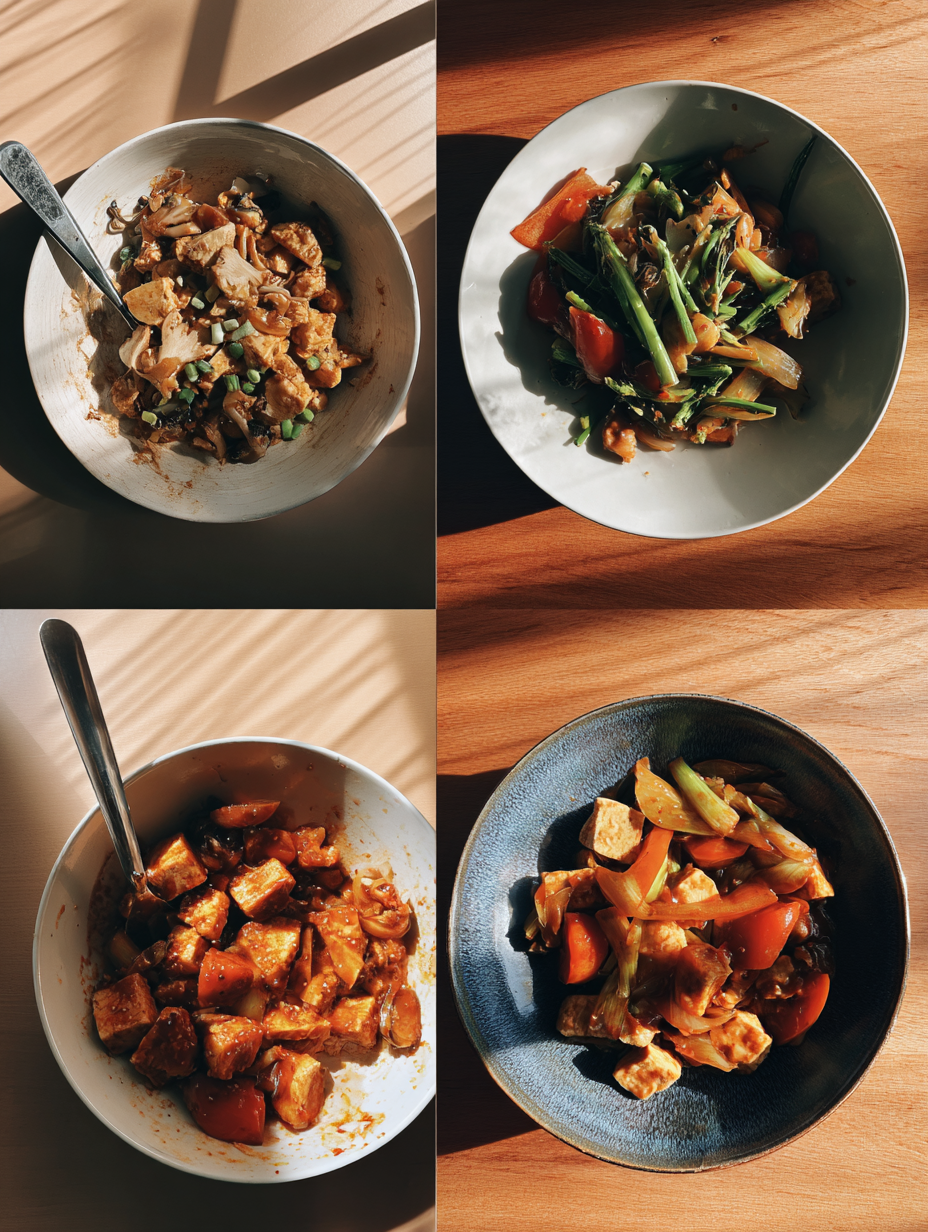
1. Prepare the Tofu: Start with 14 ounces of firm tofu. Press the tofu to remove excess moisture by wrapping it in a clean kitchen towel and placing a heavy object on top for about 15 minutes. This allows the tofu to absorb the flavors better and achieve a perfect crispy texture. After pressing, cut the tofu into 1-inch cubes. You should look for a firm texture that holds its shape well; it should not be spongy or overly soft.
2. Marinate the Tofu: In a medium bowl, whisk together 2 tablespoons soy sauce, 1 tablespoon sesame oil, and a pinch of black pepper. Gently add the cubed tofu, ensuring each piece is coated in the marinade. Let it sit for at least 15 minutes while you prepare the vegetables. You’ll know it’s ready when the tofu begins to absorb the marinade, becoming slightly darker in color.
3. Prep the Vegetables: While the tofu is marinating, chop your selected vegetables. Aim for 2 cups of colorful veggies — bell peppers, broccoli, and snap peas work beautifully. Cut them into uniform pieces for even cooking, about 1-inch in size. You should hear a satisfying crunch as you chop, and the vibrant colors should bring a smile to your face.
4. Cook the Tofu: Heat a large skillet or wok over medium-high heat and add 2 tablespoons of oil (canola or vegetable oil works best). Once the oil shimmers, add the marinated tofu in a single layer. Let it sear without moving it for about 3-4 minutes until the underside is golden brown. Flip the tofu carefully to brown the other sides for another 3-4 minutes. You’ll know it’s done when it’s evenly crispy and has a beautiful caramelized color.
5. Stir-Fry the Veggies: Remove the tofu from the skillet and set it aside. In the same skillet, add another tablespoon of oil if needed. Toss in your chopped vegetables and stir-fry for 3-5 minutes. You want them to be vibrant and tender-crisp, so look for bright colors and a slight char on the edges. Stir gently, allowing the vegetables to sizzle and pop in the hot pan.
6. Combine Everything: Once your vegetables are cooked, return the tofu to the skillet. Drizzle with an additional 1 tablespoon of soy sauce and a sprinkle of sesame seeds if desired. Fold gently to combine, ensuring the tofu remains intact and the veggies are evenly coated in sauce. Cook for another 1-2 minutes to heat everything through. The aroma should be heavenly, a mixture of savory soy and nutty sesame.
7. Serve: Transfer your delicious stir-fry to a serving dish. You can serve it over a bed of rice or quinoa, or even enjoy it on its own! Garnish with fresh herbs or sliced green onions for an extra touch. The dish should look vibrant and inviting, with a medley of colors that beckons you to take your first bite.
Chef’s Note: For an extra layer of flavor, add fresh ginger or garlic in the vegetable stir-fry for a fragrant kick. Make sure to add it just before the veggies to prevent burning.
Pro Tips for the Best Results
1. Use extra-firm tofu: It holds its shape better during cooking, giving you that perfect crispy texture you crave in a stir-fry. Softer varieties may crumble and turn mushy.
2. High heat is key: Cooking at a high temperature helps achieve that wonderful sear on the tofu and the vegetables. If your pan isn’t hot enough, you’ll end up steaming them instead of frying.
3. Don’t overcrowd the pan: If you add too many ingredients at once, they will steam rather than fry. Cook in batches if necessary to keep the heat consistent and the texture perfect.
4. Pre-cut veggies: Preparing all your ingredients ahead of time means you can focus on the cooking process. Stir-frying happens quickly, so once you start, you won’t have time to chop.
5. Experiment with sauces: While soy sauce and sesame oil are classic, consider adding hoisin, chili paste, or a splash of rice vinegar for a twist. Just be cautious about the saltiness; you can always add more, but you can’t take it away.
6. Use a non-stick pan or a well-seasoned wok: This ensures that the tofu and vegetables won’t stick, allowing for easy flipping and a beautiful sear without the frustration of food clinging to the pan.
7. Let the tofu rest after cooking: Allowing the tofu to sit for a few minutes after cooking helps it firm up even more. It will retain its crispy exterior when plated.
Common Mistakes to Avoid
1. Skipping the pressing step: Many beginners skip pressing tofu, leading to a soggy texture. By pressing it, you remove excess moisture, allowing the tofu to absorb flavors and crisp up nicely.
2. Not marinating long enough: A quick dip in the marinade won’t cut it. Allowing tofu to marinate for at least 15 minutes ensures it’s infused with flavor, enhancing every bite.
3. Using cold oil: Adding tofu to cold oil results in sticking and uneven cooking. Always preheat your pan and oil until shimmering before adding ingredients to achieve that perfect sear.
4. Overcooking the vegetables: Overcooked veggies become mushy and lose their vibrant color and nutrients. Stir-fry them just until they are crisp-tender, which should take only a few minutes.
5. Neglecting to season properly: Under-seasoned dishes can feel bland. Taste as you go, adding soy sauce or salt gradually until you find the right balance of flavors.
6. Not letting the tofu sear: If you keep moving the tofu around, it won’t develop that beautiful golden crust. Allow it to sear undisturbed for a few minutes before flipping.
7. Serving without garnishes: Skipping the fresh herbs or garnishes makes the dish look less appealing. A sprinkle of sesame seeds or sliced green onions adds a pop of color and flavor that elevates the dish.
Creative Variations
1. Seasonal Variation: In the spring, swap in asparagus and snap peas for a fresh take. Their brief cooking time will keep them crisp, which complements the tofu beautifully. Toss in some lemon zest just before serving for a bright finish.
2. Dietary-Friendly Version: For a gluten-free adaptation, use tamari instead of soy sauce. You can also add quinoa or rice noodles instead of rice for a more filling meal, ensuring it fits within a gluten-free diet.
3. Gourmet Elevated Version: Upgrade this dish by using marinated shiitake mushrooms and baby bok choy. Drizzle with a homemade ginger-soy glaze for an upscale touch. Serve it on a bed of jasmine rice for a fragrant, restaurant-quality meal.
4. Quick 15-Minute Version: For a 15-minute meal, use pre-cubed tofu and frozen stir-fry vegetable mixes. Skip the marinating step and simply toss everything in the pan with sauce right after heating for a speedy dinner solution.
5. Kid-Friendly Version: Make a kid-friendly twist by using sweet bell peppers, carrots, and broccoli. Cut everything into fun shapes and add a sweet sauce like teriyaki. This will appeal to young taste buds while keeping it nutritious.
6. International Twist: Take this dish global with a Thai-inspired variation. Incorporate Thai basil, coconut aminos, and top it off with crushed peanuts. You’ll have an entirely different flavor profile that transports you to Southeast Asia with each bite.
Serving Ideas
When it comes to serving your Tofu & Veggie Stir-Fry, presentation can elevate the entire meal experience. Here are a few beautiful plating ideas that will not only delight the eyes but also the palate:
1. Layered Bowl: Use a large, shallow bowl and start with a base of fluffy jasmine rice or quinoa. Next, artfully pile your stir-fry on one side, allowing the vibrant colors of the veggies and the golden-brown tofu to shine. Sprinkle fresh chopped cilantro or basil for a pop of green, and drizzle a few drops of sesame oil for a touch of sheen.
2. Minimalist Plate: Opt for a white or black plate to create a stunning contrast. Place the stir-fry in the center, and decorate the edge with thinly sliced radishes and a sprinkle of sesame seeds. Finish with a sprig of green onion leaning against the tofu, giving the dish an elegant, refined look.
3. Colorful Layered Jar: For a fun twist, layer your stir-fry ingredients in a clear, wide-mouth jar. Start with rice or noodles at the bottom, followed by tofu, and then pile on the colorful vegetables. Top it off with a splash of soy sauce or a homemade dressing, and seal it for a delightful lunch option.
4. Family Style Platter: Serve the stir-fry on a large platter, allowing everyone to help themselves. Use a mix of colorful plateware for a jovial feel. Garnish with toasted peanuts or cashews and a few lime wedges scattered around, inviting friends and family to add their own zest.
5. Bento Box: Create an appealing bento-style meal by separating the tofu and veggies into compartments. Pair with pickled ginger, sliced cucumbers, and a small section of edamame. This not only looks great but also allows for a variety of flavors and textures in one meal.
Each of these serving ideas encourages you to experiment with colors and garnishes, making your Tofu & Veggie Stir-Fry not just a meal, but a feast for the senses.
What to Serve With
Pairing your Tofu & Veggie Stir-Fry with complementary dishes can enhance the dining experience. Here are some delightful options:
1. Miso Soup: The warm, savory broth of miso soup provides a comforting contrast to the vibrant stir-fry. Its umami flavor profile perfectly complements the tofu and veggies while adding a soothing element to the meal.
2. Coconut Jasmine Rice: Infusing jasmine rice with coconut milk brings a creamy, slightly sweet flavor that balances the savory elements of your stir-fry. The rich texture enhances the overall meal while amplifying the tropical notes.
3. Spring Rolls: Fresh vegetable spring rolls filled with crunch and accompanied by a peanut dipping sauce can add a delightful textural contrast. The lightness of the rolls beautifully complements the hearty stir-fry.
4. Green Tea: A hot cup of green tea, with its earthy and slightly bitter taste, can cleanse the palate between bites of the rich stir-fry. Plus, the warmth of the tea enhances relaxation during your meal.
5. Fruit Sorbet: For dessert, consider a refreshing fruit sorbet, like mango or passionfruit. The sweet and tangy flavors provide a delightful contrast to the savory stir-fry and cleanse the taste buds, leaving you satisfied.
6. Chili Garlic Edamame: This spicy side of edamame complements the flavors of your stir-fry while providing a fun, interactive element. The heat from the chili balances the sweetness of your vegetables, creating a delightful flavor harmony.
These pairings will not only elevate your meal but also create a well-rounded dining experience that satisfies both your taste buds and your visual appetite.
Storage Guide
To keep your leftover Tofu & Veggie Stir-Fry fresh and delicious, proper storage is key. Here’s how to do it:
– Container Type: Use airtight glass containers for the best preservation of flavor and texture. Avoid plastic containers that can absorb odors.
– Temperature: Store your leftovers in the refrigerator at or below 40°F (4°C). This is crucial for preventing bacterial growth.
– Shelf Life: Your stir-fry will stay fresh for about 3-4 days when stored properly. However, consume it within this time frame for the best taste and quality.
– Signs of Spoilage: Before consuming leftovers, check for any unusual odors, a change in color, or a slimy texture. These are all signs that your stir-fry has gone bad.
– Refreshing Before Serving: To restore your stir-fry’s freshness, consider adding a splash of vegetable broth or soy sauce when reheating. This will help rejuvenate the flavors and moisture, making it taste almost as good as when it was freshly made.
With these storage tips, you can enjoy your delicious stir-fry over several days while maintaining its quality.
Freezing Tips
Yes, your Tofu & Veggie Stir-Fry does freeze well, making it a convenient option for meal prep! Here’s how to freeze it properly:
– Portioning: Divide your stir-fry into individual portions to make it easy to defrost only what you need. Use freezer-safe containers or resealable freezer bags.
– Wrapping Method: If using bags, remove as much air as possible before sealing to prevent freezer burn. For containers, ensure they are well-sealed.
– Labeling: Don’t forget to label your containers with the date and contents. This way, you’ll know exactly what you’re pulling out of the freezer.
– Freezer Life: Your stir-fry will keep well in the freezer for up to 3 months. Beyond that, while it may still be safe to eat, the quality may decline.
– Quality Changes: Upon thawing, the texture of the tofu may become a bit spongy, but it will still be delicious. Reheating it in a skillet with a little oil can help restore some of its original texture.
– Thawing Method: The best way to thaw is in the refrigerator overnight. This slow method helps maintain the integrity of the ingredients. For a quicker option, you can also use the microwave’s defrost setting.
With these freezing tips, you can enjoy your stir-fry whenever you crave a quick and healthy meal!
Reheating Guide
Reheating your Tofu & Veggie Stir-Fry properly ensures that it retains its flavor and texture. Here’s how to do it using different methods:
– Microwave: Place your stir-fry in a microwave-safe dish. Heat it on medium power for about 2-3 minutes, stirring halfway through to ensure even heating. To prevent it from drying out, cover it with a damp paper towel or microwave-safe lid.
– Oven: Preheat your oven to 350°F (175°C). Spread the stir-fry evenly on a baking sheet, cover it with aluminum foil, and heat for about 10-12 minutes. The foil helps retain moisture, keeping your dish from drying out.
– Stovetop: Heat a non-stick skillet over medium heat and add a splash of water or vegetable broth to help steam the stir-fry. Stir for about 5-7 minutes, ensuring everything is heated through. Adding a touch of fresh garlic or ginger at this point can help revive the flavors.
– Texture and Flavor Tips: To restore the original taste, consider adding a few drops of soy sauce or a splash of sesame oil while reheating. This can enhance the flavors and make your stir-fry feel fresh again.
With these reheating methods, your leftovers can taste just as delightful as the first time around!
Nutrition Overview
Your Tofu & Veggie Stir-Fry is not just a feast for the eyes; it’s also packed with nutrition! Here’s a breakdown of the approximate nutritional values per serving:
– Calories: 350
– Protein: 18g
– Carbohydrates: 40g
– Fat: 15g
– Fiber: 7g
– Sugar: 5g
Tofu is a fantastic source of plant-based protein, providing essential amino acids while being low in calories. The variety of vegetables like bell peppers and broccoli is rich in vitamins A and C, as well as antioxidants. Additionally, the inclusion of healthy fats from sesame oil or nuts can contribute to heart health.
This balanced meal not only energizes you but also supports your overall well-being. Enjoying such a nourishing dish can motivate you to maintain a healthy lifestyle while indulging in flavors you love!
Frequently Asked Questions
Q: Can I substitute tofu with another protein?
A: Absolutely! If you’re not a fan of tofu, you can substitute it with tempeh, seitan, or even chicken if you’re not strictly plant-based. Each protein option will bring its unique flavor and texture to the dish.
Q: How can I make this stir-fry gluten-free?
A: To make your stir-fry gluten-free, simply use gluten-free soy sauce or tamari. Additionally, ensure that any packaged ingredients you use are labeled gluten-free.
Q: Can I use frozen vegetables instead of fresh?
A: Yes, frozen vegetables can be a convenient option! They are often flash-frozen at peak freshness, making them a nutritious choice. Just remember to thaw them before adding them to the stir-fry to avoid excess moisture.
Q: What cooking oil is best for stir-frying?
A: For stir-frying, you should choose an oil with a high smoke point, such as canola oil, peanut oil, or grapeseed oil. These oils can withstand high temperatures without burning, allowing for better flavor and texture.
Q: How long does it take to cook the stir-fry?
A: The cooking time for your stir-fry is relatively quick, usually around 15-20 minutes. This includes prepping and cooking the tofu and vegetables, making it a great option for a weeknight dinner.
Q: Can I add more vegetables?
A: Definitely! Feel free to add more of your favorite vegetables or whatever you have on hand. Zucchini, snow peas, or baby corn would all work beautifully in this recipe.
Q: How should I chop my vegetables for stir-frying?
A: Aim for uniform sizes when chopping your vegetables to ensure even cooking. Typically, bite-sized pieces work best, and denser vegetables should be cut smaller than softer ones to promote even cooking.
Q: Can I prepare this meal in advance?
A: Yes, you can chop your vegetables and tofu in advance and store them in the fridge for up to a day before cooking. This will save you time during meal prep.
Final Thoughts
As you embark on making your Tofu & Veggie Stir-Fry, remember that the key to a vibrant dish lies in the freshness of your ingredients and the balance of flavors. Don’t be afraid to get creative with your veggies and seasonings to make it your own!
I genuinely hope this recipe brings joy to your table and inspires you to share it with friends and family. The delightful colors and textures are sure to impress everyone who tries it. So, roll up your sleeves and dive into creating this beautiful stir-fry tonight. You won’t be disappointed!
Balanced Meals: Tofu & Veggie Stir-Fry
Ingredients
- 1 block firm tofu pressed and cubed
- 1 cup bell pepper sliced
- 2 cups broccoli florets fresh or frozen
- 1 cup carrot sliced
- 0.25 cup soy sauce low sodium preferred
- 2 tablespoons olive oil for cooking
Instructions
- Heat olive oil in a large skillet or wok over medium-high heat.
- Add the cubed tofu and cook until golden brown on all sides, about 10 minutes.
- Add the sliced bell pepper, broccoli florets, and carrot to the skillet, stirring frequently.
- Pour the soy sauce over the vegetables and tofu, mixing well to coat.
- Cook for an additional 5-7 minutes until the vegetables are tender but still crisp.