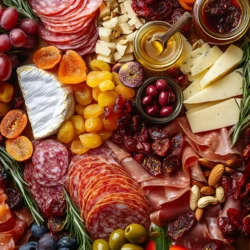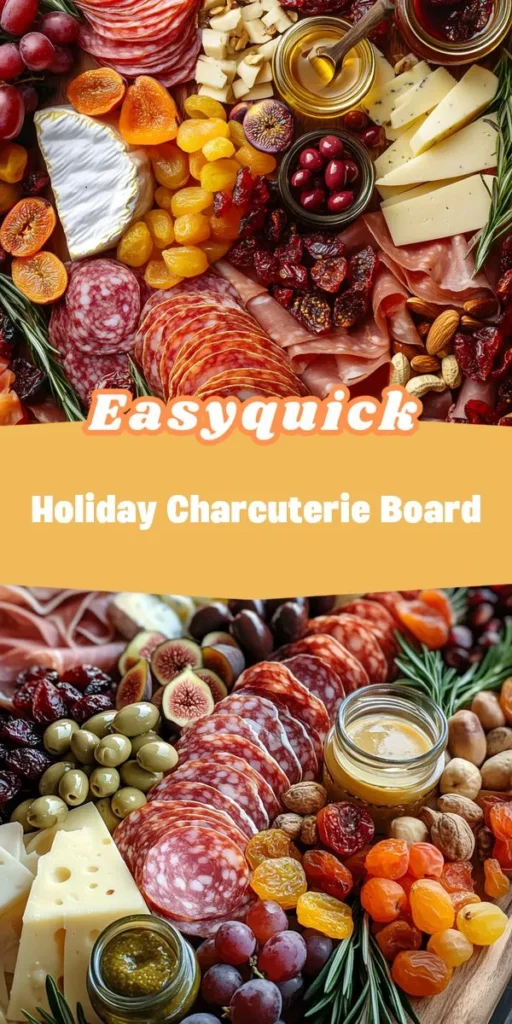
Introduction
As the holiday season approaches, gatherings with friends and family become a cherished tradition. One of the most delightful and visually appealing ways to celebrate these occasions is through a festive charcuterie board. Not only does it serve as a stunning centerpiece, but it also offers a delightful variety of flavors and textures that cater to diverse palates. The charm of a charcuterie board lies in its ability to bring people together, encouraging conversation and sharing over a beautifully arranged display of meats, cheeses, fruits, and other accompaniments.
The popularity of charcuterie boards has surged in recent years, making them a staple at parties, holiday gatherings, and even casual get-togethers. As a versatile option, they can be customized to reflect the season, personal tastes, and dietary preferences, ensuring every guest finds something to enjoy. In this recipe guide, we’ll walk you through creating a festive holiday charcuterie board that balances flavors and textures, making it not just a meal but an experience.
Understanding Charcuterie Boards
To fully appreciate the art of crafting a charcuterie board, it helps to understand its origins. Derived from the French term “charcuterie,” which means the art of preparing and assembling cured meats, this culinary tradition has evolved significantly over time. Initially, charcuterie referred solely to the preparation of preserved meats such as sausages, pâtés, and other delicacies. However, as culinary creativity expanded, so too did the concept of charcuterie, transforming into the elaborate boards we see today.
Modern charcuterie boards are not limited to just meats; they have become a canvas for a variety of ingredients, including cheese, fruits, nuts, and gourmet accompaniments like jams and honey. The key to creating an inviting charcuterie board lies not only in the selection of ingredients but also in the presentation. The arrangement of colors, shapes, and textures plays a crucial role in enticing guests and making the board visually appealing.
When planning your festive holiday charcuterie board, consider incorporating seasonal ingredients that evoke the spirit of the holidays. Fresh fruits, flavorful cheeses, and artisanal meats can all become part of this delightful display. By thoughtfully choosing ingredients that complement one another, you can create a harmonious balance of flavors that will elevate your guests’ dining experience.
Selecting the Right Board
The foundation of any charcuterie board is, of course, the board itself. Selecting the right type of board is essential, as it not only serves as the serving surface but also impacts the overall aesthetic of your spread. There are several types of boards suitable for charcuterie, including wooden, slate, and marble options.
Types of Boards
1. Wooden Boards: These are perhaps the most popular choice, offering a rustic and classic appeal. They are available in various shapes and sizes, allowing for flexibility in presentation. Additionally, wooden boards can enhance the flavor of the food, complementing the natural tastes of the ingredients.
2. Slate Boards: Known for their sleek and modern look, slate boards provide a striking contrast to colorful ingredients. They are great for keeping cheeses cool and can be easily wiped clean after use.
3. Marble Boards: Similar to slate, marble boards offer a sophisticated touch to your charcuterie spread. They are also effective in keeping cheeses at the right temperature, making them an excellent choice for serving high-quality cheeses.
Considerations for Size and Shape
When selecting a board, consider the number of guests you’ll be serving. A larger board allows for more variety and a more elaborate display, while a smaller board is ideal for intimate gatherings. Additionally, shapes can play a role in the presentation; round boards can create a communal feel, while rectangular boards can offer a more structured layout.
Preparing the Board
Before you begin assembling your charcuterie board, it’s crucial to clean and prepare your chosen board. If using a wooden board, wash it with warm soapy water and dry it thoroughly to prevent warping. For slate or marble boards, a simple wipe-down with a damp cloth will suffice. To enhance the board’s visual appeal, consider adding decorative touches like herbs or seasonal decorations around the edges.
Choosing Assorted Cured Meats
One of the highlights of a charcuterie board is the selection of cured meats. These flavorful components add depth to your spread, and the variety available allows you to create an enticing mixture that caters to different tastes. Here are some popular cured meats to consider:
Overview of Popular Cured Meats
1. Prosciutto: This Italian dry-cured ham is known for its delicate texture and savory flavor. Its thinly sliced pieces make it easy to wrap around fruits or bread, adding an elegant touch to your board.
2. Salami: With a robust flavor and a satisfying chew, salami is a staple on many charcuterie boards. Available in various types, including Genoa and pepperoni, it can add spiciness or mildness depending on your choice.
3. Chorizo: This Spanish cured sausage is typically seasoned with smoked paprika, giving it a distinctive flavor and vibrant color. Its bold taste pairs well with cheeses and fruits, making it a crowd-pleaser.
Flavor Profiles and Textures
When selecting your cured meats, consider their flavor profiles and textures. A good charcuterie board features a mix of meats that offer both mild and robust flavors, as well as a variety of textures—from soft and tender to firm and chewy. This combination not only enhances the tasting experience but also adds visual interest to your spread.
Sourcing Quality Cured Meats
For the best results, source high-quality cured meats. Local delicatessens or specialty food stores often carry artisanal options that can elevate your charcuterie board. If you’re unsure where to start, ask for recommendations or sample a few varieties to find the perfect selection for your festive board.
Curating a Cheese Selection
No charcuterie board is complete without a carefully curated selection of cheeses. The right combination can create a delightful contrast with the meats and other accompaniments, enhancing the overall experience of your board. Here are some cheese varieties to consider:
Explanation of Cheese Varieties
1. Brie: This soft cheese is creamy and mild, making it a favorite on charcuterie boards. Its rich texture pairs beautifully with fruits and nuts, creating a harmonious balance.
2. Aged Cheddar: With its sharp flavor and crumbly texture, aged cheddar provides a bold contrast to the softer cheeses. It adds depth to the board and pairs well with savory meats.
3. Blue Cheese: Known for its strong flavor and unique aroma, blue cheese can be polarizing but is beloved by many. Its distinct taste can enhance the overall flavor profile of your charcuterie board.
Selecting Complementary Cheeses
When curating your cheese selection, aim for a balance of flavors and textures. Include soft, hard, and blue cheeses to provide a range of options for your guests. Consider how the cheeses will pair with the cured meats and other ingredients, and don’t hesitate to experiment with flavors that complement one another.
Tips for Serving Cheese
To enhance the presentation of your cheese, consider the following tips:
– Cutting Techniques: Pre-cut cheeses into wedges or slices to make them easy to serve. For softer cheeses like brie, provide a cheese knife to allow guests to serve themselves.
– Presentation: Arrange the cheeses in a visually appealing manner, using varying heights and angles to create interest. You can also place herbs or edible flowers around the cheeses for added color and decoration.
Seasonal Fruits: Adding Freshness and Color
Incorporating seasonal fruits into your charcuterie board not only enhances the visual appeal but also adds freshness and flavor. Fruits can provide a delightful contrast to the savory elements of the board, making each bite a balanced experience. Here are some fruits that work particularly well for a festive holiday charcuterie board:
Suggested Fruits and Their Flavor Profiles
1. Grapes: A classic choice, grapes are easy to pick and eat. Their sweetness pairs beautifully with both cheeses and meats, making them a versatile addition.
2. Pomegranate Seeds: These jewel-like seeds not only add a burst of color but also a refreshing tartness that can cut through the richness of the cheeses and meats.
3. Figs: Fresh figs, when in season, provide a unique sweetness and a chewy texture that complements the other ingredients. Dried figs can also be used for a more concentrated flavor.
Techniques for Cutting and Arranging Fruits
When preparing your fruits for the charcuterie board, presentation is key. Here are some techniques to maximize their impact:
– Grapes: Leave them on the vine for a natural look, or remove them and place them in small clusters.
– Pomegranate Seeds: Serve them in a small bowl or sprinkle them directly on the board for a splash of color.
– Figs: Cut fresh figs in half to showcase their beautiful interior, and arrange them alongside the cheeses and meats for an appealing display.
By thoughtfully selecting and arranging your ingredients, you can create a festive holiday charcuterie board that not only satisfies the palate but also dazzles the eye. In the next part of this guide, we’ll explore how to incorporate nuts for an added crunch and flavor, as well as tips for garnishing and presenting your board for maximum impact.
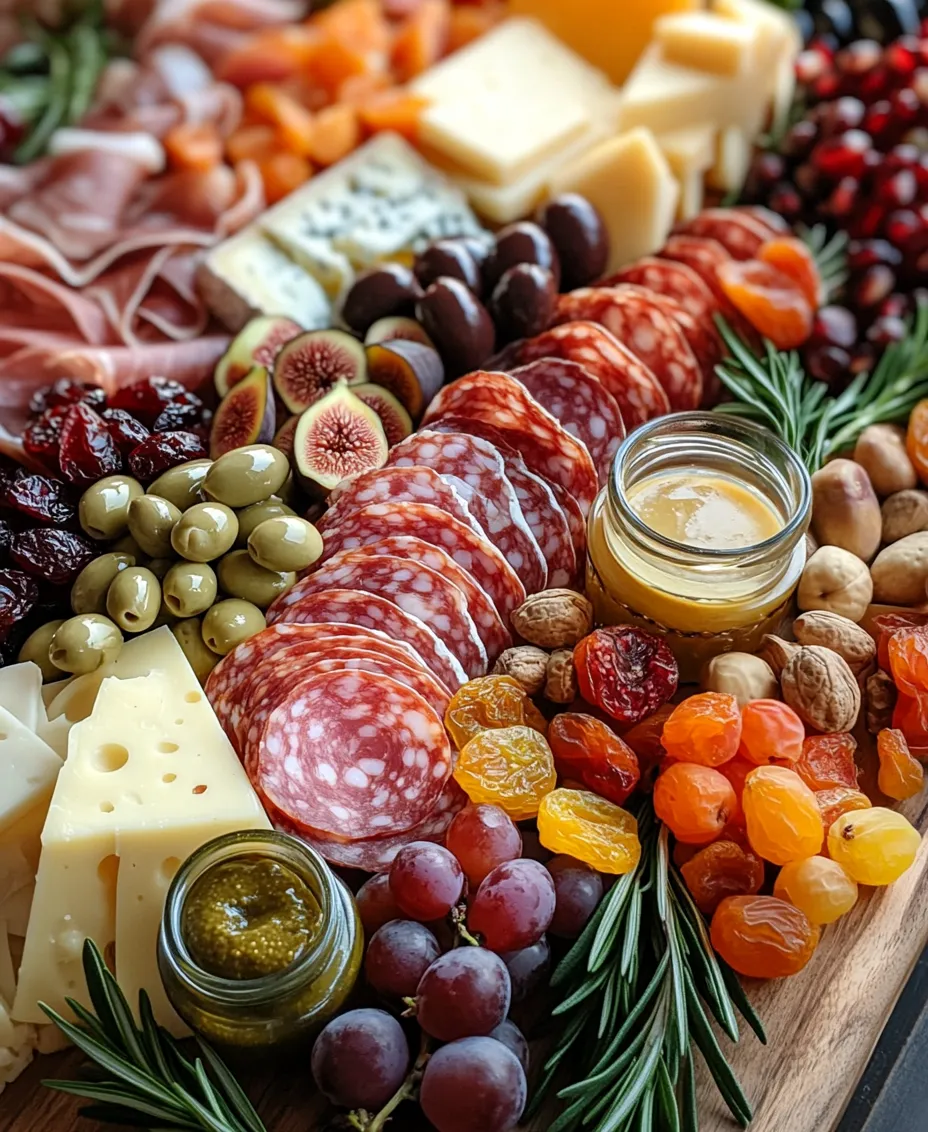
Types of Nuts to Consider for Your Charcuterie Board
Incorporating nuts into your festive holiday charcuterie board not only adds a delightful crunch but also enhances the overall flavor profile. Almonds, walnuts, and pecans are excellent choices, each bringing their unique taste and health benefits to the table.
– Almonds: Rich in vitamin E, magnesium, and fiber, almonds offer a satisfying crunch and a slightly sweet flavor. They can be served raw, roasted, or even spiced, adding versatility to your board.
– Walnuts: Known for their heart-healthy omega-3 fatty acids, walnuts have a rich, earthy flavor. They pair beautifully with a variety of cheeses, especially blue cheese and goat cheese, enhancing the overall taste experience.
– Pecans: These nuts offer a sweet and buttery flavor, making them ideal for adding a touch of decadence to your charcuterie board. Pecans are also a great source of antioxidants and healthy fats.
When presenting nuts, consider serving them in small bowls or directly on the board. To create visual appeal, group nuts in clusters rather than scattering them randomly. This arrangement not only looks inviting but also makes it easy for guests to grab a handful.
Balancing Flavors and Textures with Nuts
To create a well-rounded charcuterie board, balance is key. The inclusion of nuts provides a contrasting texture to the creaminess of cheeses and the tenderness of meats. Make sure to offer a mix of flavors—sweet, savory, and earthy—to keep the palate engaged. For instance, pairing salty nuts like roasted almonds with sweet cheeses like brie or goat cheese creates a delightful contrast that elevates the tasting experience.
Artisan Crackers and Bread: The Perfect Base
No charcuterie board is complete without a selection of artisan crackers and bread that serve as the perfect base for your meats and cheeses. Consider these options:
– Artisan Crackers: Look for varieties that are robust enough to hold toppings without breaking, such as seeded crackers or whole grain options. These not only add flavor but also a pleasing crunch.
– Sliced Baguette: A classic choice, a freshly baked baguette brings a soft, chewy texture that complements the hard cheeses and cured meats beautifully. For added flair, consider toasting the slices lightly to enhance their flavor.
When selecting crackers and bread, aim for a balance of flavors and textures. Incorporate both plain and flavored options to cater to various tastes. Arrange the crackers and bread in a circular pattern around the edges of your board or stack them vertically in small piles for a more dynamic presentation.
Adding Pickles and Olives for Contrast
Incorporating pickles and olives into your charcuterie board is crucial for balancing the richness of meats and cheeses. These tangy additions provide a refreshing contrast that enhances the overall flavor experience.
– Recommended Types:
– Gherkins: These small, sweet pickles offer a delightful crunch and a hint of sweetness, making them perfect for pairing with savory items.
– Pickled Onions: Their sharp, tangy flavor complements rich cheeses and meats, adding a zesty kick to each bite.
– Marinated Olives: Available in various flavors, marinated olives introduce a briny depth that works well with almost any cheese on your board.
For presentation, consider using small bowls or ramekins to hold the pickles and olives. Arrange them on the board in clusters or at intervals to create visual interest, ensuring guests can easily reach for a bite.
The Sweet Touch: Honey and Fig Jam
Adding a sweet component like honey or fig jam to your charcuterie board can transform the experience, creating a delightful harmony between sweet and savory.
– Honey: A drizzle of honey not only looks beautiful but also enhances the flavors of cheeses, particularly blue cheese and goat cheese. Serve it in a small dish with a honey dipper for a charming touch.
– Fig Jam: This sweet spread pairs exceptionally well with creamy cheeses and cured meats, introducing a luscious texture and rich flavor. Place the fig jam in a small bowl and position it near complementary cheeses for easy access.
The synergy of sweet and savory flavors is a hallmark of a great charcuterie board. Encourage guests to experiment with combinations, such as spreading fig jam on a slice of cheese or drizzling honey over a cracker topped with meat.
Garnishing for Festive Presentation
Garnishing is an essential step in creating a visually stunning charcuterie board. Fresh herbs like rosemary and thyme not only add aromatic qualities but also elevate the overall aesthetic.
– Importance of Fresh Herbs: Adding sprigs of rosemary or thyme can enhance the aroma of your board, making it more inviting. Their vibrant green color also contrasts beautifully with the rich hues of meats and cheeses.
– Techniques for Arrangement: Place herbs in strategic spots around the board, or tuck them into small clusters between other ingredients. This not only adds color but also creates a sense of abundance.
Consider incorporating additional decorative elements, such as edible flowers or seasonal fruits like pomegranates or cranberries, to enhance the festive theme. These details can make your charcuterie board not just a meal but a centerpiece for holiday gatherings.
Serving Suggestions and Enjoyment
When it comes to serving your charcuterie board, consider the following tips to ensure an enjoyable experience for your guests:
– Provide Utensils: Include toothpicks, small plates, and cheese knives to facilitate easy serving. This encourages guests to help themselves and create their own combinations.
– Encourage Guest Participation: Create an interactive experience by inviting guests to build their own bites. This not only adds to the fun but also allows everyone to explore their flavor preferences.
The social aspect of sharing a charcuterie board is one of its greatest joys. Encourage conversation and connection as guests taste and discuss their favorite pairings. This communal experience enhances the festive atmosphere of any gathering.
Conclusion
Assembling a festive holiday charcuterie board is not just about the ingredients—it’s about the joy and creativity of sharing these delicious offerings with loved ones. Each component, from meats and cheeses to nuts and sweets, plays a vital role in creating a memorable experience.
Don’t hesitate to experiment with different ingredients and presentations. Whether you opt for a traditional mix or a unique twist, the possibilities are endless. A charcuterie board is more than just food; it’s a way to celebrate the holidays, connect with friends and family, and create lasting memories. So gather your ingredients, unleash your creativity, and enjoy the process of putting together a festive charcuterie board that will delight everyone at your holiday gatherings.