Introduction
Buttercream frosting is a beloved staple in the world of desserts, known for its creamy texture, rich flavor, and versatility. Whether it’s used to frost cakes, fill cupcakes, or simply enjoyed by the spoonful, buttercream is a quintessential element that transforms an ordinary dessert into a delightful indulgence. Among the myriad of flavors that buttercream can encapsulate, mint offers a refreshing twist that elevates the traditional taste profile into something truly extraordinary.
Mint is not just any herb; it has a rich history and significant culinary importance across various cultures. Its invigorating aroma and cool taste have made it a favorite in sweets, cocktails, and savory dishes alike. When paired with the creamy sweetness of buttercream, mint creates a harmonious balance that is both refreshing and indulgent. Using high-quality ingredients is crucial when preparing this delightful mint buttercream, as they will contribute to the overall flavor and texture of the final product.
In this article, we will delve into the enchanting world of mint buttercream. You’ll learn about its historical significance, the key ingredients that make this frosting so special, and the step-by-step instructions to create your own creamy delight. We’ll also share tips on how to perfect the mint flavor and achieve the ideal texture, ensuring that your mint buttercream stands out in any dessert presentation.
The Allure of Mint in Desserts
Mint has been celebrated for centuries, dating back to ancient civilizations where it was revered not only for its culinary uses but also for its medicinal properties. The Romans, for example, used mint in various dishes and even as a fragrance. Its cooling sensation and refreshing aroma made it a popular choice in desserts, especially in the warmer months. Today, mint continues to be a favored ingredient in sweets, with its refreshing qualities complementing a wide array of flavors.
The appeal of mint in desserts lies in its unique ability to enhance and elevate other flavors. When added to sweet treats, mint brings a refreshing brightness that cuts through richness, making desserts feel lighter and more balanced. The combination of mint and sugar creates an interesting dynamic, where the sweetness is enhanced by the herb’s cool notes. This synergy is why mint has become a classic pairing with chocolate, vanilla, and even fruity desserts.
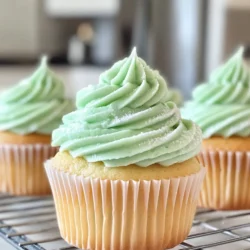
As you prepare to make your Refreshing Mint Buttercream Delight, you’ll discover how this herb not only adds flavor but also brings a vibrant green hue that can brighten up any dessert table. Its versatility makes it suitable for various occasions, from birthday celebrations to holiday gatherings, making it a perfect choice for frosting cakes, cookies, and more.
Ingredients Breakdown
To create the perfect mint buttercream, you will need a selection of high-quality ingredients. Each plays a significant role in the flavor, texture, and overall success of your frosting.
1. Unsalted Butter: The cornerstone of any buttercream, unsalted butter is essential for achieving the right flavor and texture. By using unsalted butter, you have better control over the salt content in your frosting, allowing the mint and sugar flavors to shine through. It’s important to ensure that your butter is at room temperature before mixing, as this will facilitate a smooth and creamy consistency.
2. Powdered Sugar: Also known as confectioners’ sugar, powdered sugar is finely ground sugar that dissolves easily, creating a smooth texture. Unlike granulated sugar, which can leave a grainy texture if not fully dissolved, powdered sugar blends seamlessly into the butter, resulting in a velvety frosting. For the best results, sift the powdered sugar before measuring to remove any lumps.
3. Heavy Cream: This ingredient is key to achieving a luxuriously creamy buttercream. Heavy cream adds moisture and helps to lighten the texture of the frosting, making it easy to spread and pipe. The fat content in heavy cream also contributes to the richness of the buttercream, enhancing its overall mouthfeel.
4. Peppermint Extract: The star ingredient, peppermint extract, imparts the characteristic mint flavor to the buttercream. This concentrated flavoring is potent, so a little goes a long way. When selecting peppermint extract, opt for pure extracts over imitation for the best flavor profile. Adjust the amount according to your taste preference, as some may prefer a more pronounced mint flavor than others.
5. Optional Food Coloring: While not necessary, adding a few drops of green food coloring can enhance the visual appeal of your mint buttercream. A light green hue visually signals the refreshing mint flavor and can make your dessert presentations pop. If you choose to add food coloring, be sure to use gel-based colors for a more vibrant effect without altering the consistency of the frosting.
Step-by-Step Instructions for Making Mint Buttercream
Preparation of Ingredients
Before you begin mixing your mint buttercream, it’s crucial to prepare your ingredients and workspace effectively. Having everything at the ready will streamline the process and ensure that you achieve the best results.
1. Room Temperature Butter: Start by allowing your unsalted butter to sit at room temperature for about 30 minutes to an hour before you begin. This step is crucial, as softened butter blends more easily with the powdered sugar, creating a smooth and creamy texture. You can test if the butter is ready by pressing it gently; it should leave an indentation but not be overly soft or greasy.
2. Clean Workspace: Ensure that your kitchen counter or workspace is clean and organized. Gather all necessary ingredients and tools, including a mixing bowl, electric mixer or whisk, measuring cups, and spoons. This will help you move quickly through the steps without having to search for items mid-recipe.
Mixing the Butter
Now that your ingredients are prepped, it’s time to start mixing. Follow these steps to create a luscious mint buttercream:
1. Beat the Butter: In a large mixing bowl, add the room temperature unsalted butter. Using an electric mixer fitted with the paddle attachment, beat the butter on medium speed until it becomes pale and fluffy. This process usually takes about 2-3 minutes. Make sure to scrape down the sides of the bowl occasionally to ensure that all the butter is well incorporated. The goal is to aerate the butter, which will give your frosting a light and fluffy texture.
2. Gradually Add Powdered Sugar: Once the butter is fluffy, gradually add the sifted powdered sugar. Start with about one cup at a time to avoid a sugar cloud in your kitchen. Mix on low speed to combine the sugar with the butter until it is incorporated, then increase the speed to medium. Continue adding powdered sugar until you reach your desired sweetness and consistency. Depending on your taste, you may want to use between 3 to 4 cups of powdered sugar.
3. Incorporate Heavy Cream: After the sugar is mixed in, add 2-4 tablespoons of heavy cream and mix on medium speed until the frosting is smooth and fluffy. If you prefer a softer buttercream, add a bit more cream. The heavy cream will help to lighten the texture of the frosting, making it easy to spread and pipe.
4. Flavor with Peppermint Extract: Finally, add your peppermint extract. Start with one teaspoon and mix well. Taste the buttercream and adjust the amount of extract according to your preference. If you desire a stronger mint flavor, continue to add extract in small increments until you achieve the desired taste.
With these initial steps completed, you will have a beautifully creamy and refreshing mint buttercream ready to adorn your favorite desserts. The next sections of the article will delve deeper into additional tips for perfecting your mint buttercream and creative ways to use it in various dessert applications.
Beating Process for Creaminess
The beating process is a crucial step in making a light and fluffy mint buttercream. Properly beating the butter creates a creamy texture that serves as the foundation for your buttercream. Begin by placing your softened butter in a mixing bowl—room temperature butter is essential as it allows for easy incorporation of air. Using a stand mixer fitted with a paddle attachment or a hand mixer, start at a low speed to break down the butter, and then gradually increase to medium speed.
Beat the butter for about 3 to 5 minutes until it’s pale and fluffy. This process aerates the butter, resulting in a creamy and smooth buttercream that spreads beautifully. The color should lighten significantly, indicating that enough air has been incorporated. This step is vital because it not only enhances the texture but also helps create a more stable buttercream that holds its shape.
Incorporating the Sugar
Once your butter is sufficiently whipped, it’s time to incorporate the powdered sugar. This is where many bakers may run into a bit of a mess if not careful. To prevent powdered sugar from flying all over your kitchen, start by adding the sugar gradually. Begin with one cup at a time, mixing on low speed. After each addition, allow the sugar to blend into the butter before adding more.
Mixing on a low speed initially allows the sugar to dissolve without creating a cloud of confectioners’ dust. Once all the sugar is incorporated, you can increase the speed to medium. This not only helps to achieve a creamy consistency but also ensures that the sugar is evenly distributed throughout the butter.
Mixing Speeds and Their Effects on Texture
The speed at which you mix your butter and sugar can significantly affect the final texture of your buttercream. Using a low speed is critical during the initial incorporation of the sugar, as this helps to avoid the aforementioned mess. However, once the sugar has been well-mixed, increasing to medium speed can help achieve the desired lightness.
For a fluffier buttercream, mix at medium-high speed for an additional 2 to 3 minutes after all the sugar is added. This step will further aerate the mixture, resulting in a smooth and velvety texture. If you desire a denser buttercream for piping decorations, you can mix at a slower speed after initial aeration, which will help maintain some of the structure.
Adding Flavorings and Cream
The next step in creating your mint buttercream involves adding flavorings and cream. Begin by incorporating your preferred flavorings, such as peppermint extract. Start with a small amount, around 1 teaspoon, and gradually add more to taste. Be careful not to overpower the mixture, as the peppermint flavor can become quite intense.
After adding the flavorings, it’s time to introduce the cream. Adding heavy cream not only enhances the buttercream’s texture but also helps achieve the right consistency for spreading or piping. Start with 1 to 2 tablespoons of cream and mix on low speed until fully incorporated. If the buttercream seems too stiff, continue adding cream, one tablespoon at a time, until you reach your desired consistency.
Achieving the Perfect Color
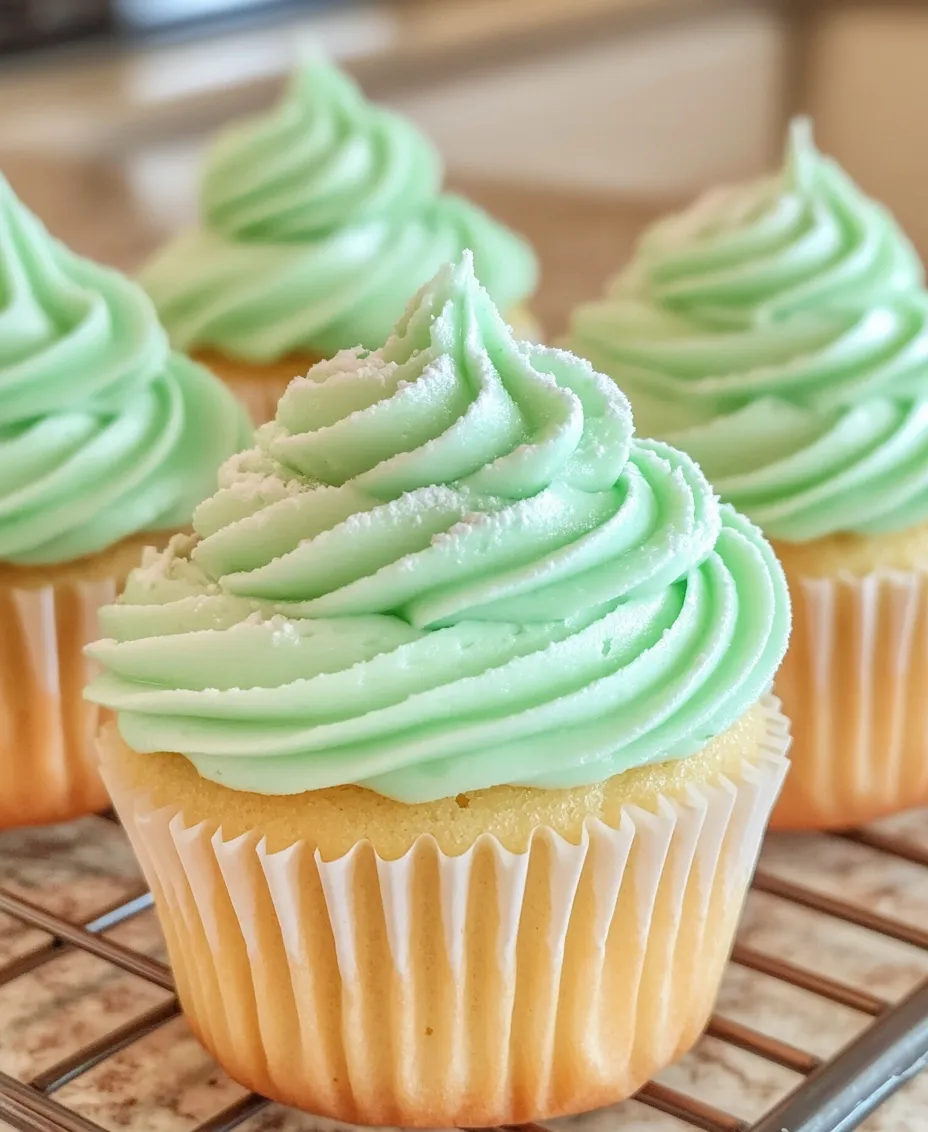
To make your mint buttercream visually appealing, consider adding a touch of food coloring. If you prefer using natural options, try incorporating a small amount of spirulina powder or matcha green tea powder for a lovely green hue. When using food coloring, start with just a drop, mixing thoroughly before adding more. This method allows you to achieve a soft, pastel mint color without overwhelming the buttercream.
Remember, the goal is to achieve a natural, appealing hue that complements your mint flavor. A well-colored buttercream can elevate the presentation of your baked goods, making them even more inviting.
Final Taste Testing
Before finishing your mint buttercream, it is crucial to conduct a final taste test. This step allows you to make any necessary adjustments to the flavor. If it tastes a bit too sweet, consider adding a pinch of salt to balance the sweetness. If you crave a stronger mint flavor, add a few drops of peppermint extract, mixing thoroughly after each addition until you reach your desired flavor intensity.
Taste testing not only ensures that you get the flavor just right, but it also gives an excellent opportunity to appreciate the process of creating something delicious from scratch.
Using Mint Buttercream in Your Baking Projects
The versatility of mint buttercream makes it a fantastic addition to various desserts. Here are some suggestions for how to incorporate it into your baking projects:
1. Cakes and Cupcakes: Mint buttercream can be used as frosting for chocolate or vanilla cakes, adding a refreshing twist. It pairs particularly well with chocolate cupcakes, creating a delightful contrast in flavors.
2. Cookies: Spread mint buttercream between two cookies for a delicious sandwich treat. Consider using chocolate chip, sugar, or even shortbread cookies to complement the mint flavor.
3. Brownies: Spread a layer of mint buttercream on top of brownies for an indulgent dessert. The combination of rich chocolate and refreshing mint is a crowd-pleaser.
4. Flavor Combinations: Get creative with your flavor combinations. Try mixing in crushed Oreos for a cookies-and-cream effect or adding a hint of citrus zest for a bright, refreshing flavor.
5. Decorations: Use mint buttercream to pipe decorative swirls on cakes or cupcakes. You can also use it to fill macarons or layer between cake tiers for added flavor and moisture.
Storing Leftover Buttercream
If you find yourself with leftover mint buttercream, don’t worry; it can be stored for future use! Place the buttercream in an airtight container and store it in the refrigerator for up to two weeks. When you’re ready to use it again, simply take it out and allow it to come to room temperature. Give it a good stir to restore its creamy texture before using.
For longer storage, consider freezing the buttercream. Place it in a freezer-safe container or a resealable bag, and it can last for up to three months. When you’re ready to use it, thaw it in the refrigerator overnight and rewhip as needed.
FAQs About Mint Buttercream
Q: What can I substitute for powdered sugar?
A: If you prefer a lower-sugar alternative, try using coconut sugar or a powdered sugar substitute. However, the texture and sweetness may vary slightly.
Q: Can I use margarine instead of butter?
A: Yes, margarine can be used as a substitute, but keep in mind that it may affect the flavor and texture of the buttercream.
Q: How can I adjust the color intensity of my buttercream?
A: To achieve a deeper color, simply add more food coloring gradually until you reach your desired shade. If you want to lighten the color, add more white buttercream.
Q: What if my buttercream is too runny?
A: If your buttercream is too runny, try adding more powdered sugar a little at a time until it thickens to your desired consistency.
Conclusion
Mint buttercream is a delightful and versatile frosting that can elevate your baked goods to new heights. With its creamy texture, refreshing flavor, and beautiful color options, it’s a perfect choice for a variety of desserts. Whether you’re frosting a cake, filling cookies, or simply enjoying it by the spoonful, this homemade buttercream is sure to impress.
Don’t hesitate to experiment with different flavors and decorations to make the recipe your own. The joy of creating homemade buttercream lies in its adaptability and the personal touch you can add. Enjoy the process of whipping up this delightful treat, and watch as it transforms your baking experience!