Introduction
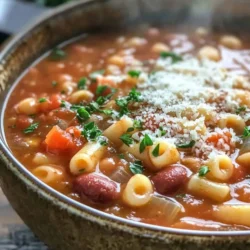
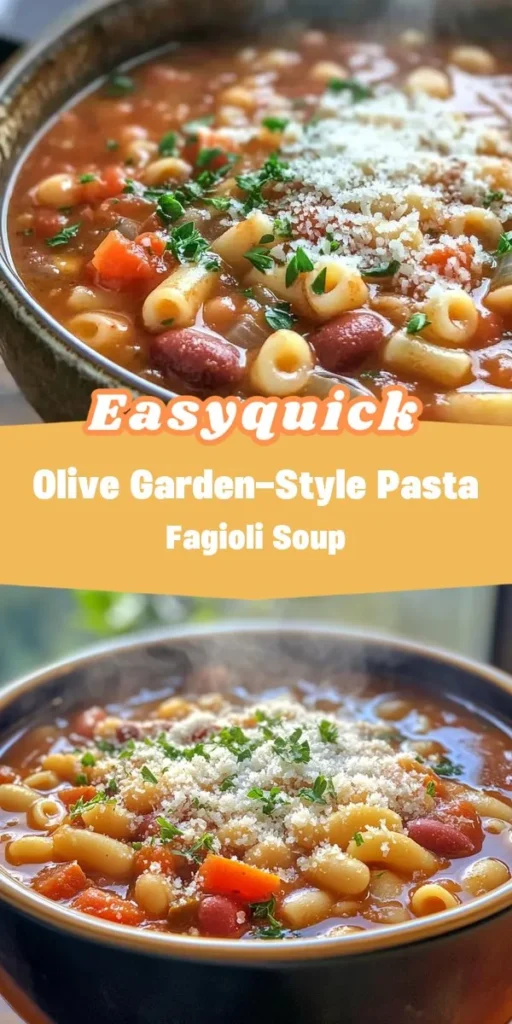
Pasta Fagioli Soup, a delightful Italian dish, is beloved for its rich flavors and comforting warmth. This hearty soup combines pasta, beans, and vegetables, creating a filling meal that is both nutritious and satisfying. It’s no surprise that Pasta Fagioli has gained immense popularity, especially with its prominent presence on the menu of Olive Garden, a restaurant known for its Italian-American cuisine. The restaurant’s version of this classic soup has made it a household favorite, evoking memories of cozy gatherings around the dinner table.
The appeal of Pasta Fagioli Soup goes beyond just flavor—it embodies the essence of comfort food. When you think of a dish that wraps you in warmth and nostalgia, this soup often comes to mind. While enjoying a bowl at a restaurant can be comforting, making it at home allows you to control the ingredients, ensuring a healthier and more flavorful dish. Embracing the art of homemade cooking not only enhances the taste but also allows for customization to suit individual preferences.
The Origin of Pasta Fagioli Soup
Pasta Fagioli, which translates to “pasta and beans,” has roots deeply embedded in Italian culinary history. The dish hails from the peasant cuisine of Italy, where it was traditionally prepared as a frugal meal using readily available ingredients. Historical accounts trace its origins back to the 18th century, particularly in the regions of Campania and Veneto, where beans were a staple food due to their affordability and nutritional value.
Culturally, Pasta Fagioli reflects the Italian philosophy of using simple ingredients to create delicious meals. The dish showcases the Italian knack for turning humble foods into delectable offerings. As the recipe spread across Italy, numerous regional variations emerged, each boasting unique ingredients and preparation methods. In some areas, you might find the addition of pancetta or other cured meats, while others might focus more on fresh vegetables and herbs. Regardless of the variation, each version of Pasta Fagioli tells a story of local flavors and traditions, making it a beloved dish throughout the country.
Ingredients Breakdown
To create a delicious Olive Garden-style Pasta Fagioli Soup, it’s essential to start with high-quality ingredients that will enhance the overall flavor and nutritional profile of the dish. Here’s a breakdown of the main components you’ll need:
Main Ingredients
1. Beans: Traditionally, cannellini beans or kidney beans are used in Pasta Fagioli. These legumes are not only a good source of protein but also provide dietary fiber, which contributes to heart health and aids digestion.
2. Pasta: Ditalini is the pasta of choice for this soup, as its small size allows it to blend seamlessly with the other ingredients. However, small shell pasta or elbow macaroni can also work well.
3. Ground Meat: Ground beef or Italian sausage adds a savory depth to the soup. The choice of meat can significantly influence the flavor profile, so opt for high-quality options for the best results.
4. Vegetables: A medley of vegetables, including onions, carrots, and celery, forms the base of the soup. These aromatic ingredients not only provide flavor but also essential vitamins and minerals.
5. Tomato Base: Diced tomatoes, tomato sauce, or tomato paste contribute acidity and sweetness, balancing the richness of the meat and beans. Fresh or canned tomatoes can be used based on availability and preference.
6. Herbs and Spices: Fresh or dried herbs like oregano, basil, and thyme impart aromatic flavors that elevate the soup. A hint of red pepper flakes can add a pleasant kick.
Importance of Quality Ingredients
The quality of ingredients plays a pivotal role in the final outcome of Pasta Fagioli Soup. Fresh vegetables will provide vibrant flavors and textures, while high-quality meats ensure that the soup is both hearty and satisfying. Using organic or locally sourced ingredients can also enhance the nutritional value of the dish, making it a wholesome choice for family meals.
Health Benefits of Key Components
Pasta Fagioli Soup is not just comforting; it’s also packed with health benefits. The beans serve as an excellent source of plant-based protein and fiber, promoting satiety and digestive health. The variety of vegetables contributes vitamins A and C, as well as important minerals such as potassium and magnesium. Additionally, the tomatoes in the recipe are rich in antioxidants, particularly lycopene, which has been linked to numerous health benefits, including heart health and cancer prevention.
Preparation Techniques
Before diving into the cooking process, it’s crucial to understand some effective preparation techniques that will enhance the flavors of your Olive Garden-style Pasta Fagioli Soup.
Tips for Preparing Fresh Vegetables
When preparing your vegetables, freshness is key. Here are some tips to ensure your vegetables are at their best:
– Selection: Choose firm, vibrant vegetables. For onions, look for those with a dry, papery skin and no soft spots. Carrots should be crisp and bright orange, while celery should be firm and green.
– Washing and Peeling: Wash all vegetables thoroughly to remove any dirt or pesticides. Peel carrots if desired, though you can retain the skin for added nutrients.
– Chopping Uniformly: Cut the vegetables into uniform pieces to ensure even cooking. This not only enhances the presentation but also ensures that every bite has a balanced mix of flavors.
Best Practices for Browning Meat
Browning the meat is a crucial step in developing the overall flavor of Pasta Fagioli Soup. Here’s how to do it right:
– Use a Heavy-Bottomed Pot: A Dutch oven or heavy pot retains heat evenly, preventing the meat from steaming instead of browning.
– Preheat the Pot: Ensure the pot is hot before adding the meat. This helps to achieve a good sear and locks in the juices.
– Avoid Overcrowding: If you have a large quantity of meat, brown it in batches to avoid overcrowding the pot. This allows the meat to brown evenly rather than steam.
– Deglaze for Flavor: After browning the meat, add a splash of broth or wine to deglaze the pot, scraping up any browned bits stuck to the bottom. This adds depth to the soup’s flavor.
Importance of Simmering for Depth of Flavor
Once all the ingredients are combined, simmering the soup is essential. This slow cooking process allows the flavors to meld together, resulting in a rich and satisfying dish. Here are some tips for effective simmering:
– Low and Slow: After bringing the soup to a boil, reduce the heat to low and let it simmer gently. This ensures that the ingredients meld while preventing them from overcooking.
– Timing: Simmer the soup for at least 30 minutes, but longer is better. Allowing it to simmer for an hour or more will deepen the flavors even further.
– Adjusting Consistency: If the soup becomes too thick during simmering, feel free to add additional broth or water to achieve your desired consistency.
Step-by-Step Cooking Instructions
Now that you have a solid understanding of the ingredients and techniques, let’s move on to the step-by-step cooking instructions for Olive Garden-style Pasta Fagioli Soup.
Detailed Guide on Sautéing Vegetables
1. Prepare the Ingredients: Gather all your chopped vegetables—onions, carrots, and celery—and have them ready for cooking.
2. Heat the Oil: In a large pot or Dutch oven, heat 2 tablespoons of olive oil over medium heat.
3. Sauté the Aromatics: Add the chopped onions to the pot and sauté for about 2-3 minutes until translucent. Next, add the carrots and celery, cooking for an additional 5 minutes until the vegetables begin to soften.
4. Season: Season the vegetables with a pinch of salt and pepper, which helps to enhance their flavors.
How to Properly Brown Ground Beef or Sausage
1. Add the Meat: Once the vegetables are softened, add 1 pound of ground beef or Italian sausage to the pot.
2. Break It Up: Use a wooden spoon to break the meat into small pieces as it cooks. This ensures even browning and prevents clumping.
3. Brown the Meat: Cook the meat for about 5-7 minutes until it is browned all over. Use the deglazing technique mentioned earlier by adding a splash of broth or wine to lift the fond from the bottom of the pot.
Combining Ingredients for the Perfect Soup Base
1. Add Tomatoes and Beans: Once the meat is browned, add 1 can of diced tomatoes (with juices), 1 can of cannellini beans (drained and rinsed), and any remaining broth (about 4 cups) to the pot.
2. Incorporate Herbs and Spices: Stir in 1 teaspoon of dried oregano, 1 teaspoon of dried basil, and a pinch of red pepper flakes for some heat. Adjust the spices to taste.
3. Simmer the Soup: Bring the mixture to a gentle boil, then reduce the heat and let it simmer for at least 30 minutes, allowing the flavors to meld beautifully.
4. Cook the Pasta: If using ditalini pasta, add it during the last 10 minutes of cooking to prevent it from becoming mushy.
With these steps, you’ll be well on your way to creating a hearty and delicious Olive Garden-style Pasta Fagioli Soup that is sure to impress your family and friends. Stay tuned for more insights and tips in the concluding sections of this article!
Seasoning Tips for Balancing Flavors
Achieving the perfect balance of flavors in your Olive Garden-style Pasta Fagioli Soup is crucial for a dish that warms the soul. Start by seasoning your soup with salt and pepper, but don’t forget the importance of herbs. Dried oregano and basil are traditional staples in Italian cuisine that can elevate the flavors of your soup significantly. Add these herbs early in the cooking process to allow their flavors to meld with the other ingredients.
For an extra depth of flavor, consider incorporating a bay leaf during the simmering phase. This aromatic leaf imparts a subtle complexity that enhances the overall taste profile. If you enjoy a hint of heat, a pinch of red pepper flakes can be added to your initial sauté. Additionally, incorporating a splash of balsamic vinegar or a squeeze of lemon juice just before serving can brighten the dish, balancing the hearty ingredients with a touch of acidity.
Cooking Pasta to Achieve the Right Texture
The pasta is a vital component of Pasta Fagioli Soup, and cooking it correctly is essential to the dish’s success. To achieve the ideal texture, cook the pasta separately in salted boiling water until it’s al dente, which usually means cooking it for about 1-2 minutes less than the package instructions suggest. This is important because the pasta will continue to cook once it’s added to the soup, potentially becoming mushy if cooked for too long initially.
After draining the pasta, rinse it briefly under cold water. This step stops the cooking process and prevents the pasta from sticking together. When you’re ready to serve, you can either add the pasta directly to the soup or serve it separately, allowing diners to add their desired amount. This method ensures your soup maintains a perfect texture and consistency.
Combining Pasta and Soup for Optimal Consistency
When combining the pasta with the soup, aim for a consistency that feels hearty without overwhelming the broth. Start by adding a modest amount of pasta to your soup, stirring gently to mix. If you find that the soup is too thick, gradually add more broth until you reach your desired consistency. The goal is to have a soup that is rich and flavorful, with the pasta complementing the broth rather than dominating it.
If you prefer a more stew-like texture, you may choose to add more pasta. However, be cautious—excess pasta can absorb too much liquid, leading to a dry soup. It’s always best to err on the side of caution and add more broth as needed, especially if you plan to store leftovers, as the pasta will continue to absorb liquid over time.
Serving Suggestions
Ideas for Garnishing with Parmesan Cheese
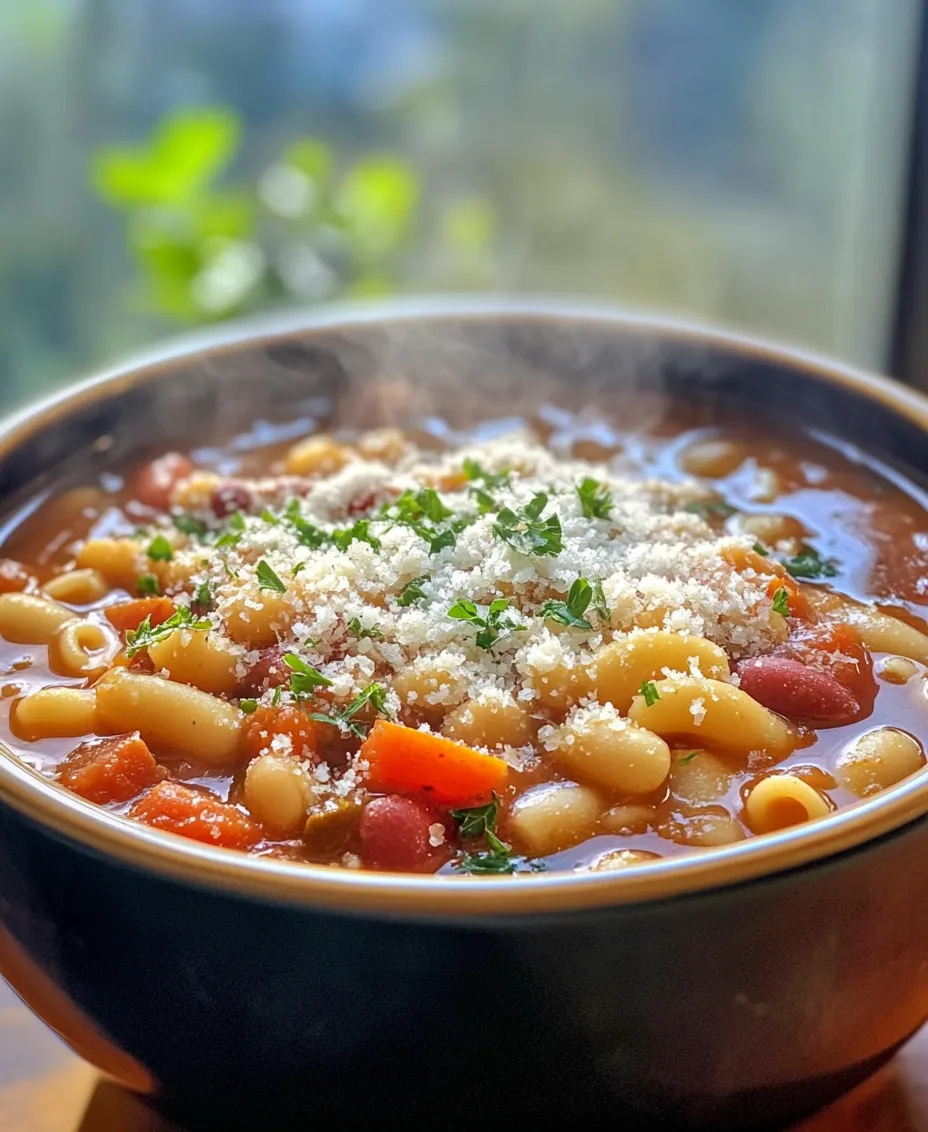
To enhance the flavor of your Olive Garden-style Pasta Fagioli Soup, consider garnishing with freshly grated Parmesan cheese. A generous sprinkle of this savory cheese just before serving adds a rich, nutty flavor that perfectly complements the soup’s hearty ingredients. For a touch of freshness, you can also add chopped parsley or a drizzle of olive oil on top, which will add both color and a fresh flavor profile.
Recommended Side Dishes for a Complete Meal
To turn your Pasta Fagioli Soup into a complete meal, pair it with side dishes that enhance the dining experience. A simple green salad with a light vinaigrette can offer a refreshing contrast to the warm, robust flavors of the soup. Alternatively, roasted or steamed vegetables, such as broccoli or asparagus, can provide additional nutrients and balance.
Creative Serving Options: Breadsticks or Garlic Bread
No meal is complete without some form of bread, and for Pasta Fagioli Soup, breadsticks or garlic bread are perfect companions. The warm, buttery flavors of garlic bread pair beautifully with the soup, allowing you to soak up every last drop of the delicious broth. If you prefer a lighter option, consider serving warm breadsticks with a side of olive oil for dipping, providing a delightful textural contrast to the soup.
Nutritional Information
Breakdown of Calories, Protein, and Key Nutrients Per Serving
A single serving of Olive Garden-style Pasta Fagioli Soup typically contains approximately 250-300 calories, depending on the specific ingredients used. The soup is also a good source of protein, providing around 12-15 grams per serving due to the inclusion of beans and any additional protein sources you might add. Key nutrients include fiber, iron, and vitamin C, making this soup not only delicious but also a wholesome choice.
Discussion on Dietary Adjustments for Different Needs
For those with dietary restrictions, there are several adjustments you can make to this recipe. To create a gluten-free version, simply substitute the pasta with gluten-free alternatives, such as quinoa or rice. For a vegetarian option, ensure that your vegetable broth is free of animal products, or enhance the soup with additional vegetables like mushrooms or bell peppers. If you’re looking to lower the calorie count, consider using less oil and opting for leaner protein options.
Flavor Enhancements and Variations
Suggestions for Customizing the Soup
One of the joys of preparing Pasta Fagioli Soup is the ability to customize it to suit your taste preferences. For added nutrition, consider adding leafy greens such as spinach or kale towards the end of the cooking process. Zucchini or diced bell peppers can also be excellent additions, contributing both flavor and color to the dish.
Alternative Protein Sources
If you prefer to incorporate alternative proteins, consider adding shredded chicken or turkey for a heartier version. For a vegetarian protein boost, try adding lentils or chickpeas to the mix. These options not only enhance the nutritional value of the soup but also lend a different texture and flavor profile.
Adjusting Spice Levels for Personalized Taste
Spice levels can be tweaked according to your preferences. If you enjoy a bit of heat, increase the amount of red pepper flakes or add a diced jalapeño during the sauté stage. For those who prefer a milder flavor, simply reduce or omit the spicy elements, allowing the natural flavors of the vegetables and herbs to shine through.
Storing and Reheating Tips
Best Practices for Storing Leftovers
To store leftover Pasta Fagioli Soup, allow it to cool completely before transferring it into airtight containers. Properly stored in the refrigerator, the soup can last for up to 4 days. If you anticipate having leftovers for an extended period, consider freezing the soup instead.
How to Reheat the Soup Without Compromising Flavor
When reheating, do so gently on the stove over medium heat. Add a splash of broth or water to prevent the soup from becoming too thick. Stir occasionally to ensure even heating. If using a microwave, heat in short intervals, stirring in between, until warmed through.
Freezing Options for Meal Prep
For meal prep enthusiasts, freezing Pasta Fagioli Soup is an excellent option. Divide the cooled soup into freezer-safe containers, leaving some space at the top for expansion. The soup can be frozen for up to 3 months. Thaw in the refrigerator overnight before reheating, as this will help maintain the flavors and textures.
Conclusion
Making Olive Garden-style Pasta Fagioli Soup at home is a rewarding experience filled with the comforts of hearty ingredients and rich flavors. This recipe not only allows for personalization but also serves as a canvas for creativity in the kitchen. As you experiment with different ingredients and flavors, you’ll find your perfect version of this classic dish.
Whether you’re preparing it for a cozy family dinner, a gathering with friends, or simply to enjoy during a quiet night in, Pasta Fagioli Soup holds a special place in the hearts of many. Its warm, inviting nature makes it a staple in comforting meals and a reflection of home-cooked goodness. So gather your ingredients, embrace the cooking process, and enjoy the delightful experience of creating a dish that brings warmth and joy to your table.