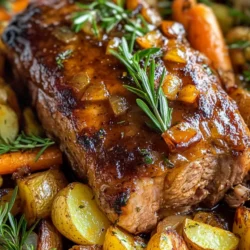
The Apple Cider Pork Roast is a delightful dish that marries the rich flavors of pork with the sweet and tangy essence of apple cider. This recipe is perfect for family gatherings, holiday celebrations, or a cozy weekend dinner. Imagine the aroma wafting through your home as the pork roasts slowly, soaking in the flavors of apple cider, fresh herbs, and spices. With its tender, juicy meat and savory vegetables, this dish promises to be a crowd-pleaser that everyone will enjoy.
In this article, we will explore the ingredients, preparation steps, and the culinary techniques behind this mouthwatering dish, ensuring that you can recreate it effortlessly in your own kitchen. Whether you’re an experienced chef or a novice cook, this recipe is designed to be approachable and rewarding, allowing you to impress your family and friends with a hearty meal.
Understanding the Ingredients
To create a stellar Apple Cider Pork Roast, it’s essential to understand the core components of the dish. Each ingredient plays a vital role in developing the final flavor profile, and knowing how they work together will help you achieve the best results.
Overview of Pork Cuts: Pork Shoulder vs. Pork Loin
The choice of pork cut is crucial for this recipe. Two of the most commonly used cuts for roasting are pork shoulder and pork loin.
– Pork Shoulder: This cut is ideal for slow-roasting due to its higher fat content and connective tissue. As it cooks, the fat renders down, keeping the meat moist and tender. Pork shoulder also has a robust flavor that pairs beautifully with the sweetness of apple cider and the savory herbs.
– Pork Loin: While leaner than pork shoulder, pork loin can also be used for this recipe. It cooks faster and is less fatty, so it requires careful attention to prevent it from drying out. If you choose pork loin, consider reducing the cooking time and monitoring the internal temperature closely.
The Role of Apple Cider in Flavor Development
Apple cider is the star ingredient of this dish, imbuing the pork with a delightful sweetness and acidity. The natural sugars in apple cider caramelize during the cooking process, creating a beautiful glaze on the roast. Additionally, the acidity of the cider helps to tenderize the pork, allowing the meat to absorb the flavors of the herbs and spices.
When selecting apple cider, opt for a high-quality, unfiltered variety without added sugars or preservatives. This ensures that the authentic apple flavor shines through in your dish.
Importance of Fresh Herbs: Rosemary and Thyme
Herbs are essential for elevating the flavor of the Apple Cider Pork Roast. Fresh rosemary and thyme bring aromatic notes that complement the sweetness of the cider and the savory depth of the pork.
– Rosemary: With its woody, pine-like flavor, rosemary adds an earthy dimension to the dish. Its strong aroma pairs beautifully with roasted meats and enhances the overall flavor profile.
– Thyme: This herb has a subtle, minty flavor that balances well with other ingredients. Thyme’s versatility makes it a staple in many savory dishes, and it works exceptionally well in this roast.
Using fresh herbs is recommended for the best flavor, but if you only have dried herbs on hand, you can substitute them—just remember that dried herbs are more potent, so use about one-third of the amount called for fresh.
Enhancing Flavors with Garlic and Onion
Garlic and onion are foundational ingredients in many culinary traditions, and they add depth and complexity to the Apple Cider Pork Roast.
– Garlic: Known for its robust flavor, garlic enhances the savory aspects of the dish. When roasted, garlic becomes sweet and mellow, perfectly complementing the pork and cider.
– Onion: Caramelized onions add a rich sweetness and a subtle tang that rounds out the flavors. They also contribute to the overall texture of the dish, providing a delicious contrast to the tender pork.
The Sweet Touch: Brown Sugar and Dijon Mustard
To balance the acidity of the apple cider, a touch of sweetness is essential. Brown sugar is commonly used in this recipe, as it adds a deep, caramel-like flavor that complements the pork beautifully.
Dijon mustard, with its tangy and slightly spicy notes, serves to enhance the overall flavor complexity. It not only adds a layer of richness but also helps to create a delicious crust on the roast when combined with the brown sugar.
Preparation Guide
Now that you have a solid understanding of the ingredients, let’s dive into the preparation process. Following these step-by-step instructions will ensure an impeccable roast that impresses everyone at the table.
Prepping Your Ingredients: A Key to Success
Preparation is crucial for a successful Apple Cider Pork Roast. Start by gathering all your ingredients and tools to create a streamlined cooking experience. Here’s what you’ll need:
– Ingredients:
– Pork shoulder or pork loin (about 3-4 pounds)
– 2 cups of apple cider
– 2 tablespoons of brown sugar
– 2 tablespoons of Dijon mustard
– 2-3 cloves of garlic, minced
– 1 large onion, sliced
– Fresh rosemary and thyme (about 2 sprigs of each)
– Salt and pepper to taste
– Olive oil for searing
– Tools:
– Dutch oven or large oven-safe pot
– Cutting board and knife
– Measuring cups and spoons
– Tongs or spatula for handling the meat
Once you have everything ready, you can move on to the next steps.
The Importance of Searing the Pork: Building Flavor
Searing the pork is a critical step in developing flavor. It caramelizes the surface of the meat, creating a beautiful crust that adds depth to the overall dish. Here’s how to do it:
1. Preheat your Dutch oven: Place it over medium-high heat and add a tablespoon of olive oil. Allow the oil to heat until it shimmers.
2. Season the pork: Generously season your pork with salt and pepper on all sides. This enhances the flavor and helps to create that delicious crust.
3. Sear the pork: Carefully add the pork to the hot oil and sear it for about 3-4 minutes on each side until a golden-brown crust forms. Use tongs to turn the meat, ensuring all sides are evenly browned.
4. Remove the pork: Once seared, transfer the pork to a plate and set it aside while you prepare the aromatics and the apple cider mixture.
Crafting the Apple Cider Mixture: Balancing Sweetness and Savory
Now that the pork is seared, it’s time to bring all the flavors together. The apple cider mixture is the heart of this dish, and crafting it properly will elevate your roast.
1. Sauté the onions and garlic: In the same Dutch oven, add the sliced onions and minced garlic. Sauté for about 3-4 minutes until the onions are translucent and fragrant. This step builds the flavor base for your roast.
2. Create the apple cider mixture: Add the apple cider, brown sugar, and Dijon mustard to the pot. Stir well to combine, ensuring the sugar dissolves completely. Allow the mixture to simmer for a minute, letting the flavors meld together.
3. Add the herbs: Toss in the sprigs of rosemary and thyme, infusing the mixture with their aromatic qualities. The heat will release their essential oils, enhancing the overall flavor profile of the dish.
Cooking Techniques: Using a Dutch Oven for Uniform Cooking
The Dutch oven is a fantastic tool for this recipe, as it allows for even cooking and excellent heat retention. Here’s how to utilize it effectively:
1. Return the pork: Once the apple cider mixture is ready, place the seared pork back into the Dutch oven, ensuring it is submerged in the liquid. This will ensure that the meat stays moist and flavorful during the cooking process.
2. Cover and roast: Cover the Dutch oven with a lid and transfer it to a preheated oven set at 325°F (163°C). Allow the pork to roast for approximately 2 to 2.5 hours, or until the internal temperature reaches 145°F (63°C) for pork loin or 190°F (88°C) for pork shoulder. The longer cooking time for pork shoulder allows the connective tissues to break down, resulting in tender, pull-apart meat.
3. Baste periodically: Every 30 minutes, carefully remove the lid and baste the pork with the pan juices. This helps to keep the meat moist and enhances the flavor.
By following these preparation steps and cooking techniques, you’ll set yourself up for success in creating a delicious Apple Cider Pork Roast that will warm both hearts and stomachs. In the next part of this article, we will explore the final cooking process, including tips for achieving the perfect roast and serving suggestions to delight your guests.
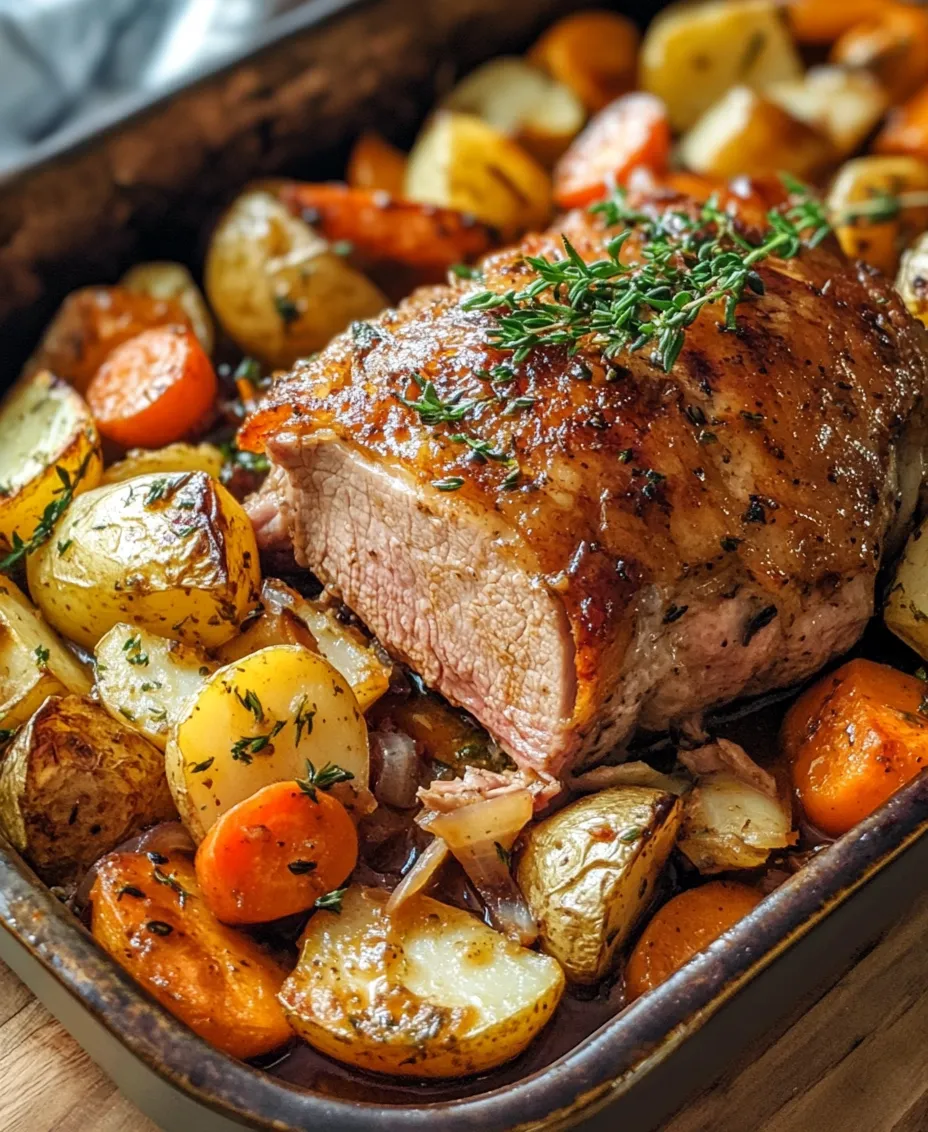
The Art of Roasting: Timing and Temperature
Setting the Oven: Preheating to Perfection
Before diving into the roasting process, it’s essential to set your oven to the right temperature. For the Apple Cider Pork Roast, preheat your oven to 350°F (175°C). Preheating is crucial as it ensures the pork starts cooking immediately upon entering the oven, which helps in achieving a beautifully browned exterior while keeping the inside juicy and tender. Use an oven thermometer if necessary to ensure accuracy, as many ovens can be off by several degrees.
While the oven is heating, prepare your pork roast and the apple cider marinade. The combination of flavors will infuse the meat beautifully, and starting at the right temperature will help lock in those flavors.
The Roasting Process: Why Low and Slow Matters
When it comes to roasting pork, the mantra “low and slow” is your best friend. Cooking the roast at a moderate temperature allows the fat to render slowly, ensuring the meat stays moist and tender. For the Apple Cider Pork Roast, you should aim for a cooking time of about 20-25 minutes per pound. For example, a 3-pound roast will typically take around 1 to 1.5 hours to reach the perfect doneness.
During the roasting process, consider basting the pork with the apple cider marinade every 30 minutes. This will not only enhance the flavor but also help in developing a rich, caramelized crust. To baste, simply use a spoon or a baster to drizzle the juices from the pan back over the roast.
Achieving Fork-Tender Pork: Signs to Look For
The best way to determine if your Apple Cider Pork Roast is done is to check its internal temperature. Use a meat thermometer inserted into the thickest part of the roast, avoiding any bones, to ensure an accurate reading. The USDA recommends that pork should reach an internal temperature of at least 145°F (63°C) for safe consumption. However, if you want that fork-tender texture, aim for an internal temperature of around 160°F (71°C).
Another sign that your roast is ready is the color of the juices. When you cut into the pork, the juices should run clear, not pink. If you notice any remaining pinkness, return it to the oven for an additional 10-15 minutes and check again.
The Resting Period: Allowing the Flavors to Settle
Once your roast has reached the desired internal temperature, it’s tempting to slice right in. However, patience is key. Allow your pork roast to rest for at least 15-20 minutes before carving. This resting period lets the juices redistribute throughout the meat, resulting in a juicier, more flavorful roast. Cover it loosely with aluminum foil to keep it warm while it rests.
Serving Suggestions
Presenting Your Dish with Style
Once your Apple Cider Pork Roast has rested, it’s time to carve and serve. A well-presented dish not only enhances the dining experience but also makes the meal feel more special. Start by slicing the roast against the grain to ensure tender bites. Arrange the slices on a large platter, fanning them out for a beautiful presentation. Drizzle some of the pan juices over the meat to add extra flavor and sheen.
Suggested Side Dishes that Complement the Roast
To truly elevate your meal, consider serving your Apple Cider Pork Roast with complementary side dishes. Here are some perfect pairings:
1. Roasted Root Vegetables: Carrots, parsnips, and sweet potatoes roasted in olive oil and seasoned with herbs will add a lovely sweetness to balance the savory pork.
2. Creamy Mashed Potatoes: The creamy texture and mild flavor of mashed potatoes provide a comforting base that pairs beautifully with the rich flavors of the roast.
3. Apple Cranberry Salad: A fresh salad with mixed greens, sliced apples, walnuts, and a tangy cranberry vinaigrette will add a crisp contrast to the warm, hearty roast.
4. Green Beans Almondine: Lightly sautéed green beans topped with toasted almonds offer a crunchy texture and nutty flavor that complements the dish perfectly.
Creating a Cozy Dining Experience: Ambiance and Pairings
To enhance the overall dining experience, consider setting the mood with some thoughtful touches. Dim the lights, light some candles, and play soft background music to create a cozy atmosphere.
When it comes to beverage pairings, a glass of chilled white wine, such as a crisp Sauvignon Blanc or a lightly oaked Chardonnay, can beautifully complement the flavors of your Apple Cider Pork Roast. If you prefer non-alcoholic options, consider serving sparkling apple cider or a refreshing herbal iced tea.
Nutritional Information
Understanding the Health Aspects of Your Meal
While enjoying a delicious meal, it’s also important to consider its nutritional value. Here’s a breakdown of the key components of the Apple Cider Pork Roast:
– Pork: A great source of protein and essential vitamins such as B6 and B12, pork also contains zinc, which is important for immune function. Choose lean cuts, such as a pork loin, to keep your dish healthier.
– Apples: Packed with dietary fiber, vitamins A and C, and antioxidants, apples contribute to overall health. The natural sweetness of apples enhances the flavor of the roast while adding a nutritious element.
– Vegetables: Any accompanying vegetables will provide essential nutrients and fiber, making your meal more balanced.
Analyzing the Caloric Breakdown of Apple Cider Pork Roast
While exact caloric content will vary based on portion sizes and specific ingredients, a typical serving of Apple Cider Pork Roast (about 4 ounces) contains approximately 250-300 calories. This number can change depending on how much of the sauce or accompanying sides you serve, so it’s wise to be mindful of portion sizes.
Balancing Your Meal: Portion Control and Nutritional Value
To maintain a balanced diet, aim to fill half your plate with vegetables, a quarter with protein (like your pork roast), and a quarter with carbohydrates (such as mashed potatoes or bread). This balance helps ensure that you’re getting a variety of nutrients while enjoying a satisfying meal.
Conclusion
The Apple Cider Pork Roast stands out as a comforting dish that combines simplicity with gourmet flavors. Its blend of sweet, savory, and aromatic elements makes it a perfect choice for various occasions, from family dinners to festive gatherings. By following this detailed guide, anyone can master the art of cooking this roast and enjoy a flavorful meal with loved ones. Embrace the joy of cooking and the warmth of sharing this delightful dish at your table. Whether it’s a cozy weeknight dinner or a celebration with friends and family, this recipe is sure to impress and satisfy.