
Introduction
Exploring the world of comfort food often leads us to dishes that not only satiate our cravings but also nourish our bodies. The Cheesy Vegetable Casserole is a perfect example, combining vibrant vegetables with creamy cheeses to create a dish that appeals to both the eyes and the palate. This casserole is a delightful medley of flavors and textures, making it an excellent choice for family dinners, potlucks, or a cozy weeknight meal. In this article, we will delve into the intricacies of this wholesome recipe, its nutritional benefits, and how it can fit into various diets.
When discussing comfort food, it is essential to highlight how we can enjoy these indulgences while still focusing on health. The Cheesy Vegetable Casserole allows for a mix of fresh produce and rich flavors, providing a balanced approach to meal preparation. It’s not just about satisfying hunger; it’s also about reinforcing the importance of wholesome ingredients.
Understanding the Essence of Cheesy Vegetable Casserole
The Cheesy Vegetable Casserole has roots in traditional casserole dishes that date back centuries, evolving to incorporate various ingredients based on what is available or in season. This particular dish showcases an array of vegetables, often celebrated for their nutritional value, combined with the rich, creamy texture of cheese. The origins of casseroles can be traced back to France, where they were seen as a practical way to combine leftovers into a hearty meal.
Incorporating vegetables into meals is crucial for maintaining a balanced diet. Vegetables are not only low in calories but also packed with vitamins, minerals, and antioxidants. They play a vital role in promoting health and preventing chronic diseases. The Cheesy Vegetable Casserole allows you to serve a generous portion of vegetables in a delicious way, encouraging even the pickiest eaters to enjoy their greens.
Cheese, on the other hand, is often viewed as a guilty pleasure. However, when used in moderation, it can enhance the flavor and texture of dishes significantly. In this casserole, cheese serves a dual purpose: it adds creaminess and richness, while also acting as a binding agent for the vegetables. The combination of melted cheese with tender vegetables creates a satisfying dish that can be enjoyed by all ages.
Ingredient Breakdown
Fresh Vegetables
The foundation of the Cheesy Vegetable Casserole is its colorful selection of fresh vegetables. Here are some of the key players:
– Broccoli: This green powerhouse is rich in vitamins C and K, fiber, and several antioxidants. Broccoli not only adds a beautiful color but also a satisfying crunch to the casserole.
– Cauliflower: Known for its versatility, cauliflower is low in calories yet high in nutrients. Its mild flavor allows it to absorb the surrounding flavors, making it a great filler in casseroles.
– Carrots: Not only do they provide a natural sweetness, but carrots are also an excellent source of beta-carotene, which is converted to vitamin A in the body. Their vibrant orange hue adds visual appeal.
– Bell Peppers: These come in various colors, such as red, yellow, and green, each offering unique flavor profiles and nutritional benefits. They are rich in vitamins A and C and add a crunchy texture.
– Corn: A touch of sweetness from corn can elevate the dish. It’s a good source of carbohydrates and fiber, adding bulk and heartiness to the casserole.
Incorporating a variety of these vegetables not only enhances the flavor but also ensures that you’re getting a wide range of nutrients in every bite.
The Cheese Factor
Cheese is the star ingredient that ties the casserole together, and for this recipe, we often rely on a combination of cheddar and ricotta.
– Cheddar: This cheese is known for its sharp flavor and creamy texture when melted. It adds a rich taste to the casserole while providing calcium and protein.
– Ricotta: With its creamy consistency, ricotta cheese contributes to the overall richness of the dish. It helps create a smooth mixture that envelops the vegetables, ensuring no bite is left unflavored.
Together, these cheeses create a delightful blend that enhances the overall experience of the casserole, making it indulgent yet satisfying.
Eggs and Milk
In addition to the vegetables and cheese, eggs and milk play a critical role in the Cheesy Vegetable Casserole.
– Eggs: They act as a binder, holding everything together and providing additional protein. Eggs add a fluffy texture to the casserole when baked, contributing to its overall comfort food appeal.
– Milk: A splash of milk helps to create a creamy base that complements the cheeses. It ensures that the casserole remains moist and flavorful without becoming overly heavy.
Herbs and Spices
Flavor is key to elevating any dish, and the Cheesy Vegetable Casserole is no exception.
– Thyme and Oregano: These herbs bring a fragrant earthiness to the dish. Thyme adds a subtle floral note, while oregano provides a hint of sweetness, enhancing the overall flavor profile.
– Salt and Pepper: Simple yet essential, seasoning with salt and pepper is crucial in bringing out the natural flavors of the vegetables and cheese. It’s important to taste and adjust these as needed for the perfect balance.
Topping Choices
Finally, for those who enjoy a bit of crunch, consider adding a topping to your casserole.
– Breadcrumbs: A sprinkle of breadcrumbs on top creates a delightful contrast to the creamy filling. You can use regular breadcrumbs or opt for panko for an extra crispy texture.
This topping not only adds crunch but also enhances the visual presentation, making the casserole even more inviting when it comes out of the oven.
Preparation Steps Explained
Preparing a Cheesy Vegetable Casserole is a straightforward process that begins with careful prep work.
Prepping the Ingredients
To create a smooth and efficient cooking experience, start by prepping your ingredients:
1. Cleaning: Rinse all vegetables thoroughly under cold water to remove any dirt or pesticides.
2. Cutting: Use a sharp knife to chop the broccoli and cauliflower into bite-sized florets. Slice the carrots into thin rounds or matchsticks for even cooking. Dice the bell peppers and set aside.
3. Measuring: Measure out your cheese, eggs, and milk beforehand to streamline the mixing process later.
Efficient preparation not only saves time but also ensures that all your ingredients are ready to go when you start cooking.
Sautéing Techniques
Once your ingredients are prepped, it’s time to sauté:
1. Heating the Pan: In a large skillet, heat a drizzle of olive oil over medium heat. Allow the oil to warm up before adding your chopped onions and garlic.
2. Cooking the Aromatics: Sauté the onions until they become translucent and fragrant, about 3-4 minutes. Then, add the minced garlic and cook for an additional minute, stirring frequently to prevent burning.
3. Adding the Vegetables: Introduce the harder vegetables first, such as carrots and broccoli, to the pan. Sauté for about 5-7 minutes until they start to soften. Then, add the cauliflower, bell peppers, and corn, cooking until all vegetables are tender but still vibrant in color.
This sautéing technique enhances the flavors of the vegetables and builds a robust base for the casserole.
Creating the Cheese Mixture
The final step before assembling the casserole involves creating the cheese mixture:
1. Combining Ingredients: In a large mixing bowl, combine the ricotta cheese, shredded cheddar, eggs, milk, thyme, oregano, salt, and pepper. Use a whisk or spatula to ensure everything is well blended and smooth.
2. Incorporating the Vegetables: Fold the sautéed vegetables into the cheese mixture, ensuring an even distribution. This step is crucial as it guarantees that every bite of the casserole is flavorful.
With these preparation steps completed, you’re now ready to assemble your Cheesy Vegetable Casserole, ready for the oven. This comforting dish not only nourishes the body but also warms the soul, making it a perfect addition to your meal rotation.
Stay tuned for the next part, where we will cover the assembly, baking process, and some tips to ensure your casserole turns out perfectly every time.
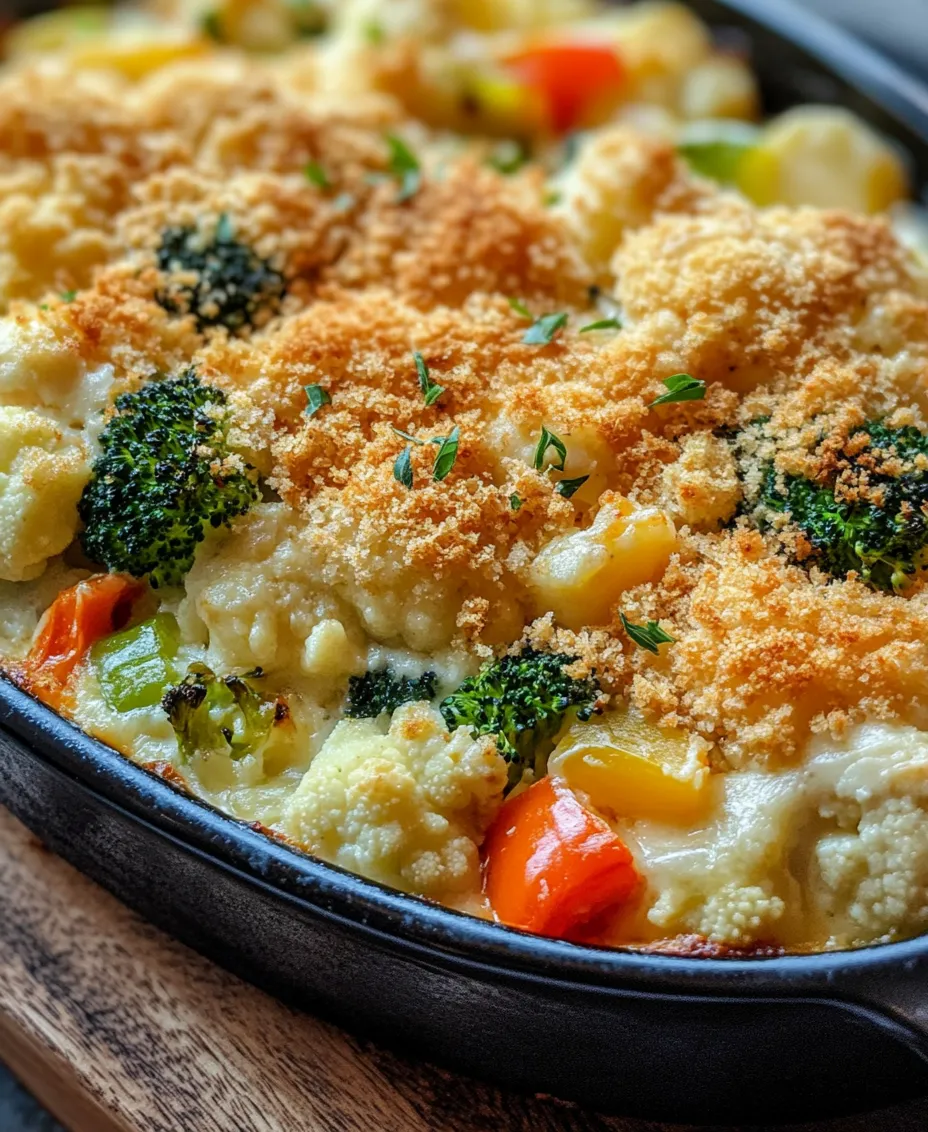
Combining Ingredients
To create a Cheesy Vegetable Casserole that is both flavorful and visually appealing, the way you combine your ingredients is crucial. Start by preheating your oven to 350°F (175°C). This allows your casserole to bake evenly once it’s ready.
Begin by preparing your vegetables. Whether you’ve chosen broccoli, carrots, bell peppers, or zucchini, ensure they are chopped into uniform pieces. This not only helps them cook evenly but also ensures that every bite is packed with flavor. When mixing your vegetables, consider layering them in the casserole dish. For instance, a layer of broccoli followed by a layer of carrots can create a beautiful mosaic effect that is sure to impress your guests.
Next, integrate your chosen cheeses. A mix of cheddar, mozzarella, and cream cheese works wonderfully, but feel free to experiment with gouda, feta, or even vegan cheese alternatives for a different flavor profile. To achieve an even distribution, mix your cheese into the vegetables before adding your binder, which could be a combination of eggs, milk, and seasonings. Ensure that the egg mixture is thoroughly blended before pouring it over the vegetables and cheese. This will help the casserole bind together beautifully as it bakes.
Finally, sprinkle breadcrumbs or crushed crackers on top for that perfect crunch. This step not only adds texture but also gives the casserole a lovely golden-brown finish. For an extra layer of flavor, consider mixing herbs and spices into the breadcrumb topping. Fresh parsley or thyme can elevate the dish, making it look and taste gourmet.
Baking the Casserole
Baking your Cheesy Vegetable Casserole requires attention to temperature and timing to achieve optimal results. Once you’ve combined your ingredients and layered them in the casserole dish, it’s time to bake. Place the casserole in the preheated oven and let it bake for approximately 30-40 minutes.
To ensure the casserole is cooking evenly, it’s a good idea to rotate it halfway through the baking time. This helps avoid any uneven cooking, especially if your oven has hot spots. You’ll know your casserole is ready when the top is golden brown and a knife inserted in the center comes out clean. If you want a crispier top, you can broil it for an additional 2-3 minutes at the end of the baking time, but watch closely to prevent burning.
Once removed from the oven, let the casserole sit for about 10 minutes before serving. This resting time allows the flavors to meld and the casserole to firm up, making it easier to cut into squares or scoop onto plates.
Nutritional Analysis of Cheesy Vegetable Casserole
Understanding the nutritional content of your Cheesy Vegetable Casserole is essential for incorporating it into a balanced diet. Each serving of this delicious dish provides a hearty mix of vegetables and proteins, making it a satisfying meal option.
Caloric Content and Serving Size Breakdown: One serving of Cheesy Vegetable Casserole typically contains around 250-300 calories, depending on the types and quantities of cheese and vegetables used. A standard serving size is about one cup, which offers a generous portion without overwhelming calorie counts.
Health Benefits of the Primary Ingredients: The primary ingredients in this casserole—vegetables like broccoli, carrots, and bell peppers—are rich in essential vitamins, minerals, and antioxidants. Broccoli is an excellent source of Vitamin C and K, which are vital for immune function and bone health, respectively. Carrots are packed with beta-carotene, promoting good vision and skin health. Bell peppers add a vibrant splash of color and are high in Vitamin A and C, further enhancing the dish’s nutritional profile.
How This Dish Fits into a Balanced Diet: The Cheesy Vegetable Casserole can easily fit into a balanced diet. It provides a good mix of carbohydrates from the vegetables and breadcrumbs, proteins from the cheese and eggs, and healthy fats if you choose to add olive oil. To make it even more nutritious, consider serving it with a side salad or whole-grain bread.
Vegetarian and Gluten-Free Adaptations: For those following a vegetarian diet, this casserole naturally fits the bill. If you need a gluten-free option, simply substitute regular breadcrumbs with gluten-free alternatives such as crushed gluten-free crackers or even ground nuts for a nutty flavor. This flexibility makes the Cheesy Vegetable Casserole a versatile dish suitable for various dietary needs.
Serving Suggestions and Pairings
To create a well-rounded meal, consider what to serve alongside your Cheesy Vegetable Casserole. Here are some suggestions for perfect accompaniments:
– Ideal Accompaniments: A light green salad with a tangy vinaigrette complements the richness of the casserole beautifully. You might also serve it with garlic bread or a side of steamed vegetables to enhance the meal’s overall healthiness.
– Creative Ways to Garnish the Dish: Presentation is key when serving your casserole. Fresh herbs like parsley or basil can add a pop of color. A sprinkle of paprika or chili flakes will not only add visual appeal but also a touch of heat. For an extra cheesiness, consider grating fresh cheese on top just before serving.
– Leftovers: If you have leftovers, they can be stored in an airtight container in the refrigerator for up to 3 days. To reheat, simply place the casserole back in the oven at 350°F (175°C) for about 15-20 minutes or until heated through. Alternatively, individual portions can be microwaved for convenience, ensuring you maintain the flavor and texture.
Cultural Variations and Adaptations
Casseroles are enjoyed in many cultures, often reflecting local ingredients and cooking styles. Here are some variations and adaptations of the Cheesy Vegetable Casserole inspired by global cuisines:
– Discussing Variations of Vegetable Casseroles Around the World: In France, a vegetable gratin is often enhanced with béchamel sauce and topped with Gruyère cheese, lending a creamy texture and rich flavor. Meanwhile, in Italy, a similar dish known as “caponata” incorporates eggplant and is often served alongside crusty bread.
– How to Customize the Recipe Based on Seasonal Vegetables or Personal Preferences: The beauty of casseroles lies in their adaptability. You can swap out vegetables based on what’s in season or what you have on hand. For instance, during the summer, zucchini and yellow squash can add a fresh twist, while root vegetables like sweet potatoes and parsnips are perfect for fall.
– Exploring International Cheese Options for Different Flavor Profiles: Cheese can dramatically alter the flavor of your casserole. Try using feta or goat cheese for a tangy twist, or opt for pepper jack for an added kick. Each cheese can give the dish a unique character, making it your own.
Conclusion
The Cheesy Vegetable Casserole is more than just a dish; it embodies the essence of healthy eating without compromising on flavor. With the right understanding of ingredients and preparation techniques, anyone can create a comforting and satisfying meal that caters to family gatherings, potlucks, or cozy dinners at home. Each bite not only delights the taste buds but also nourishes the body, making it a wholesome choice for any occasion. So, roll up your sleeves, gather your ingredients, and enjoy the process of creating this delightful casserole that is sure to become a staple in your kitchen.