Introduction
As the holiday season approaches, many of us start to think about the special dishes that can bring family and friends together. Focaccia bread, a beloved Italian staple, has a unique charm that makes it perfect for festive gatherings. Known for its soft, airy texture and appealing golden crust, focaccia serves as an excellent accompaniment to various meals, from hearty soups to savory spreads. This year, why not elevate your Christmas table with a stunning twist on this classic bread? Introducing the Christmas Poinsettia Focaccia Bread—a delightful, visually striking dish that embodies the spirit of the season.
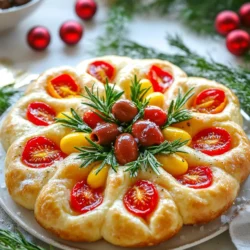
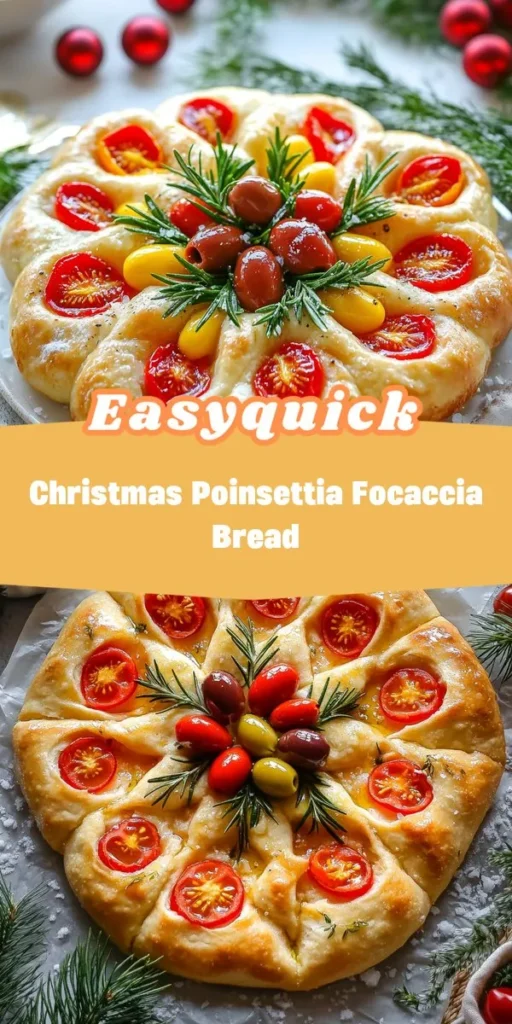
The Christmas Poinsettia Focaccia Bread is not just a feast for the taste buds; it is also a feast for the eyes. This recipe transforms traditional focaccia into a beautiful centerpiece inspired by the iconic poinsettia flower, making it a showstopper that will impress your guests. With its vibrant colors and artistic presentation, this bread is sure to become a cherished addition to your holiday traditions.
Baking at home offers a unique joy, especially when using fresh ingredients. The aroma of warm bread wafting through your kitchen is an experience that evokes nostalgia and comfort. With this recipe, you’ll not only learn how to make a delicious focaccia but also discover the satisfaction of creating something beautiful and meaningful for your loved ones.
Understanding Focaccia Bread
Focaccia bread boasts a rich history that dates back to ancient Roman times. The word “focaccia” is derived from the Latin term “focus,” meaning hearth or fireplace, where the bread was traditionally baked. Over the centuries, this flatbread evolved in various regions of Italy, becoming a staple in many households. Each region has its own twist, showcasing distinct flavors and ingredients, making focaccia a versatile bread that can be tailored to suit any occasion.
In Italian cuisine, focaccia is often served as an appetizer or side dish, enjoyed with olive oil, balsamic vinegar, or alongside a variety of cheeses and cured meats. It’s common to see focaccia featured in family gatherings, celebrations, and even religious festivals—celebrating life’s special moments. The charm of focaccia lies in its simplicity; it can be flavored with herbs, topped with vegetables, or even turned into a sweet treat.
Globally, focaccia has inspired countless variations. From the herbed focaccia of Liguria to the decadent versions topped with caramelized onions or roasted garlic, this bread has found its way into many kitchens around the world. The Christmas Poinsettia Focaccia Bread offers a unique opportunity to showcase the classic Italian recipe while incorporating seasonal ingredients and themes, making it a delightful addition to holiday celebrations.
Ingredients Breakdown
To create the Christmas Poinsettia Focaccia Bread, we will use a selection of high-quality, fresh ingredients that not only enhance the flavor but also contribute to the bread’s visual appeal. Here’s a breakdown of the key ingredients that will come together to create this festive masterpiece:
All-Purpose Flour
The foundation of our focaccia is all-purpose flour, which provides the necessary structure and texture for the bread. A good quality flour will yield a light and airy dough that rises beautifully.
Active Dry Yeast
Active dry yeast is crucial for achieving that perfect rise in your focaccia. This ingredient ferments the dough, creating carbon dioxide, which makes the bread light and fluffy. It’s important to activate the yeast properly to ensure it works effectively during the baking process.
Honey
A touch of honey adds a hint of sweetness to the dough and helps to feed the yeast, promoting fermentation. This natural sweetener not only enhances the flavor but also contributes to a golden crust when baked.
Olive Oil
Olive oil is essential for giving focaccia its characteristic flavor and moist texture. It enriches the dough, making it tender while also providing a delicious taste that complements the other ingredients. A high-quality extra virgin olive oil will give your focaccia an exceptional flavor.
Fresh Herbs
Fresh herbs, such as rosemary or thyme, will elevate the aroma and flavor of your focaccia. These herbs can be incorporated into the dough or used as a decorative topping, adding both visual appeal and a burst of freshness.
Cherry Tomatoes and Olives
To create the poinsettia design, vibrant cherry tomatoes and olives will be used. Cherry tomatoes add a splash of color and sweetness, while olives provide a briny contrast that enhances the overall flavor profile of the bread.
Coarse Sea Salt
Coarse sea salt is not just for seasoning; it also adds texture and enhances the flavors of the other ingredients. Sprinkling sea salt on top of the focaccia before baking results in a delightful crunch and a burst of flavor with every bite.
Step-by-Step Instructions
Now that you’re familiar with the key ingredients, let’s dive into the preparation process. Creating the Christmas Poinsettia Focaccia Bread involves several steps, each essential for achieving the perfect loaf. Follow these detailed instructions to guide you through the process.
Activating the Yeast
The first step in making focaccia is to activate the yeast. Start by measuring out your active dry yeast and combining it with warm water. The water should be warm to the touch, around 100°F (38°C), but not hot, as excessive heat can kill the yeast. Stir in a teaspoon of honey to feed the yeast and let the mixture sit for about 5-10 minutes. You’ll know it’s ready when it becomes frothy and bubbly, indicating that the yeast is alive and active.
Making the Dough
Once your yeast is activated, it’s time to make the dough. In a large mixing bowl, combine the all-purpose flour and a generous pinch of salt. Create a well in the center and pour in the activated yeast mixture along with the olive oil. Using a wooden spoon or your hands, mix the ingredients until they come together to form a shaggy dough.
Kneading the Dough
Kneading is a critical step in developing the gluten structure of the dough, which gives focaccia its characteristic texture. Transfer the dough to a lightly floured surface and knead it for about 8-10 minutes. The dough should become smooth and elastic, bouncing back when gently pressed with your finger. If the dough is too sticky, you can sprinkle a little more flour as needed, but be careful not to add too much, as it can affect the final texture of the focaccia.
After kneading, place the dough in a lightly oiled bowl, cover it with a damp cloth or plastic wrap, and let it rise in a warm, draft-free area. Allow the dough to double in size, which usually takes about 1-2 hours, depending on the temperature of your kitchen. This step is crucial, as it allows the flavors to develop and the texture to improve.
The preparation of the Christmas Poinsettia Focaccia Bread is an enjoyable and rewarding process that allows you to showcase your culinary skills while bringing festive cheer to your table. Stay tuned for the next part of this article, where we will explore the shaping, decorating, and baking of this beautiful bread.
First Rise: Creating an Ideal Environment for Rising
The first rise is crucial in developing the texture and flavor of your Christmas Poinsettia Focaccia Bread. To create an ideal environment for rising, place the dough in a warm, draft-free area. An oven is perfect for this; simply turn it on for a minute or two, then turn it off, leaving the light on. The gentle warmth will encourage the yeast to activate and the dough to rise effectively. Alternatively, you can cover the bowl with a damp kitchen towel and set it in a sunny spot in your kitchen. Aim for a temperature of around 75°F to 80°F (24°C to 27°C) for optimal yeast activity. Allow the dough to rise until it doubles in size, which usually takes about 1 to 1.5 hours.
Shaping the Focaccia: Techniques for Achieving the Right Thickness and Shape
Once your dough has risen, it’s time to shape it into a focaccia. Lightly flour your work surface and gently punch down the dough to release excess air. Transfer the dough onto the floured surface and, using your hands, press it out into a rectangle or oval shape, about 1 inch thick. If you prefer a thicker focaccia, leave it slightly thicker; if you want it thinner and crispier, press it out more. Make sure to handle the dough gently to keep those beautiful air pockets intact. After shaping, transfer the dough to a greased baking pan, ensuring it fits snugly within the edges.
Creating the Poinsettia Design: Tips for Arranging Toppings Artistically
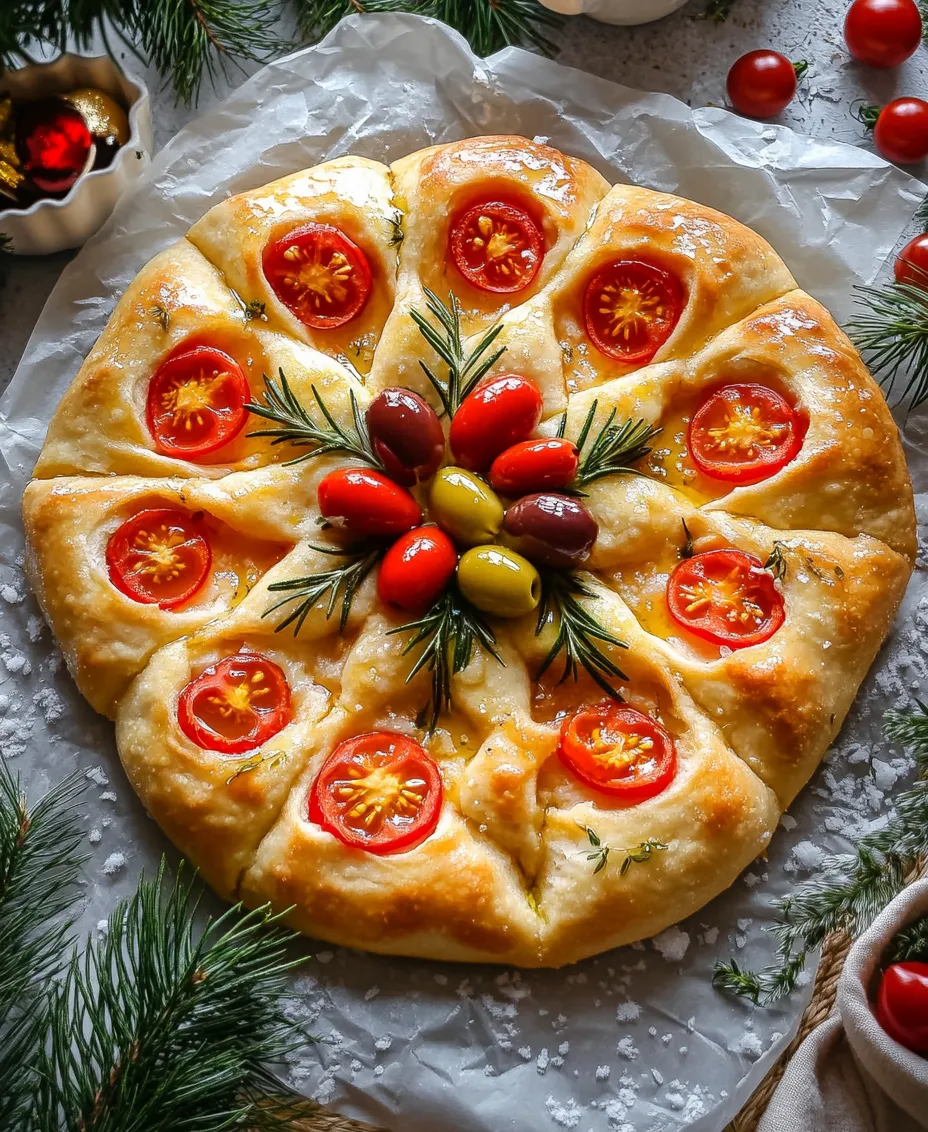
The beauty of the Christmas Poinsettia Focaccia lies not only in its flavor but also in its presentation. To create the poinsettia design, start by choosing toppings that mimic the petals of a poinsettia. Cherry tomatoes, sliced bell peppers, and olives work wonderfully. Arrange the toppings in a circular pattern, starting from the center and working your way outward to create a flower shape. Use contrasting colors to make the design pop. For added depth, you can also place some toppings overlapping one another. This artistic touch not only enhances the visual appeal but also invites your guests to admire your culinary creativity.
Decorating with Herbs: Suggestions for Herb Combinations and Placement
Herbs add flavor and a festive touch to your focaccia. Classic choices like rosemary and thyme are always a hit, but you can also experiment with sage, oregano, or even parsley. For the best effect, chop the herbs coarsely and sprinkle them over the dough before baking. You can also tuck whole sprigs into the dough around the poinsettia design for a more rustic look. The fragrant aroma of fresh herbs will elevate the overall experience, making your focaccia not just a treat for the eyes but also for the palate.
Second Rise: Importance of the Final Rise for Texture
After decorating your focaccia, allow it to undergo a second rise. This step is essential for achieving a light and airy texture. Cover the pan with a clean kitchen towel and let it rise for about 30 to 45 minutes. During this time, the dough will puff up, creating those delightful air pockets that make focaccia fluffy. Make sure it’s still in a warm environment, similar to the first rise, to ensure the yeast continues to work its magic.
Preheating the Oven: Optimal Temperatures for Baking Bread
While the dough is rising, preheat your oven to 425°F (220°C). This temperature is optimal for baking focaccia, allowing it to develop a crispy crust while remaining soft and chewy inside. If you have a baking stone, place it in the oven as it preheats; this will help distribute heat evenly and enhance the crispiness of the bread.
Finalizing the Dough: Techniques for Adding Finishing Touches
Before placing your focaccia in the oven, give it a final touch-up. Use your fingers to create dimples all over the surface of the dough; this not only adds texture but also helps in holding any olive oil or toppings you may want to drizzle on top. If desired, brush the surface with a mixture of olive oil and a sprinkle of sea salt to impart extra flavor and a beautiful shine.
Baking: Signs of Doneness and Tips for Achieving a Golden Crust
Bake the focaccia in your preheated oven for about 20 to 25 minutes, or until it turns a deep golden brown. You can tell it’s done when the edges are crisp and the center springs back when lightly pressed. Additionally, if you tap the bottom of the focaccia, it should sound hollow. If you prefer a more developed crust, you can leave it in for an extra couple of minutes, but be careful not to overbake as you want to maintain that soft interior.
Cooling and Serving: Best Practices for Slicing and Serving Focaccia
Once baked, remove the focaccia from the oven and let it cool in the pan for about 10 minutes. Then, transfer it to a wire rack to cool completely. This prevents the bottom from becoming soggy. When ready to serve, use a sharp serrated knife to slice it into squares or wedges. Focaccia is best enjoyed warm, but it can also be served at room temperature, making it a versatile addition to your holiday spread.
The Art of Decoration
The visual appeal of your Christmas Poinsettia Focaccia is an essential aspect of holiday cooking. A beautifully decorated dish not only enhances your table setting but also excites the appetite of your guests. Consider customizing your focaccia with various toppings such as roasted garlic, caramelized onions, or even grated cheese. The key is to balance colors and textures, ensuring that each slice is a feast for the eyes as well as the taste buds.
For herb combinations, think about flavors that complement each other. Rosemary pairs well with both savory and sweet toppings, while thyme adds an earthy note that pairs beautifully with tomatoes. Experiment with different arrangements and flavors to create a focaccia that reflects your personal style.
Serving Suggestions
The Christmas Poinsettia Focaccia Bread is a fantastic centerpiece for holiday gatherings. It’s perfect for festive occasions, family dinners, or parties where you want to impress your guests. Serve it alongside a selection of dips, like a rich balsamic reduction, olive tapenade, or a creamy garlic spread. These accompaniments elevate the experience and provide a contrast to the bread’s texture.
Furthermore, consider using your focaccia as a base for sandwiches or as a side to soups and salads. Its versatility makes it a delightful addition to any meal. Whether it’s a holiday feast or a casual gathering, this focaccia will surely be a conversation starter.
Nutritional Aspects
While Christmas Poinsettia Focaccia Bread is undoubtedly a treat, it’s also important to consider its nutritional aspects. The ingredients used, such as high-quality olive oil, fresh herbs, and whole wheat flour (if opted), can provide health benefits. Olive oil is rich in healthy fats, while herbs add antioxidants and nutrients.
When baking during the holidays, finding the balance between indulgence and health can be challenging. However, by using wholesome ingredients and practicing moderation, you can enjoy the festive flavors without compromising your health.
Conclusion
Making Christmas Poinsettia Focaccia Bread is not just about preparing a meal; it’s about creating joy and connection during the holiday season. The process of baking, from kneading the dough to shaping it into a beautiful floral design, provides a wonderful opportunity to engage with family and friends. The satisfaction of pulling a golden, aromatic focaccia from the oven is an experience like no other.
As you embrace the art of baking this festive season, remember that homemade meals are a powerful way to share love and create lasting memories. So gather your loved ones, roll up your sleeves, and dive into the delightful world of holiday baking with this stunning Poinsettia Focaccia. Celebrate the season, and let the joy of cooking bring you together.