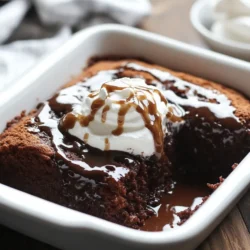
Introduction to Old-Fashioned Pudding Cake
When it comes to desserts that evoke warmth and nostalgia, few can rival the charm of an old-fashioned pudding cake. This delightful treat, with its unique combination of cake and pudding, has been a cherished staple in American households for generations. Imagine a dessert that offers the comforting texture of cake, paired with a luscious, creamy pudding layer that spills forth with each spoonful. Old-fashioned pudding cake is not just a dessert; it’s a comforting embrace on a cold evening, a sweet memory from childhood, and a dish that brings families together around the dinner table.
The history of pudding cakes is as rich and layered as the dessert itself. This classic recipe finds its roots in the early 19th century, when American cooks began experimenting with the art of baking. Pudding cakes emerged out of a desire to create something simple yet indulgent, utilizing common pantry ingredients to whip up a treat that could satisfy sweet cravings without requiring elaborate preparations. Over the decades, pudding cakes have evolved, but their essence remains the same: they are easy to prepare, require minimal ingredients, and yield a dessert that feels both special and homey.
What makes old-fashioned pudding cake especially appealing is its versatility. It can be served warm or cold, with a dusting of powdered sugar or a dollop of whipped cream. It’s the kind of dessert that fits perfectly into family gatherings, holiday feasts, and cozy nights spent curled up with a good book. The pudding cake invites everyone to linger a little longer at the table, savoring each bite and sharing stories, laughter, and memories. As you prepare to dive into this recipe, you will discover not only the joy of baking but also the simple pleasure of creating something that will surely warm hearts and fill bellies.
Understanding the Ingredients
Before we embark on the journey of crafting this delightful old-fashioned pudding cake, it’s essential to understand the role that each ingredient plays in forging its unique flavors and textures. Each component comes together to create a dessert that is not only delicious but also has an inviting aroma that fills the home during baking.
Granulated Sugar
Granulated sugar is the cornerstone of sweetness in this pudding cake. It not only sweetens the cake but also contributes to its texture. Sugar helps to aerate the batter during the mixing process, which is crucial for achieving a light and fluffy cake. The balance of sweetness is vital, as it complements the rich cocoa powder and the depth of flavor provided by the brown sugar.
Unsweetened Cocoa Powder
Cocoa powder is what gives this pudding cake its signature chocolaty flavor. Using unsweetened cocoa powder ensures that you’re in control of the sweetness, allowing the chocolate flavor to shine through without being overpowered. The cocoa also adds depth and richness to the cake, creating a wonderfully balanced dessert that feels indulgent yet comforting.
Unsalted Butter
When it comes to baking, the choice of butter can significantly impact the outcome. Unsalted butter is recommended for this recipe as it allows you to control the salt content more precisely. Butter adds richness and moisture to the cake, contributing to its tender crumb and enhancing the overall flavor profile. It’s important to ensure that the butter is at room temperature, as this allows it to cream smoothly with the sugar, creating a light and airy batter.
Vanilla Extract
A splash of vanilla extract brings aromatic notes to the pudding cake, enhancing its overall taste and elevating the other flavors. Vanilla is a classic addition to many desserts and serves to round out the sweetness of the sugar and the depth of the cocoa. Opt for pure vanilla extract for the best flavor; imitation vanilla simply cannot replicate the complexity of the real thing.
Milk
Milk is crucial for providing moisture to the pudding cake, ensuring that it has a soft, tender texture. The milk interacts with the dry ingredients to create a smooth batter, and it also plays a role in the pudding layer that forms during baking. Whole milk is ideal for a richer flavor, but you can substitute with lower-fat options if desired.
All-Purpose Flour
All-purpose flour is the backbone of this pudding cake, providing structure and stability. It binds the ingredients together while also allowing for the cake to rise. The right amount of flour is essential for achieving the perfect balance between cake and pudding; too much flour can lead to a dry dessert, while too little can result in a dense, soggy texture.
Baking Powder
Baking powder is a leavening agent that helps the cake rise, creating a light and fluffy texture. It produces carbon dioxide gas when it reacts with moisture and heat, causing the batter to expand. Ensuring that your baking powder is fresh is crucial, as expired leavening agents can lead to disappointing results.
Salt
A pinch of salt is added to the batter to balance the sweetness and enhance the overall flavor of the pudding cake. Salt is a flavor enhancer that brings out the best in all the other ingredients, making the dessert more vibrant and enjoyable.
Brown Sugar
Brown sugar adds a unique flavor profile to the pudding cake. Its molasses content gives a hint of caramel flavor, which complements the chocolate notes beautifully. Using a combination of granulated sugar and brown sugar creates a more complex sweetness, enhancing the overall taste experience.
Boiling Water
Perhaps the most intriguing ingredient in this recipe is boiling water. This key component serves a dual purpose: it helps to create the pudding layer beneath the cake as it bakes and contributes to the overall moisture of the dessert. The hot water interacts with the cocoa and sugar, melting them and allowing them to infuse the cake with rich, chocolatey goodness.
Optional Whipped Cream
While the pudding cake is delightful on its own, a dollop of whipped cream can elevate the experience even further. The lightness and creaminess of whipped cream contrast beautifully with the dense pudding cake, providing a refreshing balance. Whether you choose to make your own or use store-bought whipped cream, it’s an optional but highly recommended addition that enhances each serving.
Step-by-Step Instructions for Crafting the Perfect Pudding Cake
Now that we have a thorough understanding of the ingredients that make up this classic pudding cake, it’s time to roll up our sleeves and dive into the baking process. Before you begin, it’s essential to prep your kitchen to ensure a smooth baking experience.
Prepping Your Kitchen
Begin by preheating your oven to 350°F (175°C). This step is crucial, as a properly heated oven ensures that your pudding cake will rise correctly and develop a beautiful golden-brown crust. While the oven is warming up, prepare your baking dish. Grease a 9-inch square baking dish with butter or cooking spray to prevent the cake from sticking during baking.
Once your oven is preheated and your baking dish is ready, gather all your ingredients and tools. You will need mixing bowls, measuring cups, measuring spoons, a whisk, and a spatula. Having everything at your fingertips will streamline the process and make baking more enjoyable.
Mixing Wet Ingredients
Start by creaming together the unsalted butter and granulated sugar in a large mixing bowl. Use an electric mixer or a whisk to beat them together until the mixture is light and fluffy. This step is essential for incorporating air into the batter, which will help the cake rise.
Next, add in the unsweetened cocoa powder and vanilla extract, mixing until combined. Follow this by incorporating the eggs one at a time, ensuring each egg is fully incorporated before adding the next. The eggs will add richness and further contribute to the cake’s structure.
In a separate bowl, combine the milk and boiling water. It’s important to add the boiling water gradually; this will help temper the mixture and prevent any curdling. Slowly pour the warm milk and water mixture into the butter-sugar-egg mixture while stirring continuously. This will create a smooth batter that sets the stage for the pudding cake’s delightful texture.
After the wet ingredients are combined, it’s time to shift our focus to the dry ingredients. In another bowl, whisk together the all-purpose flour, baking powder, salt, and brown sugar. Gradually add the dry mixture to the wet ingredients, folding gently until just combined. Be careful not to over-mix; a few lumps are perfectly fine. The batter should be smooth but still have a bit of texture.
With the batter ready, pour it into the prepared baking dish. The final step before baking is to carefully pour the boiling water over the top of the batter. This step may seem unusual, but it’s what creates that luscious pudding layer beneath the cake as it bakes.
With everything in place, your old-fashioned pudding cake is ready to go into the oven. Bake for approximately 30-35 minutes, or until the top is set and a toothpick inserted into the center comes out clean.
As the pudding cake bakes, the kitchen will fill with the mouthwatering aroma of chocolate, inviting everyone to gather around in anticipation of the delicious dessert to come.
—
Stay tuned for the next part of this article, where we will delve into additional tips for achieving the best results with your pudding cake, as well as answering some common questions about this beloved dessert.
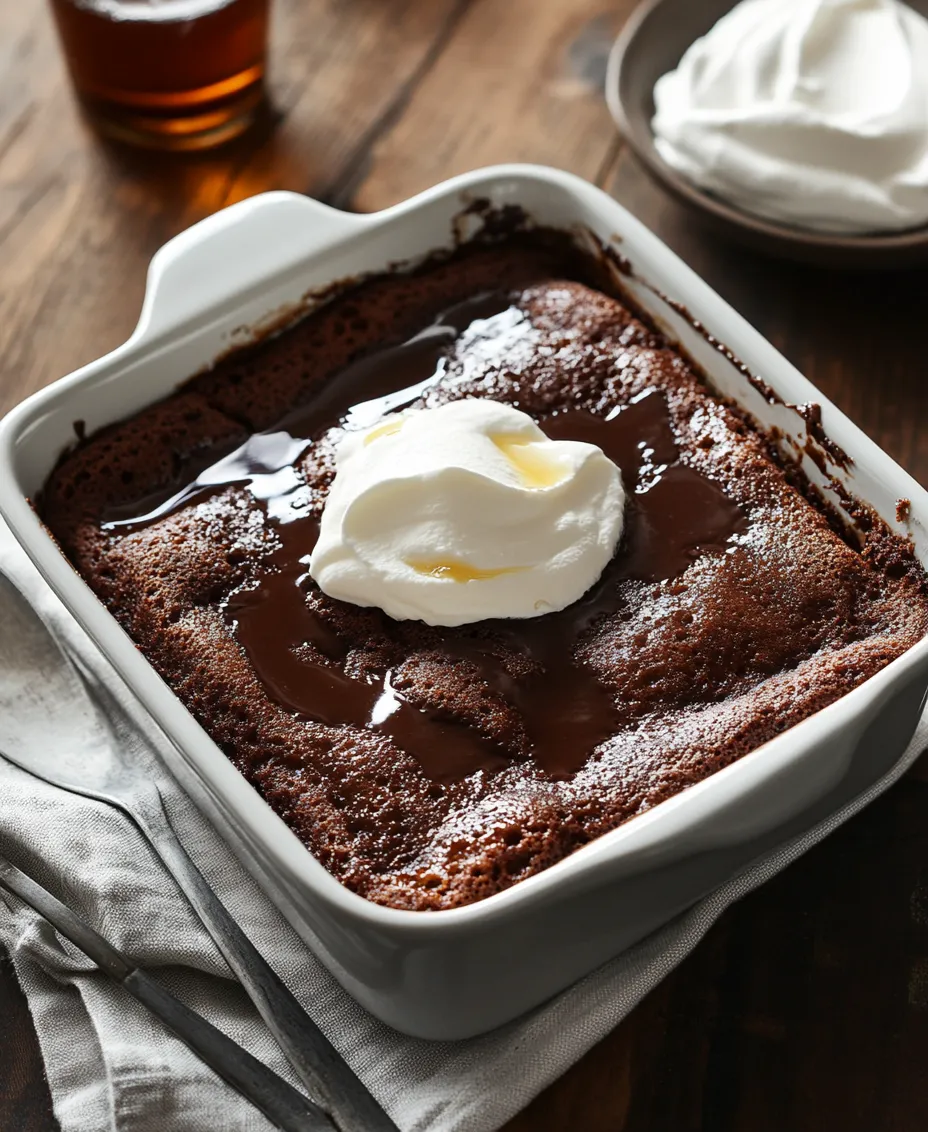
Classic Comfort: Old-Fashioned Pudding Cake
Incorporating Dry Ingredients
When it comes to creating the perfect old-fashioned pudding cake, the technique for incorporating dry ingredients is crucial. To achieve that light, fluffy texture, you want to fold in the flour gently. Here are some best practices to ensure you do it right:
1. Sift Before Mixing: Always sift your dry ingredients, especially flour, baking powder, and any cocoa powder if you’re using it. Sifting aerates the flour, breaking up any clumps, and ensures an even distribution of the leavening agents.
2. Use the Right Folding Technique: Instead of stirring vigorously, which can develop the gluten in the flour, use a gentle folding motion. Hold your spatula vertically and cut down through the batter, then lift and fold it over onto itself. Turn the bowl slightly and repeat this process until the dry ingredients are just combined. A few streaks of flour are okay; overmixing can lead to a dense cake.
3. Add Dry Ingredients Gradually: If your recipe calls for multiple dry ingredients, consider adding them in stages rather than all at once. This will help incorporate them more evenly and reduce the risk of clumping.
Layering the Batter and Pudding
To create the distinct layers of cake and pudding, the pouring technique is vital. Here’s how to achieve that beautiful separation:
1. Prepare the Baking Dish: Ensure your baking dish is well-greased to prevent sticking. You can use butter or cooking spray, and consider dusting it lightly with flour for extra insurance.
2. Pouring the Batter: Start by pouring the prepared batter into the center of the pan. Use a spatula to gently spread it towards the edges if needed. Avoid pouring directly against the sides of the pan to maintain distinct layers.
3. Adding the Pudding Mixture: For the pudding layer, carefully pour it over the cake batter. Aim for the center again, allowing it to flow outward naturally. This helps maintain the separation between the cake and pudding layers.
4. Do Not Swirl: Resist the temptation to swirl or mix the batter and pudding together. This will create a marbled effect instead of maintaining the layers.
Baking Process
Understanding the baking process is essential for achieving that perfect pudding cake. Follow these steps to ensure your cake is baked to perfection:
1. Timing: Bake your pudding cake in a preheated oven, usually around 350°F (175°C). The baking time can vary but typically ranges from 30 to 40 minutes. Start checking for doneness at the 30-minute mark.
2. Visual Cues: Look for a few key signs to determine if your cake is done. The top should be golden brown, and a toothpick inserted into the center should come out clean or with a few moist crumbs attached.
3. Avoid Overbaking: Overbaking will dry out the pudding cake, so if you notice the edges pulling away from the sides of the pan or the top becoming overly brown, it’s time to take it out.
Cooling and Serving
Once your pudding cake is baked, cooling it properly is crucial for achieving the optimal texture and flavor. Here are some tips for cooling and serving:
1. Let it Rest: Allow the cake to cool in the pan for about 10-15 minutes before transferring it to a wire rack. This rest period helps the pudding layer set, making it easier to slice without falling apart.
2. Serving Warm or Cold: Pudding cake can be enjoyed warm, straight from the oven, or chilled in the refrigerator. If serving warm, consider offering a scoop of vanilla ice cream or a dollop of whipped cream to enhance the comforting experience.
3. Presentation: For serving, slice the cake carefully to maintain the distinct layers. Serve each slice with a drizzle of chocolate sauce or a sprinkle of powdered sugar for an elegant touch.
Exploring Flavor Variations and Customizations
While the classic pudding cake is delicious on its own, exploring flavor variations and customizations can elevate this dessert even further.
Chocolate Variations
If you’re a chocolate lover, consider incorporating different types of cocoa or chocolate into your pudding cake:
– Dark Chocolate: Substitute some of the flour with unsweetened dark cocoa powder for a rich, chocolaty flavor.
– Chocolate Chips: Fold in semi-sweet or bittersweet chocolate chips into the batter for pockets of melted chocolate throughout the cake.
Adding Spices
Spices can add warmth and depth to your pudding cake:
– Cinnamon: A teaspoon of ground cinnamon can add a lovely warmth that pairs beautifully with the vanilla notes.
– Nutmeg: Just a pinch of freshly grated nutmeg can enhance the overall flavor profile, making it feel even more comforting.
Fruit Additions
Incorporating fruits can add freshness and a burst of flavor:
– Berries: Consider folding in fresh blueberries, raspberries, or sliced strawberries for a seasonal twist.
– Bananas: Mashed bananas can add moisture and natural sweetness to the batter, complementing the pudding layer perfectly.
Dietary Adjustments
For those with dietary restrictions, adjustments can be made to accommodate various needs:
– Gluten-Free: Use a gluten-free flour blend in place of all-purpose flour to make a delicious gluten-free pudding cake. Be sure to check that all other ingredients are also gluten-free.
– Dairy-Free: Substitute milk with almond milk or coconut milk, and use a dairy-free butter alternative to maintain the creamy texture while keeping it dairy-free.
Serving Suggestions and Presentation Ideas
To elevate your pudding cake experience, consider these serving suggestions and presentation ideas:
Plating Your Pudding Cake
Presentation can make a simple dessert feel extraordinary:
– Whipped Cream: Top each slice of pudding cake with a generous dollop of freshly whipped cream. You can also sprinkle some cocoa powder or cinnamon on top for added flair.
– Garnishes: Fresh mint leaves or a few berries on top can brighten the plate and make it visually appealing.
Pairing Beverages
Choosing the right beverage can enhance the overall dessert experience:
– Coffee: A rich cup of coffee pairs beautifully with the sweetness of pudding cake, making it an excellent choice for after dinner.
– Dessert Wine: Consider serving a sweet dessert wine, such as port or a late harvest Riesling, to complement the flavors of the cake.
Making it a Festive Occasion
Pudding cake is perfect for special occasions:
– Holidays: Serve it during holidays like Thanksgiving or Christmas, perhaps with seasonal spices or fruit.
– Celebrations: For birthdays or special gatherings, consider layering the pudding cake in individual mason jars for a fun, portable dessert option.
Cultural Significance of Pudding Cake
Pudding cakes hold a special place in various cultures and traditions, often evoking memories of home and family gatherings.
Comfort Food in Different Cultures
In many cultures, pudding cakes or similar desserts are celebrated for their comforting qualities:
– British Influence: The concept of a pudding cake has roots in British cuisine, where desserts like sticky toffee pudding are cherished for their rich flavors and comforting textures.
– American Traditions: In the United States, pudding cakes have become a staple for family gatherings, serving as a nostalgic reminder of simpler times spent with loved ones.
Personal Stories
Many families have their own stories and memories associated with pudding cake:
– Family Recipe: For some, this recipe has been passed down through generations, often associated with family celebrations or gatherings. Sharing these personal anecdotes can add depth to the cooking experience, connecting us to our roots.
Conclusion: The Timeless Appeal of Old-Fashioned Pudding Cake
The old-fashioned pudding cake is more than just a dessert; it is a nostalgic reminder of comfort and warmth in culinary history. Its simplicity and versatility make it a beloved choice in kitchens around the world. Whether enjoyed warm or cold, this dessert continues to find its place in modern cooking, allowing us to create new memories while cherishing the old.
As you embark on making your own pudding cake, remember the joy it brings—not just in its delightful flavors but in the connections it fosters with family and friends. So, gather your loved ones, whip up this comforting classic, and savor the timeless appeal of old-fashioned pudding cake.