Indulging in the vibrant flavors of Mediterranean cuisine can transport you to sun-soaked shores and bustling markets, and one dish that embodies this culinary experience is Greek Spaghetti. This simple yet flavorful recipe combines the heartiness of pasta with the fresh, bold ingredients characteristic of Greek cooking. Greek Spaghetti is not just a meal; it’s a celebration of the Mediterranean lifestyle, emphasizing fresh produce, wholesome grains, and vibrant flavors that nourish both body and spirit. In this article, we will explore the origins of Greek spaghetti, its health benefits, and provide a step-by-step guide to preparing this delightful dish. Whether you are a seasoned cook or a beginner, this recipe is designed to be approachable and satisfying.
The Culinary Inspiration Behind Greek Spaghetti
Exploring the Roots of Greek Cuisine
Greek cuisine is renowned for its emphasis on fresh, high-quality ingredients, many of which are staples of the Mediterranean diet. The foundation of Greek cooking lies in its use of fruits, vegetables, grains, fish, and lean meats, all of which come together to create meals that are not only delicious but also nutritious. Traditional Greek ingredients such as olives, tomatoes, herbs, and feta cheese are integral to the country’s culinary identity, each contributing unique flavors and health benefits.
The fusion of pasta with Greek flavors represents a delightful culinary evolution. While pasta as we know it originated in Italy, its integration into Greek cuisine showcases the adaptability of traditional cooking methods. Greek Spaghetti marries the Italian love for pasta with the Greek penchant for fresh, vibrant ingredients, resulting in a dish that is both comforting and exciting. The use of ingredients like olive oil, garlic, and fresh herbs creates a symphony of flavors that resonates with the heart of Mediterranean cooking.
The Role of Spaghetti in the Mediterranean Diet
Incorporating pasta into your diet can offer numerous health benefits, especially when prepared with wholesome, Mediterranean-inspired ingredients. Pasta is a source of complex carbohydrates, which provide energy and are essential for a balanced diet. When paired with vegetables and healthy fats, such as those found in olive oil, spaghetti can contribute to a well-rounded meal that satisfies hunger without compromising health.
Furthermore, the Mediterranean diet, which emphasizes plant-based foods, healthy fats, and lean proteins, has been linked to a range of health benefits, including improved heart health and weight management. The focus on fresh ingredients not only enhances the flavors of the dish but also ensures that you are nourishing your body with vitamins, minerals, and antioxidants. Enjoying a plate of Greek Spaghetti is a delicious way to partake in this healthy lifestyle while savoring the bold flavors of Greece.
Ingredients Breakdown
Essential Ingredients for Greek Spaghetti
To make a delicious Greek Spaghetti, you will need a selection of fresh and high-quality ingredients. Here’s a breakdown of each key component and its contribution to the dish:
– Spaghetti: The foundation of the dish, spaghetti provides a satisfying base. Opt for high-quality durum wheat pasta for the best texture and flavor.
– Olive Oil: A staple in Greek cooking, olive oil adds richness and depth to the dish. It’s essential to use extra virgin olive oil for its health benefits and robust flavor.
– Garlic: Fresh garlic offers a pungent aroma and flavor that elevates the dish. It’s best to use fresh cloves rather than pre-minced garlic.
– Tomatoes: Fresh, ripe tomatoes are crucial for creating a flavorful sauce. They provide natural sweetness and acidity, balancing the richness of the olive oil.
– Feta Cheese: Crumbled feta adds a salty, creamy element to the dish. This tangy cheese is quintessential in Greek cuisine and enhances the overall flavor profile.
– Fresh Herbs: Herbs like parsley and oregano bring brightness and freshness to the dish. They are essential for achieving the characteristic flavors of Greek cooking.
– Black Olives: Kalamata olives add a briny complexity that complements the sweetness of the tomatoes. They also contribute to the Mediterranean essence of the dish.
– Red Pepper Flakes: For those who enjoy a little spice, red pepper flakes can be added to introduce a gentle heat.
Importance of Quality Olive Oil and Feta Cheese
When making Greek Spaghetti, the quality of your ingredients can significantly impact the final result. Extra virgin olive oil is not only a healthy fat but also enhances the dish’s flavor. Its rich, fruity notes can elevate simple ingredients into something extraordinary. Similarly, using authentic Greek feta cheese, preferably made from sheep’s or goat’s milk, will ensure that you capture the true essence of Greek cuisine. The creaminess and tanginess of high-quality feta can transform your spaghetti into a gourmet experience.
Substitutions and Variations
While the classic recipe is delightful on its own, it’s also versatile enough to accommodate various dietary restrictions and personal preferences. Here are some substitutions and creative twists you can consider:
– Gluten-Free Option: Substitute traditional spaghetti with gluten-free pasta made from brown rice or chickpeas.
– Vegan Alternative: Leave out the feta cheese or replace it with a vegan feta substitute made from nuts or tofu.
– Protein Additions: For added protein, consider incorporating grilled chicken, shrimp, or chickpeas. These can be sautéed along with the garlic and tomatoes for a heartier meal.
– Vegetable Boost: Feel free to add seasonal vegetables such as zucchini, bell peppers, or spinach. These not only enhance the nutritional value but also add vibrant colors to your dish.
Step-by-Step Guide to Preparing Greek Spaghetti
Preparing the Spaghetti
To achieve perfectly cooked spaghetti, follow these tips for timing and salting the water:
1. Boil the Water: Fill a large pot with water and bring it to a rolling boil. The general rule of thumb is to use about 4-6 quarts of water for every pound of pasta.
2. Salt the Water: Once the water is boiling, add a generous amount of salt. This is crucial as it enhances the flavor of the pasta. Aim for about 1-2 tablespoons of salt for a standard pot of water.
3. Add the Spaghetti: Gently add the spaghetti to the boiling water. Stir it immediately to prevent it from sticking together.
4. Cook to Al Dente: Follow the package instructions for cooking time, usually around 8-12 minutes. Stir occasionally, and taste a strand a minute or two before the suggested time to check for doneness. You want the spaghetti to be cooked al dente, meaning it should be firm to the bite but not hard.
5. Reserve Pasta Water: Before draining the spaghetti, reserve about a cup of the starchy cooking water. This can be invaluable for adjusting the sauce’s consistency and enhancing flavor.
6. Drain and Rinse: Drain the spaghetti in a colander. It’s generally not recommended to rinse pasta unless you are using it in a cold dish, as rinsing washes away the starch that helps the sauce cling.
Creating the Flavor Base
The next step is to create a rich and aromatic flavor base for your Greek Spaghetti. This involves sautéing garlic and tomatoes to build a robust sauce:
1. Heat the Olive Oil: In a large skillet, heat a generous amount of extra virgin olive oil over medium heat. You want enough oil to coat the pasta and create a luscious sauce.
2. Sauté the Garlic: Once the oil is shimmering, add minced garlic to the skillet. Sauté for about 30 seconds to a minute, until the garlic is fragrant but not browned, as burnt garlic can become bitter.
3. Add the Tomatoes: Next, add chopped fresh tomatoes to the skillet. Stir well to combine with the garlic and olive oil. The tomatoes will begin to soften and release their juices, creating a natural sauce.
4. Simmer and Season: Allow the tomato mixture to simmer for about 5-10 minutes, stirring occasionally. Season with salt, pepper, and red pepper flakes to taste. The goal is to develop a rich, flavorful sauce that complements the pasta beautifully.
5. Combine with Spaghetti: Once the sauce is ready, add the drained spaghetti directly to the skillet. Toss to coat the pasta in the sauce, adding reserved pasta water a little at a time until you reach your desired consistency.
6. Finish with Feta and Herbs: Finally, remove the skillet from heat and stir in crumbled feta cheese and freshly chopped herbs. This will add a creamy texture and fresh brightness to the dish.
By following these steps, you will create a delicious Greek Spaghetti that embodies the essence of Mediterranean cuisine. The combination of flavors and textures makes this dish not only satisfying but also a delightful experience for the palate. In the next section, we will explore additional tips for achieving the best results and address common questions related to this recipe.
The Significance of Using Kalamata Olives and Fresh Herbs
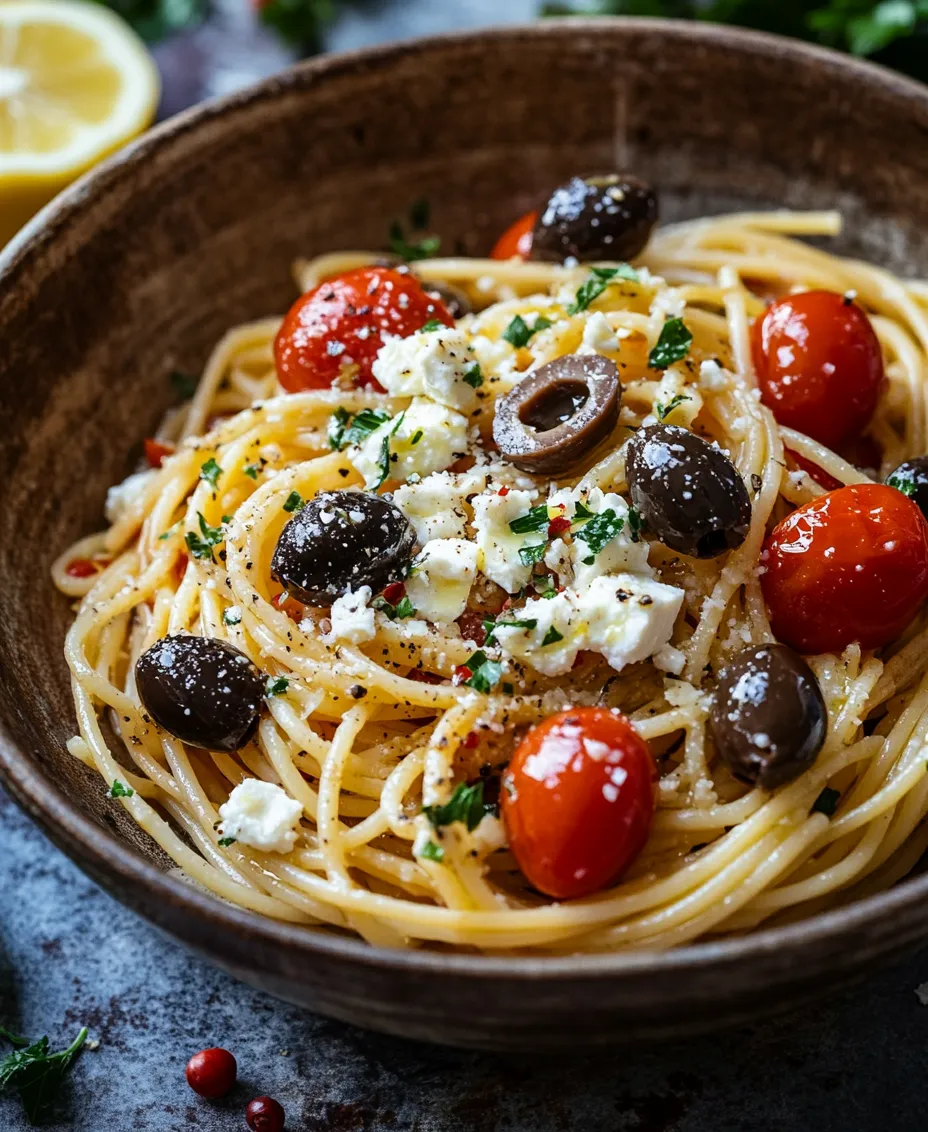
Kalamata olives are a cornerstone of Greek cuisine, renowned for their deep, rich flavor and unique texture. Adding these olives to your Greek spaghetti not only enhances the dish’s overall taste but also introduces a delightful brininess that balances the sweetness of tomatoes and the zest of lemon. Their boldness complements the other flavors, creating a harmonious blend that is characteristic of Mediterranean cooking.
Fresh herbs, particularly oregano and parsley, are essential in bringing an authentic Greek flair to your spaghetti. Oregano, known for its aromatic and slightly peppery profile, brightens the dish and enhances the flavors of the other ingredients. Parsley, on the other hand, adds a fresh, vibrant note that serves to elevate the overall taste experience. Using fresh herbs instead of dried ones can make a significant difference in the dish’s flavor and aroma, making your Greek spaghetti not only tasty but also fragrant.
Combining Ingredients for Maximum Flavor
Once you have prepared your ingredients, it’s time to combine them in a way that maximizes flavor. Start by cooking your spaghetti according to the package instructions until al dente. In a separate skillet, you’ll want to sauté garlic in olive oil until fragrant, then add your diced tomatoes and Kalamata olives, allowing them to simmer together. This step is crucial as it allows the flavors of the garlic and olives to infuse into the tomatoes, creating a rich sauce that will coat your pasta beautifully.
After the tomatoes have broken down slightly, season the mixture with salt, pepper, and a generous pinch of dried oregano. Stir in a splash of lemon juice, which will brighten the dish and enhance the overall flavor profile. The acidity from the lemon balances the richness of the olive oil and the sweetness of the tomatoes, making each bite refreshing.
Techniques for Tossing Pasta with the Sauce
Once your spaghetti is cooked and drained, it’s essential to toss it with the sauce properly for an even distribution of flavors. The best technique involves adding the spaghetti directly to the skillet with your tomato and olive mixture. Using tongs, gently lift and fold the spaghetti into the sauce, ensuring that each strand is coated. If the sauce seems too thick, feel free to add a splash of the reserved pasta cooking water to loosen it up. This water contains starch that helps the sauce adhere better to the pasta.
Another effective method is to combine everything in a large mixing bowl. Transfer the pasta and sauce into the bowl, and use a gentle tossing motion to mix them thoroughly. This method allows you to see how well the sauce coats the spaghetti and gives you the opportunity to add more seasonings or herbs if needed.
The Role of Lemon Juice in Enhancing the Dish’s Freshness
Lemon juice is not just a flavor enhancer; it plays a crucial role in balancing the overall profile of Greek spaghetti. The natural acidity of lemon brightens the dish, cutting through the richness of the olive oil and feta cheese while complementing the sweetness of the tomatoes. A squeeze of fresh lemon juice right before serving can elevate the dish to the next level, making it feel vibrant and refreshing.
For an added touch, consider zesting the lemon before juicing it and sprinkling the zest over the finished dish. This will impart an additional layer of citrusy aroma and brightness that will tantalize your taste buds.
Finishing Touches: Serving and Presentation
The presentation of your Greek spaghetti is just as important as the flavors within it. To plate your dish beautifully, start with a generous serving of spaghetti in the center of a wide, shallow bowl. Use a fork or tongs to create a slight twirl, giving it an inviting, elegant look.
Tips for Plating Greek Spaghetti Beautifully
– Use a Large Plate: A large plate allows you to showcase the spaghetti without overcrowding, which enhances the visual appeal.
– Layering: If you have additional ingredients, like sautéed vegetables or grilled chicken, consider layering them on top of the pasta to create height and interest.
– Drizzle Olive Oil: A light drizzle of high-quality extra-virgin olive oil over the top just before serving adds a glossy finish that beckons to be enjoyed.
Garnishing with Feta and Parsley: A Visual Feast
To finish off your Greek spaghetti, garnish it liberally with crumbled feta cheese and freshly chopped parsley. The white feta provides a stunning contrast against the vibrant red of the sauce and the green of the herbs, creating an eye-catching plate. Feta not only adds a creamy texture but also a salty, tangy flavor that complements the other ingredients beautifully.
Consider adding a few whole Kalamata olives on top for garnish, which can also serve as a way for diners to enjoy an extra burst of flavor as they eat. Finally, you might want to serve lemon wedges on the side, allowing guests to add an extra squeeze of lemon for a refreshing kick.
Nutritional Benefits of Greek Spaghetti
Understanding the nutritional benefits of Greek spaghetti can enhance your appreciation of this dish. Each ingredient contributes positively to your health, making it a wholesome, balanced meal.
Nutritional Breakdown of the Main Ingredients
– Spaghetti: A source of carbohydrates, essential for energy, especially if you’re active. Opt for whole grain or gluten-free versions for added fiber.
– Kalamata Olives: Packed with healthy fats, particularly monounsaturated fats, which are beneficial for heart health. They also provide antioxidants that help protect your body from free radicals.
– Tomatoes: Rich in vitamins C and K, potassium, and folate. They are also high in lycopene, an antioxidant linked to many health benefits, including reduced risk of heart disease and cancer.
– Feta Cheese: A good source of protein and calcium, which are vital for bone health. Feta also contains beneficial probiotics that support gut health.
– Olive Oil: Celebrated for its heart-healthy fats, olive oil is a staple in Mediterranean diets and has been shown to reduce inflammation and lower the risk of chronic diseases.
Benefits of Olive Oil, Tomatoes, and Feta Cheese
Combining olive oil, tomatoes, and feta cheese in one dish provides a well-rounded meal that covers essential nutrients. Olive oil is known for its anti-inflammatory properties, while tomatoes contribute to skin health and may lower blood pressure. Feta cheese adds a unique flavor profile while boosting your dietary calcium intake.
Balancing Your Meal
Greek spaghetti can be a complete meal on its own, but pairing it with the right sides can elevate your dining experience.
Suggestions for Pairing Greek Spaghetti with Sides or Salads
– Greek Salad: A classic pairing, a fresh Greek salad with cucumbers, tomatoes, olives, and feta complements the pasta beautifully.
– Roasted Vegetables: Serve alongside a platter of seasonal roasted vegetables for added nutrients and fiber.
– Tzatziki: A refreshing yogurt-based dip, tzatziki can be served as a side to add creaminess and a cooling effect against the pasta.
Tips for Portion Control and Mindful Eating
– Portion Size: Be mindful of portion sizes. A serving of pasta should be about one cup, which can be easily visualized as the size of a fist.
– Mindful Eating: Take time to savor each bite, enjoying the flavors and textures. This practice can lead to better digestion and satisfaction.
– Balance: Ensure your meal is balanced with proteins, healthy fats, and plenty of vegetables to keep you feeling full and satisfied.
The Cultural Significance of Greek Spaghetti
Greek spaghetti is not just a delicious meal; it also embodies the rich tapestry of Greek culture and tradition.
The Influence of Greek Cuisine Worldwide
Greek cuisine has garnered global appreciation due to its emphasis on fresh ingredients, vibrant flavors, and healthy cooking methods. Dishes like Greek spaghetti reflect this trend, showcasing the Mediterranean diet’s balance of taste and nutrition. Restaurants around the world celebrate these flavors, making Greek cuisine accessible to those who may not have the opportunity to travel to Greece.
How Greek Spaghetti Reflects the Global Appreciation for Mediterranean Flavors
The popularity of Greek spaghetti in international culinary scenes showcases the growing interest in Mediterranean flavors. This dish brings together elements that many people love: the comforting nature of pasta, the boldness of olives, and the freshness of herbs. As food enthusiasts continue to seek out healthier, flavorful options, Greek spaghetti stands out as a go-to meal that satisfies diverse palates.
Celebrating Greek Festivals with Food
Food plays a significant role in Greek culture, especially during festivals and family gatherings.
Overview of How Dishes Like Greek Spaghetti Fit into Celebratory Meals
During Greek festivals, dishes like Greek spaghetti often take center stage alongside other traditional dishes. The communal aspect of sharing a meal reflects Greek values of hospitality and togetherness. Whether celebrating Easter, Christmas, or a wedding, Greek spaghetti provides a comforting option that appeals to all ages.
The Role of Food in Greek Family Gatherings and Traditions
In Greek households, food is an integral part of family gatherings. Recipes are often passed down through generations, each family adding their twist while retaining the core essence of the dish. Greek spaghetti embodies this tradition, bringing families together around the table to enjoy hearty meals filled with love and laughter.
Conclusion
Greek spaghetti is more than just a meal; it is a celebration of flavors, culture, and the joy of cooking. With its quick preparation time and wholesome ingredients, this dish can easily become a staple in your kitchen. By embracing the essence of Greek cuisine, you not only nourish your body but also connect with a rich culinary heritage that values fresh ingredients and communal meals. Whether you enjoy it on a busy weeknight or serve it at a festive gathering, Greek spaghetti promises to delight and satisfy.
Incorporate this dish into your cooking repertoire, and let it be a bridge to explore the vibrant world of Greek cuisine further. From the freshness of the ingredients to the joy of sharing meals, Greek spaghetti is sure to become a cherished favorite in your home.