Introduction
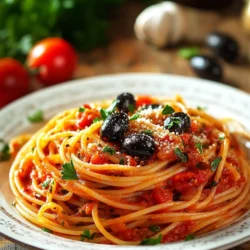
Pasta Puttanesca is a dish that embodies the essence of Italian cuisine: simple yet bursting with flavor. This hearty pasta dish, often associated with the bustling streets of Naples, is made with a few key ingredients, making it a perfect choice for those who want a quick and delicious meal without compromising on taste. In today’s fast-paced world, the demand for quick and flavorful meals has never been higher. Pasta Puttanesca, with its rich history and vibrant flavors, stands out as an excellent option for busy weeknights or even special occasions when you want to impress your guests without spending hours in the kitchen.
The beauty of Pasta Puttanesca lies in its robust, savory sauce, which features staples such as olives, capers, tomatoes, garlic, and anchovies. Each ingredient plays a vital role in creating the signature taste that this dish is known for. As we delve deeper into the origins of Pasta Puttanesca and explore the ingredients that make it such a beloved recipe, you will see why it deserves a place on your dining table.
Understanding Pasta Puttanesca
Historical Background of the Dish
Pasta Puttanesca has a colorful history that adds to its charm. The name “puttanesca” is derived from the Italian word “puttana,” which translates to “prostitute.” While the exact origins of the dish are somewhat murky, it is believed that it was created in the mid-20th century in Naples. One popular theory suggests that the dish was made by local prostitutes who needed a quick and affordable meal to eat between clients. Others claim that it was a dish prepared by busy cooks who could throw together ingredients they had on hand, resulting in the flavorful sauce we enjoy today.
Regardless of its origins, Pasta Puttanesca has gained widespread popularity throughout Italy and beyond, becoming a staple in Italian households and restaurants alike. Its bold, salty, and slightly spicy flavor profile makes it a favorite for pasta lovers everywhere.
Cultural Significance in Italian Cuisine
In Italian culture, food is more than just sustenance; it is a celebration of life, family, and tradition. Pasta Puttanesca exemplifies this philosophy by combining simple, readily available ingredients into a dish that is both comforting and satisfying. The dish reflects the Italian approach to cooking, which emphasizes the use of fresh, high-quality ingredients that can be transformed into a delicious meal with minimal effort.
Moreover, Pasta Puttanesca is often made with ingredients that are common in Mediterranean diets, such as olives and tomatoes. This aligns with the Italian emphasis on healthy eating and the use of wholesome, natural foods. As a result, Pasta Puttanesca not only delivers on flavor but also aligns with modern dietary preferences that prioritize fresh ingredients and balanced meals.
Common Variations and Regional Differences
While traditional Pasta Puttanesca features a specific combination of ingredients, various regional adaptations exist throughout Italy. For instance, some variations may include additional vegetables, such as bell peppers or zucchini, while others might omit anchovies for a vegetarian version. The level of spiciness can also vary, with some cooks opting for a milder approach while others turn up the heat with more red pepper flakes.
In addition to the regional twists, personal variations often arise in home kitchens. Many families have their own cherished recipes that may include unique spices or cooking techniques passed down through generations. This adaptability is part of what makes Pasta Puttanesca such a beloved dish—each cook can put their own spin on it while staying true to its flavors.
Ingredients Breakdown
To create a delicious Pasta Puttanesca, you will need a few key ingredients that contribute to the dish’s rich flavor and satisfying texture. Here is an overview of the main components:
Main Ingredients
1. Pasta: Traditionally, spaghetti is used for Pasta Puttanesca, but other types of pasta, such as linguine or penne, can also work well.
2. Olives: Both black and green olives can be used, with Kalamata olives being a popular choice for their rich, briny flavor.
3. Tomatoes: Canned crushed tomatoes or fresh diced tomatoes provide the sauce’s base and contribute to its vibrant red color.
4. Garlic: Fresh garlic is essential for adding depth and aroma to the dish.
5. Anchovies: While optional, anchovies add a savory umami flavor that enhances the overall taste of the sauce.
6. Capers: These small, pickled flower buds bring a tangy brininess that complements the olives and tomatoes.
7. Red Pepper Flakes: For a touch of heat, red pepper flakes are added to the sauce, balancing the flavors beautifully.
8. Olive Oil: High-quality extra virgin olive oil is crucial for sautéing the garlic and anchovies, as well as drizzling over the finished dish.
Importance of Each Ingredient
Each ingredient in Pasta Puttanesca plays a vital role in creating the dish’s signature flavor profile. The combination of olives and capers provides a salty, briny taste that pairs wonderfully with the sweetness of the tomatoes. Garlic adds aromatic depth, while anchovies (if used) contribute a savory richness that ties the flavors together. The red pepper flakes add a subtle kick, making each bite exciting.
Additionally, the quality of the ingredients can significantly impact the final dish. Using high-quality, extra virgin olive oil, ripe tomatoes, and fresh garlic will lead to a more flavorful and satisfying experience. When sourcing ingredients, consider visiting local markets or specialty stores for the freshest options.
Health Benefits of Key Components
Pasta Puttanesca is not only delicious but can also be a nutritious choice. Here are some health benefits associated with the key components of the dish:
– Olives: Rich in healthy fats, particularly monounsaturated fats, olives are beneficial for heart health. They also contain antioxidants and anti-inflammatory compounds that can support overall well-being.
– Tomatoes: Packed with vitamins C and K, tomatoes are also a great source of lycopene, a powerful antioxidant linked to lower risks of chronic diseases.
– Garlic: Known for its medicinal properties, garlic can boost the immune system, reduce blood pressure, and improve heart health due to its anti-inflammatory effects.
– Anchovies: High in omega-3 fatty acids, anchovies are known for their heart-healthy benefits and are also a good source of protein and essential minerals.
Incorporating these ingredients into your meals not only enhances flavor but can also support a balanced, nutritious diet.
Step-by-Step Cooking Instructions
Now that we have explored the background and ingredients of Pasta Puttanesca, let’s dive into the step-by-step cooking instructions. This section will guide you through the process of making this delectable dish, ensuring you achieve the perfect balance of flavors and textures.
Cooking the Pasta
1. Start by boiling water: Fill a large pot with water and place it over high heat. Add a generous amount of salt to the water; this is crucial as it will season the pasta while it cooks.
2. Cook the pasta: Once the water reaches a rolling boil, add your chosen pasta (spaghetti is traditional). Stir occasionally to prevent sticking, and cook according to the package instructions until al dente. This typically takes about 8-10 minutes, depending on the pasta type.
3. Reserve some pasta water: Before draining, save about a cup of the pasta cooking water. This starchy water can be added to the sauce later to achieve the desired consistency.
4. Drain the pasta: Once cooked, drain the pasta in a colander but do not rinse it. Rinsing removes the starch that helps the sauce adhere to the noodles.
Preparing the Sauce
1. Heat the olive oil: In a large skillet, heat 3-4 tablespoons of extra virgin olive oil over medium heat. The oil should shimmer but not smoke, indicating that it’s hot enough for cooking.
2. Sauté the garlic: Add 3-4 minced garlic cloves to the skillet and sauté for about 30 seconds, until fragrant. Be careful not to let the garlic brown, as this can result in a bitter taste.
3. Add red pepper flakes: Toss in a pinch of red pepper flakes (adjust to your heat preference) and sauté for an additional 15-20 seconds. This will release their flavor into the oil.
4. Incorporate anchovies (if using): If you choose to include anchovies, add 2-3 fillets to the skillet now. Use a wooden spoon to break them up as they cook, allowing them to dissolve into the oil and impart their umami flavor to the sauce.
5. Mix in tomatoes and olives: Pour in a can of crushed tomatoes (or fresh diced tomatoes) and add a handful of chopped olives. Stir to combine and allow the sauce to simmer for about 10 minutes. This will enable the flavors to meld and develop.
6. Add capers: In the last few minutes of simmering, add a tablespoon of capers to the sauce for an extra burst of flavor.
Techniques for Maximizing Flavor
– Salting the water: Remember, salting the pasta water is crucial for flavoring the pasta itself. The general rule is to use about 1 tablespoon of salt per gallon of water.
– Achieving the perfect al dente texture: Al dente pasta should be firm to the bite but cooked through. To test for doneness, taste a strand a minute or two before the package instructions suggest.
– Sautéing garlic and red pepper flakes: Sautéing garlic just until fragrant and adding red pepper flakes shortly after helps to extract maximum flavor without burning. Keep a close eye on the garlic, as it can go from perfectly cooked to burnt very quickly.
By following these instructions, you will be well on your way to creating a delicious Pasta Puttanesca that showcases the vibrant flavors of Italian cuisine. The next section will delve into additional tips for achieving the best results and answer some common questions about this beloved dish.
Incorporating Tomatoes and Building the Sauce
To create a robust and flavorful Pasta Puttanesca, the first essential step is incorporating tomatoes into your sautéed garlic and anchovy mixture. You can use either canned tomatoes or fresh tomatoes, depending on what you have on hand. For canned tomatoes, opt for whole peeled San Marzano tomatoes, as they offer a sweeter and less acidic flavor profile. If using fresh tomatoes, choose ripe varieties like Roma or vine tomatoes, and chop them into small pieces.
Start by adding the tomatoes to the pan over medium heat, breaking them apart with a wooden spoon if using whole canned tomatoes. Stir in the sautéed garlic and anchovies, allowing the mixture to meld together. As the tomatoes begin to cook, the natural sugars will caramelize, enhancing the overall flavor of the sauce. Let the sauce simmer gently for about 10 to 15 minutes, allowing it to thicken slightly and develop a rich, deep flavor.
Importance of Simmering and Blending Flavors
Simmering is a critical step in building the flavors of your Puttanesca sauce. This process allows the tomatoes to release their juices, which meld with the anchovies, garlic, and olive oil. The longer you allow the sauce to simmer, the more concentrated and flavorful it will become. Taste the sauce during this time to adjust seasoning if necessary; you may find you want to add a pinch of sugar to balance any acidity from the tomatoes or a bit of salt, depending on your taste preferences.
Adding Olives and Capers
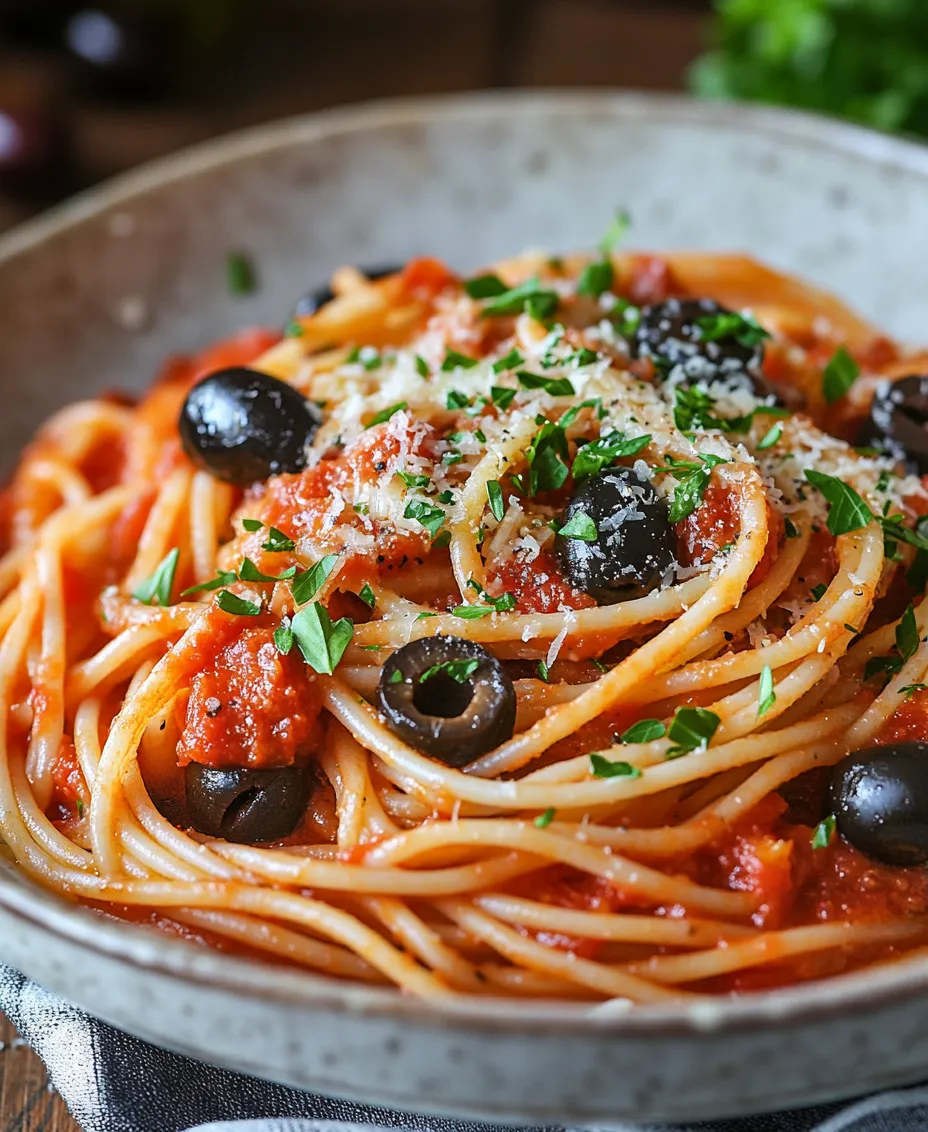
Once your sauce has thickened and the flavors have blended beautifully, it’s time to add the key ingredients that give Pasta Puttanesca its distinctive character: olives and capers. Use a mix of black and green olives for a depth of flavor. Pit and slice the olives before adding them to the sauce, along with a generous tablespoon of capers. These salty, briny ingredients elevate the umami profile of the dish and bring a delightful contrast to the sweetness of the tomatoes.
Fold the olives and capers into the sauce, allowing them to heat through for a couple of minutes. This additional cooking time helps to release their flavors into the sauce, ensuring every bite of pasta is infused with the rich, savory essence of your Puttanesca.
The Role of These Ingredients in Enhancing Umami and Saltiness
Olives and capers are not just flavor enhancers; they play a significant role in the umami and saltiness of Pasta Puttanesca. The briny nature of these ingredients adds a depth that complements the sweetness of the tomatoes and the savoriness of the anchovies. This balance is what makes Puttanesca a beloved dish, as the contrasting flavors create a harmonious experience on the palate.
Combining Pasta and Sauce
Once your sauce is ready, it’s time to combine it with the pasta. Cook your pasta of choice—traditionally, spaghetti is used—according to package instructions until al dente. Reserve about a cup of pasta cooking water before draining. This starchy water is invaluable for achieving the perfect sauce consistency.
In a large skillet, add the drained pasta directly into the sauce and toss gently to combine. If the sauce appears too thick, gradually add reserved pasta water, a little at a time, until you reach your desired consistency. This step ensures that the pasta is well-coated with the sauce and provides a silky texture that clings to every strand.
Tips for Achieving the Perfect Sauce Consistency with Reserved Pasta Water
Using reserved pasta water is a crucial tip for achieving the perfect consistency in your Pasta Puttanesca. The starch in the water not only helps to thicken the sauce but also aids in binding the sauce to the pasta, creating a cohesive dish. Start with small amounts of water and mix well, as it’s easier to add more than to fix a sauce that has become too watery.
Final Touches and Plating
Once the pasta is well combined with the sauce, it’s time for the final touches. Drizzle a bit of high-quality extra virgin olive oil over the pasta for a finishing touch that adds richness and flavor. You can also sprinkle freshly chopped parsley for a pop of color and freshness, enhancing the dish’s visual appeal.
For plating, serve the Pasta Puttanesca in deep bowls to catch any extra sauce. This dish is best enjoyed immediately while hot, as the flavors are at their peak.
Suggestions for Garnishing and Serving
For garnishing, consider adding freshly grated Parmesan cheese, although traditionalists often skip cheese in Puttanesca due to its strong flavors. A wedge of lemon can also be served on the side for those who enjoy an extra zing. Accompany your dish with crusty garlic bread or a fresh green salad to round out the meal.
Flavor Pairings and Complementary Dishes
To complement your Pasta Puttanesca, consider serving it with a simple arugula salad dressed with lemon vinaigrette. The peppery arugula will contrast beautifully with the rich flavors of the pasta. Alternatively, roasted vegetables or a classic Caprese salad can elevate your dining experience.
When it comes to wine pairings, a medium-bodied red wine, such as Chianti or a Sangiovese, works wonderfully with Pasta Puttanesca. The acidity in these wines will complement the tomatoes and balance the dish’s saltiness. For a white wine option, a crisp Pinot Grigio can also provide a refreshing contrast.
Nutritional Information
Pasta Puttanesca is not only delicious but also provides a balanced meal. A standard serving of Pasta Puttanesca (about 1 cup) contains approximately:
– Calories: 400-450
– Protein: 12-15 grams
– Carbohydrates: 60-65 grams
– Fat: 15-20 grams
This dish offers a healthy balance of carbohydrates from the pasta, healthy fats from the olive oil and olives, and protein from the anchovies. The inclusion of tomatoes provides essential vitamins and antioxidants, making this a wholesome meal that can be enjoyed without guilt.
Conclusion
Pasta Puttanesca is a testament to the beauty of simple ingredients coming together to create a dish that is both rich in flavor and satisfying. The combination of tomatoes, olives, capers, and anchovies provides a unique taste experience that is sure to please anyone at your table.
We encourage you to try making this dish at home, whether it’s for a weeknight dinner or a special occasion. The communal aspect of cooking and sharing meals with family and friends is one of life’s greatest joys, and Pasta Puttanesca embodies this spirit beautifully. So gather your loved ones, set the table, and enjoy the rich flavors of this classic Italian dish together.