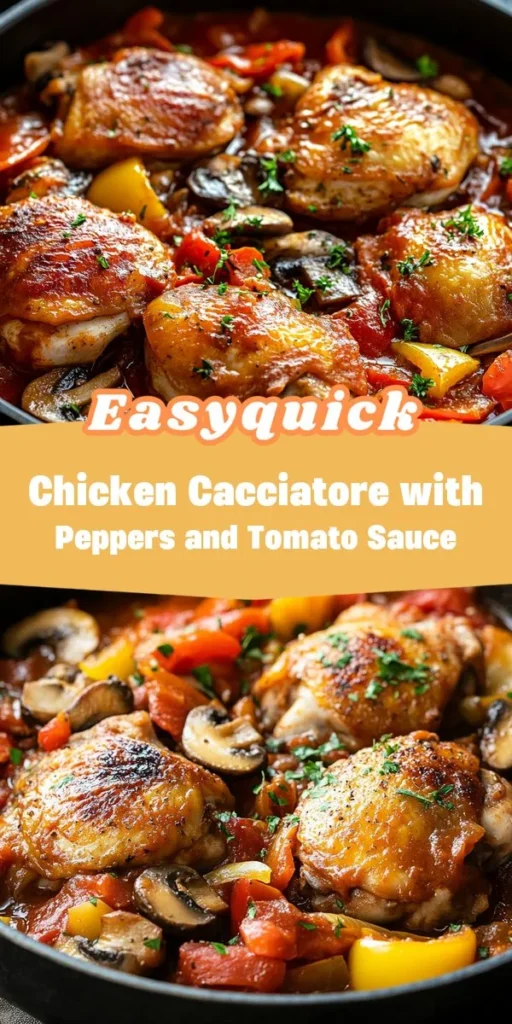
Introduction to Rustic Chicken Cacciatore
Rustic Chicken Cacciatore is a classic Italian dish that brings warmth and comfort to any dining table. This beloved recipe is a staple in Italian households, revered for its rich flavors and hearty ingredients. At its core, this dish features tender chicken thighs that are expertly simmered in a robust tomato sauce, enriched with vibrant bell peppers, earthy mushrooms, and aromatic herbs. The result is a deeply satisfying meal that evokes the essence of rustic Italian cooking, making it the perfect choice for both weeknight dinners and special gatherings.
In this article, we will guide you through the process of creating this delectable dish, illuminating its origins, detailing the key ingredients, and providing step-by-step cooking instructions that will help you achieve an authentic Italian flavor in your own kitchen. Whether you’re a seasoned cook or a novice in the kitchen, you’ll find that this recipe is approachable yet rewarding, and it invites you to explore the heart of Italian cuisine.
Understanding the Essence of Chicken Cacciatore
Exploring the Historical Roots of Cacciatore
The term “cacciatore” translates to “hunter” in Italian, reflecting the dish’s origins as a rustic peasant meal prepared by hunters in the Italian countryside. Traditionally, Cacciatore was made with whatever proteins were available; thus, variations of the dish can be found across different regions of Italy, from the tomato-rich versions in southern Italy to those featuring a variety of meats or even game in the northern regions.
In essence, Chicken Cacciatore embodies the spirit of Italian cooking—a celebration of local ingredients and seasonal produce. Each region has developed its own take on the dish, influenced by local tastes and available ingredients. For example, some versions include olives, capers, or even different types of wine, showcasing the flexibility and adaptability of this beloved dish.
The cultural significance of Cacciatore extends beyond mere sustenance. It is often served during family gatherings and celebrations, representing a time-honored tradition of sharing meals with loved ones. Whether enjoyed at a bustling family dinner or a quiet meal for two, Chicken Cacciatore is a dish that brings people together, evoking feelings of comfort and nostalgia.
Key Ingredients that Define the Dish
To create an authentic Rustic Chicken Cacciatore, understanding the core ingredients is essential. Each component plays a vital role in building the dish’s robust flavor profile and ensuring a satisfying meal.
– Chicken Thighs: While you can use various cuts of chicken, bone-in, skin-on thighs are preferred for their rich flavor and moist texture. The bones contribute to the depth of the sauce, while the skin renders beautifully during cooking, adding a delightful crispness.
– Olive Oil: The choice of olive oil can greatly impact the flavor of your dish. Opt for a high-quality extra virgin olive oil for sautéing, as it brings a fruity, peppery note that enhances the overall taste.
– Vegetables: Onions, bell peppers, and mushrooms are foundational to the dish. They not only add layers of flavor but also contribute to the dish’s heartiness. Sautéing these vegetables until they are tender and slightly caramelized elevates the overall taste.
– Tomatoes: Whether you choose crushed tomatoes, diced tomatoes, or fresh alternatives, the quality of the tomatoes is crucial. Look for high-quality canned tomatoes or ripe, in-season tomatoes for the best results. They provide acidity and sweetness, balancing the dish’s flavor.
– Red Wine: A splash of good-quality red wine enhances the dish’s complexity. It adds depth and richness to the sauce while also tenderizing the chicken as it simmers.
– Herbs and Spices: The significance of herbs like oregano and basil cannot be overstated. Fresh or dried, these herbs infuse the dish with an aromatic quality, while a pinch of red pepper flakes adds a subtle kick.
Ingredient Breakdown for Rustic Chicken Cacciatore
Before diving into the cooking process, let’s take a closer look at the core ingredients that make up this delicious Rustic Chicken Cacciatore.
– Chicken Thighs: The preferred cut for this dish, chicken thighs are not only flavorful but also remain juicy and tender during cooking. The bones help to enhance the sauce’s flavor, making it richer and more satisfying.
– Olive Oil: Extra virgin olive oil is the best choice for sautéing the chicken and vegetables. It provides a rich flavor and is also healthy, making it a staple in Italian cooking.
– Vegetables: Onions add sweetness, bell peppers provide a vibrant color and crunch, and mushrooms introduce an earthy flavor. Together, they create a base that supports the dish’s overall flavor profile.
– Tomatoes: Using crushed tomatoes adds body to the sauce, while fresh tomatoes can offer a lighter, brighter flavor. Experimenting with both can yield delightful results, depending on your preference.
– Red Wine: A good quality red wine, such as Chianti or Sangiovese, enhances the dish’s flavor profile. The acidity in the wine balances the sweetness of the tomatoes and brings depth to the sauce.
– Herbs and Spices: Oregano and basil are traditional in Chicken Cacciatore, contributing to its authentic Italian flavor. Additionally, you may consider adding thyme or rosemary for complexity. A dash of salt and pepper rounds out the seasoning.
Step-by-Step Cooking Instructions
Now that we have a solid understanding of the ingredients, it’s time to roll up your sleeves and begin the cooking process. Follow these step-by-step instructions to create your own Rustic Chicken Cacciatore.
Preparing the Chicken for Cooking
1. Season the Chicken: Begin by patting the chicken thighs dry with paper towels. This step is crucial for achieving a crispy skin. Once dry, season them generously with salt and freshly ground black pepper on both sides.
2. Sear the Chicken: Heat a large, heavy-bottomed skillet or Dutch oven over medium-high heat and add a couple of tablespoons of olive oil. Once the oil is shimmering (but not smoking), carefully place the seasoned chicken thighs skin-side down in the pan. Avoid overcrowding the pan; you may need to sear them in batches if your skillet isn’t large enough.
3. Achieve a Golden-Brown Crust: Allow the chicken to sear undisturbed for about 5-7 minutes, or until the skin is golden brown and crispy. This step is essential, as it enhances the flavor and texture of the dish. Once browned, flip the chicken over and sear the other side for an additional 3-4 minutes.
4. Transfer the Chicken: After both sides are beautifully seared, remove the chicken from the skillet and set it aside on a plate. Leave the drippings in the pan, as they will add flavor to the sauce.
Sautéing the Aromatics
1. Add More Olive Oil: If necessary, add a bit more olive oil to the pan if the drippings have dried up. You want enough oil to sauté the vegetables without burning them.
2. Sauté the Onions: Begin by adding chopped onions to the hot oil. Sauté for about 3-4 minutes, allowing them to soften and become translucent.
3. Incorporate the Bell Peppers and Mushrooms: Add sliced bell peppers and mushrooms to the pan, stirring them in with the onions. Continue to sauté for an additional 5-7 minutes, or until the vegetables are tender and lightly caramelized. The combination of these vegetables will create a fragrant base for your sauce.
4. Deglaze the Pan: Once the vegetables are ready, pour in a cup of red wine. Use a wooden spoon to scrape the bottom of the pan, releasing the flavorful brown bits that have stuck to the skillet. This step is crucial for building a rich sauce.
5. Add the Tomatoes and Herbs: After deglazing, stir in the crushed tomatoes, along with dried oregano and a pinch of red pepper flakes if you like a little heat. Bring the mixture to a gentle simmer.
6. Return the Chicken to the Pan: Nestle the seared chicken thighs back into the pan, skin-side up. Ensure that the chicken is partially submerged in the sauce, which will help it cook evenly.
From this point, the flavors will meld beautifully as the chicken continues to cook in the aromatic sauce. Stay tuned for the next part of the article, where we will explore the finishing steps and tips for serving this comforting dish. Rustic Chicken Cacciatore is not just a meal; it’s a culinary experience that connects you to the heart of Italian tradition.
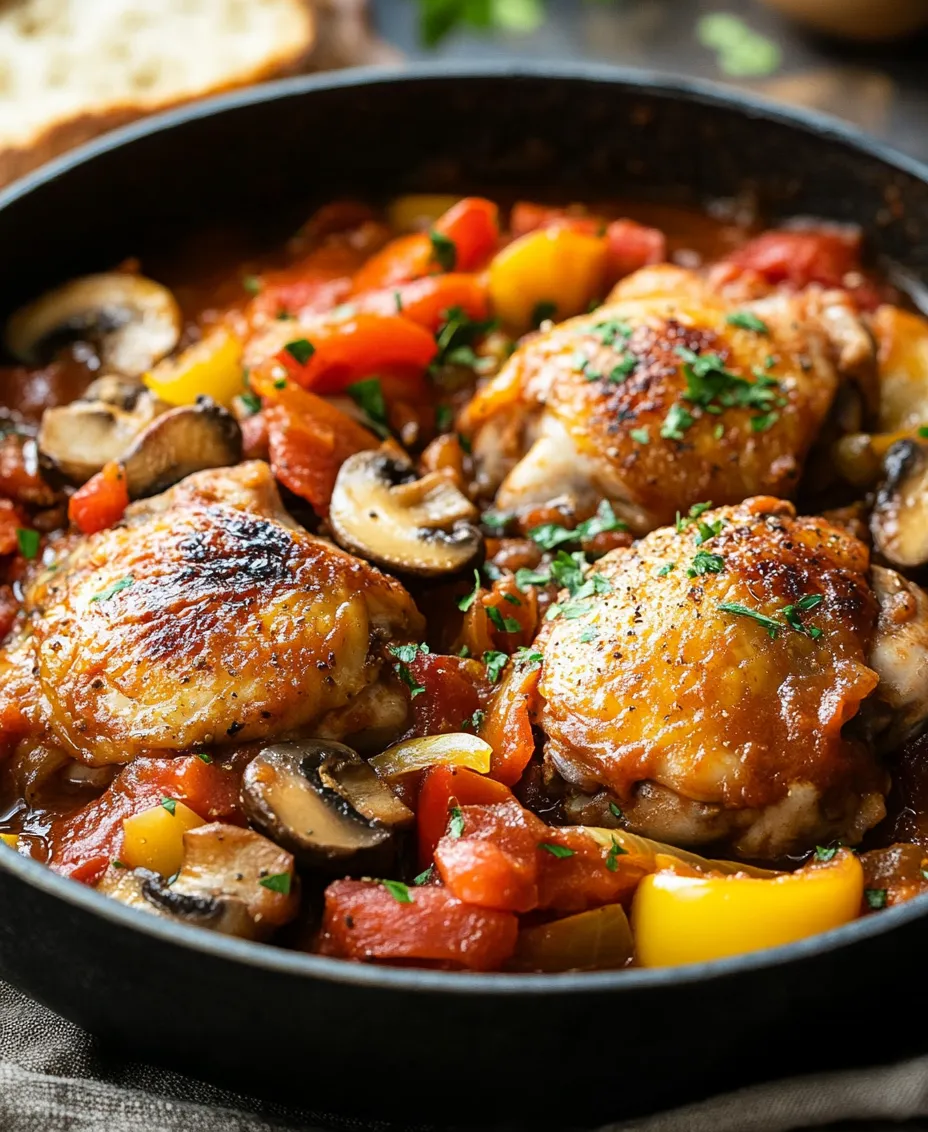
Tips for Perfecting the Onion and Garlic Sauté
The foundation of a great Rustic Chicken Cacciatore begins with a well-executed sauté of onions and garlic. The key to perfecting this step lies in the timing and technique. Start by heating your olive oil in a large, heavy-bottomed skillet over medium heat. Once the oil is shimmering, add the onions first. Sautéing the onions until they become translucent (about 5-7 minutes) allows their natural sugars to caramelize, creating a sweet base for your sauce.
Next, add the minced garlic. It’s crucial to introduce the garlic after the onions have begun to soften, as garlic cooks much faster and can burn easily. Stir the mixture for about 1-2 minutes until fragrant, taking care not to let the garlic turn brown, which could impart a bitter taste to the dish. This careful sautéing will create a rich, aromatic base that enhances the overall flavor profile of your Chicken Cacciatore.
Timing and Temperature for Optimal Flavor Release
When sautéing vegetables, maintaining the right temperature is essential. A medium heat allows for even cooking without burning. If your pan is too hot, the sugars in the onions can caramelize too quickly, leading to uneven cooking. Conversely, if it’s too low, the vegetables may not brown properly, resulting in a less savory flavor.
To check if your oil is at the right temperature, drop in a small piece of onion; if it sizzles gently, the oil is ready. Remember to keep stirring occasionally, allowing the onions to release their moisture and foster a sweet and savory depth.
Building the Flavor Base
Incorporating Vegetables and the Technique for Softening Them
Once your onions and garlic are perfectly sautéed, it’s time to build upon this flavor base by adding bell peppers and other vegetables. Slice red and yellow bell peppers into strips and add them to the skillet. Their sweetness will complement the onion and garlic beautifully. Sauté the peppers for about 5-7 minutes until they soften but still retain a bit of crunch.
You can also incorporate other vegetables such as mushrooms or carrots, which can enhance the dish’s flavor and texture. The goal here is to layer flavors, so take your time and allow each addition to cook thoroughly before moving on to the next.
The Art of Deglazing with Red Wine for Depth of Flavor
After the vegetables have softened, it’s time to deglaze the pan. Pour in about 1 cup of a good-quality dry red wine—such as Chianti or Cabernet Sauvignon—into the skillet. Scrape the bottom of the pan with a wooden spoon to lift the browned bits, also known as fond, which are packed with flavor.
Allow the wine to simmer for about 3-5 minutes, letting it reduce slightly and intensify in flavor. This step is crucial as it adds depth to your Chicken Cacciatore, making the sauce rich and complex.
Creating the Tomato Sauce
Steps to Combine Crushed Tomatoes and Herbs
After deglazing, it’s time to add the crushed tomatoes. Use a high-quality brand or make your own from fresh tomatoes, if available. Pour in approximately 28 ounces of crushed tomatoes along with a tablespoon of tomato paste for added richness. Stir to combine everything well.
Next, add a blend of herbs to enhance the flavor. Fresh or dried oregano, thyme, and basil are traditional choices for Chicken Cacciatore. If using dried herbs, remember that they are more concentrated, so a teaspoon of each will suffice. For fresh herbs, use about a tablespoon of each, finely chopped. Stir these into the sauce, allowing their flavors to meld with the tomatoes.
Balancing Acidity and Seasoning in the Sauce
Tomatoes can have a natural acidity that may overpower the dish if not balanced correctly. To counteract this, add a pinch of sugar to the sauce. This simple step can help mellow the acidity and enhance the overall flavor. Taste the sauce and adjust the seasoning with salt and freshly ground black pepper.
Don’t forget to add a splash of balsamic vinegar or a squeeze of fresh lemon juice at the end of cooking to elevate the dish further, enhancing its brightness and complexity.
Simmering to Perfection
Best Practices for Returning Chicken to the Sauce
Once your sauce is simmering and full of flavor, it’s time to return the chicken to the pan. Nestle the browned chicken thighs into the sauce, ensuring they’re partially submerged to absorb all the flavors. This technique not only allows the chicken to finish cooking but also infuses it with the rich tomato and herb mixture.
Recommended Simmering Time for Tenderness
Cover the skillet and reduce the heat to low, allowing the Chicken Cacciatore to simmer gently for about 30-40 minutes. This slow cooking process will ensure that the chicken becomes tender and absorbs the delicious sauce flavors. Check occasionally to make sure the sauce isn’t boiling too vigorously, as you want a gentle simmer for optimal tenderness.
Serving Suggestions for Rustic Chicken Cacciatore
Pairing Options for an Authentic Experience
To create a complete meal, consider what you’ll serve alongside your Rustic Chicken Cacciatore. Traditional pairings often include pasta, which can soak up the flavorful sauce. Opt for types like fettuccine, pappardelle, or even polenta, which complements the dish beautifully.
Additionally, crusty bread is an excellent option for sopping up the sauce. A hearty Italian loaf or baguette would be perfect for this purpose, adding a delightful texture and providing a satisfying crunch.
Garnishing Techniques
To elevate the presentation and flavor profile of your dish, garnishing is essential. Fresh parsley not only adds a pop of color but also a burst of freshness. Chop a handful of parsley and sprinkle it over the top just before serving.
For a creative twist, consider adding shaved Parmesan cheese or a drizzle of high-quality olive oil as finishing touches. These elements can enhance the dish’s flavor and create an appealing visual presentation.
Nutritional Insights of Rustic Chicken Cacciatore
Analyzing the Health Benefits of Key Ingredients
As you indulge in this comforting dish, it’s worth noting the nutritional profile of its ingredients. Chicken thighs provide a rich source of protein and essential vitamins like B6 and B12, which are important for energy metabolism and maintaining healthy cells.
Incorporating a variety of vegetables, such as bell peppers and onions, not only adds flavor but also boosts the dish’s nutritional value. These vegetables are rich in vitamins A and C, antioxidants, and fiber, contributing to overall health.
Benefits of Incorporating Vegetables and Herbs
Herbs like oregano, thyme, and basil provide more than just flavor; they are also known for their anti-inflammatory properties and can boost the immune system. The inclusion of these fresh herbs elevates the dish’s nutritional profile while providing a delightful aroma and taste.
Wine and Its Role in Cooking vs. Consumption
Using red wine in your cooking adds a unique depth of flavor, thanks to its acidity and tannins. While some may be concerned about the alcohol content, most of it evaporates during cooking, leaving behind rich flavors that enhance your dish. Additionally, wine contains beneficial antioxidants, which can contribute positively to health when consumed in moderation.
Conclusion: The Comfort of Rustic Chicken Cacciatore
Rustic Chicken Cacciatore is more than just a meal; it’s a celebration of flavors and traditions that bring families together. By following this recipe and understanding the elements that contribute to its success, you can create a dish that not only nourishes but also delights the palate. Whether enjoyed on a cozy night in or served at a special gathering, this comforting dish is sure to become a cherished favorite in your culinary repertoire.
With its rich history and robust flavors, Chicken Cacciatore embodies the essence of Italian home cooking. So gather your ingredients, follow the steps, and savor the delightful experience of making and enjoying this wonderful dish. Embrace the warmth and love that comes from preparing a meal that not only satisfies hunger but also creates lasting memories around the dinner table.