Introduction
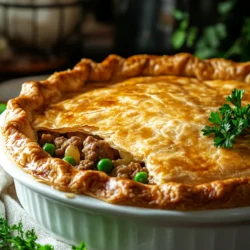
Easter is a time of celebration, reflection, and togetherness, marked by numerous traditions and customs that vary across cultures. One of the most beloved aspects of this holiday is the food—particularly the traditional dishes that bring families together around the dining table. Among these cherished recipes is the Traditional Easter Meat Pie, a delightful creation that combines savory flavors and rich family history.
This meat pie, often prepared with care and love, holds a special place in many households during the Easter season. Its origins are steeped in tradition, with recipes passed down through generations, each adding their unique twist to the dish. While it is most commonly associated with Easter, the versatility of the Traditional Easter Meat Pie means that it can be enjoyed on various occasions, be it festive gatherings, Sunday dinners, or even casual family meals.
The Traditional Easter Meat Pie is a culinary masterpiece, combining a variety of meats and fresh vegetables encased in a flaky pastry crust. Not only is it delicious, but it also embodies the spirit of sharing and togetherness that defines the holiday. In this article, we will explore the ingredients that make this dish so special and provide you with a step-by-step guide to preparing the perfect meat pie.
Understanding the Ingredients
To create the Traditional Easter Meat Pie, it’s essential to understand the key ingredients that come together to create its signature taste.
Ground Meats
The foundation of this pie is its meat filling, which typically includes a combination of ground lamb, beef, and pork.
– Lamb: Often associated with Easter due to its biblical significance, lamb brings a distinct flavor profile that is both rich and slightly gamey. Its tenderness pairs beautifully with the other ingredients, creating a harmonious filling.
– Beef: Ground beef is a popular choice for adding depth to the flavor. When cooked properly, it enhances the pie’s overall savoriness, making it a hearty dish that satisfies the appetite.
Pork
Pork is another essential component of the meat filling. Its natural fat content adds moisture and richness to the mixture, ensuring that each bite is succulent and flavorful. The inclusion of pork also balances the leaner cuts of lamb and beef, resulting in a well-rounded profile that is both savory and satisfying.
The Role of Vegetables
In addition to the meats, several vegetables play a crucial role in enhancing the flavor and texture of the meat pie.
– Onions and Garlic: These aromatic staples are essential for building a flavor base. Sautéed onions add sweetness and depth, while garlic brings a pungent aroma that elevates the overall taste. Together, they create a savory foundation that complements the meats beautifully.
– Potatoes and Peas: Chopped potatoes add a hearty texture to the filling, while peas contribute a burst of sweetness. The combination of these vegetables creates a satisfying mouthfeel, making each slice of the pie not just flavorful but also filling.
Seasonings and Herbs
No meat pie would be complete without the right blend of seasonings and herbs to enhance its flavor.
– Oregano and Paprika: These two spices are often found in traditional recipes, each contributing its unique character. Oregano imparts a warm, earthy flavor that pairs well with the meats, while paprika adds a mild smokiness and vibrant color to the filling.
– Fresh Parsley: To brighten up the dish, fresh parsley is often added just before assembling the pie. Its fresh, herbaceous notes provide a lovely contrast to the richness of the meat, ensuring that every bite is balanced and flavorful.
Preparation Steps for the Perfect Pie
Creating a Traditional Easter Meat Pie is a rewarding process that involves several key steps. Below is a detailed breakdown of the preparation process to ensure your pie turns out perfect every time.
Preheating the Oven
The first step in preparing your meat pie is to preheat the oven. Setting it to the right temperature is critical for achieving a golden, flaky crust while ensuring that the filling is cooked thoroughly. Generally, a temperature of around 375°F (190°C) is ideal for this pie. Preheating your oven in advance allows for even baking and prevents sogginess in the crust.
Cooking the Meat Mixture
Once your oven is preheated, it’s time to cook the meat mixture. Begin by heating a large skillet over medium heat.
1. Sauté the Aromatics: Add a drizzle of olive oil, followed by the chopped onions and minced garlic. Sauté until the onions are translucent and the garlic is fragrant, usually about 3-4 minutes.
2. Brown the Meats: Increase the heat to medium-high and add the ground lamb, beef, and pork to the skillet. Break the meat apart with a spatula and cook until browned. This step is crucial as it develops the deep, savory flavors that are characteristic of a well-made meat pie. Ensure that the meat is cooked evenly, stirring occasionally to prevent sticking.
3. Incorporate the Vegetables: Once the meat is browned, stir in the chopped potatoes and peas. Cook for an additional 5-7 minutes until the potatoes are slightly tender. This not only adds texture but also allows the flavors to meld together beautifully.
4. Season the Mixture: Sprinkle in the oregano, paprika, salt, and pepper to taste. Stir well to combine and allow the mixture to simmer for a few minutes. The heat will help the spices release their essential oils, enhancing the overall flavor of the filling.
5. Finish with Fresh Parsley: Just before removing the skillet from heat, fold in the freshly chopped parsley. This will add a touch of brightness to the filling, making it more vibrant and appealing.
Following these steps will set you up for success as you prepare the rest of your pie. The next phase involves assembling the pie, adding the flaky crust, and finally baking it to perfection. Each layer and ingredient works together to create a dish that is not only delicious but also rich in tradition and family history.
Stay tuned for the upcoming section where we will delve into the assembly and baking process, ensuring your Traditional Easter Meat Pie is a delightful centerpiece for your holiday table.
Combining Ingredients
Once you have prepared your meat filling, the next step is to combine the ingredients effectively to ensure a harmonious blend of flavors. This is crucial for the overall taste of your Traditional Easter Meat Pie. Start by mixing your seasoned meats, which may include ground beef, pork, and any other proteins you choose. Using a large mixing bowl, add your sautéed vegetables—typically onions, garlic, and perhaps bell peppers.
For an even distribution of flavors, consider using your hands or a spatula to gently fold the ingredients together rather than stirring vigorously. This method allows you to combine the ingredients without breaking down the meat too much, maintaining a pleasing texture.
Incorporating fresh herbs and spices at this stage is essential. Parsley, thyme, and a pinch of nutmeg can elevate the flavor profile, but ensure they are evenly mixed throughout the filling.
One crucial tip is to let the filling cool down before assembling your pie. A hot filling can lead to a soggy crust, as the moisture will seep into the pastry. Allow the mixture to rest at room temperature for about 15-20 minutes, or until it is just warm to the touch.
Assembling Your Easter Meat Pie
Step-by-Step Guide on Rolling Out and Handling Pie Crusts
When it comes to assembling your pie, the crust is just as important as the filling. Whether you opt for a homemade or store-bought crust, having it ready is crucial. If you decide to make your own, roll out your dough on a lightly floured surface to about 1/8 inch thickness. Be sure to rotate the dough frequently to maintain an even thickness and avoid sticking.
For those who prefer the convenience of pre-made crusts, there are many options available in grocery stores. The pros of store-bought crusts include time efficiency and consistent results. However, the downside is that they may lack the rich, buttery flavor of homemade crusts. If you choose pre-made, look for high-quality options, preferably from brands that use natural ingredients.
Layering the Filling and Sealing the Pie
Once you have your crust rolled out, it’s time to layer the filling. Place the bottom crust into your pie dish, ensuring it fits snugly against the edges. Spoon in your cooled meat mixture evenly across the crust, taking care not to overfill, as this can lead to spillage during baking.
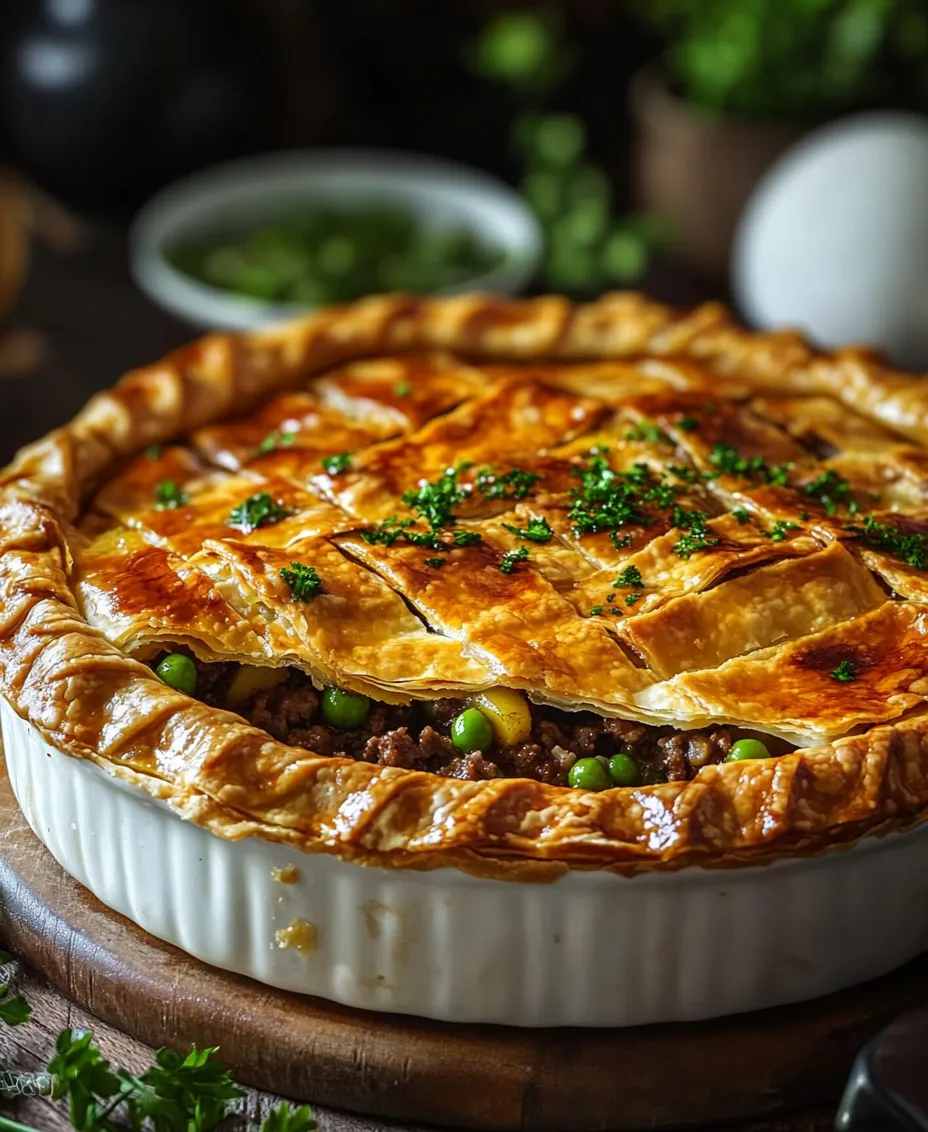
Next, roll out the top crust. Carefully place it over the filled pie, ensuring it overlaps the edges of the bottom crust. To seal the pie, press the edges of the two crusts together, then crimp them for a decorative finish. Crimping not only enhances the appearance but also helps create a seal to keep the filling inside during baking.
It is essential to create steam vents in your top crust. Use a sharp knife to cut a few slits in the top crust, allowing steam to escape and preventing the pie from becoming soggy.
Baking and Serving Suggestions
Baking the Pie: Ideal Baking Times and Temperatures
Preheat your oven to 375°F (190°C). Place your assembled pie in the oven and bake for approximately 45-50 minutes. The goal is to achieve a golden-brown crust. Keep an eye on the pie; if the edges begin to brown too quickly, you can cover them with foil to prevent burning.
An internal temperature of 160°F (71°C) ensures that the filling is thoroughly cooked. Use a food thermometer to check the pie’s readiness if you want to be precise.
Cooling Tips: How Letting the Pie Rest Enhances Slicing and Serving
Once out of the oven, allow your pie to cool for at least 15-20 minutes before slicing. This resting period is crucial as it allows the filling to set, making it easier to cut clean slices. A hot pie can lead to a messy presentation, so patience is key here.
Serving Suggestions: Ways to Present the Pie
When it comes to serving your Traditional Easter Meat Pie, presentation matters. Slice the pie into wedges and serve on a platter, garnishing with fresh herbs like parsley or thyme for a pop of color.
Pair your pie with complementary sides such as a crisp salad, roasted vegetables, or a tangy coleslaw to balance the richness of the meat filling. A dollop of sour cream or a tangy chutney on the side can also enhance the meal.
Cultural Significance of Easter Meat Pie
The Easter Meat Pie is much more than a dish; it carries a rich cultural heritage that varies across different regions. Traditionally, this pie symbolizes the end of Lent and the celebration of Easter, often featuring prominently on festive tables.
In Italy, for example, Easter Pies, or “Pizza di Pasqua,” often contain a mix of meats and cheeses, reflecting the abundance of food after the fasting period. Meanwhile, in Eastern Europe, similar meat pies are prepared with diverse fillings, showcasing local ingredients and culinary traditions.
As families gather around the table, these pies are often the centerpiece of the meal, serving as a reminder of the importance of sharing food during celebrations. Many families have their own variations and stories tied to this dish, passed down through generations.
Conclusion
The Traditional Easter Meat Pie is not just a recipe; it is a celebration of heritage, family, and the joy of coming together during festive occasions. Each bite is a reminder of shared traditions and the love that goes into preparing a meal for loved ones.
We encourage you to try making this delightful pie and to share it with family and friends during your next gathering. Cooking is a communal activity that brings people together, fostering connections over delicious food. Embrace the joy of creating and sharing dishes that carry meaning, and let the Easter Meat Pie be a part of your celebrations for years to come.