Follow Me On Pinterest!


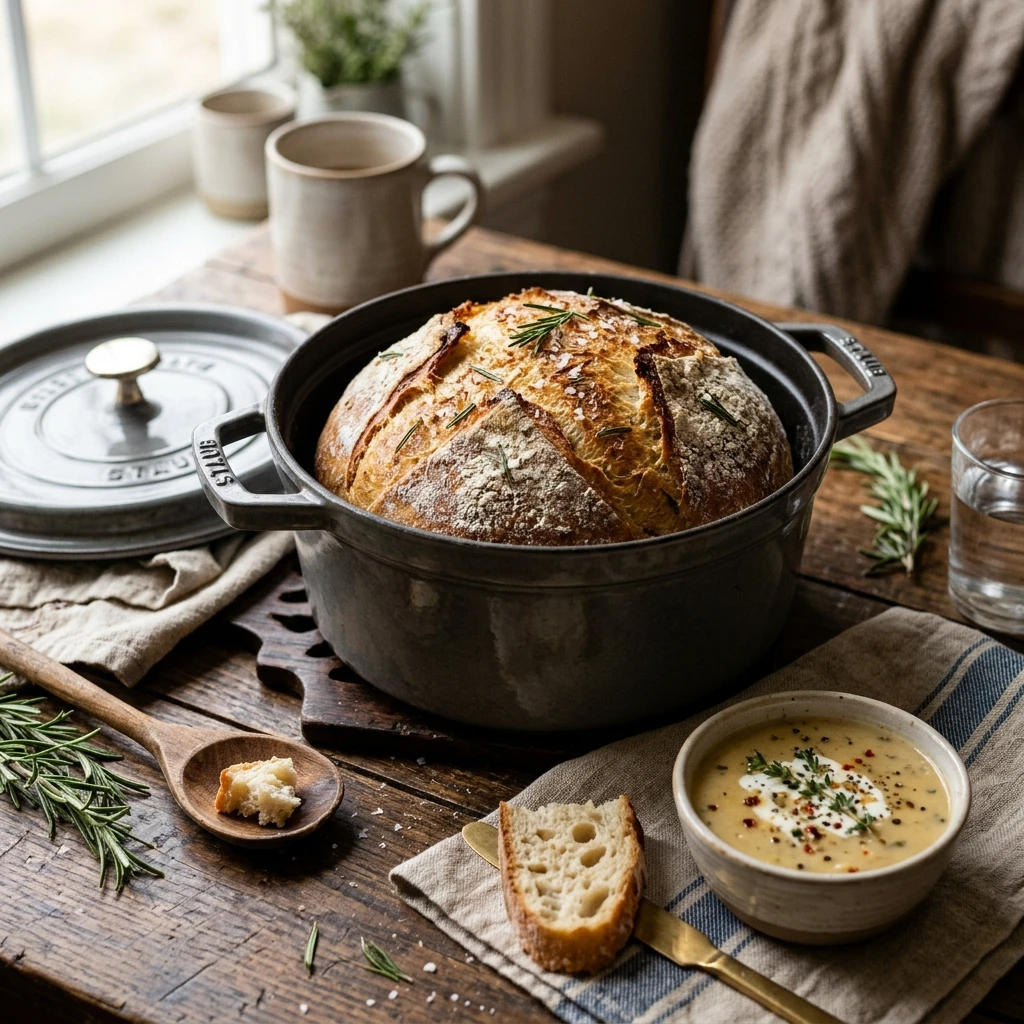
There is nothing quite like the aroma of fresh bread wafting through a chilly house on a winter afternoon. If you have ever felt intimidated by the thought of baking bread, this No-Knead Dutch Oven Winter Soup Bread is your gateway to becoming a home baker. This recipe removes the stress of kneading and the mystery of complex proofing schedules. With just four basic pantry staples and a bit of patience, you will produce a loaf that looks like it came straight from an expensive artisan bakery. It features a shatteringly crisp crust and a soft, airy interior that is perfect for mopping up every last drop of your favorite seasonal stews and soups.
Recipe Information
- Prep Time: 15 minutes (plus 12-18 hours rising time)
- Cook Time: 45 minutes
- Total Time: 18 hours 45 minutes
- Servings: 8 slices
- Difficulty: Easy
Nutrition values
- Calories: 185 kcal per slice
- Protein: 5g
- Carbs: 38g
Why Make This No-Knead Dutch Oven Winter Soup Bread Easy Cozy Artisan
This recipe is designed for the busy or hesitant cook. You do not need a stand mixer, a bread machine, or strong forearms. The long fermentation process does all the heavy lifting for you, developing a deep, complex flavor that quick-rise breads simply cannot match. Baking the loaf inside a preheated Dutch oven creates a steam-filled environment that mimics a professional deck oven. This ensures your bread achieves that signature golden-brown, crackly crust. It is the ultimate “set it and forget it” baking project that yields high-end results with minimal active labor.
Ingredients
- 3 cups (390g) All-purpose flour or bread flour
- 1 ½ cups Warm water (about 100°F – 105°F)
- 1 teaspoon Active dry yeast or instant yeast
- 1 ½ teaspoons Fine sea salt
- Extra flour for dusting
Directions
Step 1: Preparation
In a large mixing bowl, whisk together the flour, salt, and yeast until well combined. Pour the warm water into the center of the flour mixture. Use a sturdy wooden spoon or a spatula to stir the ingredients until a shaggy, sticky dough forms and no dry flour streaks remain. Cover the bowl tightly with plastic wrap or a damp kitchen towel. Let the dough rest at room temperature (about 70°F) for 12 to 18 hours. During this time, the dough will double in size and become dotted with bubbles on the surface.
Step 2: Cooking
Place your empty Dutch oven with the lid on inside the oven. Preheat the oven to 450°F (230°C) for at least 30 minutes to ensure the pot is scorching hot. While the oven preheats, turn the bubbly dough out onto a well-floured surface. Gently fold it over itself once or twice and shape it into a rough ball. Place the dough onto a piece of parchment paper. Carefully remove the hot Dutch oven from the oven, lift the parchment paper with the dough, and drop it into the pot. Cover with the lid and bake for 30 minutes. Remove the lid and bake for another 12 to 15 minutes until the crust is deep golden brown.
Step 3: Plating
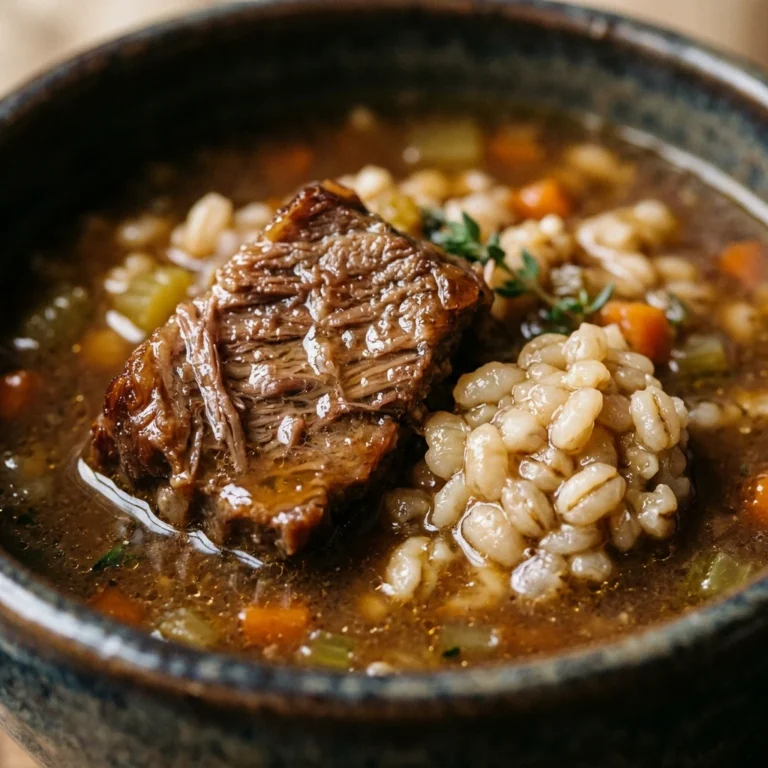
Carefully lift the bread out of the Dutch oven using the edges of the parchment paper. Transfer the loaf to a wire cooling rack immediately. This step is crucial to prevent the bottom of the bread from becoming soggy. Allow the bread to cool for at least 30 to 60 minutes before slicing. Cutting into hot bread releases the internal steam and can result in a gummy texture. Once cooled, slice the loaf into thick rounds and serve alongside a hot bowl of winter soup or stew.
Expert Tips for Perfect No-Knead Dutch Oven Winter Soup Bread Easy Cozy Artisan
For the best results, use a kitchen scale to measure your flour by weight rather than volume. If you must use cups, fluff the flour first and scoop it gently into the cup. Ensure your yeast is fresh; if the dough doesn’t bubble during the long rise, your yeast may be dead. The Dutch oven must be preheated thoroughly to get the best oven spring. If you want an even crunchier crust, try adding a few ice cubes to the bottom of the oven (not in the pot) right as you put the bread in to create extra steam.
Delicious Variations
- Rosemary and Garlic: Fold in 1 tablespoon of dried rosemary and 2 cloves of minced garlic during the initial mixing phase.
- Cheddar Jalapeño: Add 1 cup of shredded sharp cheddar and ¼ cup of diced pickled jalapeños to the flour before adding water.
- Everything Bagel: Generously sprinkle everything bagel seasoning over the top of the dough right before putting the lid on the Dutch oven.
- Honey Wheat: Replace 1 cup of all-purpose flour with whole wheat flour and add 1 tablespoon of honey to the warm water.
Frequently Asked Questions
Do I have to use a Dutch oven?
The Dutch oven is highly recommended because it traps steam, which is essential for the artisan crust. If you do not have one, you can use a heavy oven-safe pot with a tight-fitting lid, or place a pan of water on the rack below a regular baking sheet.
Can I use bread flour instead of all-purpose?
Yes! Bread flour has a higher protein content and will give the bread a slightly chewier, more structured texture, which many people prefer for artisan loaves.
What if my house is too cold for the dough to rise?
If your kitchen is chilly, the rise might take longer. You can place the bowl inside an unlit oven with the oven light turned on to create a slightly warmer environment.
Can I make the dough ahead of time and refrigerate it?
Absolutely. You can let the dough rise in the fridge for up to 3 days. This slow cold fermentation actually improves the flavor. Just let it sit at room temperature for an hour before baking.
Why is my bread flat?
Flat bread usually happens if the dough was handled too roughly after the long rise, or if the Dutch oven wasn’t hot enough. Handle the dough gently to keep the air bubbles intact.
Conclusion
Baking this No-Knead Dutch Oven Winter Soup Bread is a rewarding experience that requires very little effort for a huge payoff. It is the perfect companion for chilly evenings and cozy meals. Once you taste the difference between a homemade artisan loaf and store-bought bread, you will never want to go back. Grab your flour and yeast, and start your dough today so you can enjoy a warm, crusty slice tomorrow!


No-Knead Dutch Oven Winter Soup Bread Easy Cozy Artisan
- Total Time: 18 hours 45 minutes
- Diet: Vegetarian
Ingredients
Scale
- 3 cups (390g) All-purpose flour or bread flour
- 1 ½ cups Warm water (about 100F – 105F)
- 1 teaspoon Active dry yeast or instant yeast
- 1 ½ teaspoons Fine sea salt
- Extra flour for dusting
Instructions
- In a large mixing bowl, whisk together the flour, salt, and yeast until well combined. Pour the warm water into the center of the flour mixture. Use a sturdy wooden spoon or a spatula to stir the ingredients until a shaggy, sticky dough forms and no dry flour streaks remain. Cover the bowl tightly with plastic wrap or a damp kitchen towel. Let the dough rest at room temperature (about 70F) for 12 to 18 hours. During this time, the dough will double in size and become dotted with bubbles on the surface.
- Place your empty Dutch oven with the lid on inside the oven. Preheat the oven to 450F (230C) for at least 30 minutes to ensure the pot is scorching hot. While the oven preheats, turn the bubbly dough out onto a well-floured surface. Gently fold it over itself once or twice and shape it into a rough ball. Place the dough onto a piece of parchment paper. Carefully remove the hot Dutch oven from the oven, lift the parchment paper with the dough, and drop it into the pot. Cover with the lid and bake for 30 minutes. Remove the lid and bake for another 12 to 15 minutes until the crust is deep golden brown.
- Carefully lift the bread out of the Dutch oven using the edges of the parchment paper. Transfer the loaf to a wire cooling rack immediately. This step is crucial to prevent the bottom of the bread from becoming soggy. Allow the bread to cool for at least 30 to 60 minutes before slicing. Cutting into hot bread releases the internal steam and can result in a gummy texture. Once cooled, slice the loaf into thick rounds and serve alongside a hot bowl of winter soup or stew.
- Cook Time: 18 hours 45 minutes