Follow Me On Pinterest!


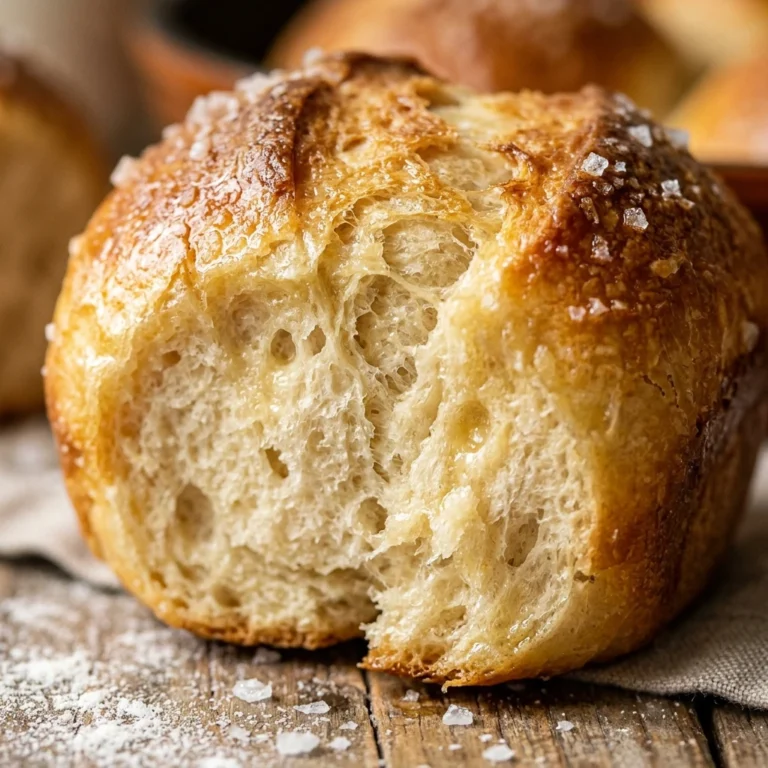
If you have ever felt the guilt of pouring perfectly good sourdough discard down the drain, this recipe is your new best friend. These No-Knead Dutch Oven Sourdough Discard Rolls are the ultimate solution for reducing waste while filling your home with the intoxicating aroma of fresh bread. By using a Dutch oven, you create a mini-steam chamber that results in rolls with a thin, crispy crust and a cloud-like interior. There is absolutely no heavy kneading required, making this the perfect project for busy weeknights or lazy Sunday mornings. Just mix, let the dough rest, and let the cast iron do the heavy lifting.
Recipe Information
- Prep Time: 15 minutes (plus 3-4 hours rising time)
- Cook Time: 25 minutes
- Total Time: 4 hours 40 minutes
- Servings: 12 rolls
- Difficulty: Easy
Nutrition values
- Calories: 185 kcal
- Protein: 5g
- Carbs: 34g
Why Make This No-Knead Dutch Oven Sourdough Discard Rolls Easy No Waste
This recipe is a game-changer for anyone who wants artisanal bread quality without the artisanal effort. First, it solves the “discard dilemma” by using a significant amount of leftover starter, adding a complex tang that plain yeast rolls lack. Second, the no-knead method relies on time rather than muscle to develop gluten, which means less mess on your counters. Finally, the Dutch oven technique ensures professional-level results every single time. The trapped steam keeps the rolls incredibly moist, ensuring they stay fresh longer than standard oven-baked buns.
Ingredients
- 1 cup (240g) sourdough discard (unfed, room temperature)
- 1 cup (240ml) warm water (about 105°F)
- 2 teaspoons (7g) active dry yeast
- 2 tablespoons (42g) honey or sugar
- 3 ½ cups (450g) all-purpose flour (or bread flour)
- 1 ½ teaspoons (9g) fine sea salt
- 3 tablespoons (42g) unsalted butter, melted
- Optional: Flaky sea salt for topping
Directions
Step 1: Mix the Dough
In a large mixing bowl, whisk together the warm water, honey, and active dry yeast. Let it sit for about 5 minutes until it becomes foamy. Stir in your sourdough discard and melted butter until well combined. Add the flour and salt, then use a sturdy spatula or dough whisk to mix until a shaggy, sticky ball forms and no dry flour remains. Do not overwork the dough; you just want everything incorporated.
Step 2: The First Rise
Cover the bowl with a damp kitchen towel or plastic wrap. Place it in a warm, draft-free spot. Let the dough rise for about 2 to 3 hours, or until it has doubled in size. The time will vary depending on the temperature of your kitchen. If your discard is particularly acidic, the dough might feel very soft, which is normal for this no-knead style.
Step 3: Shape the Rolls
Gently turn the dough out onto a lightly floured surface. Using a bench scraper or a knife, divide the dough into 12 equal portions. Gently tuck the edges of each piece under itself to form a smooth ball. Place the rolls into a parchment-lined Dutch oven or onto a piece of parchment paper that fits inside your pot. Space them slightly apart so they have room to expand.
Step 4: Final Proof and Preheating
Cover the rolls again and let them rise for another 45 to 60 minutes. While the rolls are proofing, place your empty Dutch oven (if you aren’t already proofing inside it) into the oven and preheat to 425°F (220°C). If you are proofing in the pot, simply preheat the oven and wait until the rolls look puffy and are touching each other.
Step 5: Baking to Perfection
Carefully place the lid on your Dutch oven and slide it into the oven. Bake for 15 minutes with the lid on to trap steam. After 15 minutes, remove the lid to reveal the pale rolls. Continue baking for another 10 to 12 minutes without the lid until the tops are golden brown. Remove the pot from the oven and carefully lift the rolls out using the parchment paper. Brush with extra butter if desired and let them cool slightly before serving.
Expert Tips for Perfect No-Knead Dutch Oven Sourdough Discard Rolls Easy No Waste
To get the best results, always use a kitchen scale to measure your ingredients in grams; sourdough discard can vary in density, and volume measurements are often inaccurate. Ensure your water is not too hot, as temperatures above 115°F can kill the yeast. If your kitchen is cold, you can proof the dough in an oven that is turned off with the light left on. For an extra shiny crust, brush the tops of the rolls with an egg wash right before they go into the oven. Lastly, do not skip the cooling process; bread continues to cook internally as it cools, preventing a gummy texture.

Delicious Variations
- Garlic and Herb: Add 1 tablespoon of dried Italian seasoning and 2 cloves of minced garlic to the dough during the initial mixing phase.
- Cheddar and Chive: Fold in 1/2 cup of shredded sharp cheddar cheese and 2 tablespoons of fresh chopped chives after the first rise.
- Everything Bagel: Brush the tops with butter before the final bake and sprinkle generously with everything bagel seasoning.
- Whole Wheat: Swap 1 cup of all-purpose flour for whole wheat flour for a heartier, nuttier flavor profile.
Frequently Asked Questions
Can I use discard straight from the fridge?
Yes, you can use cold discard, but it may slow down the rising process significantly. For the best and fastest results, let your discard sit on the counter for 30 minutes to take the chill off before mixing it with the warm water and yeast.
What if I don’t have a Dutch oven?
You can use a deep cake pan or a cast-iron skillet. To mimic the Dutch oven effect, place a shallow pan of water on the bottom rack of your oven to create steam during the first 15 minutes of baking.
How long do these rolls stay fresh?
These rolls are best enjoyed the day they are made. However, you can store them in an airtight container for up to 3 days. To revive the “just baked” texture, toast them or warm them in a 350°F oven for 5 minutes.
Can I make the dough ahead of time?
Absolutely. You can mix the dough and let it perform its first rise in the refrigerator overnight. The cold fermentation actually improves the sourdough flavor. Just let the dough come to room temperature before shaping.
Why did my rolls not rise?
The most common reasons are expired yeast or water that was too hot. Ensure your yeast is active by checking for foam in Step 1. Additionally, if your sourdough discard is very old and acidic, it can sometimes weaken the gluten, so make sure to use discard that is less than two weeks old.
Conclusion
Making No-Knead Dutch Oven Sourdough Discard Rolls is a rewarding way to embrace zero-waste baking without the stress of traditional bread making. These rolls are incredibly versatile, serving as the perfect side for Sunday roasts, a base for sliders, or a simple snack slathered in jam. By utilizing the magic of the Dutch oven and the unique flavor of your sourdough discard, you can create bakery-quality bread with minimal active effort. Give this recipe a try and watch how quickly these fluffy, golden rolls disappear from your table!


No-Knead Dutch Oven Sourdough Discard Rolls Easy No Waste
- Total Time: 4 hours 40 minutes
- Diet: Vegetarian
Ingredients
Scale
- 1 cup (240g) sourdough discard (unfed, room temperature)
- 1 cup (240ml) warm water (about 105°F)
- 2 teaspoons (7g) active dry yeast
- 2 tablespoons (42g) honey or sugar
- 3 ½ cups (450g) all-purpose flour (or bread flour)
- 1 ½ teaspoons (9g) fine sea salt
- 3 tablespoons (42g) unsalted butter, melted
- Optional: Flaky sea salt for topping
Instructions
- In a large mixing bowl, whisk together the warm water, honey, and active dry yeast. Let it sit for about 5 minutes until it becomes foamy. Stir in your sourdough discard and melted butter until well combined. Add the flour and salt, then use a sturdy spatula or dough whisk to mix until a shaggy, sticky ball forms and no dry flour remains. Do not overwork the dough; you just want everything incorporated.
- Cover the bowl with a damp kitchen towel or plastic wrap. Place it in a warm, draft-free spot. Let the dough rise for about 2 to 3 hours, or until it has doubled in size. The time will vary depending on the temperature of your kitchen. If your discard is particularly acidic, the dough might feel very soft, which is normal for this no-knead style.
- Gently turn the dough out onto a lightly floured surface. Using a bench scraper or a knife, divide the dough into 12 equal portions. Gently tuck the edges of each piece under itself to form a smooth ball. Place the rolls into a parchment-lined Dutch oven or onto a piece of parchment paper that fits inside your pot. Space them slightly apart so they have room to expand.
- Cover the rolls again and let them rise for another 45 to 60 minutes. While the rolls are proofing, place your empty Dutch oven (if you aren’t already proofing inside it) into the oven and preheat to 425°F (220°C). If you are proofing in the pot, simply preheat the oven and wait until the rolls look puffy and are touching each other.
- Carefully place the lid on your Dutch oven and slide it into the oven. Bake for 15 minutes with the lid on to trap steam. After 15 minutes, remove the lid to reveal the pale rolls. Continue baking for another 10 to 12 minutes without the lid until the tops are golden brown. Remove the pot from the oven and carefully lift the rolls out using the parchment paper. Brush with extra butter if desired and let them cool slightly before serving.
- Cook Time: 4 hours 40 minutes