Follow Me On Pinterest!


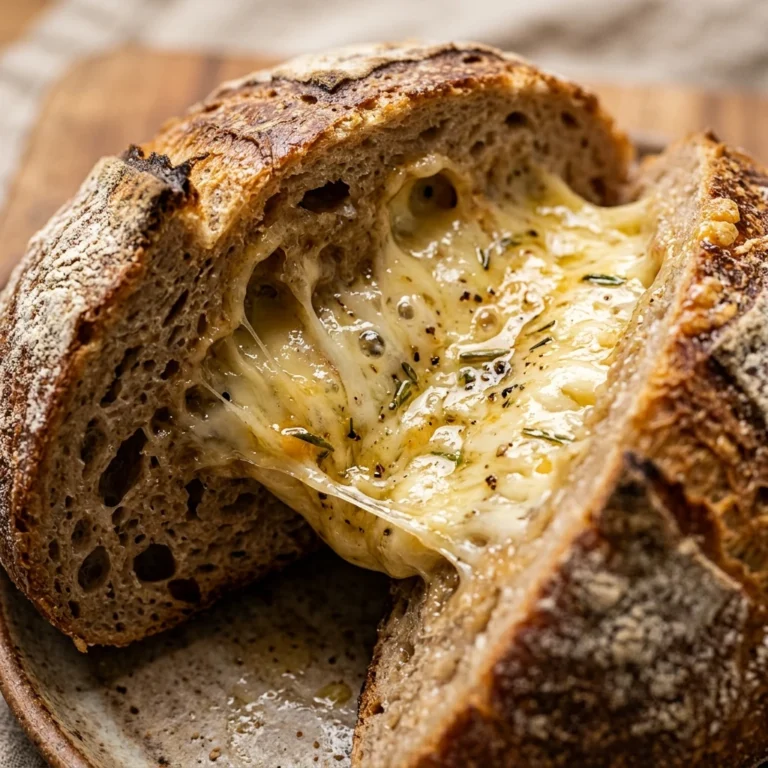
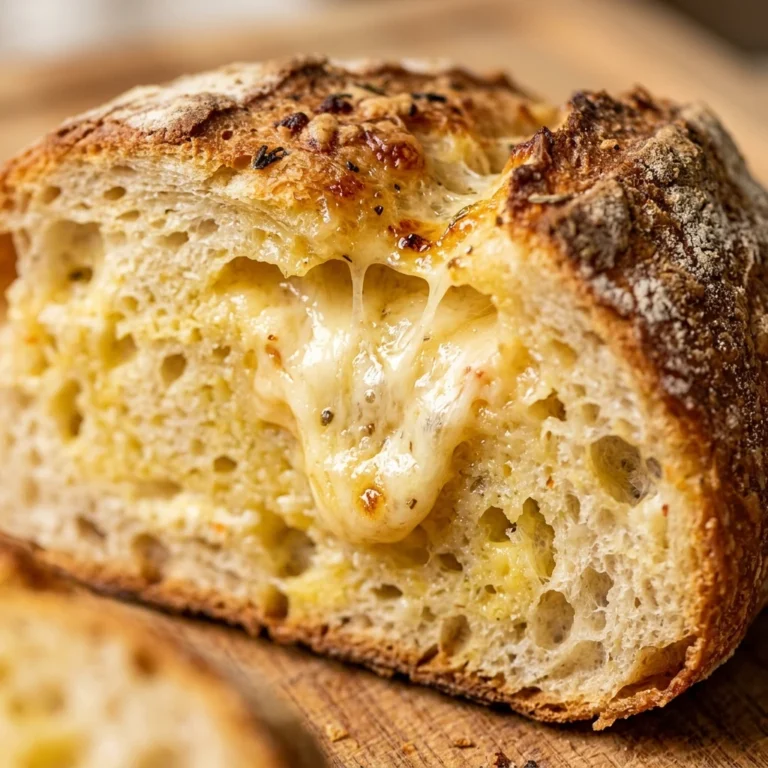
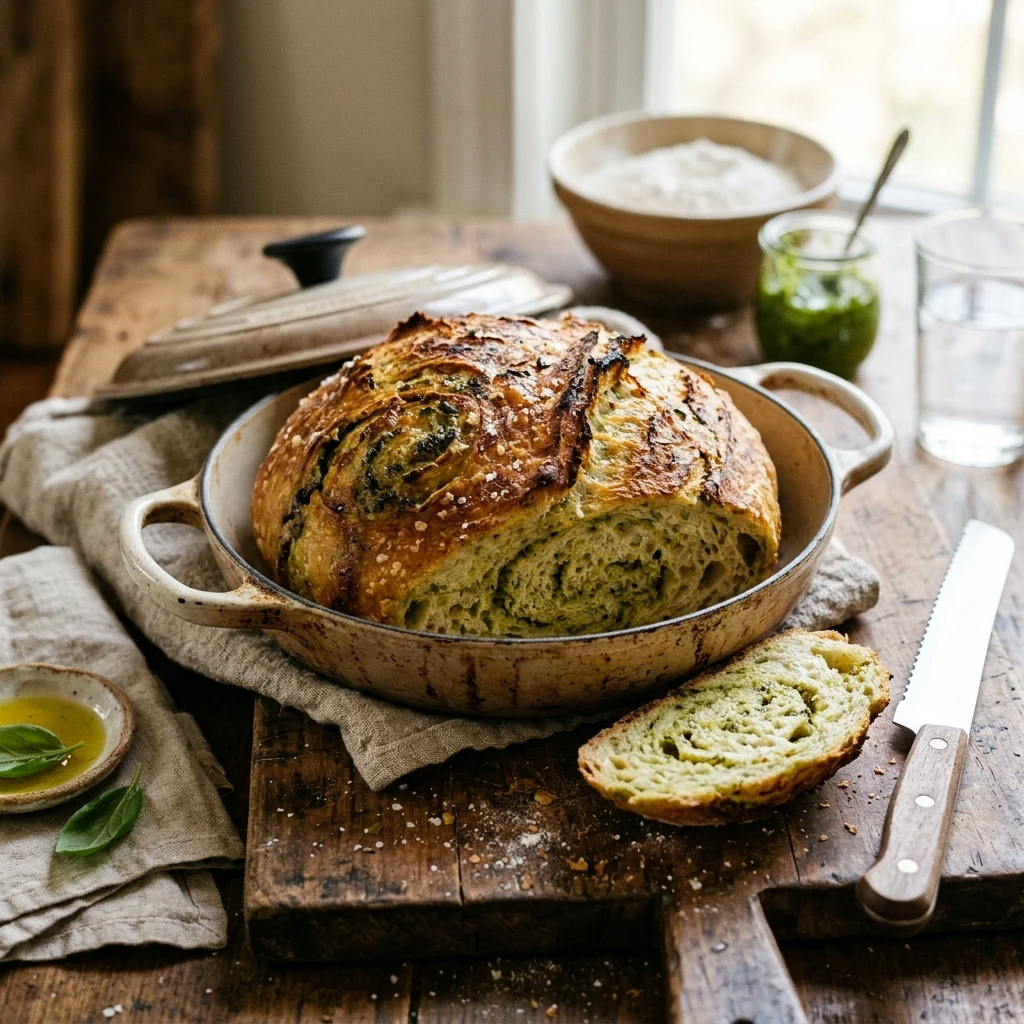
There is nothing quite like the smell of fresh bread wafting through your home, especially when it is infused with the aromatic scent of basil and garlic. If you have ever been intimidated by yeast or the thought of kneading dough for twenty minutes, this No-Knead Dutch Oven Pesto Bread is your new best friend. This recipe takes all the stress out of artisan baking, delivering a golden, crispy crust and a soft, airy crumb with beautiful swirls of savory pesto. It is the perfect beginner-friendly project that makes you look like a professional baker with almost zero physical effort.
Recipe Information
- Prep Time: 15 minutes (plus 12–18 hours rising time)
- Cook Time: 45 minutes
- Total Time: 19 hours
- Servings: 1 loaf (approx. 10 slices)
- Difficulty: Easy
Nutrition values
- Calories: 210 kcal per slice
- Protein: 6g per slice
- Carbs: 38g per slice
Why Make This No-Knead Dutch Oven Pesto Bread Easy Artisan Beginner
This recipe is a game-changer for anyone who loves high-quality bread but lacks the time or equipment for traditional techniques. Using a Dutch oven creates a steam-filled environment that mimics a professional deck oven, ensuring that perfect “crunch” when you bite into the crust. The no-knead method relies on time rather than muscle to develop gluten, resulting in a complex flavor and a beautiful texture. Adding pesto transforms a simple white loaf into a gourmet centerpiece that pairs perfectly with pasta, soups, or even just a bit of salted butter.
Ingredients
- 3 cups All-purpose flour or Bread flour (plus extra for dusting)
- 1 ½ cups Warm water (about 105°F)
- 1 teaspoon Active dry yeast or Instant yeast
- 1 ½ teaspoons Salt
- ⅓ cup High-quality basil pesto (store-bought or homemade)
- Optional: 1 tablespoon Cornmeal for the bottom of the pot
Directions
Step 1: Mixing the Dough
In a large mixing bowl, whisk together the flour, yeast, and salt. Pour in the warm water and use a sturdy spoon or a spatula to stir until a shaggy, sticky dough forms and no dry flour remains. Do not overmix; you just want the ingredients incorporated. The dough will look messy, and that is exactly what you want.
Step 2: The First Long Rise
Cover the bowl tightly with plastic wrap or a damp kitchen towel. Place the bowl in a warm, draft-free spot and let it sit for 12 to 18 hours. During this time, the dough will double in size and become very bubbly. This slow fermentation is the secret to the deep artisan flavor and the airy internal structure.
Step 3: Folding and Adding Pesto
Turn the bubbly dough out onto a well-floured surface. It will be sticky, so keep your hands floured. Gently stretch the dough into a rough rectangle. Spread the pesto evenly over the surface. Fold the edges of the dough toward the center, trapping the pesto inside and creating a marbled effect. Shape it into a rough ball and place it on a piece of parchment paper. Cover it with a towel and let it rest for another 30 to 60 minutes.
Step 4: Preheating the Dutch Oven
While the dough rests for its second rise, place your empty Dutch oven (with the lid) into the oven. Preheat the oven to 450°F (230°C). Letting the pot get screaming hot is essential for achieving that professional crust. Leave the pot in the oven for at least 30 minutes while it heats up.
Step 5: Baking the Bread
Carefully remove the hot Dutch oven from the oven. Lift the dough by the edges of the parchment paper and drop it (parchment and all) into the pot. Put the lid back on and bake for 30 minutes. The lid traps the moisture from the dough, creating steam. After 30 minutes, remove the lid and bake for an additional 12–15 minutes until the crust is a deep golden brown.
Step 6: Cooling
Lift the bread out of the Dutch oven and place it on a wire cooling rack. It is tempting to slice it immediately, but wait at least 30 minutes. The bread continues to cook inside as it cools, and cutting it too early can result in a gummy texture.
Expert Tips for Perfect No-Knead Dutch Oven Pesto Bread Easy Artisan Beginner
For the best results, use a kitchen scale to measure your flour; too much flour can make the bread dense. If you are using store-bought pesto, try to drain off any excess oil from the top of the jar so the dough doesn’t become too greasy. Ensure your yeast is fresh; if it doesn’t foam when mixed with a little warm water, it is likely dead. Finally, don’t be afraid of the high heat. A dark, bold crust provides the best flavor contrast to the herbal pesto filling.
Delicious Variations
Once you master the basic pesto loaf, try experimenting with different flavors. You can add a half-cup of shredded parmesan cheese during the folding step for a “Pesto Grilled Cheese” vibe. For a Mediterranean twist, add chopped sun-dried tomatoes and Kalamata olives along with the pesto. If you prefer a bit of heat, mix some crushed red pepper flakes into the dough during the initial mixing phase. You can also swap basil pesto for a red pepper pesto or even a wild garlic pesto in the spring.
Frequently Asked Questions
Can I use whole wheat flour for this recipe?
Yes, you can substitute up to 50% of the white flour with whole wheat flour. Note that the bread will be denser and may require an extra tablespoon or two of water, as whole wheat flour absorbs more liquid.
What if I don’t have a Dutch oven?
You can use a heavy ceramic pot with a lid or even a Pyrex glass casserole dish with a lid. The key is having a heavy container that can withstand 450°F and has a tight-sealing lid to trap steam.
How do I store this bread?
Store the bread at room temperature in a paper bag for up to two days to maintain the crust. If you store it in plastic, the crust will soften. For longer storage, slice the bread and freeze it in a zip-top bag for up to three months.
Can I make this in a shorter amount of time?
If you are in a rush, you can increase the yeast to 2 teaspoons and let the dough rise in a very warm spot for 3–4 hours. However, the flavor will not be as developed as the 12–18 hour version.
Why did my pesto swirl disappear?
The pesto often gets absorbed into the dough or settles into the air pockets. To get a more distinct swirl, avoid over-folding the dough once you add the pesto. Just a few folds are enough to trap the flavor without fully integrating it.
Conclusion
This No-Knead Dutch Oven Pesto Bread proves that you don’t need years of experience to bake incredible artisan bread at home. With just a few basic ingredients and a little bit of patience, you can create a loaf that looks and tastes like it came from an expensive bakery. Whether you serve it alongside a hearty lasagna or use it to make the ultimate turkey sandwich, this recipe is sure to become a staple in your kitchen. Happy baking!

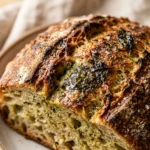
No-Knead Dutch Oven Pesto Bread Easy Artisan Beginner
- Total Time: 19 hours
- Diet: Vegetarian
Ingredients
Scale
- 3 cups All-purpose flour or Bread flour (plus extra for dusting)
- 1 ½ cups Warm water (about 105°F)
- 1 teaspoon Active dry yeast or Instant yeast
- 1 ½ teaspoons Salt
- ⅓ cup High-quality basil pesto (store-bought or homemade)
- Optional: 1 tablespoon Cornmeal for the bottom of the pot
Instructions
- In a large mixing bowl, whisk together the flour, yeast, and salt. Pour in the warm water and use a sturdy spoon or a spatula to stir until a shaggy, sticky dough forms and no dry flour remains. Do not overmix; you just want the ingredients incorporated. The dough will look messy, and that is exactly what you want.
- Cover the bowl tightly with plastic wrap or a damp kitchen towel. Place the bowl in a warm, draft-free spot and let it sit for 12 to 18 hours. During this time, the dough will double in size and become very bubbly. This slow fermentation is the secret to the deep artisan flavor and the airy internal structure.
- Turn the bubbly dough out onto a well-floured surface. It will be sticky, so keep your hands floured. Gently stretch the dough into a rough rectangle. Spread the pesto evenly over the surface. Fold the edges of the dough toward the center, trapping the pesto inside and creating a marbled effect. Shape it into a rough ball and place it on a piece of parchment paper. Cover it with a towel and let it rest for another 30 to 60 minutes.
- While the dough rests for its second rise, place your empty Dutch oven (with the lid) into the oven. Preheat the oven to 450°F (230°C). Letting the pot get screaming hot is essential for achieving that professional crust. Leave the pot in the oven for at least 30 minutes while it heats up.
- Carefully remove the hot Dutch oven from the oven. Lift the dough by the edges of the parchment paper and drop it (parchment and all) into the pot. Put the lid back on and bake for 30 minutes. The lid traps the moisture from the dough, creating steam. After 30 minutes, remove the lid and bake for an additional 12–15 minutes until the crust is a deep golden brown.
- Lift the bread out of the Dutch oven and place it on a wire cooling rack. It is tempting to slice it immediately, but wait at least 30 minutes. The bread continues to cook inside as it cools, and cutting it too early can result in a gummy texture.
- Cook Time: 19 hours