Follow Me On Pinterest!



Vegan Potato Salad: A Creamy Delight for Every Occasion
Introduction
As the summer sun begins to warm the days and the scent of grilled veggies wafts through the air, I can’t help but think of family gatherings filled with laughter, love, and, of course, food. One dish that always makes an appearance at our picnics is potato salad. I remember the first time I tried a vegan version at a friend’s barbecue. It was a warm afternoon, the kind where the sun casts a golden glow on everything it touches, and as I took my first bite, I was transported to a world of creamy delight. The tanginess of the mustard, the crunch of the celery, and the fresh notes of dill danced together in perfect harmony.
That day, I knew I had to recreate this dish in my own kitchen. I wanted to capture that same joyous experience, but I also wanted to make it my own. This vegan potato salad quickly became a staple at my gatherings, not just for its delightful taste, but for the memories it sparked as friends and family took their first bites. When I see their smiles and hear the compliments, I’m reminded that food has a unique power to bring people together. Now, whether we’re hosting a weekend barbecue or enjoying a simple picnic in the park, this creamy and flavorful potato salad is always on the menu. It’s not just a side dish; it’s a celebration of flavors and memories.
Why This Recipe Works
Creating the perfect vegan potato salad is all about balance and technique. The cooking method plays a crucial role—boiling the potatoes until they are fork-tender ensures they hold together without becoming mushy. This is essential for that delightful texture that distinguishes a great potato salad from an average one.
When preparing your dressing, combining vegan mayonnaise with Dijon mustard and apple cider vinegar introduces a rich creaminess paired with a tangy zing that enhances the potatoes and veggies. The Dijon mustard not only adds depth to the flavor profile but also brings a subtle kick that elevates each bite.
The fresh dill is the star of the show, giving the salad a refreshing herby note that balances perfectly with the creaminess of the dressing. Adding in crunchy celery and vibrant red bell peppers not only contributes to the overall flavor but also ensures a satisfying crunch with every forkful.
By allowing the salad to chill in the refrigerator for at least 30 minutes, you give the flavors time to meld, making each bite even more delicious when you serve it. This simple yet effective approach guarantees a vegan potato salad that remains flavorful and satisfying, making it a reliable choice for any occasion.
What Makes It Special
What sets this vegan potato salad apart from typical store-bought or restaurant versions is its freshness and the ability to customize it to your taste. Here are a few unique qualities that make this recipe shine:
– Homemade Flavor: Unlike pre-packaged salads, this recipe allows you to control the ingredients, ensuring no additives or preservatives. The creamy texture and fresh ingredients create a taste that can only come from your kitchen.
– Vegan-Friendly: Many potato salads rely on traditional mayonnaise, which is off-limits for those following a plant-based diet. This recipe swaps in vegan mayonnaise, making it a delicious option for everyone, including those avoiding animal products.
– Versatile Ingredients: While the base recipe is fantastic as is, it offers numerous opportunities for customization. Try adding chopped pickles for an extra tang, or toss in some chickpeas for added protein. Each variation can create a new experience, so you can make it your own each time.
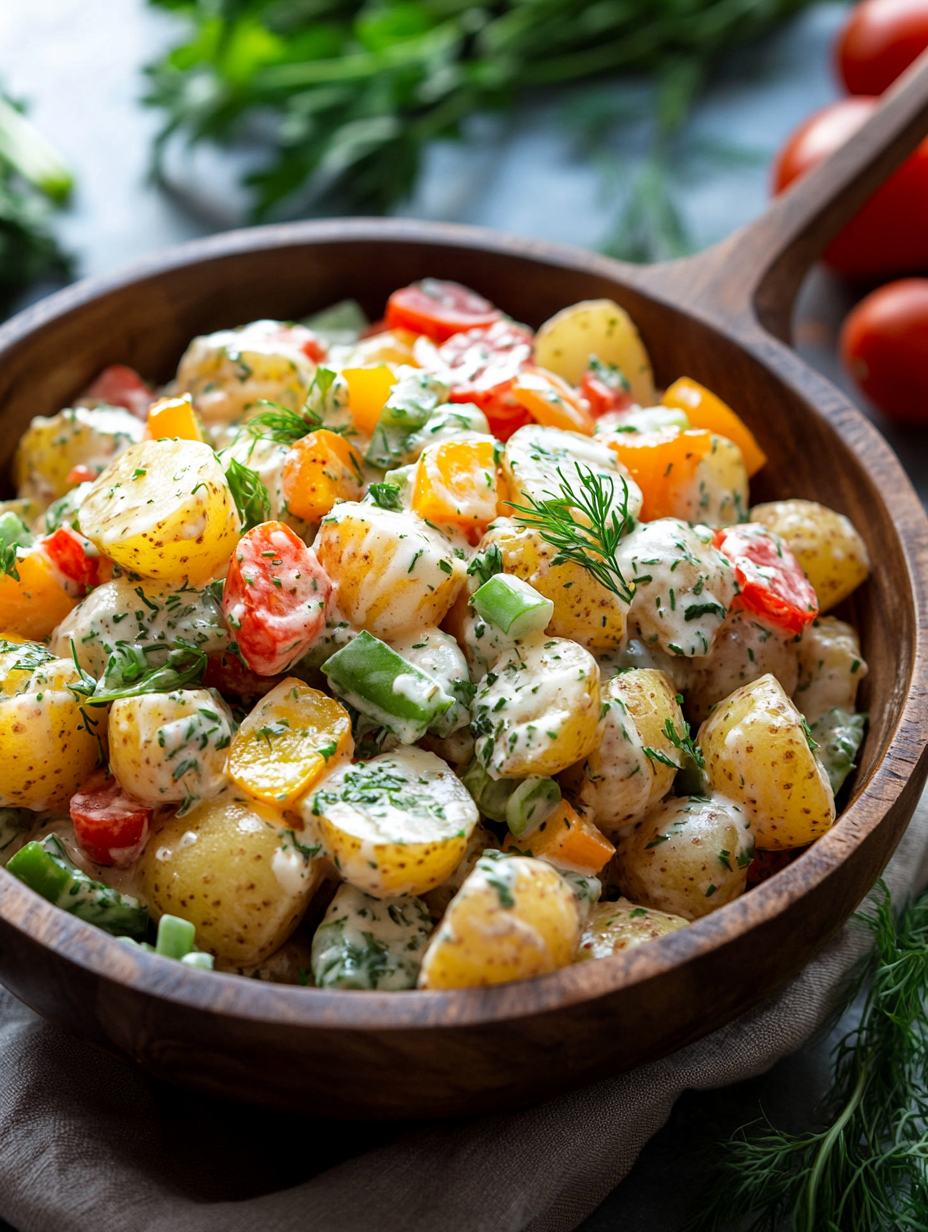
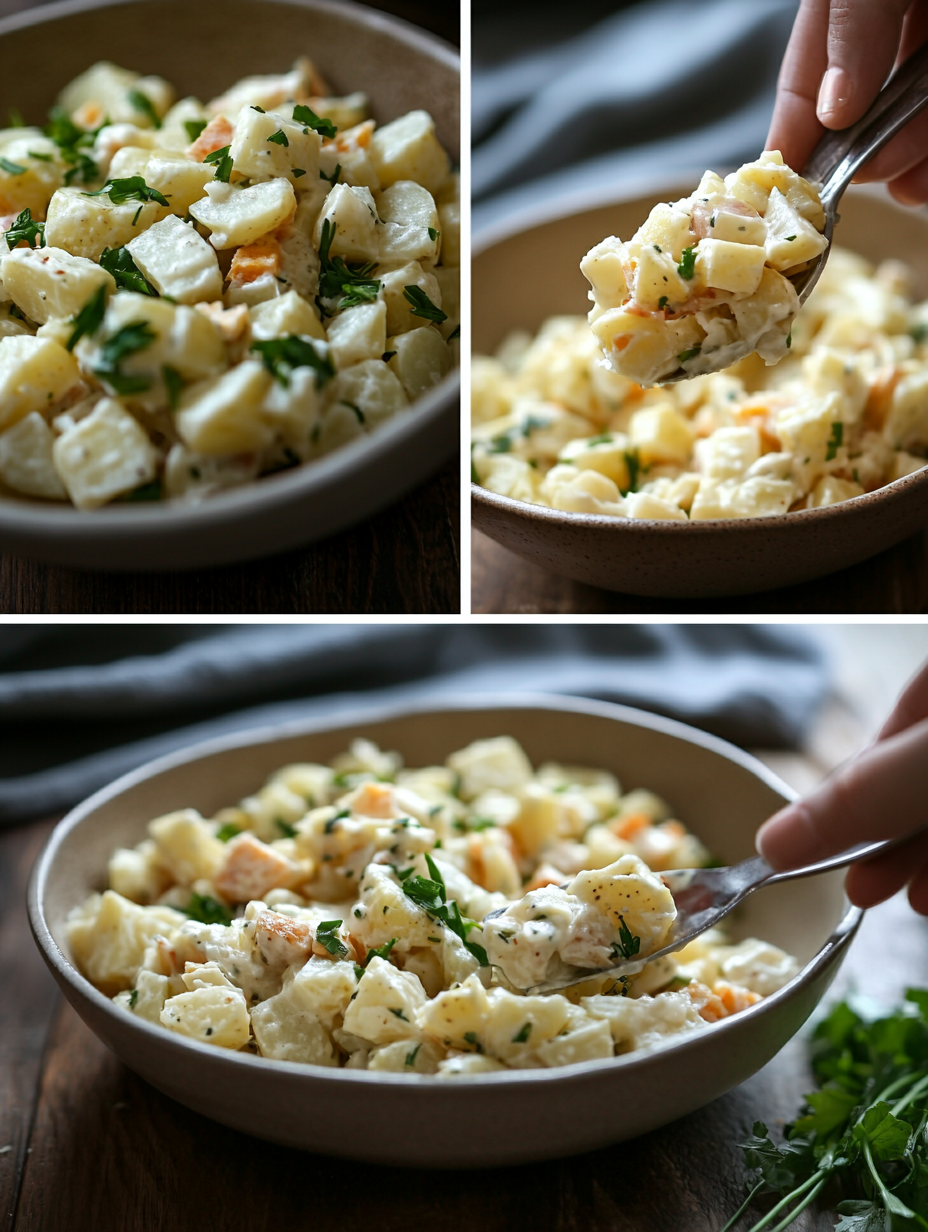
– Colorful Presentation: The vibrant hues of the red bell pepper, fresh green dill, and creamy potatoes make for a visually appealing dish. It’s not just about taste—this salad looks stunning on any picnic table or dinner spread, beckoning guests to dig in.
Ingredient Breakdown
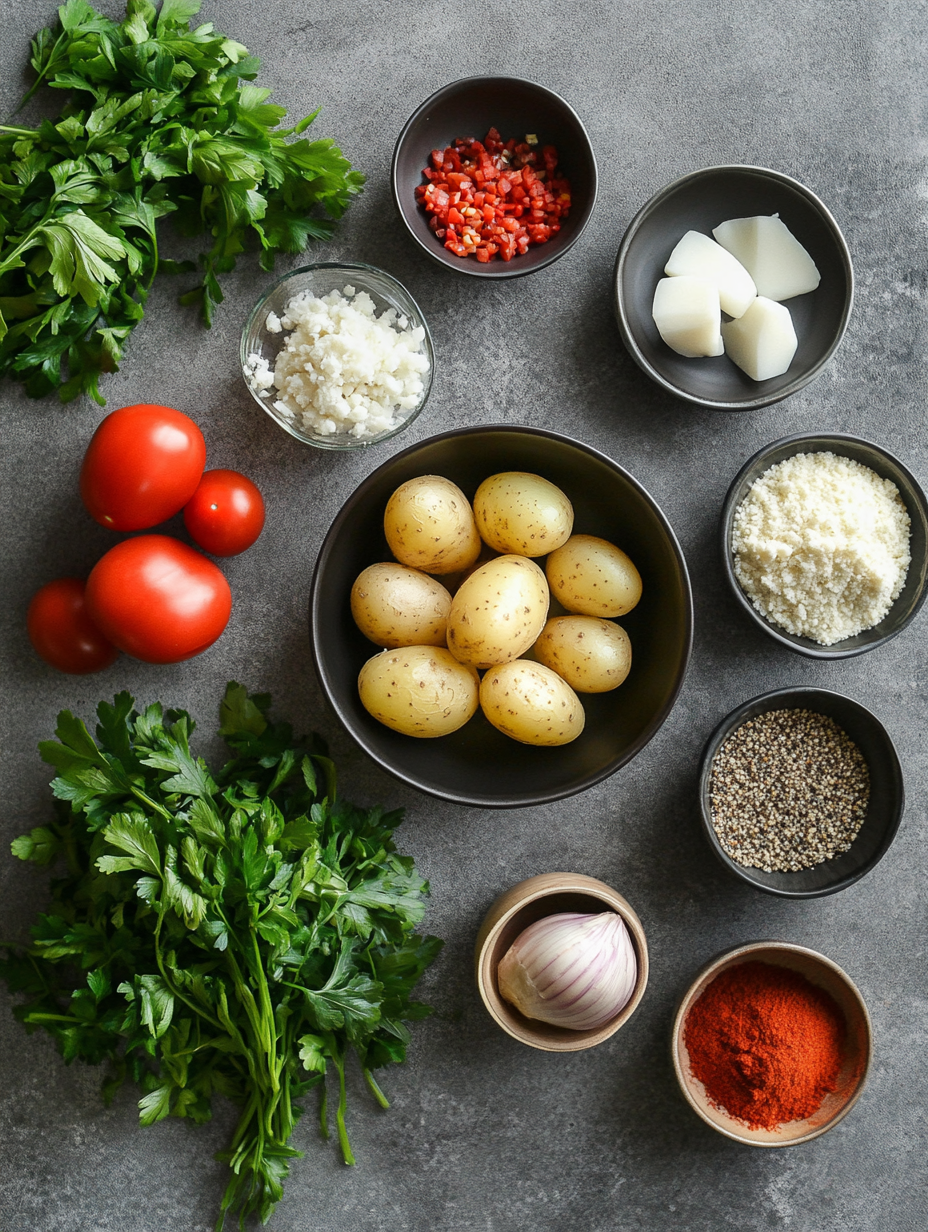
Every ingredient in this vegan potato salad serves a distinct purpose, contributing to the overall flavor and texture of the dish. Let’s dive into each one:
– Potatoes: The backbone of the salad! Medium-sized potatoes, like Yukon Gold or red potatoes, provide a creamy texture when cooked properly. They also hold their shape well, preventing the salad from becoming a mushy mess. If you’re looking for a lower-carb option, you can substitute half the potatoes with cauliflower for a lighter version.
– Vegan Mayonnaise: This is the key to achieving that creamy goodness without using traditional mayo. Look for brands that are free of artificial ingredients. If you want to make your own, you can blend soaked cashews with nutritional yeast, lemon juice, and a bit of plant-based milk for a homemade alternative.
– Dijon Mustard: It adds a tangy note that elevates the salad. If you prefer a milder flavor, you can use yellow mustard. For those who enjoy a bit of heat, consider spicy brown mustard.
– Apple Cider Vinegar: This ingredient brings a lovely acidity that balances the richness of the mayonnaise. You can swap it for white wine vinegar or lemon juice if you prefer a different flavor profile.
– Celery: With its crisp texture and refreshing taste, celery adds a nice crunch. If you’re not a fan, feel free to replace it with chopped cucumbers or green onions for a different crunch.
– Red Bell Pepper: This colorful addition not only enhances the visual appeal but also contributes sweetness and crunch. If you’re looking for a spicier kick, consider adding a finely chopped jalapeño instead.
– Red Onion: Offering a sharp flavor that contrasts nicely with the creaminess, red onion also provides a pop of color. If you find red onions too pungent, soaking them in cold water for about 10 minutes can mellow their flavor.
– Fresh Dill: This herb is what ties everything together, providing a fresh aroma and flavor. If you don’t have dill on hand, fresh parsley or chives can work as substitutes, though the flavor will change slightly.
– Salt and Black Pepper: Essential seasonings that enhance all the flavors. Always taste and adjust seasoning to your preference, as the amount needed can vary based on your ingredients and personal tastes.
Equipment Needed
To create your perfect vegan potato salad, you’ll need a few essential tools in your kitchen. Here’s a quick rundown:
– Large Pot: For boiling your potatoes. A heavy-bottomed pot is ideal for even cooking. If you don’t have one, a standard stock pot will work just fine.
– Colander: Used for draining the cooked potatoes. If you don’t have a colander, a slotted spoon can also help, but it’s not as efficient.
– Mixing Bowl: A large mixing bowl is vital for combining all the ingredients. If space is tight, you can use any large bowl you have on hand.
– Cutting Board and Knife: For chopping your veggies. A sharp knife makes the job easier and safer, so ensure your knife is well-maintained.
– Measuring Cups and Spoons: For precise measurements of your ingredients. If you don’t have measuring tools, you can estimate; just remember that consistency in measurements ensures reliable results.
– Rubber Spatula: Ideal for gently folding the potatoes into the dressing without mashing them. If you don’t have one, a wooden spoon can also work, but be gentle.
With these tools at your disposal, you’ll be well-equipped to whip up a delicious vegan potato salad that will delight your friends and family!
Step-by-Step Instructions
1. Boil the Potatoes
– WHAT: Start with your potatoes, which will form the base of the salad.
– HOW: Fill a large pot with water and bring it to a boil over high heat. Once boiling, add your cubed potatoes.
– LOOK/SMELL/HEAR: As the potatoes hit the water, you should hear a gentle bubbling. The water will froth slightly as the starch begins to release. Look for the potatoes to become tender—when you can easily pierce them with a fork, they’re ready.
2. Cool the Potatoes
– WHAT: After boiling, it’s time to let the potatoes cool to avoid wilting the fresh veggies.
– HOW: Drain the potatoes in a colander and let them rest for a few minutes. You can even rinse them under cold water to speed up the cooling process.
– LOOK/SMELL/HEAR: You’ll see steam rising if you rinse them. A gentle, cool breeze will carry the potato scent, but you want to ensure the potatoes don’t remain too hot when added to the dressing.
3. Prepare the Dressing
– WHAT: The dressing is crucial for adding creaminess and flavor to the potato salad.
– HOW: In a large mixing bowl, whisk together vegan mayonnaise, Dijon mustard, apple cider vinegar, salt, and black pepper until smooth.
– LOOK/SMELL/HEAR: As you whisk, you should see the ingredients blend into a creamy consistency. The tangy aroma of the vinegar will waft through the air, hinting at the flavor explosion to come.
4. Combine Ingredients
– WHAT: Now it’s time to bring everything together, creating a harmonious blend of flavors.
– HOW: Add the cooled potatoes, celery, red bell pepper, red onion, and fresh dill to the bowl containing the dressing.
– LOOK/SMELL/HEAR: Look for a colorful medley of ingredients. As you fold gently, you should hear the crunch of the celery and bell pepper, indicating freshness.
5. Mix It Up
– WHAT: It’s essential to ensure every potato piece gets a good coating of the dressing.
– HOW: Gently fold the ingredients together with a spatula until the potatoes are well coated. Be careful not to mash the potatoes; you want them intact.
– LOOK/SMELL/HEAR: You’ll see the dressing transform the potatoes into a creamy delight. The fresh aroma of dill should start to fill the kitchen, signaling it’s almost time to dig in.
6. Taste and Refrigerate
– WHAT: A final taste test ensures your salad has the right balance of flavors.
– HOW: Taste a spoonful and adjust the seasoning, adding more salt or pepper if desired. Then, cover and refrigerate for at least 30 minutes.
– LOOK/SMELL/HEAR: In the fridge, you’ll hear the faint sound of the lid sealing. After waiting, you should be able to smell the mingling flavors, making it harder to resist serving time.
Chef’s Note: For a creamy consistency, ensure your vegan mayonnaise is fresh and of high quality. It makes a world of difference!
Pro Tips for the Best Results
1. Choose the Right Potatoes: Opt for waxy potatoes like Yukon Gold or red potatoes, as they hold their shape better and provide a creamy texture. Avoid starchy potatoes like Russets, which can become mushy.
2. Don’t Overcook the Potatoes: Keep a close eye on your cooking time to avoid mushiness. The potatoes should be fork-tender but not falling apart. A good rule of thumb is to start checking them after 12 minutes.
3. Chill for Flavor Development: Allowing the potato salad to chill for at least 30 minutes enhances flavor absorption. This step allows the ingredients to meld together, creating a more cohesive taste.
4. Customize Your Veggies: Feel free to play around with the vegetables. Substituting or adding ingredients like green onions, peas, or corn can introduce new textures and flavors.
5. Experiment with Herbs: While dill is a classic choice, consider adding other fresh herbs like chives or parsley for a different twist. Fresh herbs brighten the dish and add depth.
6. Make Ahead: This salad can be made a day in advance. The flavors only get better with time, making it an excellent choice for potlucks or barbecues.
7. Taste as You Go: Always taste and adjust seasonings to your preference. The beauty of cooking is making it your own, so don’t hesitate to tweak the recipe!
8. Presentation Matters: Garnish with fresh herbs or a sprinkle of paprika for a pop of color. A visually appealing dish always elevates the dining experience.
Common Mistakes to Avoid
1. Overcooking the Potatoes: Overcooked potatoes can turn mushy and ruin the texture of your salad. Always test them with a fork and remove them from boiling water as soon as they are tender.
2. Skipping the Cooling Step: Adding hot potatoes directly to the dressing can cause the mayo to thin out and lose its creaminess. Let the potatoes cool to room temperature before mixing.
3. Ignoring Seasoning Adjustments: Not tasting your salad before serving can lead to bland results. The right balance of salt and acidity is key to a delicious dish, so always taste and adjust.
4. Using Low-Quality Vegan Mayo: A subpar vegan mayonnaise can significantly impact the flavor of your salad. Invest in a high-quality mayo that you love for the best results.
5. Not Allowing for Chilling Time: Serving the salad immediately can result in a less flavorful dish. Always allow it to chill for at least 30 minutes to let the flavors develop and unify.
6. Omitting Fresh Ingredients: Fresh herbs and vegetables add vital texture and flavor. Skipping these can leave your salad flat and unexciting.
7. Using Starchy Potatoes: Starchy varieties of potatoes can disintegrate and make the salad mushy. Stick with waxy potatoes for a firmer, creamier texture.
Creative Variations
1. Seasonal Potato Salad: Incorporate seasonal vegetables like asparagus in spring, corn in summer, or roasted sweet potatoes in fall. Each season brings a new flavor profile and freshness that keeps the dish exciting.
2. Dietary-Friendly Options: For a low-carb version, swap out the potatoes for cauliflower. Steam and mash cauliflower until creamy, then mix with the dressing and other ingredients for a delightful alternative.
3. Gourmet Elevated: Upgrade your potato salad by adding truffle oil or avocado. Incorporate roasted garlic for a deeper flavor, and finish with a sprinkle of fleur de sel for a gourmet touch.
4. Quick 15-Minute Salad: For a speedy version, use pre-cooked frozen potatoes or baby potatoes that don’t require peeling or chopping. Microwave them until warm, then combine with the dressing and veggies for a last-minute dish.
5. Kid-Friendly Version: Make the salad more appealing to children by adding sweet peas and carrot sticks. You can also use fun-shaped pasta instead of potatoes for a playful twist.
6. International Twist: Try adding curry powder or smoked paprika to the dressing for a unique flavor. Incorporate chickpeas for protein and texture, creating a Mediterranean-style salad that’s sure to impress.
7. Tex-Mex Potato Salad: Add black beans, corn, diced jalapeños, and cilantro to create a zesty salad. Substitute lime juice for the apple cider vinegar and a dollop of salsa for flavor.
8. Mediterranean Delight: Toss in diced olives, feta cheese, and sun-dried tomatoes for a salad bursting with Mediterranean flavors. Use lemon juice instead of vinegar for a fresh zing.
With these tips, tricks, and variations, your vegan potato salad will not only be a delightful addition to any meal but also a versatile dish that can be tailored to various tastes and occasions!
Serving Ideas
When it comes to serving your vegan potato salad, presentation can elevate the dish from simple to stunning. Here are a few plating ideas to inspire you:
1. Classic Bowl: Serve the potato salad in a large, shallow bowl. Garnish the top with a sprinkle of fresh dill and a few slices of red bell pepper for a pop of color.
2. Individual Cups: For a fun twist, portion the potato salad into small cups or mason jars. This not only looks cute but makes for easy serving at picnics or gatherings.
3. Lettuce Wraps: For a refreshing serving option, spoon the potato salad into crisp lettuce leaves. This adds a crunchy texture and makes for a low-carb alternative.
4. Buffet Style: If you’re hosting a barbecue, place the potato salad on a buffet table with a variety of other sides. Use a label to highlight its vegan nature, ensuring all your guests know it’s plant-based.
5. Garnished Platter: Arrange the potato salad on a platter surrounded by fresh veggies like carrot sticks and cucumber slices. This not only adds color but encourages guests to enjoy the salad as part of a veggie dip experience.
What to Serve With
Your vegan potato salad is versatile and pairs wonderfully with a variety of dishes. Here are some excellent options to consider:
1. Grilled Vegetables: The charred flavor from grilled veggies complements the creamy texture of potato salad perfectly, enhancing the overall dining experience.
2. Veggie Burgers: Whether homemade or store-bought, veggie burgers provide a hearty main dish that works harmoniously with the lightness of the potato salad.
3. Pasta Salad: A cold pasta salad with fresh vegetables can create a colorful spread and add a variety of flavors and textures to your meal.
4. Baked Beans: The sweetness of baked beans contrasts delightful with the tangy notes in your potato salad, making for a comforting, hearty pairing.
5. Coleslaw: A crunchy coleslaw adds a refreshing bite that balances the creaminess of the potato salad, making for a classic picnic combination.
6. Corn on the Cob: Easy to prepare and loved by many, corn on the cob is a summer staple that rounds out the meal beautifully.
Storage Guide
To keep your vegan potato salad fresh and delicious, proper storage is key. Here’s how to store it effectively:
– Container Type: Use an airtight container to minimize exposure to air, which can cause the salad to spoil faster. Glass or BPA-free plastic containers work well.
– Temperature: Store your potato salad in the refrigerator at a temperature between 34°F and 40°F (1°C to 4°C).
– Shelf Life: When stored properly, your potato salad will last about 3 to 5 days in the fridge. Make sure to consume it within this timeframe for the best flavor and texture.
– Signs of Spoilage: Check for any off smells, discoloration, or a slimy texture. If you notice any of these signs, it’s best to err on the side of caution and discard the salad.
– Refreshing Tips: If your potato salad seems a bit dry after a few days, try adding a splash of vegan mayo or a squeeze of lemon juice to refresh its creamy texture.
Freezing Tips
While vegan potato salad is best enjoyed fresh, you might be wondering about freezing it. Here are some tips:
– Freezing Viability: Potato salad can be frozen, but it may change in texture once thawed. The potatoes might become a bit grainy, and the creaminess could diminish.
– Portioning: Divide the salad into individual portions before freezing. This allows for easier thawing and prevents waste.
– Freezing Duration: Ideally, consume frozen potato salad within 2 to 3 months for the best quality.
– Thawing Method: When you’re ready to enjoy your frozen potato salad, transfer it to the refrigerator to thaw overnight. Alternatively, you can let it sit at room temperature for about 2-3 hours, but be sure to consume it right away after thawing.
Reheating Guide
While your vegan potato salad is typically served cold, there may be times you want to reheat it. Here’s how to do it properly:
– Microwave: Transfer a portion of the potato salad to a microwave-safe dish. Heat it on medium power for 30 seconds at a time, stirring in between, until warmed through. Avoid overheating, as this can alter the texture.
– Oven: Preheat your oven to 350°F (175°C). Spread the potato salad in an oven-safe dish, cover it with foil to retain moisture, and heat for about 15-20 minutes, checking occasionally.
– Stovetop: Place the potato salad in a skillet over low heat. Stir frequently, and add a splash of vegetable broth or water to prevent it from drying out. Heat until warmed through, about 5-7 minutes.
Nutrition Overview
A serving of this vegan potato salad is not only delicious but also packed with nutrition. Here’s a quick breakdown:
– Calories: Approximately 220 calories per serving.
– Macros: Each serving contains roughly 8g of protein, 12g of fat, and 28g of carbohydrates.
– Health Benefits:
– Potatoes are a great source of potassium, vitamin C, and B vitamins, which support overall health.
– Celery adds hydration and is low in calories, making it great for weight management.
– Dill is rich in antioxidants and may aid digestion, adding not just flavor but health benefits as well.
Frequently Asked Questions
Q: Can I make this potato salad ahead of time?
A: Absolutely! This vegan potato salad can be made up to 2 days in advance. Just store it in an airtight container in the refrigerator, and it will develop even more flavor.
Q: Is there a substitute for vegan mayonnaise?
A: Yes! You can use blended silken tofu or avocado as a creamy base. Both options will provide a rich texture and health benefits without the added oils found in vegan mayo.
Q: Can I add other veggies?
A: Definitely! Feel free to customize your potato salad with other vegetables like cucumbers, peas, or even pickles for a tangy twist. Just be sure to finely chop them for even distribution.
Q: What type of potatoes are best for potato salad?
A: Yukon Gold or red potatoes work best due to their creamy texture and ability to hold their shape after boiling. Avoid starchy varieties like Russets, which can become mushy.
Q: Can I make this salad gluten-free?
A: Yes, this recipe is naturally gluten-free. Just check the labels of your ingredients, particularly the vegan mayonnaise, to ensure no gluten-containing additives are included.
Q: How can I make this salad spicier?
A: To add a spicy kick, consider mixing in diced jalapeños or a dash of cayenne pepper. You can also incorporate some hot sauce for an extra flavor boost!
Q: What can I use instead of fresh dill?
A: If you don’t have fresh dill, dried dill can be used as a substitute. However, use about 1/3 the amount since dried herbs are more concentrated.
Q: Can I serve this warm?
A: While traditionally served cold, feel free to warm it up if that’s your preference. Just follow the reheating instructions to maintain its creamy texture.
Final Thoughts
Your vegan potato salad is more than just a side dish; it’s a versatile, crowd-pleasing staple that can brighten any gathering. For the best results, always taste and adjust seasonings to your liking, ensuring every bite is just right. Remember, the longer it sits, the more the flavors meld, so don’t hesitate to prepare it a day ahead. Dive in, enjoy the creamy goodness, and share the joy of plant-based eating with your friends and family.