Follow Me On Pinterest!



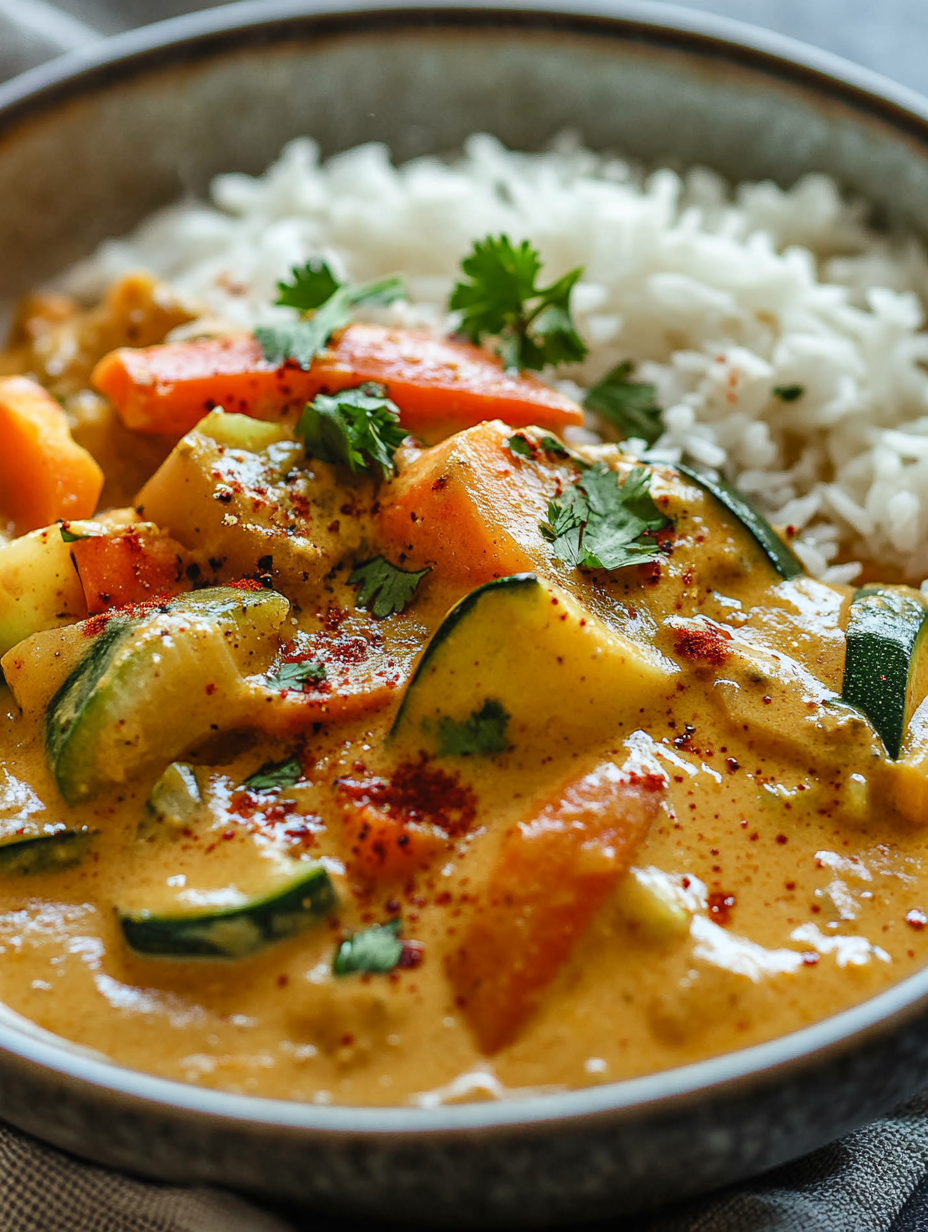
Vegan Coconut Curry: A Taste of Comfort in Every Bite
Introduction
There’s something undeniably comforting about a warm bowl of curry that wraps around you like a soft blanket on a chilly evening. I still remember the first time I stumbled upon a vegan coconut curry at a small, vibrant café nestled in a bustling part of town. The aroma of spices wafted through the air, teasing my senses and luring me inside. As I took my first bite, the creamy coconut milk mingled effortlessly with the vibrant spices, delivering an explosion of flavor that danced on my palate.
From then on, I was hooked. This dish became my go-to for cozy nights and gatherings with friends, where laughter and stories mingled with the delicious scent of simmering curry. The best part? It’s incredibly versatile! You can add whatever vegetables you have on hand, ensuring every pot is a little different, just like the memories created around the table.
As a busy professional, this vegan coconut curry also became a staple in my meal prep routine. It’s quick, easy, and requires minimal effort—perfect for those weeknights when you want something nourishing without spending hours in the kitchen. Each time I make it, I’m flooded with nostalgia, reminded of that first unforgettable experience. Whether served over steamed rice, alongside crusty bread, or simply enjoyed on its own, this curry has a way of making any meal feel special.
Why This Recipe Works
This vegan coconut curry recipe thrives on a harmonious balance of flavors and textures, making it an instant classic. At its core, the coconut milk serves as the silky, rich base that elevates all the other ingredients. This creamy liquid not only adds depth but also helps to mellow the spices, creating a luscious sauce that clings beautifully to every vegetable.
The curry powder is the star of the show, infusing the dish with warmth and a complex depth of flavor. With its blend of spices like turmeric, cumin, and coriander, each spoonful is an adventure for your taste buds. Heating the curry powder before adding the coconut milk allows the spices to bloom, releasing their essential oils and enhancing their flavors.
In terms of technique, this recipe is incredibly forgiving. You can easily swap in your favorite vegetables or whatever you have in your fridge, making it a flexible choice for any season. The addition of spinach at the end brings a vibrant green hue and a nutritional boost, while the lime juice adds a refreshing brightness that cuts through the richness of the coconut milk.
What truly makes this dish reliable is its simplicity. With just a handful of ingredients and steps, you can create a comforting, satisfying meal that’s sure to become a staple in your kitchen. Plus, it’s a one-pot wonder, minimizing cleanup and maximizing flavor!
What Makes It Special
While many restaurant versions of coconut curry can be overly rich or laden with hidden calories, this homemade vegan coconut curry stands out for several reasons.
– Healthier Ingredients: By using fresh vegetables and coconut milk, you can control the quality of your ingredients. This recipe is packed with nutrients, making it a wholesome choice for a comforting meal.
– Customizable: Unlike store-bought or restaurant curries, you have the freedom to personalize this dish. Want to add chickpeas for protein or toss in some bell peppers for extra crunch? Go for it! This versatility means you can cater it to your taste or dietary restrictions.
– Freshness: The vibrant flavors of fresh garlic, ginger, and onion elevate this dish beyond pre-packaged options. You’ll notice the difference in taste when you sauté these aromatics, creating a fragrant base that sets the stage for a beautiful curry.
– Simplicity: This recipe is straightforward and requires minimal cooking techniques. It’s designed for those who may be new to cooking or are short on time, allowing anyone to create a delicious meal without feeling overwhelmed.
Ingredient Breakdown
1. Coconut Oil: This oil not only adds a subtle coconut flavor but also helps achieve that silky texture in the curry. If you’re not a fan of coconut oil, you can substitute it with olive oil or vegetable oil, though you might lose some of that signature richness.
2. Onion: A staple in many dishes, onion forms the aromatic base of this curry. It brings sweetness and depth, providing a balance to the spices. You can use red, yellow, or even shallots, depending on what you have on hand.
3. Garlic: Fresh garlic adds a punch of flavor and aroma. It’s essential for that savory depth. If you’re short on fresh garlic, garlic powder can be a substitute, though fresh is always best.
4. Ginger: Known for its warming properties, ginger adds a zesty kick that beautifully complements the other flavors. If fresh ginger isn’t available, you can use ground ginger, but fresh is preferred for its bright taste.
5. Curry Powder: This blend of spices is the heart of the recipe. It typically includes turmeric, cumin, coriander, and sometimes chili powder. Feel free to experiment with your favorite curry blend or even make your own!
6. Coconut Milk: The star of the show, coconut milk provides creaminess and a hint of sweetness. For a lighter option, you can use light coconut milk or even almond milk, but keep in mind that it may alter the final flavor.
7. Mixed Vegetables: This is where you can get creative! Use whatever you have—carrots, peas, zucchini, or broccoli work beautifully. Frozen vegetables can also be a quick and convenient option.
8. Spinach: Packed with nutrients, spinach adds a pop of color and a touch of earthiness. If you don’t have spinach, kale or Swiss chard can be excellent substitutes.
9. Soy Sauce: This adds a touch of umami and saltiness to the dish. For a gluten-free version, opt for tamari or coconut aminos.
10. Lime Juice: A squeeze of lime juice brightens the dish, balancing the richness of the coconut milk. If you don’t have lime, lemon juice can be used as an alternative.
11. Salt and Black Pepper: Essential for seasoning, these two ingredients enhance all the flavors in your curry. Adjust the quantities to suit your taste!
With this ingredient breakdown, you can easily swap in and out based on your preferences or dietary needs, making this vegan coconut curry a truly adaptable recipe.
Equipment Needed
To whip up this comforting vegan coconut curry, you’ll need a few basic kitchen tools.
– Large Pot or Dutch Oven: A sturdy pot is essential for even cooking and to allow enough space for all the ingredients to meld together. If you don’t have a Dutch oven, any large pot will work just as well.
– Cutting Board and Sharp Knife: Having a good cutting board and knife is crucial for chopping your vegetables efficiently. A sharp knife makes prep work quicker and safer.
– Measuring Cups and Spoons: Accurate measurements are key to ensuring balanced flavors in your curry. If you enjoy cooking, investing in a set of measuring cups and spoons can be a great addition to your kitchen.
– Wooden Spoon or Spatula: For stirring, a wooden spoon or silicone spatula is ideal as it won’t scratch your pot and allows you to scrape every delicious bit from the bottom.
– Can Opener: If you’re using canned coconut milk, a can opener is a must-have tool to make your life easier.
If you’re looking for affordable alternatives, many of these utensils can be found at local kitchen supply stores or even discount retailers. With just these few tools, you’ll be well on your way to creating a delicious and satisfying vegan coconut curry that warms the soul!
Step-by-Step Instructions
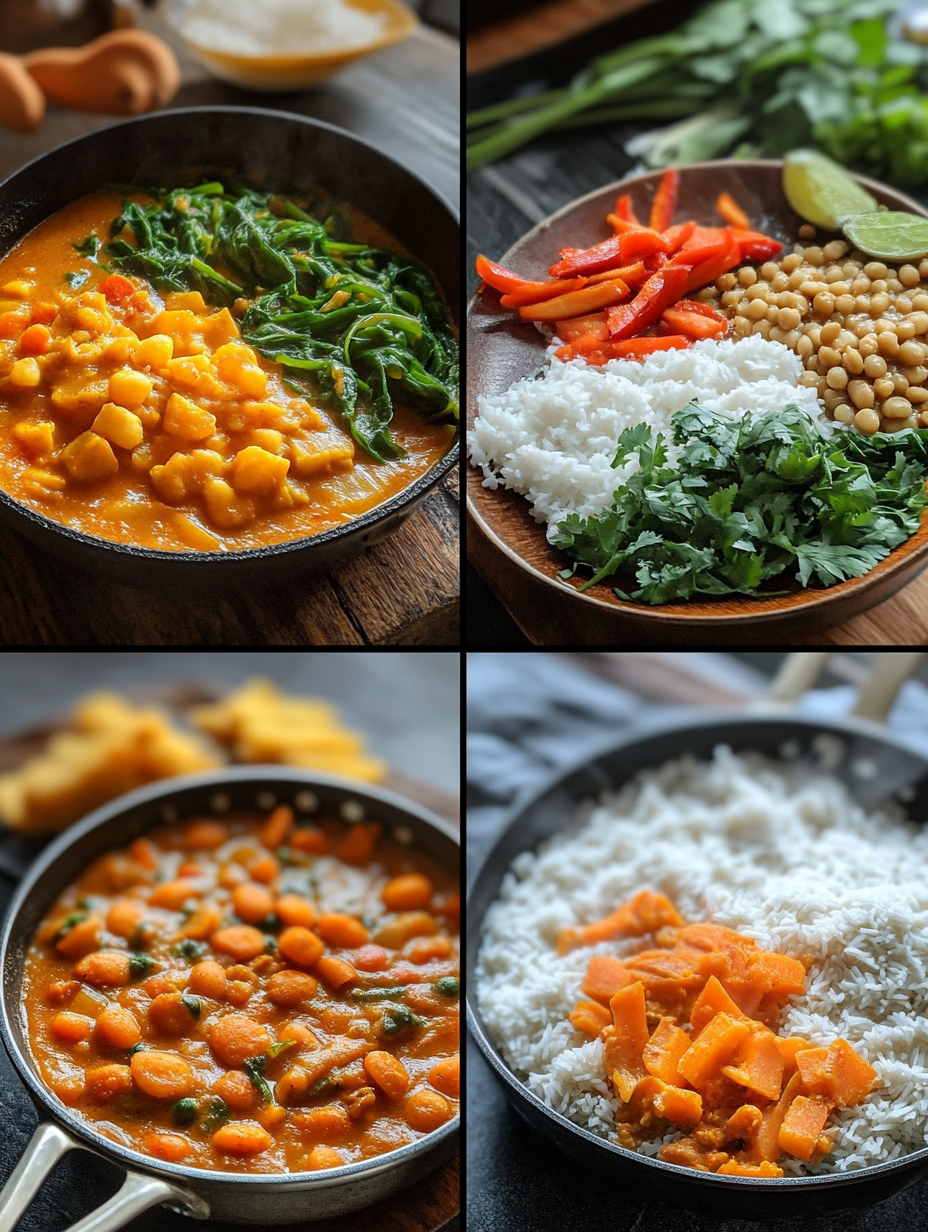
1. Heat the Coconut Oil
Start by placing a large pot over medium heat and adding 1 tablespoon of coconut oil. As the oil begins to melt, you’ll notice a subtle sweetness wafting through your kitchen. Listen for a gentle sizzle as you continue to heat it. This oil will be the foundation of our curry, providing a rich flavor that complements the spices.
2. Sauté the Onion
Once the oil is hot, add 1 medium diced onion. Sauté this for about 3 minutes, or until it’s translucent. You want to see the onions becoming soft and shiny. The smell will be sweet and inviting, hinting at the delicious meal ahead. Make sure to stir occasionally to prevent any sticking.
3. Add Garlic and Ginger
Next, stir in 3 minced garlic cloves and 1 inch of grated ginger. Cook this mixture for an additional minute. You’ll notice an aromatic explosion, with the garlic’s pungency mingling beautifully with the warm, spicy notes of the ginger. Keep an eye out for a lightly golden color—that’s when you know it’s ready!
4. Incorporate the Curry Powder
Now it’s time to sprinkle in 1 tablespoon of curry powder. Stir it to coat the onions, garlic, and ginger thoroughly. Let the spices toast for about 30 seconds. You should hear a slight crackle as they release their essential oils. This step is vital, as it intensifies the flavors, ensuring a robust curry base.
5. Pour in the Coconut Milk
Carefully add 1 can of coconut milk to the pot. Watch for the dramatic change in color as the white liquid combines with the caramelized base. Stir well and bring it to a gentle simmer. You’ll notice a creamy texture forming, alongside the heady aroma of coconut mixing with the spices.
6. Add Mixed Vegetables
Introduce 2 cups of mixed vegetables to the pot. This can be anything from bell peppers to zucchini. Allow them to simmer for about 10 minutes until they’re tender. You’ll hear a soft bubbling, which indicates that the vegetables are infusing their flavors into the curry. Keep tasting to ensure they reach the perfect texture.
7. Finish with Spinach and Seasoning
Finally, stir in 2 cups of spinach, along with 1 tablespoon of soy sauce, 1 teaspoon of lime juice, 1 teaspoon of salt, and 0.5 teaspoon of black pepper. Cook for an additional 2 minutes, just until the spinach wilts. The vibrant green of the spinach against the curry’s rich backdrop is stunning, and the smell will be utterly irresistible!
Chef’s Note: Always taste your curry before serving to adjust salt or spice levels to your preference. A squeeze of lime can brighten the entire dish!
Pro Tips for the Best Results
1. Fresh Spices: Use fresh curry powder for the best flavor. If your spices have been sitting in the pantry for a while, consider replacing them. Fresh spices have a more potent aroma and flavor.
2. Customize Your Veggies: Feel free to use whatever vegetables you have on hand. Carrots, peas, and cauliflower work wonderfully, just ensure they are cut into uniform sizes for even cooking.
3. Add Heat: If you enjoy a bit of spice, consider adding chopped fresh chili or a dash of cayenne pepper when you add the curry powder. This will give your curry a nice kick.
4. Coconut Milk Consistency: Use full-fat coconut milk for a creamier texture. If you prefer a lighter version, you can use light coconut milk, but the creaminess will be reduced.
5. Thickening Your Curry: If you prefer a thicker sauce, allow the curry to simmer uncovered for a few additional minutes or add a tablespoon of cornstarch mixed with water to thicken it up.
6. Meal Prep Friendliness: This curry stores beautifully. Make it ahead of time and let the flavors develop. Simply reheat before serving, adding a splash of coconut milk to maintain creaminess.
7. Serving Suggestions: Serve your coconut curry over steamed rice or with naan bread to soak up the luscious sauce. Fresh cilantro as a garnish adds a nice touch.
Common Mistakes to Avoid
1. Overcooking the Vegetables: Cooking them too long can lead to mushy vegetables. Aim for a tender but still crisp texture. Add them at the right time to maintain their integrity.
2. Not Toasting the Spices: Skipping the step of toasting the curry powder can lead to a flat flavor. Don’t rush this step; allow the spices to bloom to achieve a more robust taste.
3. Using Low-Quality Coconut Milk: Avoid using coconut milk that contains additives or preservatives. They can alter the flavor and texture. Choose organic for the best results.
4. Neglecting Seasoning: Always taste your dish before serving! Under-seasoning can lead to a bland curry. Adjust salt and acidity with lime juice for a balanced flavor.
5. Using Cold Ingredients: Adding cold coconut milk or vegetables can shock the pot and slow down cooking. Let them come to room temperature before incorporating them.
6. Skipping the Taste Test: Not tasting your curry during cooking means you might miss the chance to adjust flavors. Frequent tasting is essential for perfecting your dish.
Creative Variations
1. Seasonal Vegetable Curry: Embrace the seasons by using vegetables that are currently in season. Spring might feature asparagus and peas, while fall can include squash and sweet potatoes. This keeps your curry fresh and vibrant year-round.
2. Dietary-Friendly Version: For a gluten-free option, simply use tamari instead of soy sauce. You can also make it nut-free by ensuring your coconut milk is free of cross-contamination. Check labels for hidden allergens.
3. Gourmet Elevated: Elevate your coconut curry by adding mushrooms, such as shiitake or oyster, for an umami kick. Finish the dish with a drizzle of truffle oil or a sprinkle of toasted sesame seeds for added depth.
4. Quick 15-Minute Curry: For a speedy meal, use pre-cooked frozen vegetables and coconut cream. Skip the sautéing step and simply combine all ingredients in a pot over medium heat until warm for a quick, satisfying dinner.
5. Kid-Friendly Version: Make this curry appealing to kids by omitting strong spices and using milder vegetables like sweet corn and carrots. You can also serve it with a side of rice shaped into fun molds or curry pasta instead of rice.
6. International Twist: Give your curry a Thai twist by adding lemongrass and Thai basil. You can also serve it over quinoa instead of rice, allowing for a delicious fusion of flavors.
7. Protein Boost: Add chickpeas or lentils for extra protein. They not only enhance the nutritional profile but also add heartiness to the dish. Adjust cooking time as needed for dried legumes.
Serving Ideas
When it comes to serving your Vegan Coconut Curry, presentation can elevate your dish from good to spectacular. Here are some delightful plating ideas to consider:
1. Rice Base: Serve the curry over a fluffy bed of jasmine rice or brown rice. The grains will soak up the rich sauce, making every bite delicious.
2. Naan Bread: Pair your curry with warm, soft naan bread. This allows you to scoop up the curry and adds a delightful texture contrast.
3. Garnish with Fresh Herbs: Top your curry with a sprinkle of fresh cilantro or basil for a burst of color and freshness.
4. Lime Wedges: Place a few lime wedges on the side for a zesty touch. A squeeze of lime right before eating can brighten the flavors beautifully.
5. Chili Flakes or Sriracha: If you enjoy heat, add a dash of chili flakes or a swirl of Sriracha for an extra kick.
Portion sizes for this recipe serve about 4, making it ideal for a cozy family dinner or a gathering with friends. Enjoy your vibrant curry not just for its flavors, but also its eye-catching colors!
What to Serve With
Your Vegan Coconut Curry is a versatile dish that pairs well with several complementary sides:
1. Steamed Jasmine Rice: The subtle sweetness of jasmine rice balances the curry’s rich flavors, creating a comforting meal.
2. Quinoa: Offering a protein boost, quinoa is a great alternative to rice. Its nutty flavor and chewy texture enhance the overall dish.
3. Roasted Vegetables: Serve alongside roasted cauliflower or sweet potatoes. The caramelization adds depth and complements the curry beautifully.
4. Simple Cucumber Salad: A refreshing cucumber salad dressed with a light vinaigrette can cut through the richness of the curry, providing a refreshing contrast.
5. Chickpea Salad: A protein-rich chickpea salad adds an extra layer of nourishment and texture to your meal.
6. Poppadoms: These crispy Indian wafers are perfect for dipping into the curry. Their crunchiness adds a fun twist to your dining experience.
Each of these sides not only enhances the meal but also brings out the flavors of the curry, making your dinner a complete culinary delight.
Storage Guide
To keep your Vegan Coconut Curry fresh for later enjoyment, proper storage is essential. Use an air-tight container to avoid any contamination and maintain flavor.
– Temperature: Ensure the curry is cooled down to room temperature before sealing it in the container. Store it in the refrigerator at or below 40°F (4°C).
– Shelf Life: When stored properly, your curry will keep well for 3-5 days.
– Signs It’s Gone Bad: Look out for any unusual odors, discolored vegetables, or separation in the sauce. If it smells off or has an unusual texture, it’s best to discard it.
To refresh your curry before serving, simply reheat it on the stovetop with a splash of water or coconut milk to restore its creamy consistency.
Freezing Tips
Yes, your Vegan Coconut Curry freezes exceptionally well! Here are some helpful tips for storing it in the freezer:
– Portion the curry into individual servings using freezer-safe containers or ziplock bags. This makes it easy to defrost just what you need.
– Label each container with the date to keep track of freshness.
– It can be frozen for up to 3 months without losing its flavor or texture.
When you’re ready to enjoy it again, simply thaw the curry overnight in the refrigerator or use the microwave’s defrost function.
Reheating Guide
Reheating your Vegan Coconut Curry is a breeze, and you have a few methods to choose from:
1. Microwave: Place the desired portion in a microwave-safe bowl. Cover it with a lid or microwave-safe wrap, and heat on medium for about 2-3 minutes, stirring halfway through to ensure even heating.
2. Oven: Preheat your oven to 350°F (175°C). Transfer the curry to a baking dish, cover with foil, and heat for about 20-25 minutes or until warmed through.
3. Stovetop: Pour the curry into a pot over medium heat. Stir occasionally for about 5-10 minutes until it’s heated thoroughly. You may want to add a splash of water or coconut milk to help restore its creamy consistency.
No matter which method you choose, be sure to enjoy the wonderful aroma of your curry coming back to life!
Nutrition Overview
Each serving of your Vegan Coconut Curry brings not just flavor but also a nourishing profile:
– Calories: Approximately 350 calories per serving.
– Macros: Each serving contains about 20g of carbohydrates, 15g of fat, and 5g of protein.
Key health benefits come from ingredients like:
– Coconut Milk: Rich in medium-chain triglycerides (MCTs), it can boost metabolism and provide a quick energy source.
– Spinach: A powerhouse of iron and vitamins A and C, it supports immune function and overall health.
– Mixed Vegetables: Packed with fiber and essential nutrients, they help with digestion and provide a range of antioxidants.
This curry is not only a treat for your taste buds but also a nourishing option for your body!
Frequently Asked Questions
Q: Can I use different vegetables in the curry?
A: Absolutely! You can substitute any vegetables you have on hand, such as bell peppers, carrots, or zucchini. Just make sure to adjust the cooking time based on how long each vegetable takes to become tender.
Q: Is this curry gluten-free?
A: Yes, this recipe is naturally gluten-free as long as you use gluten-free soy sauce or simply replace it with tamari.
Q: How can I make it spicier?
A: If you love heat, consider adding a diced chili pepper when you sauté the onions or a teaspoon of cayenne pepper to the curry. You can also top it with chili flakes before serving.
Q: Can I make this curry ahead of time?
A: Yes! This curry actually tastes better the next day as the flavors have more time to meld. Just store it in the fridge and reheat before serving.
Q: Is there a substitute for coconut milk?
A: If you prefer a lower-fat option, you can use almond milk or soy milk, but the texture and flavor will differ. Coconut milk gives a rich creaminess that’s hard to replicate.
Q: Can I add protein to the curry?
A: Definitely! You can add tofu, chickpeas, or even lentils for an extra protein boost. Just add them in with the vegetables to ensure they cook through.
Q: How do I thicken the curry?
A: If you prefer a thicker curry, you can let it simmer for a few extra minutes or mix in a cornstarch slurry (1 tablespoon of cornstarch with 2 tablespoons of water) and stir until thickened.
Q: How do I store leftovers?
A: Store your leftovers in an air-tight container in the fridge for 3-5 days. For longer storage, freeze individual portions as described earlier.
Final Thoughts
Your Vegan Coconut Curry is not just a meal; it’s a warm hug in a bowl, perfect for any day of the week. A key tip is to make extra and freeze portions for busy nights when you crave something comforting but don’t have the time to cook.
Embrace the vibrant flavors and health benefits of this dish, and don’t hesitate to experiment with different vegetables or spices to make it your own. Dive into the rich, creamy goodness, and share it with loved ones for a delightful meal experience! Enjoy every spoonful!