Follow Me On Pinterest!


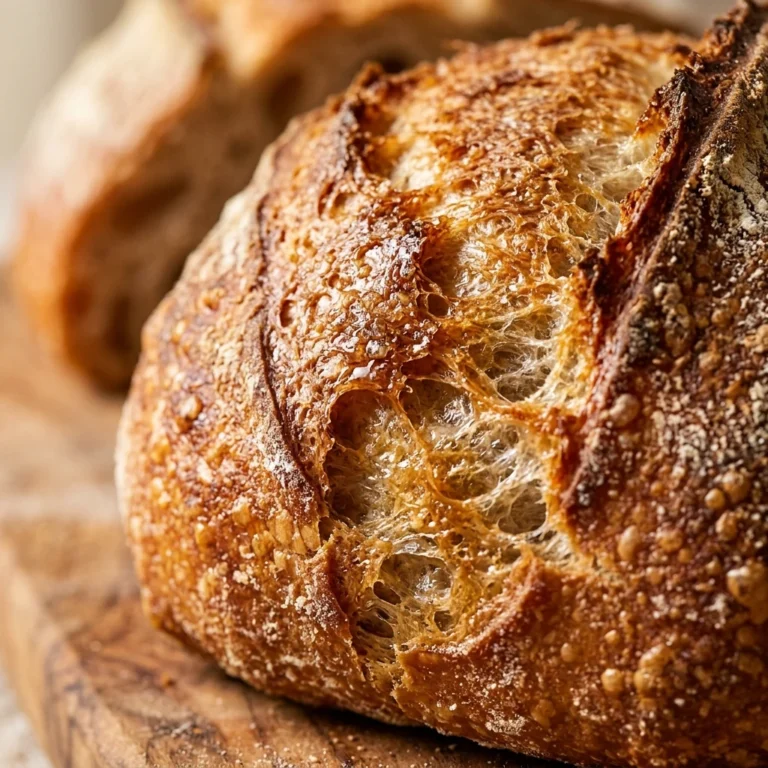
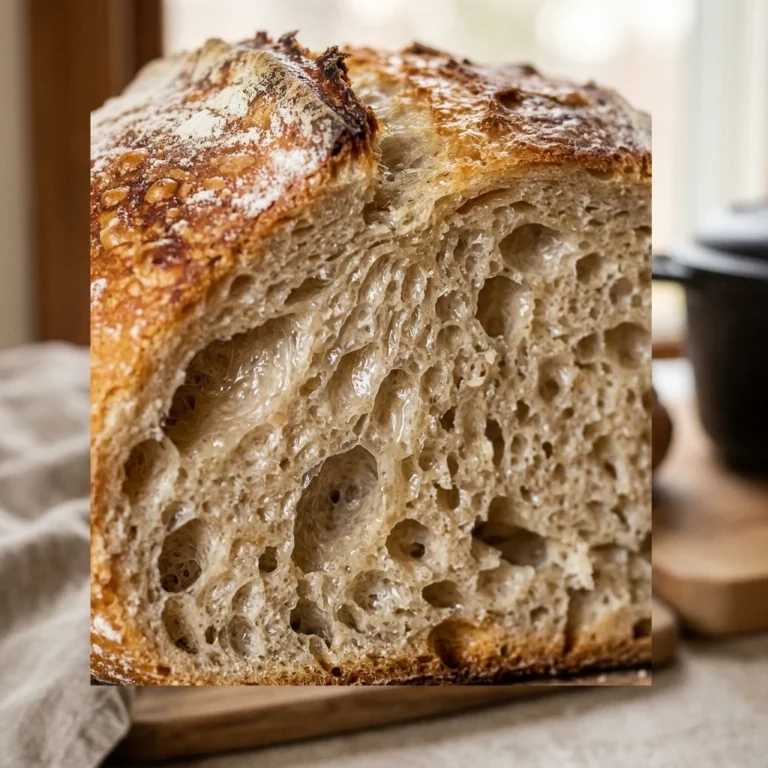
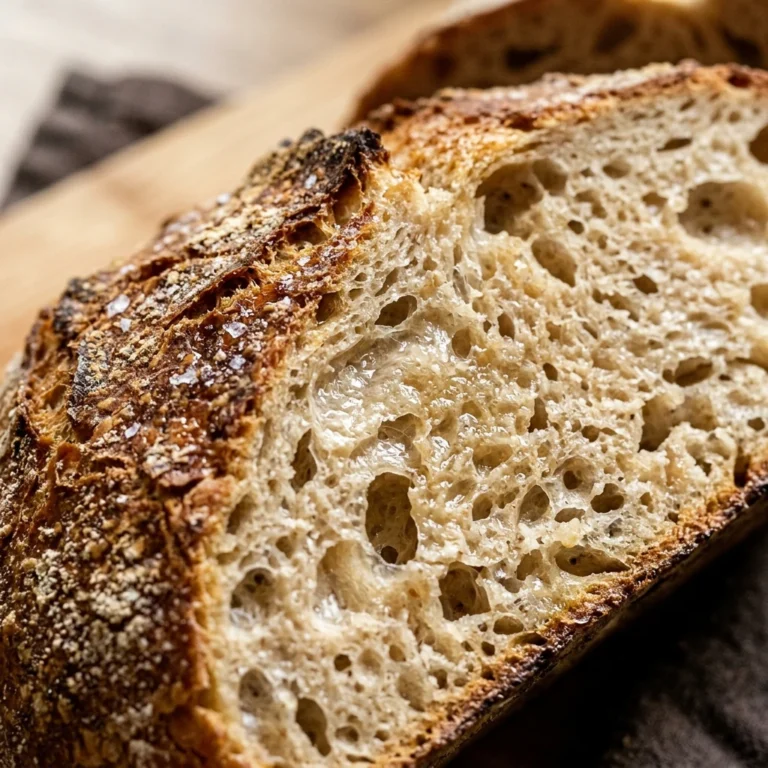
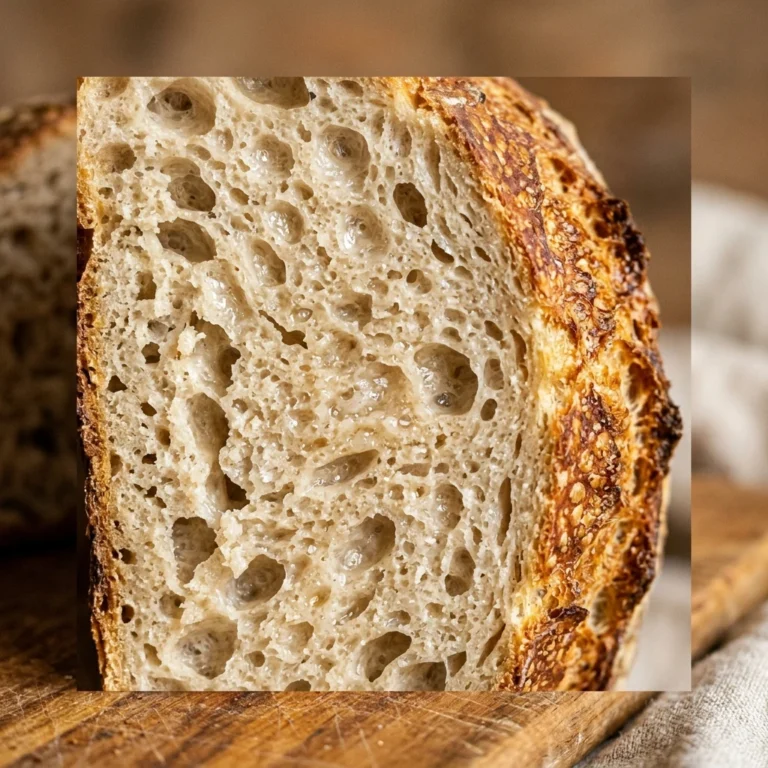
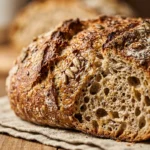
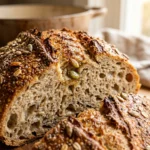
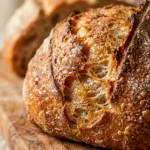
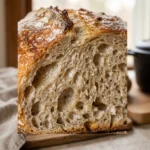
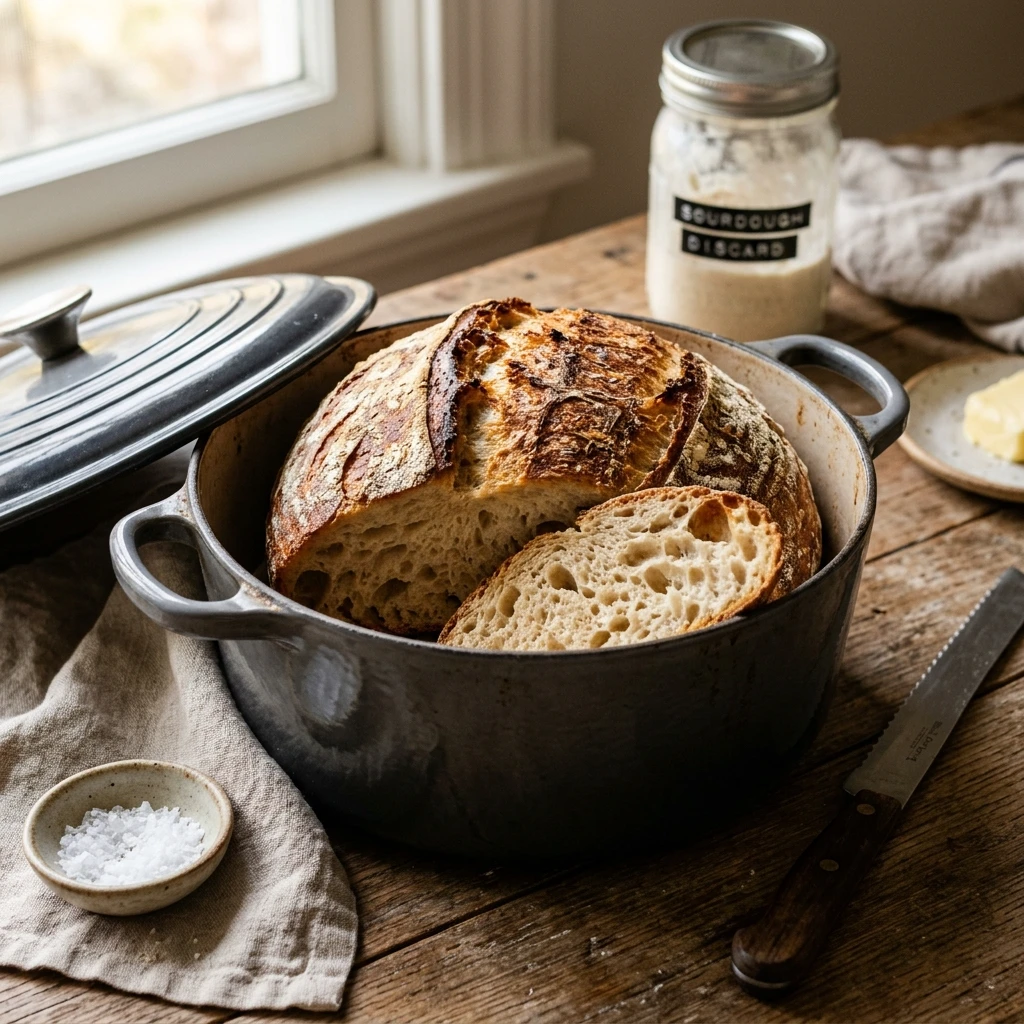
Stop throwing away that precious sourdough starter! If you are tired of pouring your hard-earned flour down the drain every time you feed your starter, this No-Knead Dutch Oven Sourdough Discard Bread is your new best friend. This recipe bridges the gap between a traditional sourdough loaf and a quick yeast bread, giving you that signature tangy flavor with almost zero physical labor. By using a Dutch oven, you create a professional-grade crust and a soft, airy interior that will have your family convinced you spent all day kneading dough. It is the ultimate “set it and forget it” bread for busy bakers who hate waste.
Recipe Information
- Prep Time: 15 minutes (plus 12-18 hours rising time)
- Cook Time: 45 minutes
- Total Time: 19 hours
- Servings: 1 loaf (approximately 10 slices)
- Difficulty: Easy
Nutrition values
(Per slice, based on 10 slices)
- Calories: 195 kcal
- Protein: 6g
- Carbs: 41g
Why Make This No-Knead Dutch Oven Sourdough Discard Bread Easy No Waste
This recipe is a game-changer for anyone with a sourdough starter. First, it eliminates waste by using a significant amount of discard. Second, the no-knead method relies on time rather than muscle to develop gluten, making it perfect for beginners or those with busy schedules. The Dutch oven traps steam during the first half of the bake, which is the secret to achieving that crunchy, artisanal crust you usually only find in high-end bakeries. Plus, the long fermentation time makes the bread easier to digest and enhances the complex, sour notes we all love.
Ingredients
- 3 cups (375g) All-purpose flour or bread flour
- 1 ½ teaspoons Salt
- ½ teaspoon Active dry yeast (helps the discard rise consistently)
- 1 cup (approx. 240g) Sourdough discard (unfed, room temperature)
- 1 cup (240ml) Warm water (about 100°F/38°C)
- Optional: 1 tablespoon Honey or sugar (to feed the yeast)
Directions
Step 1: Mixing the Dough
In a large mixing bowl, whisk together the flour, salt, and active dry yeast. In a separate small bowl or measuring cup, stir together your sourdough discard and warm water until the discard is mostly dissolved. Pour the wet mixture into the dry ingredients. Use a sturdy spoon or a dough whisk to mix until a shaggy, sticky dough forms and no dry flour remains. Do not worry about the appearance; it should look messy at this stage.
Step 2: The Bulk Fermentation
Cover the bowl tightly with plastic wrap or a damp kitchen towel. Place it in a warm, draft-free spot in your kitchen. Let the dough rest for 12 to 18 hours. During this time, the yeast and the bacteria from the discard will work their magic. You will know it is ready when the dough has more than doubled in size and is covered in tiny bubbles.
Step 3: Preheating and Shaping
Place your empty Dutch oven (with the lid) into your oven and preheat it to 450°F (230°C) for at least 30 minutes. While the pot heats, gently turn your dough out onto a well-floured surface. It will be sticky, so use plenty of flour on your hands. Fold the edges of the dough toward the center to form a rough ball. Place the dough onto a piece of parchment paper, cover it loosely, and let it rest while the oven finishes preheating.
Step 4: Baking the Bread
Carefully remove the hot Dutch oven from the oven. Using the parchment paper as a sling, lift the dough and lower it into the pot. Be very careful as the pot is extremely hot. Cover with the lid and bake for 30 minutes. After 30 minutes, remove the lid and bake for another 10 to 15 minutes until the crust is a deep golden brown. The internal temperature should reach 200°F (93°C) if you use a meat thermometer.
Step 5: Cooling
Lift the bread out of the Dutch oven using the parchment paper and transfer it to a wire cooling rack. Resist the urge to cut into it immediately! Let the bread cool for at least one hour. This allows the internal structure to set; cutting it too early can result in a gummy texture.
Expert Tips for Perfect No-Knead Dutch Oven Sourdough Discard Bread Easy No Waste
Always use a kitchen scale if you have one. Measuring flour by the cup can be inaccurate and lead to a dry loaf. Make sure your water is not too hot; if it is over 110°F, it might kill the yeast. If your kitchen is very cold, you can let the dough rise inside an oven that is turned off with the oven light on. Finally, make sure your Dutch oven is rated for 450°F; some knobs on older pots are only oven-safe up to 375°F, so check the manufacturer’s instructions before preheating.
Delicious Variations
- Rosemary Garlic: Add 1 tablespoon of dried rosemary and 1 teaspoon of garlic powder to the dry ingredients.
- Cheddar Jalapeño: Fold in ½ cup of shredded sharp cheddar and 2 tablespoons of diced pickled jalapeños during the final shaping.
- Everything Bagel: Generously sprinkle everything bagel seasoning on top of the loaf just before putting the lid on for the bake.
- Whole Wheat: Replace 1 cup of all-purpose flour with 1 cup of whole wheat flour for a nuttier flavor and heartier texture.
Frequently Asked Questions
Can I use active starter instead of discard?
Yes, you can certainly use active starter! However, since the starter is active, the rise time might be significantly shorter (6-8 hours instead of 12-18). Keep a close eye on the dough to ensure it doesn’t over-proof.
What if I don’t have a Dutch oven?
You can use a heavy, oven-safe pot with a tight-fitting lid. If you don’t have a lid, you can place a pan of water on the bottom rack of your oven to create steam, though the crust may not be as thick and crispy.
How long does this bread stay fresh?
Because of the acidity from the sourdough discard, this bread stays fresh longer than standard white bread. It will last 3-4 days on the counter if wrapped in a paper bag or a clean kitchen towel. Avoid plastic bags, which can make the crust soft.
Can I freeze this bread?
Absolutely. Once the loaf has cooled completely, wrap it tightly in plastic wrap and then in aluminum foil. It will stay fresh in the freezer for up to 3 months. Thaw it at room temperature and toast to refresh the crust.
Why is my dough so sticky?
Sourdough discard dough is naturally stickier than traditional dough due to the high hydration. Do not be tempted to add too much extra flour. Use a floured bench scraper or well-floured hands to handle it quickly and gently.
Conclusion
Baking artisan-style bread at home doesn’t have to be intimidating or time-consuming. This No-Knead Dutch Oven Sourdough Discard Bread is the perfect solution for anyone looking to reduce kitchen waste while enjoying the comforts of a warm, homemade loaf. With just a few basic ingredients and a little bit of patience, you can create a masterpiece that rivals any bakery. Give it a try this weekend and watch your sourdough discard transform into something truly extraordinary!
No-Knead Dutch Oven Sourdough Discard Bread Easy No Waste
- Total Time: 19 hours
- Diet: Vegetarian
Ingredients
Scale
- 3 cups (375g) All-purpose flour or bread flour
- 1 ½ teaspoons Salt
- ½ teaspoon Active dry yeast (helps the discard rise consistently)
- 1 cup (approx. 240g) Sourdough discard (unfed, room temperature)
- 1 cup (240ml) Warm water (about 100°F/38°C)
- Optional: 1 tablespoon Honey or sugar (to feed the yeast)
Instructions
- In a large mixing bowl, whisk together the flour, salt, and active dry yeast. In a separate small bowl or measuring cup, stir together your sourdough discard and warm water until the discard is mostly dissolved. Pour the wet mixture into the dry ingredients. Use a sturdy spoon or a dough whisk to mix until a shaggy, sticky dough forms and no dry flour remains. Do not worry about the appearance; it should look messy at this stage.
- Cover the bowl tightly with plastic wrap or a damp kitchen towel. Place it in a warm, draft-free spot in your kitchen. Let the dough rest for 12 to 18 hours. During this time, the yeast and the bacteria from the discard will work their magic. You will know it is ready when the dough has more than doubled in size and is covered in tiny bubbles.
- Place your empty Dutch oven (with the lid) into your oven and preheat it to 450°F (230°C) for at least 30 minutes. While the pot heats, gently turn your dough out onto a well-floured surface. It will be sticky, so use plenty of flour on your hands. Fold the edges of the dough toward the center to form a rough ball. Place the dough onto a piece of parchment paper, cover it loosely, and let it rest while the oven finishes preheating.
- Carefully remove the hot Dutch oven from the oven. Using the parchment paper as a sling, lift the dough and lower it into the pot. Be very careful as the pot is extremely hot. Cover with the lid and bake for 30 minutes. After 30 minutes, remove the lid and bake for another 10 to 15 minutes until the crust is a deep golden brown. The internal temperature should reach 200°F (93°C) if you use a meat thermometer.
- Lift the bread out of the Dutch oven using the parchment paper and transfer it to a wire cooling rack. Resist the urge to cut into it immediately! Let the bread cool for at least one hour. This allows the internal structure to set; cutting it too early can result in a gummy texture.
- Cook Time: 19 hours