Follow Me On Pinterest!



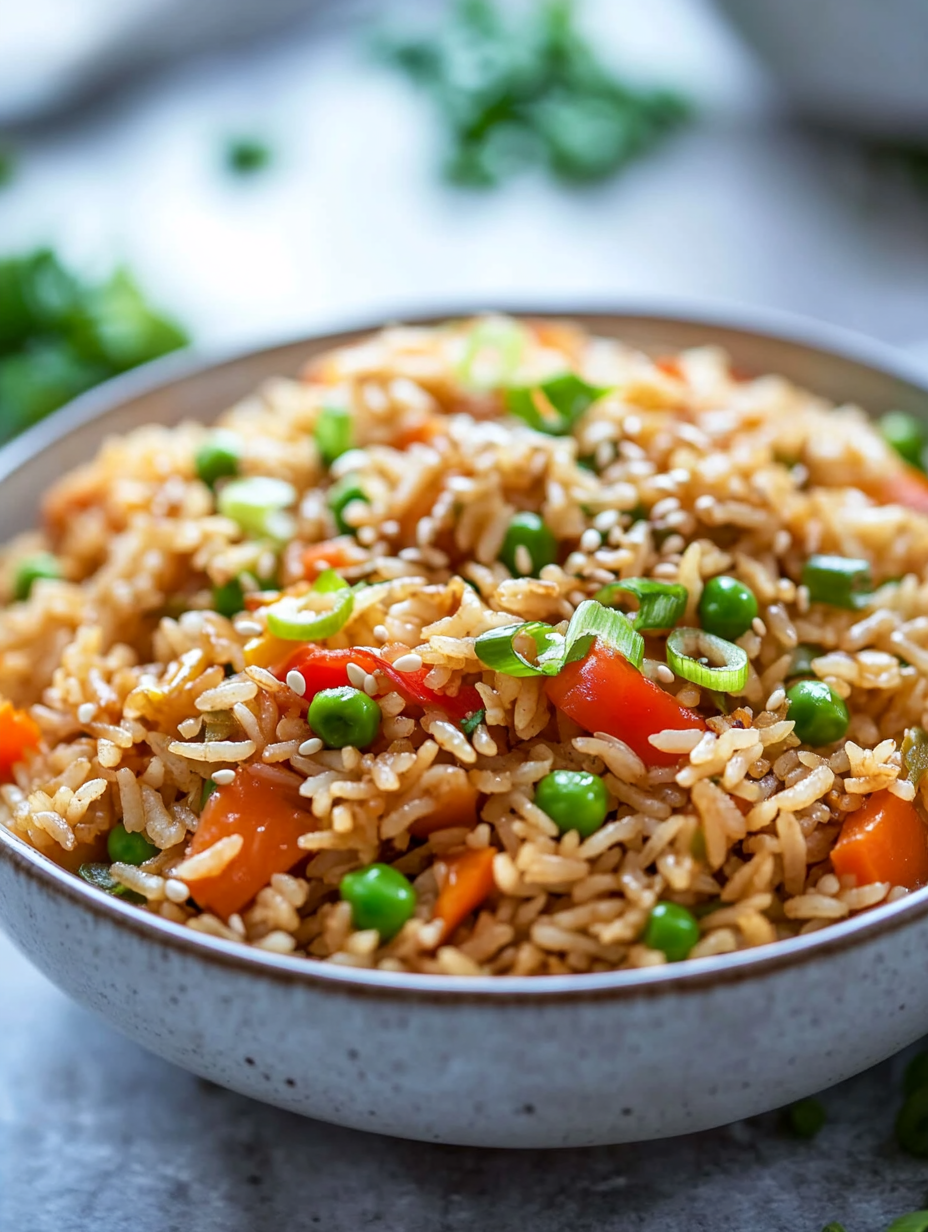
Vegan Fried Rice: A Wholesome, Colorful Delight for Any Occasion
Introduction
You might remember the scent of sizzling rice wafting through the air, the vibrant colors of fresh vegetables, and the warmth of family gathered around the dinner table on a busy weeknight. For me, fried rice has always been more than just a dish; it’s a cherished memory of comfort and togetherness. Growing up, my family would often whip up this quick meal, transforming leftover rice into something magical—each grain infused with flavor, each bite a burst of nostalgia.
The beautiful thing about vegan fried rice is its versatility. You can throw in whatever vegetables you have on hand, making it a perfect canvas for creativity. I remember one evening, I had a mix of bell peppers, peas, and carrots just waiting to be used. As I sautéed them with ginger and garlic, the aroma filled my kitchen, inviting my family to join me. The sizzling sounds and vibrant colors seemed to bring the room to life, igniting conversations and laughter that echoed long after the last grain was devoured.
What I love most about this vegan fried rice recipe is how quickly it comes together. Whether you’re in a rush after a long day or planning a cozy weekend meal, this dish is your trusty go-to. It’s the kind of meal that brings comfort and nourishment, all while being entirely plant-based. Plus, it’s a fantastic way to add a healthy dose of protein and vegetables to your plate—without sacrificing any of that satisfying flavor.
Why This Recipe Works
The beauty of vegan fried rice lies in its simplicity and the balance of flavors it offers. Each ingredient serves a purpose, contributing to the overall deliciousness of the dish.
1. Texture: The combination of tofu and vegetables adds a satisfying crunch to contrast with the fluffy jasmine rice. When you sauté the tofu until golden brown, it develops a delightful crust that enhances the dish’s overall mouthfeel.
2. Umami Flavor: The soy sauce is the secret ingredient that ties everything together. Its salty depth adds an umami kick that elevates the rice, while the sesame oil rounds out the flavors with a nutty, aromatic finish. This combination is crucial in vegan cooking, where finding depth of flavor can sometimes be a challenge.
3. Fresh Ingredients: Fresh garlic and ginger not only enhance the dish’s aromatic profile but also provide health benefits. They are known for their anti-inflammatory properties and add layers of flavor that are simply irreplaceable.
4. Cooking Technique: The method of cooking each component separately before combining ensures that nothing gets overcooked or mushy. This technique helps maintain the vibrant colors and textures of the vegetables, making your dish as pleasing to the eyes as it is to the palate.
With this recipe, you can rely on consistent results, making it an excellent choice for both beginner cooks and seasoned chefs alike.
What Makes It Special
What sets this vegan fried rice apart from store-bought or restaurant versions is its homemade charm and customizable nature. Here are a few unique qualities that enhance its special status:
– Freshness: Unlike many takeout options that may sit under heat lamps, this fried rice is made fresh to order. You can use the freshest vegetables available, ensuring vibrant flavors and nutritional value.
– Customizable: One of the greatest strengths of this recipe is its flexibility. You can easily modify it to suit your taste preferences or dietary needs. Whether you prefer a spicier kick with chili flakes or want to add a unique veggie like bok choy, the options are endless.
– Health Benefits: By using tofu as a protein source, you’re adding a good amount of plant-based protein while keeping the dish low in saturated fats. Plus, you can load it up with a variety of vegetables to increase fiber and essential nutrients.
– Quick and Easy: This recipe can be prepared in under 30 minutes, making it a lifesaver for busy weeknights. It’s a hassle-free way to enjoy a nourishing meal without spending hours in the kitchen.
Ingredient Breakdown
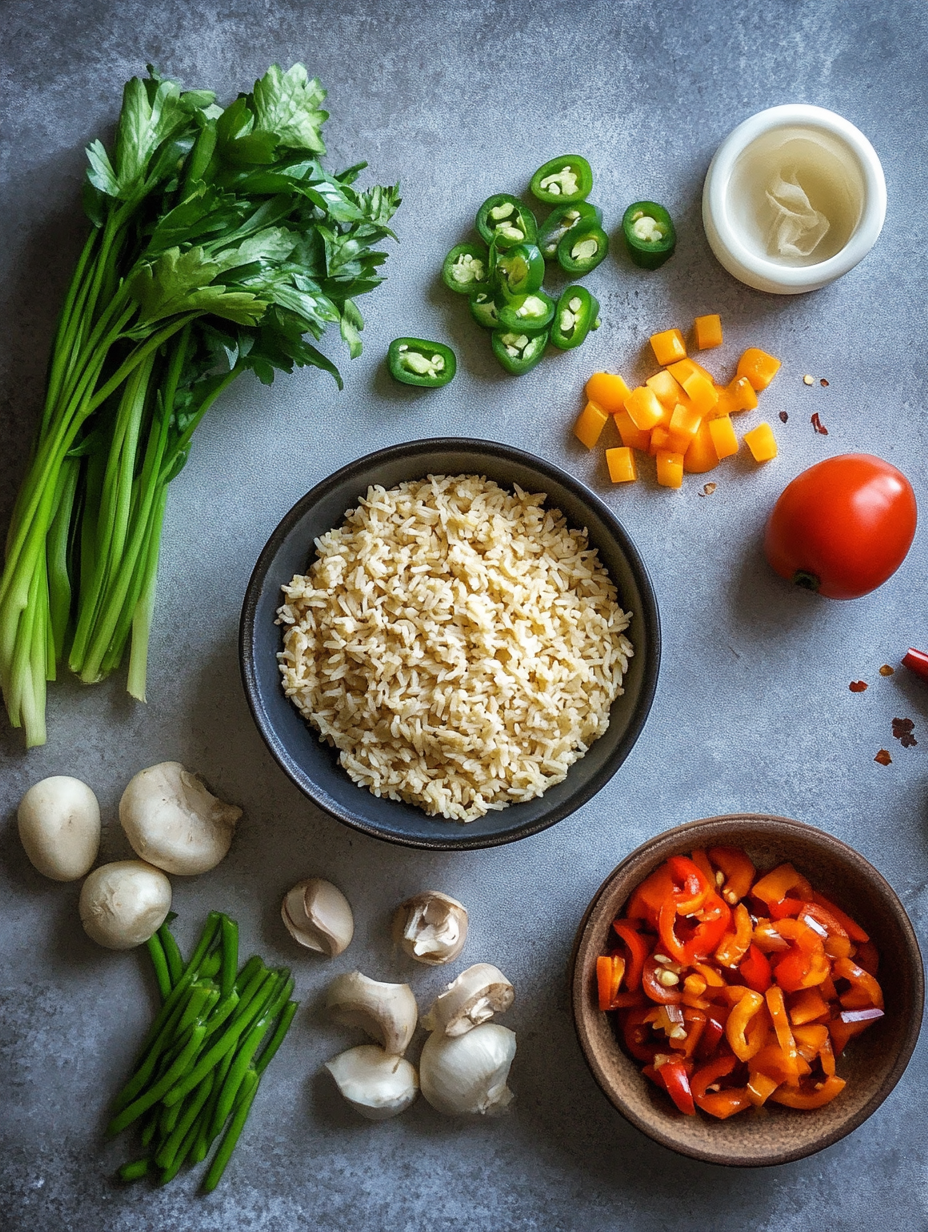
To create the best vegan fried rice, it’s essential to understand the role of each ingredient. Here’s a closer look at what you’ll need:
1. Jasmine Rice (2 cups cooked): The foundation of your fried rice, jasmine rice is known for its fragrant aroma and slightly sticky texture. If you’re looking for a healthier option, you can substitute it with brown rice or quinoa, but be mindful that cooking times may vary.
2. Mixed Vegetables (1 cup): Feel free to use any combination you like! Common choices include peas, carrots, corn, and bell peppers. Frozen mixed vegetables are also a great timesaver if you’re short on prep time.
3. Tofu (1 cup): This plant-based protein is perfect for adding texture and heartiness to your meal. If you’re avoiding soy, consider substituting with chickpeas or tempeh for similar protein content. Be sure to press your tofu to remove excess moisture before cubing it for the best results.
4. Soy Sauce (2 tablespoons): This ingredient brings the essential umami flavor to your dish. If you’re looking for a gluten-free option, you can swap it with tamari or coconut aminos.
5. Sesame Oil (1 tablespoon): This oil adds a rich, nutty flavor. If sesame oil isn’t available, you can use olive oil or avocado oil as substitutes, although they will slightly alter the flavor profile.
6. Garlic (2 cloves): Fresh garlic is key for depth of flavor. You could also use garlic powder in a pinch, but fresh garlic will always yield a more vibrant taste.
7. Ginger (1 inch): Fresh ginger adds a lovely warmth and zing. If you don’t have fresh ginger on hand, ground ginger can be a substitute, but the flavor will be less pronounced.
8. Green Onions (for garnish): These are not only a garnish but add a fresh crunch and a hint of onion flavor. If you prefer, you can use chives or even finely chopped red onion as alternatives.
With a thoughtful selection of ingredients, you’ll create a dish that’s not only satisfying but also nourishing and vibrant.
Equipment Needed
To make your vegan fried rice, you’ll need a few basic kitchen tools. Here’s a rundown of what you’ll need and why they matter:
– Large Skillet or Wok: A good quality skillet or wok is essential for achieving that perfect stir-fry texture. A non-stick surface will help prevent sticking and allow for even cooking. If you don’t have a wok, a large non-stick frying pan will do just fine.
– Spatula: A sturdy spatula is crucial for flipping and stirring the ingredients without damaging them. Silicone or wooden spatulas are great options to protect your cookware.
– Knife and Cutting Board: A sharp knife will make chopping your vegetables and tofu much easier, and a solid cutting board provides a safe space to prep your ingredients.
– Measuring Spoons: Accurate measurements ensure that the flavor balance is just right in your fried rice. Investing in a good set of measuring spoons can help you replicate this recipe perfectly each time.
With these tools on hand, you’ll be well on your way to whipping up a delightful batch of vegan fried rice in no time!
Step-by-Step Instructions
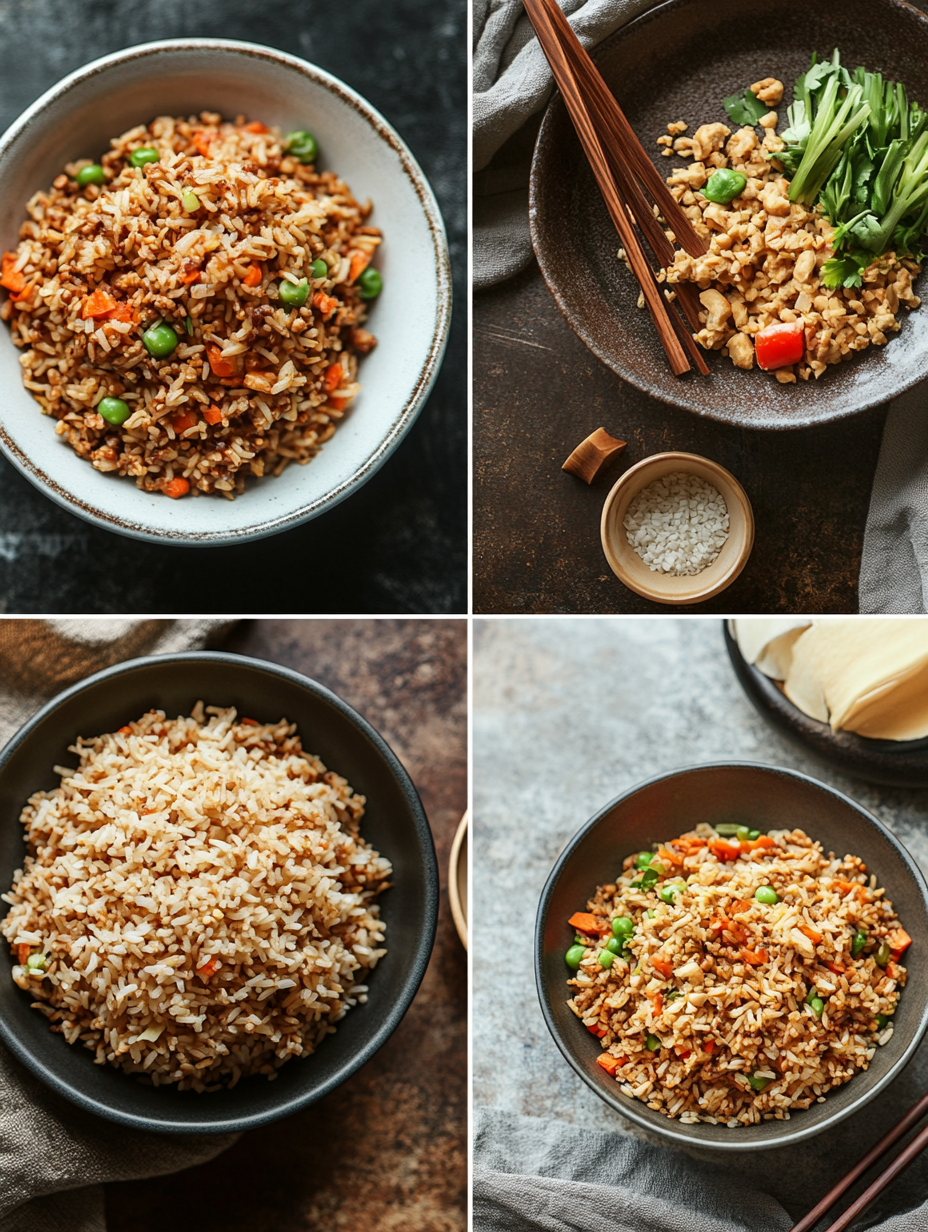
1. Prepare Your Ingredients
Before you start cooking, gather all your ingredients. This includes 2 cups of cooked jasmine rice, 1 cup of mixed vegetables, 1 cup of cubed tofu, 2 tablespoons of soy sauce, 1 tablespoon of sesame oil, 2 cloves of garlic, 1 inch of ginger, and 2 green onions. By prepping everything in advance, you’ll create a smoother cooking experience.
*Look for vibrant colors in your vegetables and firm tofu. The garlic should smell pungent, and the ginger should be fragrant.*
2. Heat the Skillet
Place a large skillet or wok over medium-high heat. Add 1 tablespoon of sesame oil to the hot skillet. You want the oil to shimmer, indicating it’s the right temperature for cooking.
*Listen for a gentle sizzle as you add the oil. This sound is crucial—if it’s silent, the pan isn’t hot enough.*
3. Sauté the Tofu
Carefully add the cubed tofu to the skillet. Sauté until golden brown, which should take around 5 minutes. Use a spatula to flip the cubes gently to ensure even cooking.
*Watch for a golden crust forming. The tofu should start to smell nutty and delicious, and you should hear a satisfying sizzle.*
4. Add Aromatics
Once the tofu is golden, it’s time to add the minced garlic and grated ginger. Stir them into the skillet and cook for about 1 minute. You want to stir continuously to avoid burning.
*You’ll know it’s ready when the kitchen fills with a fragrant aroma that makes your mouth water. The garlic will become slightly translucent.*
5. Incorporate Mixed Vegetables
Next, stir in the mixed vegetables. Cook for an additional 3-4 minutes until they are tender but still vibrant.
*Listen for the soft crunch as you stir. The vegetables should maintain their bright colors and not become too mushy.*
6. Add Rice and Seasoning
Now, it’s time to introduce the cooked jasmine rice. Break up any clumps with your hands before adding it to the skillet. Then pour in 2 tablespoons of soy sauce. Stir everything together meticulously for about 5 minutes until heated through.
*Watch for steam rising from the skillet—this means your dish is coming together beautifully. The soy sauce will coat the rice, giving it a delicious color and flavor.*
7. Garnish and Serve
Remove the skillet from heat and garnish with sliced green onions. This step adds a fresh, crunchy element to your dish. Serve immediately for the best taste.
*You’ll know it’s time to serve when the rice is steaming, and your kitchen smells incredible. The green onions should look bright and fresh, contrasting nicely with the dish.*
Chef’s Note: Feel free to adjust the soy sauce according to your taste preference. If you like it saltier, add a bit more. Also, consider marinating your tofu beforehand for deeper flavor.
Pro Tips for the Best Results
1. Use Day-Old Rice
If possible, use day-old rice for the best texture. Freshly cooked rice tends to be too moist and clumps together, making it harder to achieve the perfect fried rice consistency.
2. Preheat Your Skillet Properly
Make sure your skillet or wok is hot enough before adding oil. This helps create a crispy texture on the tofu and prevents it from sticking.
3. Don’t Overcrowd the Pan
If you’re making a large batch, consider cooking in batches. Overcrowding can trap steam, leading to soggy vegetables and rice.
4. Experiment with Soy Sauce
Different brands of soy sauce have varying levels of saltiness. Start with less, and adjust to taste as you cook, ensuring you don’t overpower the dish.
5. Add Some Heat
If you enjoy spice, consider adding a few drops of sriracha or chili paste during the cooking process. This will add a delightful kick.
6. Incorporate Fresh Herbs
Adding fresh herbs like cilantro or basil at the end can enhance the flavors and add a fresh note to your fried rice.
7. Taste as You Go
Always taste your fried rice as you cook. This allows you to adjust flavors and seasoning to your liking, ensuring a perfectly balanced dish.
Common Mistakes to Avoid
1. Using Wet Rice
Using freshly cooked, wet rice can lead to a sticky, clumpy fried rice. Always use day-old rice or ensure your rice is completely cooled before using it.
2. Skipping the Tofu Marination
If you neglect to marinate your tofu, it may lack flavor. A simple marinade of soy sauce, garlic, and ginger before cooking enhances the overall taste.
3. Not Heating the Oil Enough
If the oil isn’t hot enough when you add ingredients, they will steam instead of fry. This can result in a mushy texture. Ensure the oil is shimmering before adding tofu.
4. Overcooking the Vegetables
Cooking mixed vegetables for too long can lead to a loss of color and nutrients. Aim for a tender-crisp texture to maintain their vibrant colors and crunch.
5. Adding Soy Sauce Too Early
Adding soy sauce too early can lead to soggy rice and over-seasoned tofu. Wait until the rice is fully incorporated before adding your soy sauce.
6. Ignoring the Aroma
Don’t overlook the importance of aroma in cooking. If you can’t smell the garlic and ginger, it’s likely not cooked enough. Pay attention to the scents as you go.
7. Not Garnishing
Skipping the garnish can make your dish look less appealing and miss out on added flavors. Always finish with fresh herbs or green onions to elevate your dish.
Creative Variations
1. Seasonal
Embrace the seasons by incorporating seasonal vegetables. In spring, try adding asparagus and peas; in autumn, opt for roasted butternut squash and kale. This keeps your dish fresh and exciting throughout the year.
2. Dietary-Friendly
For a gluten-free version, substitute regular soy sauce with tamari or coconut aminos. This option allows those with dietary restrictions to enjoy the same delicious fried rice without compromising on flavor.
3. Gourmet Elevated
Elevate your dish by adding some truffle oil or a sprinkle of nutritional yeast for a cheesy flavor. You can also try adding sautéed mushrooms or a handful of cashews for added richness and gourmet flair.
4. Quick 15-Minute
To make a quick version, use frozen mixed vegetables and pre-cooked rice. This can cut down your cooking time significantly, making it perfect for a weeknight meal when you’re pressed for time.
5. Kid-Friendly
Make this dish appealing to kids by adding their favorite vegetables like peas, corn, or bell peppers. You can also sneak in some finely chopped spinach or zucchini without them noticing!
6. International Twist
Infuse a bit of international flair by adding curry powder or cumin to the mix. You can also swap the soy sauce for a splash of teriyaki sauce for a sweeter flavor profile that kids often love.
7. Protein-Packed
Boost the protein content by adding in edamame or chickpeas. This keeps your meal satisfying and filling, perfect for those who need a little extra energy in their day.
Serving Ideas
When it comes to plating your vegan fried rice, presentation can make a world of difference. Here are some delightful serving ideas to elevate your dish:
1. Bowl Style: Serve the fried rice in a deep bowl, topped with a sprinkle of sesame seeds and a drizzle of sriracha for a kick. This not only looks appetizing but also allows for easy mixing.
2. Lettuce Wraps: Use large lettuce leaves as wraps, scooping generous portions of fried rice into each leaf. This adds a fun, interactive element to your meal.
3. Platter Presentation: Spread the fried rice on a large serving platter and garnish it with sliced avocado and fresh cilantro. This not only adds color but also enhances the flavor profile.
4. Side of Fresh Veggies: Accompany your fried rice with a side of fresh cucumber and carrot sticks. The crunch complements the dish beautifully and adds a refreshing touch.
5. Individual Bowls with Tofu Skewers: For a more formal setting, serve individual bowls of fried rice, topped with colorful tofu skewers. This adds a gourmet flair and makes it visually appealing.
Aim for a generous portion size of about one to one-and-a-half cups per person. This ensures everyone is satisfied and leaves room for seconds!
What to Serve With
Pairing your vegan fried rice with complementary dishes can elevate your meal experience. Here are some great options:
1. Miso Soup: The umami flavors of miso soup perfectly balance the fried rice’s savory notes. Plus, the warm broth is comforting and nourishing.
2. Spring Rolls: Fresh or fried spring rolls filled with vegetables make a delightful appetizer. Their crunchy texture adds an interesting contrast to the softness of the rice.
3. Crispy Tofu: Serve crispy tofu bites on the side. They mirror the tofu in the fried rice, providing an additional protein punch and satisfying crunch.
4. Stir-fried Bok Choy: A simple stir-fry with bok choy and garlic brings a fresh, vibrant green element to your meal. The slight bitterness of bok choy balances well with the savory rice.
5. Coconut Curry: A light coconut curry pairs beautifully, adding a creamy texture and a touch of sweetness that complements the fried rice flavors.
6. Pickled Vegetables: Adding some pickled veggies on the side introduces a tangy flavor that cuts through the richness of the rice, enhancing the overall dining experience.
These pairings not only complement the flavors and textures of your vegan fried rice but also create a well-rounded, satisfying meal.
Storage Guide
To ensure your vegan fried rice remains fresh and delicious, proper storage is essential. Here are guidelines to keep in mind:
– Container Type: Use an airtight container to store your fried rice. Glass or BPA-free plastic containers work best to prevent any absorption of odors.
– Temperature: Store the rice in the refrigerator. It should cool down to room temperature before sealing it in the container.
– Days it Keeps: Properly stored, your fried rice will last for about 3-5 days in the fridge. Always check for freshness before consuming.
– Signs Gone Bad: Look for off-smells, changes in color, or any signs of mold. If you notice any of these, it’s best to discard the rice.
– How to Refresh: When ready to eat, you can refresh leftover rice by adding a splash of water or vegetable broth when reheating. This will help rehydrate the grains and enhance the flavors.
By following these storage tips, you can enjoy your vegan fried rice for several days without compromising on taste or quality.
Freezing Tips
If you’re looking to make your vegan fried rice ahead of time, it freezes beautifully. Here’s how to do it effectively:
– Freezes Well: Yes, this dish freezes very well! Make sure it’s cooled before freezing to avoid ice crystals forming.
– Portioning: Divide the fried rice into single-serving portions. This makes it easy to thaw just what you need for a quick meal later.
– How Long: You can freeze your fried rice for up to 3 months. For the best flavor and texture, try to consume it within this timeframe.
– Thawing Method: The best way to thaw frozen fried rice is to place it in the fridge overnight. If you’re in a hurry, you can also use the microwave on the defrost setting.
By following these freezing tips, you’ll always have a delicious meal ready to go, making weeknight dinners a breeze!
Reheating Guide
Reheating your vegan fried rice can be done in several ways, ensuring you retain its delightful flavors and textures. Here’s how to do it:
– Microwave: Place your desired portion in a microwave-safe bowl. Add a splash of water or vegetable broth to keep it moist. Cover with a microwave-safe lid or wrap and heat for 1-2 minutes, stirring halfway through. Ensure it’s heated evenly.
– Oven: Preheat your oven to 350°F (175°C). Spread the fried rice on a baking sheet and cover it with aluminum foil to prevent drying out. Heat for about 15-20 minutes, stirring occasionally, until warmed through.
– Stovetop: Heat a skillet over medium heat and add a little oil or water. Toss in the fried rice, breaking up any clumps, and stir frequently for 5-7 minutes until heated through. This method can help restore some of the original texture.
With these reheating methods, you can enjoy your vegan fried rice just as much as when it was freshly made!
Nutrition Overview
Your vegan fried rice is not only delicious but also packed with nutrients! Here’s a quick breakdown of its nutritional profile:
– Calories: Each serving contains approximately 300-350 calories, depending on the amount of oil and type of tofu used.
– Macros: You can expect around 12-15g of protein, 10-15g of fat, and 45-55g of carbohydrates per serving. This balance makes it a satisfying and energizing meal.
– Health Benefits:
– Tofu: A fantastic source of plant-based protein and contains all nine essential amino acids, making it a great protein alternative.
– Mixed Vegetables: Packed with vitamins and minerals, they offer nutritional benefits that support overall health and immune function.
– Garlic: Known for its numerous health benefits, garlic may help improve heart health and boost the immune system.
Your vegan fried rice is not just a tasty meal; it’s a nourishing option that supports your health goals!
Frequently Asked Questions
Q: Can I use brown rice instead of jasmine rice?
A: Absolutely! Brown rice adds more fiber and nutrients, but keep in mind it may require a longer cooking time. Just ensure it’s fully cooked before adding it to the fried rice.
Q: How can I make this dish gluten-free?
A: To make a gluten-free version, simply substitute soy sauce with tamari or coconut aminos. Both alternatives provide a similar umami flavor without the gluten.
Q: Can I add different vegetables?
A: Yes! Feel free to customize your fried rice with any vegetables you like, such as bell peppers, peas, or even some leafy greens like spinach. Just adjust the cooking time based on the vegetables you choose.
Q: Is this recipe oil-free?
A: This recipe uses sesame oil for cooking, but you can omit it for an oil-free version. Just add a little vegetable broth or water to prevent sticking while sautéing.
Q: How can I make it more flavorful?
A: Boost the flavor by adding a splash of rice vinegar, lime juice, or even a sprinkle of nutritional yeast, which adds a cheesy flavor without any dairy.
Q: Can I meal prep this dish?
A: Definitely! This vegan fried rice is perfect for meal prep. Just store it in an airtight container in the fridge for up to 5 days or freeze it for longer storage.
Q: Can I add protein other than tofu?
A: Yes! You can include chickpeas, edamame, or tempeh for added protein options. Just make sure to adjust the cooking time as needed to ensure everything is heated through.
Q: How do I know if my tofu is cooked properly?
A: Cook your tofu until it’s golden brown on all sides. This indicates it’s crispy and ready to be added to your fried rice, enhancing its texture and flavor.
Final Thoughts
Cooking vegan fried rice can be a wonderful way to unleash your culinary creativity while enjoying a nutritious meal. Here’s a key tip: don’t be afraid to experiment with different vegetables and sauces to make it uniquely yours!
This dish is not just a quick dinner option but a canvas for your culinary imagination. Whether you’re whipping it up for yourself or sharing it with loved ones, the vibrant colors and delightful flavors will surely impress. So, roll up your sleeves, gather your ingredients, and enjoy the process of making this delicious vegan fried rice.