Follow Me On Pinterest!



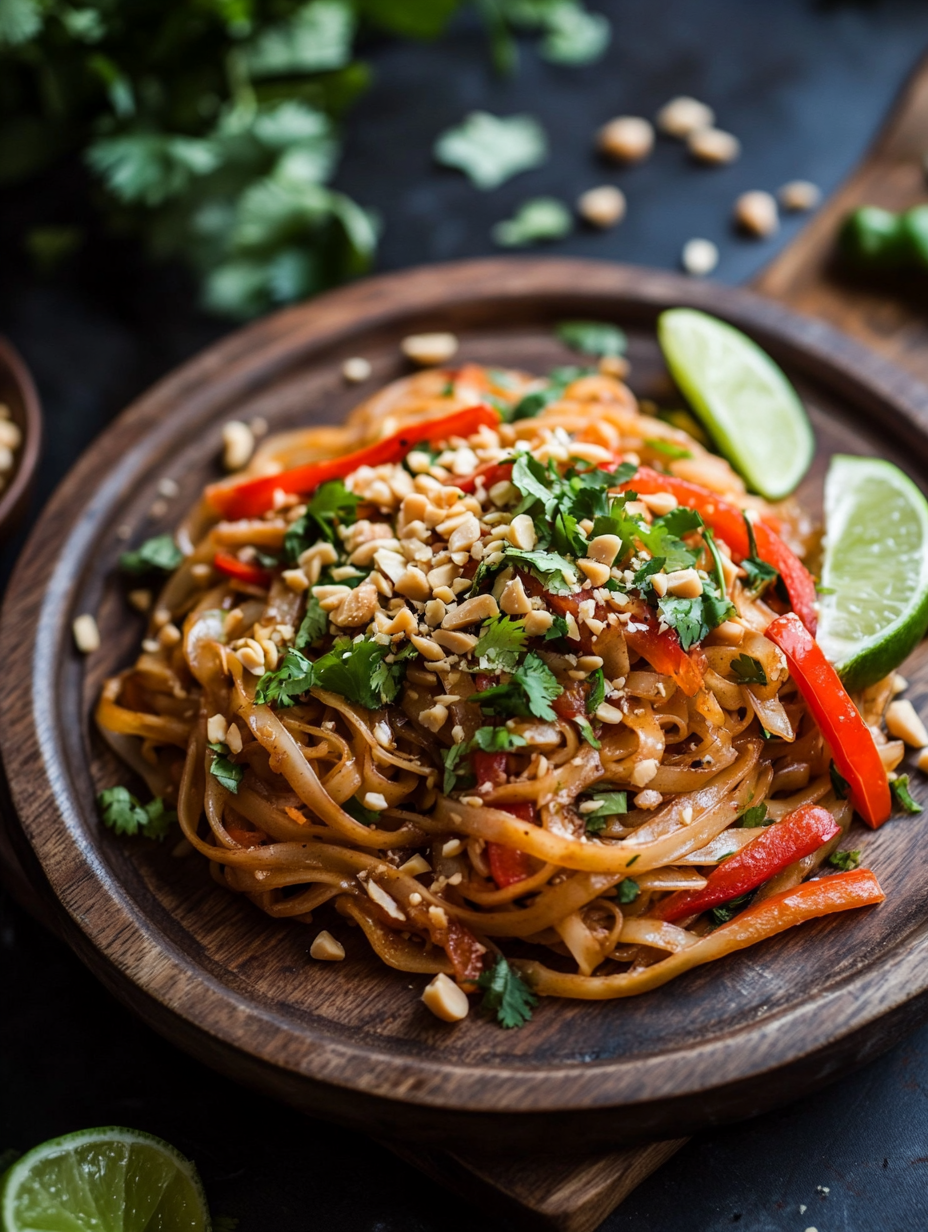
Vegan Pad Thai: A Flavorful Twist on a Classic Favorite
Introduction
Imagine the scent of sizzling garlic and ginger wafting through the kitchen, mingling with the nutty aroma of toasted sesame oil. It’s a scene that transports you straight to a bustling Thai street market, where the air is alive with chatter and laughter, and the vibrant colors of fresh produce dazzle your senses. For me, the first time I tasted Pad Thai was during a spontaneous trip to Thailand with friends. We stumbled upon a tiny, family-run stall, where the owner expertly tossed ingredients in a fiery wok, crafting a dish that was as much an experience as it was a meal.
Fast forward to today, I still crave that unforgettable flavor, but as a vegan, finding a suitable version can be a challenge. That’s why I created this Vegan Pad Thai recipe. This plant-based rendition captures the essence of the original while being packed with fresh vegetables and protein-rich tofu. With each bite, you’re treated to a harmony of savory, sweet, and spicy notes, all while knowing that you’re nourishing your body with wholesome ingredients.
Cooking this dish takes me back to those sun-soaked streets, where every bite bursts with authenticity. It’s a reminder that food is not just sustenance; it’s a love letter to our memories, cultures, and experiences. This recipe is designed for anyone who wants to recreate that magic at home, whether you’re a seasoned chef or just starting your culinary journey.
Why This Recipe Works
This Vegan Pad Thai is more than just a noodle dish; it’s a carefully crafted balance of flavors and textures that come together in perfect harmony. The first key element is the rice noodles—their chewy texture forms the backbone of the dish, soaking up all the delicious sauce. Soaking them before cooking ensures they become perfectly tender without becoming mushy.
Next, we have the tofu. By sautéing it until golden brown, you lock in flavors and create a delightful contrast to the soft noodles. The peanut butter adds a rich creaminess, while the soy sauce introduces a salty umami that elevates the dish. Combine these with a splash of lime juice for brightness and a kick of sriracha for heat, and you have a sauce that brings everything together beautifully.
The addition of bean sprouts and green onions not only adds freshness but also a satisfying crunch that offsets the creaminess of the peanut sauce. Together, these ingredients create a dish that is not only easy to prepare but delivers complex flavors that will satisfy even the most discerning palate.
What makes this recipe reliable is its simplicity; it requires minimal ingredients and can be whipped up in under 30 minutes. Plus, it’s versatile—you can easily customize it by adding your favorite vegetables or swapping the tofu for tempeh or seitan if you prefer.
What Makes It Special
What sets this Vegan Pad Thai apart from its restaurant and store-bought counterparts is its freshness and natural ingredients. Unlike many takeout versions that are often laden with preservatives or artificial flavors, this homemade recipe allows you to control every element.
1. Nutrient-Rich: By using a variety of fresh vegetables—such as bean sprouts and green onions—you’re not only enhancing the flavor but also packing in vitamins and minerals.
2. Customizable: This recipe is incredibly flexible. You can swap out ingredients based on your preference or what you have on hand. Add bell peppers, carrots, or snap peas for an extra veggie boost.
3. Balanced Flavor: The combination of salty, sweet, and spicy elements strikes a perfect balance that might be missing in prepackaged versions. The peanut butter and lime juice create a depth of flavor that is simply irresistible.
4. Quick and Easy: In a world where time is of the essence, this recipe delivers a gourmet dining experience in under 30 minutes, making it perfect for busy weeknights or last-minute gatherings.
Ingredient Breakdown
When it comes to making a standout Vegan Pad Thai, each ingredient plays a pivotal role in crafting the dish’s unique flavor profile and texture. Let’s break it down:
– Rice Noodles (8 oz): These are the foundation of your Pad Thai. They absorb flavors and provide a satisfying bite. For gluten-free options, look for rice noodles that are labeled as such.
– Firm Tofu (1 block): Tofu is an excellent source of protein and adds a delightful chewiness. Make sure to press it before cooking to remove excess moisture, allowing it to brown beautifully. If you’re soy-free, consider using tempeh or chickpeas instead.
– Soy Sauce (2 tbsp): This classic condiment adds saltiness and umami depth. Look for low-sodium varieties if you’re watching your salt intake. Tamari is a great gluten-free substitute.
– Peanut Butter (2 tbsp): Provides creaminess and a rich, nutty flavor. For those with nut allergies, sunflower seed butter or tahini can work as substitutes.
– Lime Juice (1 tbsp): A touch of acidity that brightens the dish and balances the richness of the peanut sauce. Fresh lime juice is always best, but bottled juice can suffice in a pinch.
– Bean Sprouts (1 cup): These add a crisp texture and refreshing taste. Feel free to substitute with shredded carrots or snap peas for variety.
– Green Onions (1 cup): A fresh, aromatic addition that enhances the overall flavor. Chives or shallots can be used if you don’t have green onions on hand.
– Peanuts (0.5 cup): Chopped peanuts provide a crunchy topping and an extra dose of nutty flavor. For those with nut allergies, toasted pumpkin seeds can serve as a great alternative.
– Sesame Oil (1 tbsp): This adds a warm, toasted flavor that complements the other ingredients beautifully. You can replace it with vegetable oil if you don’t have it on hand.
– Sriracha (1 tsp): A little kick of heat that can be adjusted based on your spice preference. If you prefer a milder version, you can leave it out or swap it for a milder chili sauce.
This ingredient breakdown highlights the versatility of the dish, allowing you to make modifications based on your dietary needs or personal preferences. Each element is designed to work harmoniously, ensuring that your Vegan Pad Thai is not just a meal but a delightful culinary experience.
Equipment Needed
To whip up your Vegan Pad Thai, you’ll need a few essential tools that make the cooking process smooth and enjoyable. Here’s a quick rundown:
– Large Skillet or Wok: A wide cooking surface is crucial for sautéing the tofu and noodles evenly. A non-stick pan is ideal for easy cleanup. If you don’t have a wok, a large frying pan will work just as well.
– Cutting Board and Knife: For chopping your vegetables and tofu. A good chef’s knife can make all the difference in your prep time.
– Measuring Cups and Spoons: Precision is key in cooking, especially when it comes to sauces and seasonings.
– Mixing Bowl: Perfect for whisking together your sauce ingredients. A medium-sized bowl will do.
– Spatula or Wooden Spoon: For stirring and tossing your ingredients in the skillet without scratching your cookware.
If you’re on a budget, most of these items can be found at affordable prices, or you might already have them in your kitchen. Investing in quality tools can enhance your cooking experience, making it easier and more enjoyable to create delicious meals.
Step-by-Step Instructions
1. Prepare the Tofu
What: Start by pressing your firm tofu to remove excess moisture.
How: Wrap the tofu block in a clean kitchen towel and place a heavy object on top, such as a cast-iron skillet, for about 15-20 minutes.
What to look/smell/hear: You’ll notice the towel becoming damp from the moisture being released, and the tofu will feel firmer as it sits. This step is essential to achieve a golden-brown, crispy exterior when you sauté it.
2. Cut the Tofu
What: After pressing, cut the tofu into bite-sized cubes.
How: Use a sharp knife for clean cuts to ensure uniform cooking.
What to look/smell/hear: The tofu should appear dense and firm; if it crumbles, it may not have been pressed properly.
3. Cook the Tofu
What: Heat the sesame oil in a large skillet or wok over medium-high heat.
How: Once the oil shimmers (but not smoking), add the cubed tofu.
What to look/smell/hear: The tofu should sizzle as it hits the pan. Listen for a gentle crackling sound; this indicates the tofu is browning nicely. Turn the tofu occasionally for even cooking, until it’s golden brown on all sides, approximately 5-7 minutes.
4. Soak the Rice Noodles
What: While the tofu is cooking, soak the rice noodles in hot water.
How: Place the noodles in a bowl, cover them with boiling water, and let them sit for about 10-12 minutes, or until they are al dente.
What to look/smell/hear: The noodles should soften but still have a slight bite to them (al dente). Drain and rinse under cold water to stop the cooking process and prevent sticking.
5. Make the Sauce
What: In a small bowl, whisk together the soy sauce, peanut butter, lime juice, and sriracha.
How: Start with the soy sauce and peanut butter, incorporating them well before adding the lime juice and sriracha.
What to look/smell/hear: The sauce should be a creamy consistency with a balanced, savory aroma. The sriracha will add a slight heat, so adjust the amount according to your preference.
6. Combine Everything
What: Add the soaked noodles to the skillet with the browned tofu.
How: Use tongs or a spatula to gently toss the noodles and tofu together. Then pour the sauce over everything and mix until everything is coated.
What to look/smell/hear: You should see the noodles absorbing the sauce, turning a nice golden color. The aroma of peanut butter and soy sauce will fill the kitchen, making it hard to resist tasting!
7. Finish with Veggies
What: Add the bean sprouts and green onions to the skillet.
How: Toss gently to combine and cook for an additional 2-3 minutes, just until the veggies are slightly wilted but still crisp.
What to look/smell/hear: The fresh crunch of the bean sprouts and the vibrant green onions will elevate the dish’s flavor profile. You’ll hear a light sizzling sound as the ingredients heat through.
Chef’s Note: For added flavor, feel free to sprinkle some fresh cilantro or a squeeze of extra lime juice just before serving!
Pro Tips for the Best Results
– Use High-Quality Tofu: Choose firm or extra-firm tofu for the best texture. Silken or soft tofu will not hold up well during cooking and can lead to a mushy dish.
– Don’t Rush the Browning Step: Allow the tofu enough time to develop a golden crust. This step adds flavor and texture. If your tofu sticks to the pan, it’s not ready to be flipped.
– Soak Noodles Properly: Ensure your rice noodles are soaked just enough to become soft but not overcooked. Over-soaking will lead to mushy noodles, ruining the dish’s structure.
– Control the Heat: If you notice that your tofu or vegetables are browning too quickly, reduce the heat slightly to prevent burning.
– Customize Your Sauce: Adjust the amount of peanut butter and lime juice to suit your taste. If you enjoy a stronger peanut flavor, feel free to add more peanut butter.
– Add Fresh Herbs: Garnish your Pad Thai with fresh herbs like cilantro or Thai basil to enhance the flavor and add a burst of freshness.
– Cook in Batches: If your skillet or wok is crowded, consider cooking the tofu and noodles in batches. This ensures they cook evenly and brown nicely without steaming.
Common Mistakes to Avoid
1. Skipping the Tofu Pressing: Not pressing the tofu can lead to a watery texture that doesn’t brown properly. Always press before cooking to ensure a great texture.
2. Overcooking the Noodles: If you soak the rice noodles for too long, they will become mushy. They should be cooked al dente and just finished cooking in the pan.
3. Not Using Enough Sauce: A common mistake is using too little sauce for flavor. Make sure to coat the noodles and tofu thoroughly to achieve that signature Pad Thai taste.
4. Ignoring the Veggies: Adding bean sprouts and green onions too early can lead to overcooked, limp vegetables. Always add them toward the end to keep their crunch intact.
5. Crowding the Pan: Overcrowding your skillet can cause steaming instead of sautéing. Cook in batches if necessary to ensure everything is evenly cooked and has a chance to brown.
6. Using Cold Ingredients: If you use cold tofu straight from the fridge or cold noodles, they will cool down the pan and prevent proper cooking. Let them come to room temperature before cooking.
Creative Variations
1. Seasonal Pad Thai: Incorporate seasonal vegetables into your Pad Thai based on what’s available. For example, add zucchini ribbons in the summer or shredded carrots in the fall for extra color and nutrition.
2. Dietary-Friendly: For a gluten-free version, substitute regular soy sauce with tamari or coconut aminos. This maintains the flavor while accommodating gluten sensitivity.
3. Gourmet Elevated: Elevate your Pad Thai by adding grilled tempeh or marinated seitan instead of tofu. You can also introduce exotic ingredients like lemongrass or kaffir lime leaves for a more complex flavor profile.
4. Quick 15-Minute Pad Thai: For a quicker meal, use pre-cooked rice noodles (found in many Asian markets). Skip the soaking step, and simply toss them with your cooked tofu and sauce for a speedy dinner.
5. Kid-Friendly: Make a milder version for kids by reducing the sriracha and adding sweet bell peppers. You can also serve it with a side of fresh fruit for a balanced meal that’s sure to please.
6. International Twist: Add elements from other cuisines by using curry powder or coconut milk for a Thai-Indian fusion. You can also incorporate ingredients like kimchi for a Korean twist, bringing in a delightful tang and crunch.
7. Protein-Packed: Enhance the nutritional profile by adding edamame or chickpeas for an extra boost of protein and fiber. Just toss them in with the noodles during the final mixing step.
8. Noodle Alternatives: For a lower-carb option, swap out rice noodles for spiralized zucchini or shredded cabbage. This adds a crunchy texture and makes your dish even more vibrant and nutritious.
Serving Ideas
When it comes to presenting your Vegan Pad Thai, the goal is to make it visually appealing while also enhancing the flavor. Here are some delightful serving ideas:
1. Garnish with Fresh Herbs: Sprinkle freshly chopped cilantro or Thai basil over the top just before serving. This adds a burst of color and an aromatic flavor that beautifully complements the dish.
2. Add Lime Wedges: Serve with lime wedges on the side. A squeeze of fresh lime juice right before you dig in elevates the dish’s brightness and tanginess.
3. Layer with Extra Peanuts: For added crunch, top your Pad Thai with a generous handful of crushed peanuts. This not only enhances the texture but also intensifies the nutty flavor.
4. Serve with Additional Sriracha: For those who enjoy a bit of heat, drizzle extra sriracha on top or place a small bowl of it on the side for individual servings.
5. Portion Sizes: For a balanced meal, serve the Pad Thai in medium-sized bowls. This allows for a generous helping while leaving room for side dishes or accompaniments.
Your Vegan Pad Thai will not only taste amazing but also look like a culinary masterpiece when you take the time to present it beautifully!
What to Serve With
Pairing your Vegan Pad Thai with complementary sides can enhance your dining experience. Here are some fantastic options:
1. Fresh Spring Rolls: These light and refreshing rolls filled with veggies and vermicelli noodles are a perfect appetizer. Their fresh crunch contrasts nicely with the savory Pad Thai.
2. Cucumber Salad: A cool cucumber salad with rice vinegar, sugar, and sesame seeds adds a refreshing bite that balances the richness of the Pad Thai.
3. Miso Soup: The umami flavors of miso soup make it an excellent side. The warm broth provides a comforting contrast to the hearty noodles.
4. Thai Green Curry: If you’re looking for a more substantial meal, a side of green curry offers a delightful mix of flavors and textures, complementing the Pad Thai beautifully.
5. Fruit Salad: A light fruit salad featuring tropical fruits like mango and pineapple can serve as a sweet contrast to the savory flavors of the Pad Thai, refreshing your palate.
6. Chilled Coconut Water: To drink, consider chilled coconut water. Its natural sweetness and electrolytes provide a refreshing balance to the dish, making your meal feel complete.
These pairings not only enhance the flavor profile of your meal but also create a well-rounded dining experience that is sure to impress your guests.
Storage Guide
To store your leftover Vegan Pad Thai, follow these simple guidelines:
– Container Type: Use an airtight container to keep your Pad Thai fresh. Glass containers are ideal, as they do not retain odors and can be easily reheated.
– Exact Temperature: Store your Pad Thai in the refrigerator at or below 40°F (4°C) to ensure food safety and quality.
– Days it Keeps: Properly stored, your Vegan Pad Thai will last for about 3-4 days in the fridge. After this period, the texture may change, and the flavors may deteriorate.
– Signs Gone Bad: Look for any off-putting odors, discoloration, or an unusual slimy texture. If any of these signs are present, it’s best to discard the dish to avoid foodborne illness.
– How to Refresh: When ready to enjoy your leftovers, consider adding a splash of soy sauce or a squeeze of lime juice to refresh the flavors. A quick stir-fry with a touch of sesame oil can also rejuvenate the dish.
Following these storage tips will help you savor every last bite of your delicious Vegan Pad Thai!
Freezing Tips
While it’s best to enjoy your Vegan Pad Thai fresh, it can be frozen if needed. Here are some helpful tips:
– Whether It Freezes Well: Yes, this dish freezes well, but you might notice some change in texture, particularly with the tofu and vegetables.
– Portioning: To make thawing easier, divide your Pad Thai into single-serving portions. This way, you can thaw just what you need without defrosting the entire batch.
– How Long: Your Vegan Pad Thai can be safely frozen for up to 2 months. After that, while still safe to eat, the quality may start to decline.
– Thawing Method: For best results, transfer your frozen Pad Thai to the refrigerator the night before you plan to eat it. If you’re in a hurry, you can also use the microwave to defrost it on a low setting.
By following these tips, you can enjoy your Vegan Pad Thai even after it has been stored away!
Reheating Guide
Reheating your Vegan Pad Thai is easy and can be done using several methods. Here’s how:
– Microwave Instructions: Place your portion in a microwave-safe bowl and cover it with a damp paper towel to prevent it from drying out. Heat on medium power for about 2-3 minutes, stirring halfway through until heated evenly.
– Oven Instructions: Preheat your oven to 350°F (175°C). Spread the Pad Thai on a baking sheet and cover it with aluminum foil. Heat for about 10-15 minutes, or until warmed through.
– Stovetop Instructions: In a skillet, add a splash of water or vegetable broth and heat over medium heat. Add the Pad Thai, tossing occasionally until heated through, about 5-7 minutes.
Each method will bring your Vegan Pad Thai back to life, allowing you to enjoy its delicious flavors all over again!
Nutrition Overview
A serving of this delectable Vegan Pad Thai contains approximately 350 calories, making it a satisfying and nourishing meal option. Here’s a breakdown of the macros per serving:
– Carbohydrates: 45g
– Protein: 15g
– Fat: 15g
Notably, the tofu is a powerhouse of protein and contains essential amino acids, while peanuts provide healthy fats and a good source of vitamin E. The addition of bean sprouts and green onions not only enhances the nutritional profile with vitamins and minerals but also boosts the dish’s fiber content, promoting digestive health. Enjoy this delightful meal knowing you’re nourishing your body with wholesome ingredients!
Frequently Asked Questions
Q: Can I use other noodles instead of rice noodles?
A: Absolutely! While traditional Pad Thai uses rice noodles, you can substitute them with whole wheat noodles, soba noodles, or even spiralized vegetables like zucchini for a lower-carb option.
Q: How can I make this dish gluten-free?
A: To make your Vegan Pad Thai gluten-free, simply use gluten-free soy sauce or tamari instead of regular soy sauce. Ensure that any additional sauces or condiments you use are also gluten-free.
Q: Can I add other vegetables to the Pad Thai?
A: Yes! Feel free to customize your Vegan Pad Thai with additional vegetables like bell peppers, carrots, or broccoli. Just be sure to adjust the cooking time accordingly to ensure everything is cooked through.
Q: What if I don’t have tofu?
A: If you’re not a fan of tofu, you can easily swap it out for chickpeas or tempeh for added protein. Alternatively, skip the protein altogether and load up on more vegetables for a lighter dish.
Q: How spicy is this Pad Thai?
A: The spice level can be adjusted based on your preference. The recipe includes sriracha, which adds a modest heat, but feel free to reduce the amount or omit it entirely if you prefer a milder dish.
Q: Can I prep this dish in advance?
A: Yes, you can prepare the components in advance. Soak the noodles and chop the vegetables a day ahead, and store them separately in the fridge. Combine them just before cooking for the freshest taste.
Q: Is this recipe suitable for meal prep?
A: Definitely! This Vegan Pad Thai is great for meal prep, as it holds up well in the refrigerator for several days. Just follow the storage guide for the best results.
Q: Can I make this recipe oil-free?
A: Yes! You can skip the oil and use vegetable broth or water for sautéing the tofu and vegetables. This will create a lighter version of Pad Thai without compromising flavor.
Final Thoughts
Your journey into the world of Vegan Pad Thai is not only about creating a delicious meal but also about exploring flavors and textures that excite your palate. A couple of key tips to remember: make sure to sauté your tofu until it’s golden brown for that perfect crispy texture, and don’t skip out on the fresh garnishes—they truly elevate the dish!
As you