Follow Me On Pinterest!



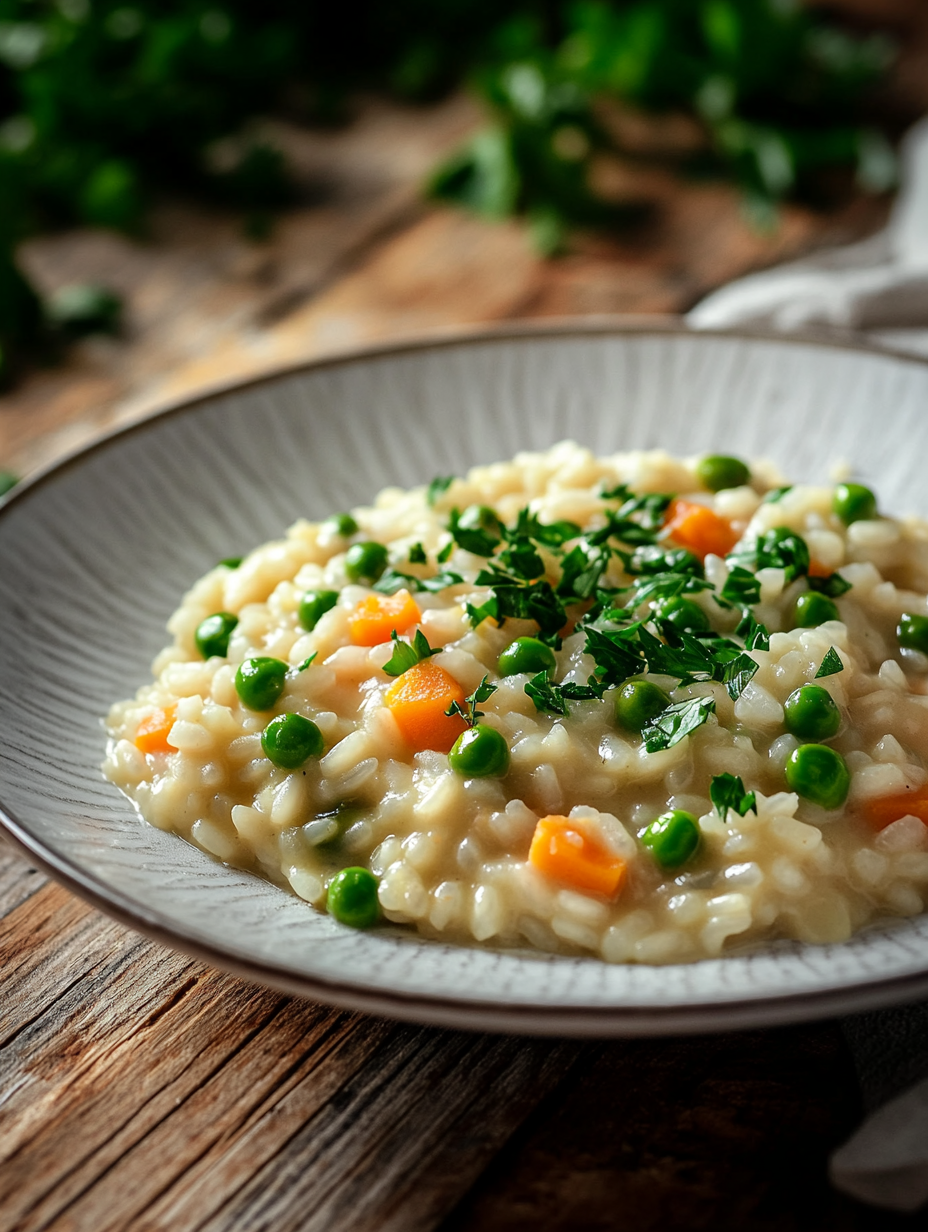
Vegan Risotto: Comfort in Every Creamy Bite
Introduction
There’s something undeniably magic about a pot of risotto simmering on the stove. As a child, I remember standing on a stool beside my grandmother, mesmerized by the transformation of simple ingredients into a creamy, dreamy dish. The soft, rhythmic stirring and the gentle bubbling of the broth enveloped us in a soothing embrace. I can still recall the earthy scent of sautéed onions and garlic mingling with the freshness of herbs, wafting through the kitchen and drawing the family together.
As a vegetarian, I often found comfort in creamy risotto, but my journey into plant-based cooking led me to discover that you can achieve that same lush texture and rich flavor without any dairy. That’s how my love affair with vegan risotto began. Each time I make it, I’m transported back to those sunny afternoons in my grandmother’s kitchen, where every spoonful felt like a warm hug.
This dish is not just a recipe; it’s a celebration of wholesome ingredients and the art of patience. The simple act of stirring and adding broth gradually, watching the rice absorb the liquid, is almost meditative. You’ll find joy in crafting this vegan risotto, filled with earthy mushrooms, vibrant spinach, and a hint of lemon that brightens the entire dish. Whether you’re sitting down for a family dinner or enjoying a quiet night in, this risotto invites you to savor each creamy, comforting bite.
Why This Recipe Works
Creating the perfect risotto is all about technique, and this vegan risotto recipe is no exception. The key lies in the arborio rice, a short-grain rice known for its high starch content. As you cook the rice slowly, it releases this starch, resulting in that signature creamy texture without the need for cream or cheese. This is a wonderful opportunity to showcase the importance of patience in cooking: the gradual addition of warm vegetable broth allows the rice to absorb the flavors fully while maintaining its al dente bite.
The flavor profile of this dish is built on a foundation of fresh ingredients. The sautéed onions and garlic not only caramelize beautifully but also add depth and warmth. The earthy notes of mushrooms contribute a satisfying umami flavor, while the fresh spinach introduces a pop of color and nutrients. Nutritional yeast acts as a dairy substitute, offering a cheesy flavor that elevates the dish. By incorporating herbs like thyme and a splash of lemon juice, you create a well-rounded flavor spectrum that’s both comforting and refreshing.
Moreover, this risotto is a blank canvas, allowing you to get creative with whatever vegetables you have on hand. You can swap in seasonal produce or even add legumes for a protein-packed twist. This flexibility, combined with its rich taste and creamy texture, makes this vegan risotto a reliable and delightful addition to your meal rotation.
What Makes It Special
What sets this vegan risotto apart from the typical restaurant or store-bought versions are its wholesome ingredients, customizable nature, and the sheer joy of making it from scratch. Here are a few unique qualities that elevate this dish:
– Homemade Goodness: Unlike many restaurant versions that may be heavy on cream or cheese, this risotto uses nutritional yeast and fresh vegetables to create a light yet satisfying dish. You’ll feel good about the ingredients you’re consuming.
– Customizable: One of the best aspects of this recipe is its flexibility. You can easily adapt it to suit your preferences or what’s in season. Swap out the spinach for kale, add peas for a pop of sweetness, or toss in some roasted squash for a hint of autumn. The possibilities are endless!
– Comforting and Satisfying: The creamy texture and rich flavors of this risotto provide that ultimate comfort food experience. It’s perfect for a cozy night in or when you want to impress guests with a gourmet plant-based meal.
– Nutritional Benefits: Packed with vegetables and fortified with nutritional yeast, this dish not only satisfies your cravings but also nourishes your body. The addition of fresh greens boosts the nutrient profile, making it a wholesome choice for any meal.
With these unique qualities, this vegan risotto stands out as a dish that brings together comfort, creativity, and health in every bite.
Ingredient Breakdown
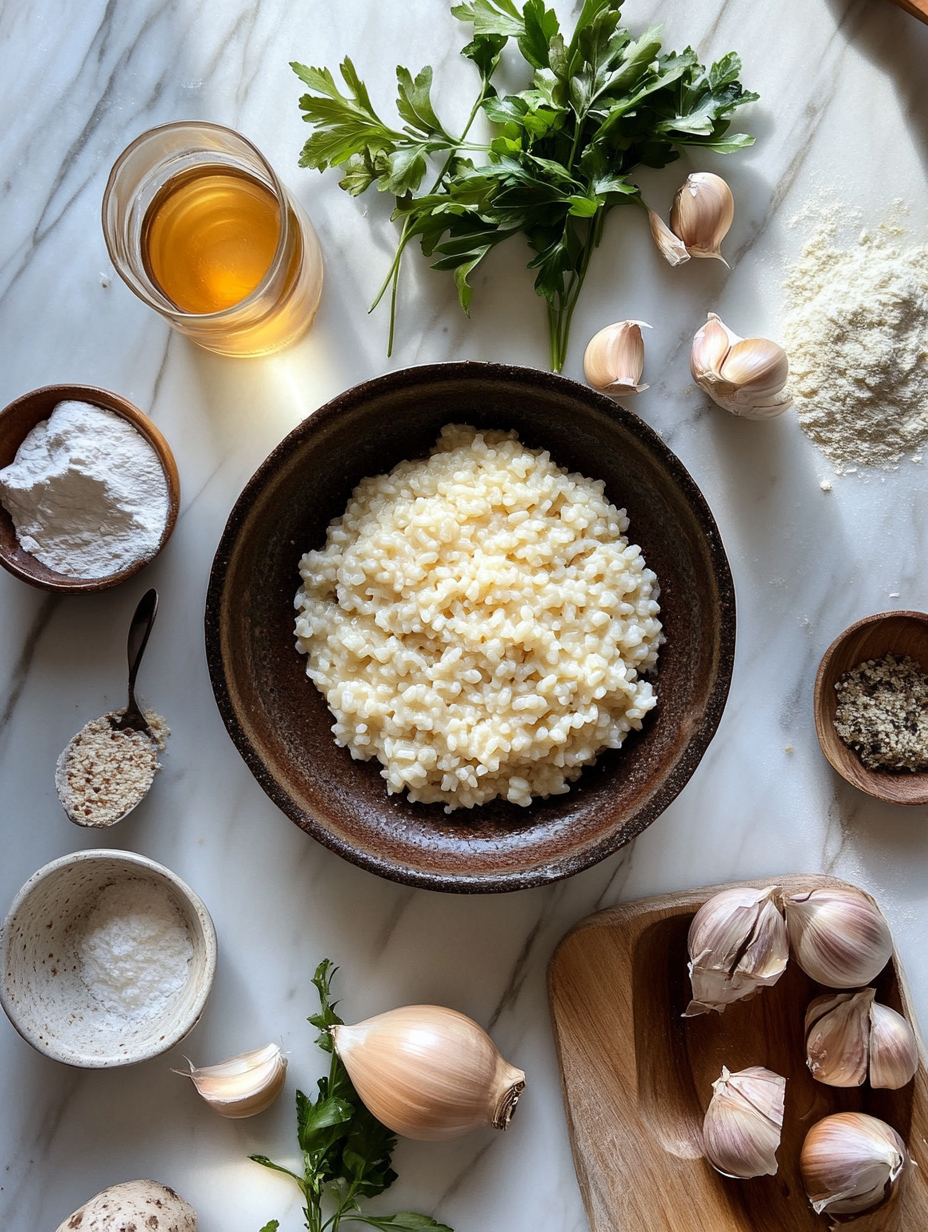
Understanding the role of each ingredient in your vegan risotto can elevate your cooking experience and inspire creativity in the kitchen. Let’s take a closer look at the key players in this dish:
– Arborio Rice: The star of the show, arborio rice is a short-grain variety that is crucial for achieving that creamy texture. Its high starch content helps create a natural creaminess as it cooks. If you can’t find arborio, you can substitute it with other short-grain varieties like Carnaroli or Vialone Nano, though they may yield slightly different textures.
– Vegetable Broth: This is the liquid gold that imparts flavor to your risotto. Using high-quality vegetable broth will make a significant difference in the final taste. You can make your own by simmering vegetable scraps, or opt for low-sodium store-bought versions. For a gluten-free option, ensure your broth is certified gluten-free.
– Onion and Garlic: These aromatics form the flavor base of the dish. The onion adds sweetness, while the garlic infuses the risotto with a lovely depth. If you’re sensitive to onions, you can use leeks or shallots as a milder alternative.
– Mushrooms: They contribute an earthy umami flavor that complements the creaminess of the rice. You can use any variety, but cremini or shiitake mushrooms work particularly well. For a different twist, try adding some sautéed asparagus or roasted bell peppers.
– Spinach: A nutritious addition that wilts beautifully into the risotto. Feel free to substitute it with other greens like kale or Swiss chard. If you’re using frozen spinach, make sure to thaw and drain it beforehand.
– Nutritional Yeast: This ingredient is a game-changer for vegan dishes, providing a cheesy flavor without any dairy. It’s also packed with B vitamins. If you can’t find it, consider using a vegan cheese alternative, but be sure to adjust the salt accordingly.
– Olive Oil: A staple in many kitchens, olive oil adds richness and helps sauté the aromatics. You can substitute it with avocado oil or coconut oil for a different flavor profile.
– Salt and Black Pepper: Essential for enhancing flavors. Always taste as you go to ensure that your risotto is seasoned to your liking.
– Dried Thyme: Thyme adds a touch of earthiness and herbal notes that elevate the overall flavor. You can use fresh thyme if available—just double the amount.
– Lemon Juice: A splash of lemon juice at the end brightens the dish and balances the flavors with a zesty kick. Lime juice can also work if you prefer a different citrus note.
By understanding these ingredients and their roles, you’ll not only create a delicious vegan risotto, but you’ll also feel empowered to make variations that suit your taste or dietary needs.
Equipment Needed
To craft your vegan risotto, you’ll need a few essential tools that will help make the cooking process seamless and enjoyable:
– Medium Saucepan: This is where you’ll keep your vegetable broth warm. A heavy-bottomed saucepan is ideal, as it distributes heat evenly and prevents the broth from scorching.
– Large Skillet or Sauté Pan: You’ll use this for the main cooking of the risotto. A wide pan allows for better evaporation of the liquid, helping achieve that creamy consistency. Look for a non-stick option to make cleanup easier.
– Wooden Spoon or Silicone Spatula: A sturdy spoon is essential for stirring the rice and broth, ensuring it cooks evenly and doesn’t stick to the bottom of the pan. A silicone spatula can also be useful for scraping down the sides and ensuring nothing is wasted.
– Ladle: This handy tool is perfect for adding broth gradually to the rice, allowing you to control the amount and timing.
– Measuring Cups and Spoons: Accurate measurements are key to achieving the perfect balance of flavors. A set of measuring cups and spoons ensures you get it just right every time.
– Cutting Board and Knife: You’ll need these for chopping your vegetables and aromatics. A sharp knife will make food prep quicker and safer.
– Serving Bowl: Once your risotto is ready, a beautiful serving bowl will showcase your creation and make it even more inviting to dig into.
If you’re on a budget, many of these tools can be found at affordable prices, both in stores and online. Investing in quality equipment will make your cooking experience more enjoyable and efficient, allowing you to focus on creating a delicious vegan risotto that will impress yourself and your guests!
Step-by-Step Instructions
1. Warm the Broth
Start by pouring your 4 cups of vegetable broth into a medium saucepan. Set it on low heat and let it warm up. This step is crucial since adding cold broth will shock the rice and slow down the cooking process. As the broth warms, you might hear gentle bubbling, which is a sign that it’s heating up nicely.
2. Sauté the Onion
In a large skillet, drizzle in 2 tablespoons of olive oil over medium heat. Once the oil is shimmering, toss in a finely chopped medium onion. Sauté it for about 3 minutes. You’ll know it’s ready when you see the onion turning translucent, and you’re greeted with a sweet, aromatic scent that fills your kitchen.
3. Cook the Mushrooms and Garlic
Next, add 2 cloves of minced garlic and 1 cup of sliced mushrooms to the skillet. Stir them in and let them cook for an additional 5 minutes. You’re looking for the mushrooms to soften and release their moisture, creating a rich, earthy aroma. The garlic will become fragrant, enhancing the overall flavor profile.
4. Toast the Rice
Now, it’s time to introduce the 1 cup of arborio rice to the skillet. Stir it into the mixture and cook for 1-2 minutes. This step, known as toasting, will give your risotto a lovely nutty flavor. Listen for a gentle sizzling sound, indicating the rice is absorbing the flavors of the onions and mushrooms.
5. Incorporate the Broth Gradually
Begin adding the warm vegetable broth to the rice mixture, one ladle at a time. Stir frequently, allowing the rice to absorb most of the liquid before adding more. This should take about 15 minutes. You’ll notice the risotto becoming creamier with each addition. The sound of stirring will be soothing, almost like a gentle lullaby in your kitchen.
6. Finish with Greens and Seasoning
Once the rice is creamy and al dente, stir in 1 cup of chopped spinach, 0.5 cup of nutritional yeast, 1 teaspoon of salt, 0.5 teaspoon of black pepper, 0.5 teaspoon of dried thyme, and 1 tablespoon of lemon juice. Cook for another 2-3 minutes until the spinach wilts. The mixture will take on a vibrant green hue and a delightful fragrance—this is your sign that it’s time to serve.
Chef’s Note: When adding the broth, be patient and stir consistently. This is what helps the risotto achieve its signature creaminess!
Pro Tips for the Best Results
1. Use Arborio Rice: This short-grain rice is essential for a creamy texture. It releases starches as it cooks, which is key for the luscious consistency of risotto.
2. Keep Broth Warm: Always use warm broth! Cold broth will slow down the cooking process and affect the final texture. A low simmer is ideal to keep it at the perfect temperature.
3. Stir Regularly: Frequent stirring is essential to help the rice release its starches. This stirring action will coax out the creaminess that makes risotto so delightful.
4. Don’t Rush the Broth: Patience is key. Wait until the liquid is almost fully absorbed before adding the next ladle of broth. This ensures even cooking and prevents mushiness.
5. Add Ingredients in Stages: Adding the spinach and other ingredients towards the end keeps them vibrant and fresh, adding a nice contrast to the creamy rice.
6. Experiment with Nutritional Yeast: Nutritional yeast adds a cheesy flavor without dairy. You can adjust the amount to taste, depending on your preference for cheesiness.
7. Finish with Fresh Herbs: Consider adding fresh herbs like basil or parsley just before serving. They enhance the flavor and provide a pop of color.
8. Serve Immediately: Risotto is best served fresh and hot. If it sits too long, it will thicken, losing that creamy texture.
Common Mistakes to Avoid
1. Using the Wrong Rice: Substituting arborio rice with other types can lead to a less creamy texture. Always opt for short-grain varieties known for risotto.
2. Cold Broth: Adding cold broth can disrupt the cooking process. Always keep your broth warm to ensure smooth cooking.
3. Not Stirring Enough: If you neglect to stir, the rice may stick to the bottom of the pan and burn. Stirring helps to release starches and create that creamy consistency.
4. Adding Too Much Broth at Once: If you dump in too much broth, the rice won’t absorb it properly, leading to a watery risotto. Always add it gradually, one ladle at a time.
5. Overcooking the Rice: Letting the rice cook until it’s mushy ruins the dish. Aim for a perfect al dente texture, where the rice is tender but still has a slight bite.
6. Skipping the Seasoning: If you forget to season, your risotto may taste bland. Ensure you add salt and pepper during cooking, and season to taste before serving.
7. Letting It Sit: Risotto should be served immediately after cooking. If it sits, it can become gummy. If you must wait, keep it on low heat and add a splash of broth to loosen it up before serving.
Creative Variations
1. Seasonal Risotto: Embrace the flavors of each season! In spring, add asparagus and peas for a fresh touch. During autumn, consider incorporating roasted butternut squash and sage for a warm, comforting dish.
2. Dietary-Friendly: For a gluten-free version, ensure your vegetable broth is certified gluten-free. You can also substitute the nutritional yeast with a dairy-free cheese alternative to cater to various dietary needs.
3. Gourmet Elevated: Impress your guests by elevating your risotto with sautéed truffle oil and wild mushrooms. Finish with a sprinkle of fresh herbs and a drizzle of balsamic reduction for a restaurant-quality dish.
4. Quick 15-Minute Risotto: Short on time? Use pre-cooked rice and simply reheat it with warm broth, stirring in sautéed vegetables and nutritional yeast. This version won’t be quite as creamy but can still be deliciously satisfying.
5. Kid-Friendly: Make it fun for kids by adding colorful vegetables like bell peppers and peas. You can also stir in some vegan cheese to make it extra cheesy and appealing.
6. International Twist: Add a splash of soy sauce and sesame oil for an Asian twist, or incorporate curry spices and coconut milk for an Indian-inspired dish. These variations can add exciting new flavors to your risotto experience.
7. Spicy Kick: For those who enjoy a bit of heat, toss in some crushed red pepper flakes when you sauté the onions. Serve with sliced jalapeños on top for an extra spicy kick.
By exploring these variations and tips, you can transform your vegan risotto into a versatile dish that suits your taste preferences or dietary needs, ensuring it remains a beloved staple in your kitchen.
Serving Ideas
When it comes to plating your vegan risotto, presentation can elevate the dining experience. Here are a few ideas to get you started:
1. Classic Bowl: Serve the risotto in a shallow bowl, allowing the creamy texture to shine through. Top with a sprinkle of fresh herbs, such as parsley or basil, for a pop of color.
2. Mushroom Medley: Sauté extra mushrooms with a bit of olive oil and garlic, then use them as a savory topping on each serving. This not only enhances the flavor but also adds a delightful texture.
3. Nutty Finish: For added crunch, sprinkle some toasted pine nuts or slivered almonds on top before serving. This contrast in texture will make each bite even more enjoyable.
4. Lemon Zest Garnish: Grate a bit of fresh lemon zest over the risotto for a refreshing aroma that brightens the dish. Just be careful not to overdo it; a little goes a long way.
5. Portion Control: For a dinner party, consider serving the risotto in small ramekins or cups for individual portions. This makes for a sophisticated presentation and encourages guests to savor every bite.
Remember, the key to a great presentation is not just in the ingredients but also in how you layer and garnish your dish. Enjoy the process!
What to Serve With
Pairing your vegan risotto with complementary dishes can transform your meal into a delightful experience. Here are some pairing suggestions that work beautifully together:
1. Grilled Asparagus: The smoky flavor and crunch of grilled asparagus add a wonderful contrast to the creamy risotto. Plus, asparagus is a seasonal favorite that elevates your plate.
2. Garlic Bread: A slice of warm, crusty garlic bread is the perfect accompaniment. It not only complements the risotto’s creaminess but also provides a delightful way to scoop up any leftovers.
3. Simple Green Salad: A fresh salad with mixed greens, cherry tomatoes, and a light vinaigrette balances the richness of the risotto. The acidity from the dressing will enhance the flavors of the dish.
4. Roasted Vegetables: A medley of seasonal roasted vegetables, like zucchini, bell peppers, and carrots, adds both color and nutrition to your meal. Their caramelized sweetness pairs wonderfully with the savory notes of the risotto.
5. Wine Pairing: A crisp, white wine like a Sauvignon Blanc or a light Pinot Grigio complements the creamy texture and earthy flavors of the risotto while providing a refreshing contrast.
6. Vegan Protein: For a heartier meal, consider serving the risotto alongside a protein like grilled tofu or chickpea patties. This adds protein to your meal while keeping it plant-based.
These pairings not only create a balanced plate but also enhance your overall dining experience.
Storage Guide
Storing your vegan risotto properly ensures that you can enjoy any leftovers without compromising flavor or texture. Here’s how to do it:
– Container Type: Use an airtight container to prevent moisture loss and keep your risotto fresh. Glass containers are excellent for this purpose as they are non-toxic and microwave-safe.
– Temperature: Allow the risotto to cool to room temperature before transferring it to the fridge. This helps to avoid condensation, which can make the dish soggy.
– Shelf Life: Properly stored, your risotto will last for about 3-4 days in the refrigerator. Beyond that, the texture may degrade, and the flavors might become bland.
– Signs of Spoilage: If you notice any off smells, discoloration, or a change in texture (like excessive dryness or sogginess), it’s best to discard it. Always trust your senses!
– Refreshing Leftovers: When you’re ready to enjoy the risotto again, you can add a splash of vegetable broth or water while reheating. This will help restore its creamy consistency.
Taking these steps will ensure your risotto remains delicious, even after a few days in the fridge!
Freezing Tips
If you find yourself with extra vegan risotto that you can’t finish, freezing it is a great option. Here’s how to do it effectively:
– Freezing Well: Risotto can freeze well, but keep in mind that the texture may change slightly after thawing. It’s best enjoyed freshly made for the ultimate creamy experience.
– Portioning: To make reheating easier, consider portioning the risotto into meal-sized containers or freezer bags. This way, you can defrost only what you need.
– Freezing Duration: Your risotto can last in the freezer for about 2-3 months. Be sure to label your containers with the date for easy tracking.
– Thawing Method: The best way to thaw frozen risotto is to place it in the refrigerator overnight. If you’re short on time, you can also use the microwave’s defrost setting, but be cautious not to overheat it.
By following these tips, you can enjoy your vegan risotto even when time is short!
Reheating Guide
Reheating your vegan risotto can be simple and effective, ensuring you enjoy its creamy goodness even on the second day. Here’s how to do it using different methods:
– Microwave: Transfer your risotto to a microwave-safe bowl, adding a splash of vegetable broth or water to help restore creaminess. Cover it loosely with a microwave-safe lid or a damp paper towel to trap moisture. Heat in 30-second intervals, stirring in between, until heated through.
– Oven: Preheat your oven to 350°F (175°C). Place the risotto in an oven-safe dish and add a bit of vegetable broth or water. Cover with aluminum foil and bake for about 15-20 minutes, or until heated through. Stir halfway to ensure even heating.
– Stovetop: In a skillet, add your risotto along with a splash of vegetable broth or water. Heat over medium-low heat, stirring frequently, until warmed through. This method helps to maintain the creamy texture.
Each of these methods will help you enjoy your risotto just as much as when it was freshly made!
Nutrition Overview
Your vegan risotto is not just delicious; it’s also packed with nutrients! Here’s a quick look at its nutritional profile:
– Calories: Each serving contains approximately 350-400 calories depending on the specific ingredients and portions.
– Macros: You can expect about 10-12g of protein, 5-7g of fat, and 70-80g of carbohydrates per serving. The nutritional yeast adds a hearty dose of B vitamins, making it a great source of energy.
– Health Benefits:
– Spinach: Rich in iron, vitamins A and C, and antioxidants, spinach supports overall health and boosts your immune system.
– Nutritional Yeast: This ingredient is a fantastic source of complete protein and essential vitamins, particularly B12, which is important for vegans and vegetarians.
– Mushrooms: Packed with fiber and various nutrients, mushrooms can help boost your immune system and reduce inflammation.
Enjoying this risotto not only satisfies your hunger but also contributes to a balanced, nutritious diet!
Frequently Asked Questions
Q: Can I make this risotto ahead of time?
A: While risotto is best enjoyed fresh, you can prepare it in advance and store it in the refrigerator for up to 4 days. Just remember to add some broth or water when reheating to revive its creamy texture.
Q: What can I substitute for nutritional yeast?
A: If you don’t have nutritional yeast on hand, you can use vegan Parmesan cheese or omit it altogether. Keep in mind that nutritional yeast adds a cheesy flavor, so you may want to season the risotto with extra herbs or spices.
Q: Is arborio rice gluten-free?
A: Yes! Arborio rice is naturally gluten-free, making this risotto a great option for those with gluten sensitivities or celiac disease.
Q: Can I add other vegetables to the risotto?
A: Absolutely! Feel free to customize your risotto with your favorite vegetables, such as peas, zucchini, or bell peppers. Just adjust cooking times accordingly to ensure everything is perfectly tender.
Q: How can I make this risotto creamier?
A: For an extra creamy texture, try adding a splash of coconut milk or a dollop of vegan cream cheese as you stir in the spinach. This will enhance the richness without compromising the vegan nature of the dish.
Q: Can I use brown rice instead of arborio rice?
A: While you can use brown rice, the cooking time will be longer, and the texture won’t be as creamy. Arborio rice is ideal for risotto because it releases starch during cooking, creating that signature creaminess.
Q: What is the best way to serve risotto?
A: Risotto is best served hot in a shallow bowl, garnished with fresh herbs or a drizzle of olive oil. This presentation not only looks appealing but also enhances the flavors.
Q: How do I know when the risotto is done?
A: The risotto should be creamy and the rice should have a slight bite (al dente). It typically takes about 18-20 minutes of cooking once you start adding the broth. Taste as you go to achieve the perfect texture.
Final Thoughts
Making vegan risotto is not just about cooking; it’s an experience that invites you to be creative and enjoy the process. A key tip for success is to stir frequently as you add the broth, allowing the rice to absorb the flavors fully.
Let your imagination run wild with seasonal vegetables and creative garnishes to make this dish your own! I truly hope you try this recipe and share it with friends and family. The warmth and comfort of this creamy risotto is something you’ll want to revisit time and again. So gather your ingredients, get cooking, and enjoy each delightful bite!