Follow Me On Pinterest!



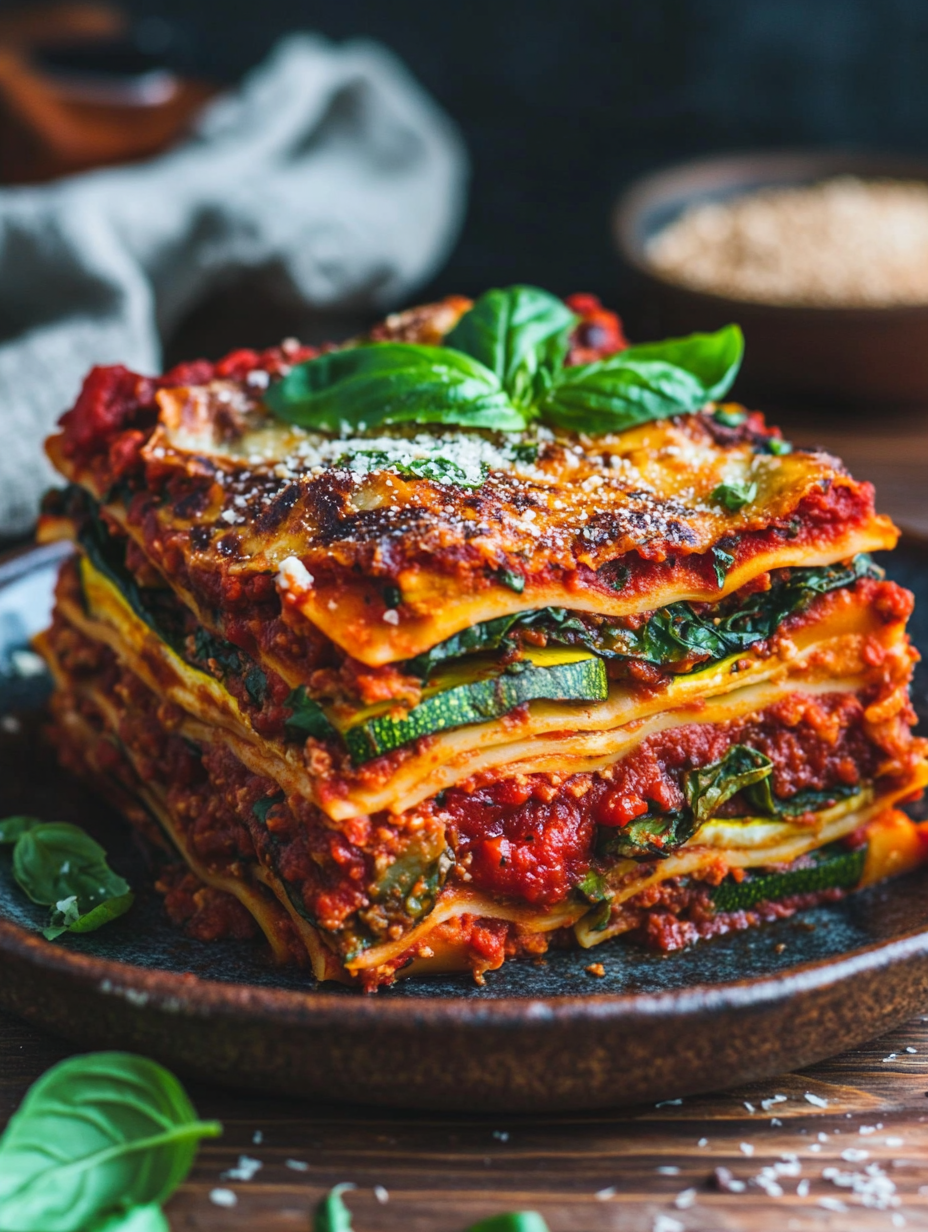
Vegan Lasagna: A Plant-Powered Comfort Classic
Introduction
There’s something truly magical about the smell of lasagna baking in the oven. As a child, I vividly remember those cozy Sunday afternoons when my grandmother would gather us all in her kitchen. The air would fill with the rich aroma of simmering tomato sauce, mixed with the earthy scent of sautéed vegetables. Lasagna was her specialty, and she made it with layers of love and laughter, always ensuring that everyone had a heaping portion on their plate.
Now, as an adult, I find myself recreating those cherished memories but with a twist that aligns with my current vegan lifestyle. This vegan lasagna is not just a meal; it’s a celebration of flavors, textures, and the beautiful bounty of vegetables. The creamy cashew cheese adds a luxurious touch that would make anyone forget they’re missing out on dairy. With every forkful, I’m transported back to those warm, sunlit afternoons, surrounded by family, sharing stories and enjoying delicious food.
So, if you’re ready to dive into a dish that embodies comfort while being entirely plant-based, this vegan lasagna is waiting for you. It’s hearty, satisfying, and perfect for sharing with loved ones—whether they’re vegan or not. Let’s embark on this culinary journey together!
Why This Recipe Works
This vegan lasagna stands out not only for its delicious taste but also for its clever use of technique and science to create layers of flavor. First and foremost, the lasagna noodles serve as the backbone of this dish, providing structure and a satisfying chew. Opting for whole wheat or gluten-free noodles ensures that everyone can enjoy this meal, regardless of dietary preferences.
The sautéed vegetables—mushrooms, zucchini, bell peppers, and spinach—play a crucial role in both flavor and nutrition. When sautéed, these veggies release their natural sweetness, enhancing the dish’s overall depth. The mushrooms, in particular, bring a meaty texture that is often sought after in traditional lasagna, making this dish feel indulgent without the use of animal products.
The cashew cheese is a game changer. By soaking the cashews and blending them into a creamy base, you create a rich, dairy-free alternative that replicates the mouthfeel of ricotta cheese. Nutritional yeast adds a hint of cheesiness while also boosting the nutritional profile with B vitamins. This combination of ingredients not only makes the dish flavorful but ensures each bite is packed with healthy goodness.
Finally, layering is key. This recipe guides you through creating distinct layers that meld together during baking, resulting in a cohesive dish that feels both luxurious and hearty. The final bake transforms the crushed tomatoes into a bubbling sauce that seeps into the layers, marrying the flavors and creating that satisfying experience we all crave from a classic lasagna.
What Makes It Special
What sets this vegan lasagna apart from the typical restaurant or store-bought versions? Here are a few unique qualities that make it truly special:
– Fresh, Whole Ingredients: Unlike many store-bought options that can contain preservatives and artificial flavors, this recipe utilizes real, fresh vegetables and wholesome ingredients. You get to control what goes in, ensuring a healthier and tastier meal.
– Customizable Layers: One of the best aspects of this lasagna is its adaptability. You can easily swap in your favorite vegetables or even add lentils for extra protein. This versatility means you can make it unique every time you prepare it.
– Creamy Cashew Cheese: The cashew cheese not only provides a deliciously creamy texture but also introduces healthy fats and protein. It’s a fantastic alternative to traditional cheese, making this dish both guilt-free and satisfying.
– Simple Preparation: While lasagna can often feel like an all-day affair, this recipe is straightforward and doesn’t require complicated techniques. It’s perfect for both novice cooks and seasoned chefs, making it an accessible option for everyone.
Ingredient Breakdown
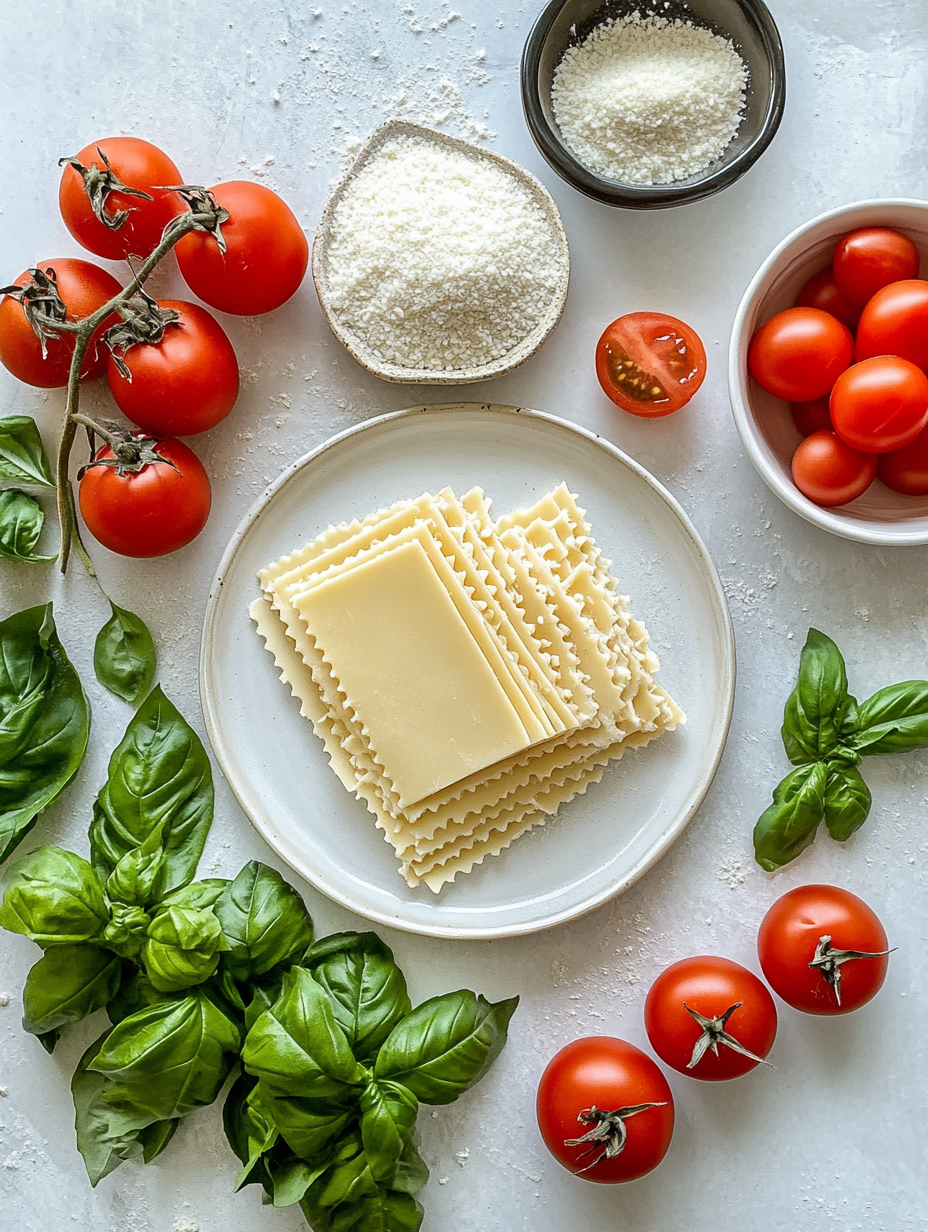
Creating the perfect vegan lasagna starts with understanding each ingredient’s role in the dish. Here’s a closer look at what goes into this recipe and how you can customize it to fit your taste or dietary needs:
– Lasagna Noodles: Traditional or whole wheat noodles are great, but you can also use gluten-free varieties made from alternative grains like chickpeas or brown rice. The noodles provide the structure for your layers, so be sure to choose what works best for you.
– Spinach: Packed with nutrients, spinach adds a boost of vitamins A and K. If fresh spinach isn’t available, you can substitute it with frozen spinach—just be sure to thaw and drain it well before adding it to the layers.
– Mushrooms: These earthy delights not only enhance the flavor but also bring a meaty texture. If you don’t have mushrooms on hand, you can replace them with diced eggplant or additional zucchini.
– Zucchini: Zucchini is a fantastic way to add moisture and a mild flavor to your lasagna. If you’re looking for alternatives, consider using yellow squash or even thinly sliced carrots for a different twist.
– Bell Pepper: Sweet and colorful, bell peppers add a pop of flavor and nutrition. Feel free to experiment with different colors—red, yellow, or orange—for a vibrant dish.
– Crushed Tomatoes: This ingredient forms the basis of your sauce, providing acidity and richness. If you prefer a smoother sauce, you can blend the tomatoes before layering; alternatively, diced tomatoes can add a chunkier texture.
– Cashews: Soaked cashews are the star of your creamy cheese sauce. If you have nut allergies, silken tofu can work as a substitute, creating a similar creamy texture without the nuts.
– Nutritional Yeast: This ingredient is a must-have for anyone looking to mimic cheesy flavors in vegan dishes. It’s also a great source of B12, especially important for those on a vegan diet.
– Garlic Powder & Onion Powder: These seasonings are essential for building a flavorful base. Fresh garlic and onions can also be used—just sauté them with the vegetables for an even stronger flavor.
– Olive Oil: Used for sautéing your vegetables, olive oil adds healthy fats and depth of flavor. If you’re looking for an alternative, avocado oil works beautifully too.
– Salt & Black Pepper: These simple seasonings help enhance the natural flavors of the ingredients. Adjust them to your personal taste, but don’t skip them—they are crucial for a well-balanced dish!
With this understanding of each ingredient, you’re fully equipped to make a delicious vegan lasagna that satisfies both your cravings and your nutritional needs. Happy cooking!
Step-by-Step Instructions
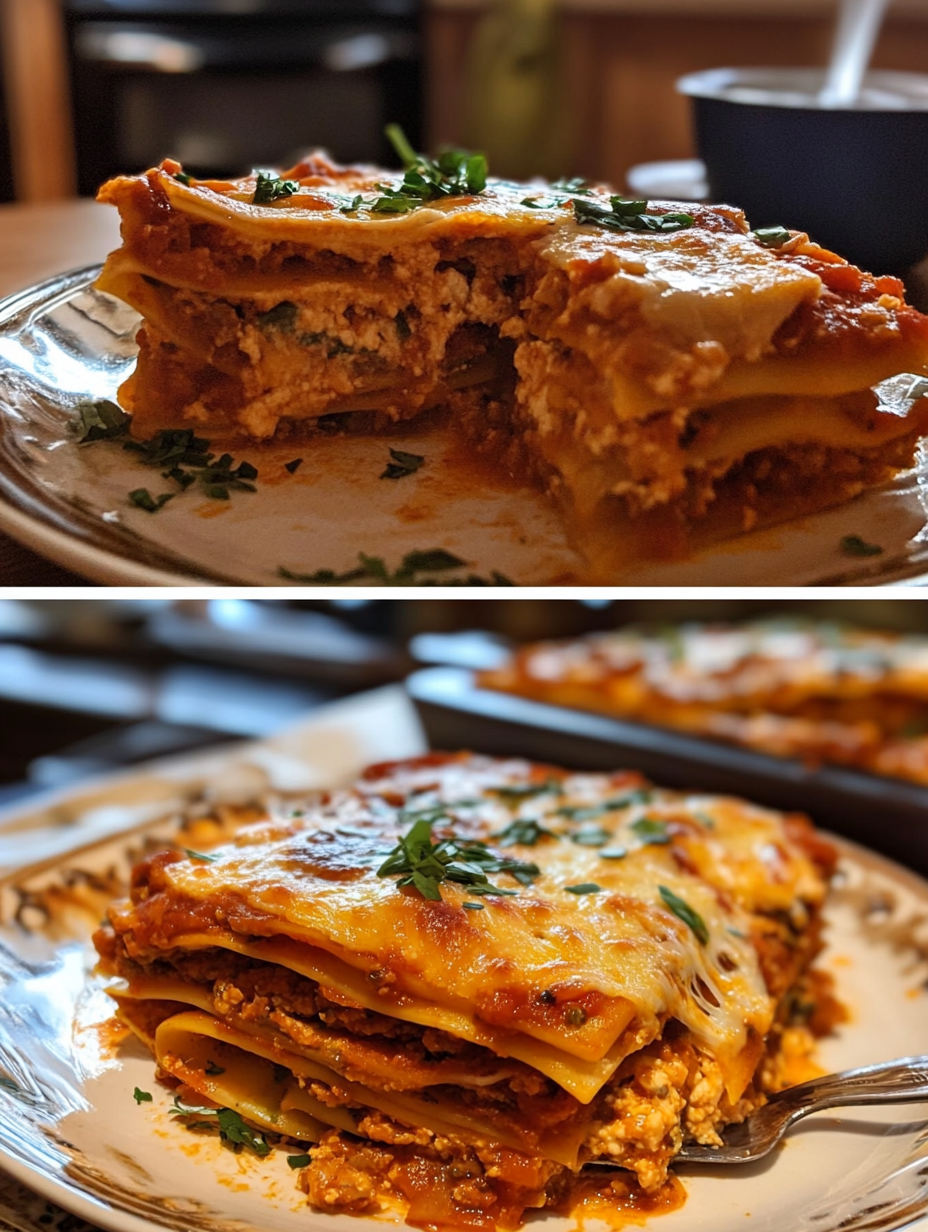
1. Preheat the Oven
What: Start by preheating your oven to 375°F (190°C).
How: Set your oven and allow it to heat up while you prepare the ingredients.
Look/Smell/Hear: You’ll hear the oven fan kick in, signaling that it’s getting ready. A well-preheated oven is essential for even cooking, ensuring that your lasagna cooks through without becoming soggy.
2. Sauté the Vegetables
What: Heat the olive oil in a skillet over medium heat.
How: Add the mushrooms, zucchini, and bell pepper. Sauté for about 5 minutes until softened.
Look/Smell/Hear: Watch the vegetables change color and shrink as they cook. You’ll start to smell the earthy aroma of the mushrooms and the sweet scent of the bell peppers. The sound of sizzling will indicate that they’re cooking properly.
3. Add the Spinach and Season
What: Incorporate the spinach and season the mixture.
How: Stir in the spinach until it wilts, then sprinkle with salt, black pepper, garlic powder, and onion powder.
Look/Smell/Hear: The bright green spinach will reduce significantly in volume, and you’ll smell the savory spices mingling with the cooked vegetables. The sizzle of the spinach wilting should be audible, indicating it’s time to remove it from heat.
4. Make the Cashew Cheese
What: Prepare your creamy cashew cheese.
How: In a blender, combine the soaked cashews, nutritional yeast, and a pinch of salt. Blend until smooth, adding a little water if needed to achieve a creamy consistency.
Look/Smell/Hear: You’ll see the mixture transform from chunky to velvety smooth. The rich, nutty aroma of the cashews will fill the air, and you should hear the blades whirring efficiently.
5. Layer the Lasagna
What: Assemble your lasagna in a baking dish.
How: Start by spreading a thin layer of crushed tomatoes on the bottom, then place three lasagna noodles. Layer half of the sautéed vegetable mixture over the noodles, followed by dollops of half the cashew cheese. Repeat this process and finish with crushed tomatoes and a sprinkle of nutritional yeast on top.
Look/Smell/Hear: The vibrant colors of the vegetables and the creamy white cashew cheese will create a beautiful layered effect. You’ll smell the freshness of the tomatoes and the depth of the cooked vegetables as you build the layers.
6. Bake the Lasagna
What: Bake the assembled lasagna.
How: Cover the baking dish with foil and bake for 20 minutes, then remove the foil and bake for an additional 10 minutes until bubbly.
Look/Smell/Hear: You’ll see the top layer begin to brown slightly and bubble as it nears completion. The aroma of roasted tomatoes and savory vegetables will envelop your kitchen, making it hard to resist peeking inside. Listen for the gentle bubbling sounds of the sauce as it cooks.
7. Serve and Enjoy
What: Let the lasagna cool slightly before serving.
How: Slice into portions, making sure to capture the beautiful layers.
Look/Smell/Hear: The layers should hold together nicely, revealing their colorful contents. The smell will be mouthwatering, a combination of fresh vegetables and savory cashew cheese. You’ll hear the satisfying crunch of the knife slicing through the noodles and layers.
Chef’s Note: Make sure to fully soak the cashews for at least 2-3 hours to achieve that creamy texture. If you forget, a quick soak in boiling water for 30 minutes will work too!
Pro Tips for the Best Results
1. Soak Cashews Properly: Always soak your cashews for at least 2-3 hours (or use boiling water for a quick soak). This ensures that they blend into a smooth, creamy consistency, which is crucial for your cashew cheese.
2. Use Fresh Ingredients: Opt for fresh vegetables whenever possible. Fresh spinach, mushrooms, and bell peppers not only taste better but also add vibrant colors to your dish.
3. Don’t Overcook the Vegetables: Sauté your vegetables just until they’re tender. Overcooking can lead to mushy layers in your lasagna. You want them to retain some texture for the best bite.
4. Adjust Seasonings to Taste: Seasoning is key in vegan cooking. Taste your vegetable mixture before layering; don’t hesitate to add more salt, garlic powder, or even a splash of lemon juice for brightness.
5. Layer Wisely: Make sure to cover the noodles completely with sauce or vegetables to prevent them from drying out during baking. This helps achieve a perfectly moist lasagna.
6. Let it Rest: After baking, allow your lasagna to rest for about 10-15 minutes before slicing. This helps the layers set and makes serving much easier without everything falling apart.
7. Experiment with Cheese Alternatives: If you’re feeling adventurous, try adding different nuts or seeds to your cashew cheese. Almonds or sunflower seeds can provide a unique twist to the flavor profile.
8. Add More Greens: Feel free to sneak in other greens like kale, Swiss chard, or even broccoli for added nutrition and flavor. Just remember to sauté them briefly before layering.
Common Mistakes to Avoid
1. Skipping the Soaking Process: If you skip soaking the cashews, you will end up with a grainy cashew cheese, ruining the creamy texture that makes this dish special. Always soak them for a smooth blend.
2. Using Dry Lasagna Noodles: If you use dry noodles without cooking them first, they may not soften correctly and can lead to a chewy, tough texture. Always check your noodle package for instructions; most require pre-cooking or soaking.
3. Overcomplicating the Seasoning: Over-seasoning can mask the natural flavors of your vegetables. Start with a little and adjust as you go, tasting before layering.
4. Layering Too Much: While it may be tempting to pile on the ingredients, keeping your layers balanced is key. Too many layers can result in an uneven cook and a lasagna that falls apart.
5. Not Covering While Baking: Failing to cover your lasagna while it bakes can lead to a dry top. Always cover with foil for the first part of the baking process to retain moisture.
6. Rushing the Cooling Process: Cutting into your lasagna right after it comes out of the oven may cause it to crumble. Give it time to rest so that the layers can firm up.
7. Forgetting the Nutritional Yeast: This ingredient adds a cheesy flavor without dairy. Omitting it can lead to a bland dish. Remember to include it in your cashew cheese for that rich taste.
Creative Variations
1. Seasonal Lasagna: Adapt your vegetable choices based on the seasons. In autumn, consider using roasted butternut squash and sage. In spring, you can switch to asparagus and peas for a fresh, vibrant taste.
2. Dietary-Friendly Lasagna: For gluten-free options, use gluten-free lasagna noodles or layers of zucchini or eggplant. This keeps the dish healthy while catering to gluten-sensitive diners.
3. Gourmet Elevated Lasagna: Enhance your lasagna by adding gourmet ingredients like truffle oil, sautéed wild mushrooms, or even a layer of roasted garlic. These additions will elevate the dish and impress any guest.
4. Quick 15-Minute Lasagna: If you’re short on time, use no-boil lasagna noodles and pre-washed baby spinach. Simply layer the ingredients without sautéing, and you can have a comforting dish ready in a fraction of the time.
5. Kid-Friendly Lasagna: Sneak in vegetables by blending them into the cashew cheese for a smoother texture. Try adding carrot or sweet potato puree to the cheese for added nutrition without a strong veggie flavor.
6. International Twist: Give your lasagna a twist by incorporating spices from different cuisines. For a Mexican flavor, add black beans, corn, and cumin. For an Asian twist, layer with sautéed bok choy and sesame oil.
7. Breakfast Lasagna: Create a breakfast version by layering with tofu scramble, spinach, and dairy-free cheese. This hearty dish is perfect for brunch gatherings and offers a delightful twist on the classic recipe.
Serving Ideas
When it comes to serving your vegan lasagna, presentation is key! Here are a few ideas to elevate your dish:
1. Garnish with Fresh Herbs: Sprinkle freshly chopped basil or parsley on top just before serving. This adds a pop of color and enhances the dish’s aroma.
2. Drizzle of Balsamic Reduction: A light drizzle of balsamic reduction can add a sweet-tangy contrast to the savory flavors of the lasagna.
3. Serve with a Side Salad: Pair your lasagna with a light arugula salad dressed in lemon vinaigrette. The peppery greens will balance the richness of the lasagna beautifully.
4. Individual Portions: For a more elegant presentation, serve the lasagna in individual ramekins. This makes for a charming presentation and allows guests to have their own portion.
5. Portion Sizes: Aim for generous servings of about 1/4 of the dish per person. This ensures everyone has enough to enjoy while leaving space for a small dessert.
With these serving ideas, your vegan lasagna will not only taste divine but also look spectacular at your table!
What to Serve With
Complement your vegan lasagna with a few delightful sides that enhance the meal. Here are some ideal pairings:
1. Garlic Bread: The classic pairing! The crunch and garlic flavor of the bread beautifully complement the soft, creamy layers of the lasagna.
2. Roasted Vegetables: Seasonal roasted vegetables like carrots, broccoli, and Brussels sprouts add color and a nutritious boost to your plate.
3. Caprese Salad: A fresh caprese salad with ripe tomatoes, vegan mozzarella, and basil provides a refreshing contrast to the richness of the lasagna.
4. Chickpea Salad: A chickpea salad with cucumbers, red onion, and lemon dressing adds protein and a zesty kick, making the meal more filling.
5. Vegan Caesar Salad: The creamy dressing and crunchy romaine lettuce of a vegan Caesar salad can add a refreshing crunch that pairs well with the hearty lasagna.
6. Wine Pairings: A glass of red wine, like a Chianti, can enhance the flavors of the lasagna due to its acidity, making it a lovely addition to your dining experience.
These combinations will give your meal a delightful variety of flavors and textures, making for a truly satisfying dining experience.
Storage Guide
Storing your vegan lasagna properly ensures it maintains its flavors and textures for future meals. Here’s how to do it:
– Container Type: Use an airtight glass or plastic container with a tight-fitting lid. If you plan to store it in the baking dish, make sure to cover it tightly with plastic wrap or aluminum foil.
– Temperature: Refrigerate the lasagna at a temperature below 40°F (4°C) to keep it safe and fresh.
– Keeping Duration: Properly stored, your vegan lasagna will last for up to 4-5 days in the refrigerator.
– Signs of Spoilage: Look for off odors, a change in texture, or mold growth. If any of these signs appear, it’s best to discard the dish.
– Refreshing Leftovers: To refresh your lasagna before eating, simply reheat it in the oven or microwave until warmed through. This will help restore its creamy texture and enhance the flavors.
By following these guidelines, you can enjoy your delicious vegan lasagna for days to come!
Freezing Tips
If you’d like to enjoy your vegan lasagna later, it freezes remarkably well! Here’s how to do it effectively:
– Freezing Method: Allow the lasagna to cool completely before freezing. Cut it into individual portions for easier thawing later.
– Container: Use freezer-safe containers or wrap each portion tightly in plastic wrap and then aluminum foil to prevent freezer burn.
– Freezing Duration: Your lasagna will keep well in the freezer for about 3 months.
– Thawing Method: To thaw, simply transfer the frozen lasagna to the refrigerator the night before you plan to eat it. If you’re short on time, you can also use the microwave’s defrost setting.
With these tips, you’ll always have a comforting meal ready to go for busy days or unexpected guests!
Reheating Guide
Reheating your vegan lasagna can be done in several ways to ensure it stays delicious and moist. Here’s how to do it:
– Microwave: Place a portion in a microwave-safe dish, cover it with a damp paper towel to retain moisture, and heat on medium power for 2-3 minutes. Check to ensure it’s heated through; if not, continue in 30-second intervals until warm.
– Oven: Preheat your oven to 350°F (175°C). Place the lasagna in a baking dish, cover with foil to prevent it from drying out, and bake for about 20 minutes or until heated through.
– Stovetop: For stovetop reheating, slice your lasagna into portions and place it in a skillet over medium-low heat. Add a splash of water or vegetable broth, cover, and cook for about 10 minutes, turning occasionally until heated.
These methods will keep your vegan lasagna tasting freshly made, ensuring every bite is satisfying!
Nutrition Overview
Your hearty vegan lasagna not only delights the palate but also offers a nutritious meal option. Here’s a quick look at its nutritional profile:
– Calories: Approximately 300 calories per serving.
– Macros: Each serving contains around 12g of protein, 18g of carbohydrates, and 20g of fat.
Key ingredients like spinach add a wealth of vitamins A and K, while cashews provide healthy fats and plant-based protein. The addition of nutritional yeast not only enhances flavor but is also a great source of B vitamins, making this dish both nourishing and satisfying.
Enjoy the health benefits while indulging in a comforting, delicious meal!
Frequently Asked Questions
Q: Can I make this lasagna gluten-free?
A: Yes! Simply substitute regular lasagna noodles with gluten-free varieties. There are many options available made from brown rice or lentils that work beautifully in this recipe.
Q: Can I prepare this lasagna ahead of time?
A: Absolutely! You can assemble the lasagna a day in advance and store it in the refrigerator unbaked. When you’re ready to enjoy it, simply pop it in the oven.
Q: What can I substitute for cashews in the cheese mixture?
A: If you have nut allergies, try using silken tofu blended with nutritional yeast and a splash of lemon juice for a creamy alternative.
Q: How do I store leftover lasagna?
A: Store any leftovers in an airtight container in the refrigerator for up to 4-5 days. You can also freeze portions for later enjoyment.
Q: Is this recipe kid-friendly?
A: Yes! The creamy texture and familiar flavors make it a hit with kids. You might even consider adding more vegetables they enjoy for added nutrition.
Q: Can I use different vegetables?
A: Absolutely! Feel free to mix in your favorite veggies like eggplant, kale, or even carrots. Just be sure to sauté them lightly before layering.
Q: How do I make it spicier?
A: If you enjoy a bit of heat, try adding red pepper flakes to the vegetable mixture or layer in some sliced jalapeños for a spicy kick.
Q: Can I make this without nutritional yeast?
A: While nutritional yeast adds a cheesy flavor, you can omit it or replace it with a tablespoon of miso paste to still achieve depth in flavor.
Final Thoughts
As you prepare to dive into this comforting and hearty vegan lasagna, remember that cooking is all about enjoying the process and making it your own. One key tip is to experiment with your favorite vegetables and seasonings to elevate the flavors even more.
Don’t hesitate to share this delightful recipe with friends and family, inviting them to experience the joy of plant-based cooking. Your enthusiasm for vegan meals will shine through, and you may inspire others to explore the wonders of vegan cuisine. Enjoy every bite, knowing you’ve created a delicious, nourishing dish that’s sure to please everyone at the table!