Follow Me On Pinterest!



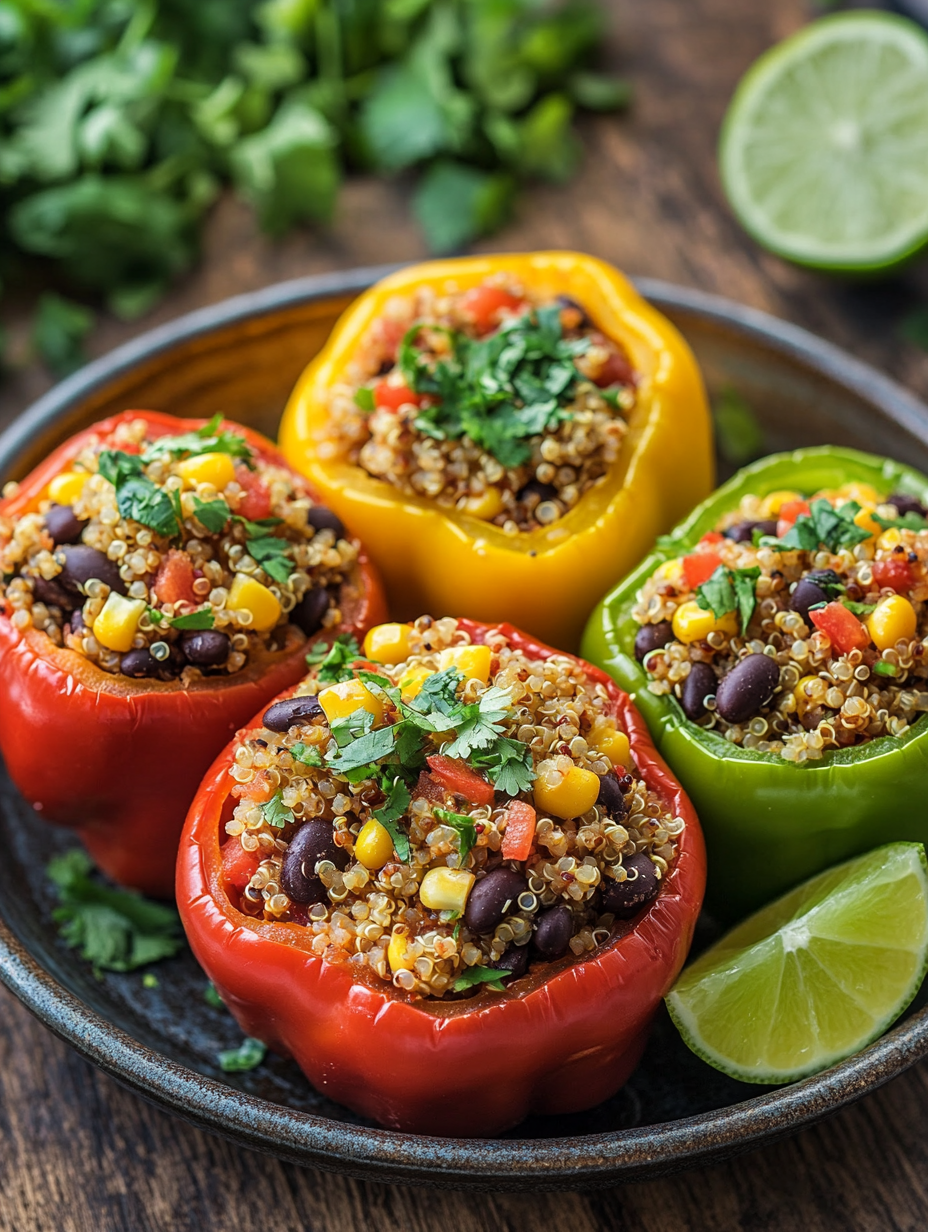
Vegan Stuffed Peppers: A Colorful Meal that Nourishes Body and Soul
Introduction
There’s something magical about the moment you slice through the vibrant skin of a bell pepper, revealing its crisp, juicy insides. I still remember the first time I tasted a stuffed pepper. I was just a kid, helping my grandmother in her sun-drenched kitchen, where the air was thick with the aroma of sautéed onions and garlic. We would carefully hollow out each pepper, the skins a kaleidoscope of reds, greens, and yellows, ready to be filled with a symphony of flavors.
Years later, I began my journey into the world of vegan cooking, driven by a desire to create dishes that were not only delicious but also kind to our planet. As I experimented with different ingredients, I returned to that old recipe, replacing the meat with hearty quinoa, black beans, and a rainbow of spices. The result? A dish that not only reminded me of my grandmother’s love but also catered to my new lifestyle.
Every bite of these vegan stuffed peppers transports me back to that kitchen, where love and food intertwined. The peppers are tender yet crisp, the filling bursting with protein-rich goodness and vibrant flavors that remind me that cooking can be both nourishing and comforting. Whether you’re hosting a family dinner or simply craving something hearty, these stuffed peppers are the perfect way to bring a little warmth to your table.
Why This Recipe Works
What makes these vegan stuffed peppers a standout dish is not just their vibrant appearance, but the thoughtful combination of ingredients that work beautifully together. The base of fluffy, nutty quinoa brings a delightful texture, while black beans add a rich creaminess and a boost of protein. When you cook quinoa in vegetable broth, it absorbs the savory flavors, creating a depth that elevates the whole dish.
The spices—cumin and smoked paprika—are the unsung heroes here. Cumin infuses an earthy warmth, reminding you of sun-soaked spices from far-off lands, while smoked paprika adds a hint of smokiness that contrasts beautifully with the sweetness of the peppers. This balance of flavors is what makes each bite so satisfying.
The baking process helps meld these flavors together, allowing the peppers to soften while retaining a bit of their crunch. Covering them with foil during the first part of baking traps steam, helping to cook the peppers evenly without drying them out. Removing the foil at the end gives a beautiful finish, allowing the tops to brown slightly and adding a delightful texture.
This recipe is reliable; it’s easy to adapt based on what you have on hand. You can swap in different grains or beans, and it still holds its integrity, making it a versatile addition to your culinary repertoire.
What Makes It Special
These vegan stuffed peppers stand out from the typical takeout or store-bought options for several reasons:
– Nutritional Powerhouse: Unlike many pre-packaged versions, these peppers are packed with whole ingredients that are rich in fiber, protein, and essential vitamins. You won’t find artificial preservatives here, just wholesome goodness.
– Customizable: One of the best things about making these at home is the freedom to customize. You can easily switch out the fillings based on your preferences or what you have in your pantry. Want to add some spicy jalapeños? Go for it! Prefer brown rice over quinoa? No problem!
– Fresh Ingredients: The use of fresh, colorful veggies adds a brightness that pre-made options simply can’t match. The vibrant peppers not only look beautiful on your plate but also provide a range of nutrients that can be lost in processed foods.
– Sustainable Choice: Making your own stuffed peppers is an eco-friendly choice, reducing packaging waste and allowing you to source ingredients that align with your values. Plus, it’s a delightful way to support local farmers by choosing seasonal produce.
Ingredient Breakdown
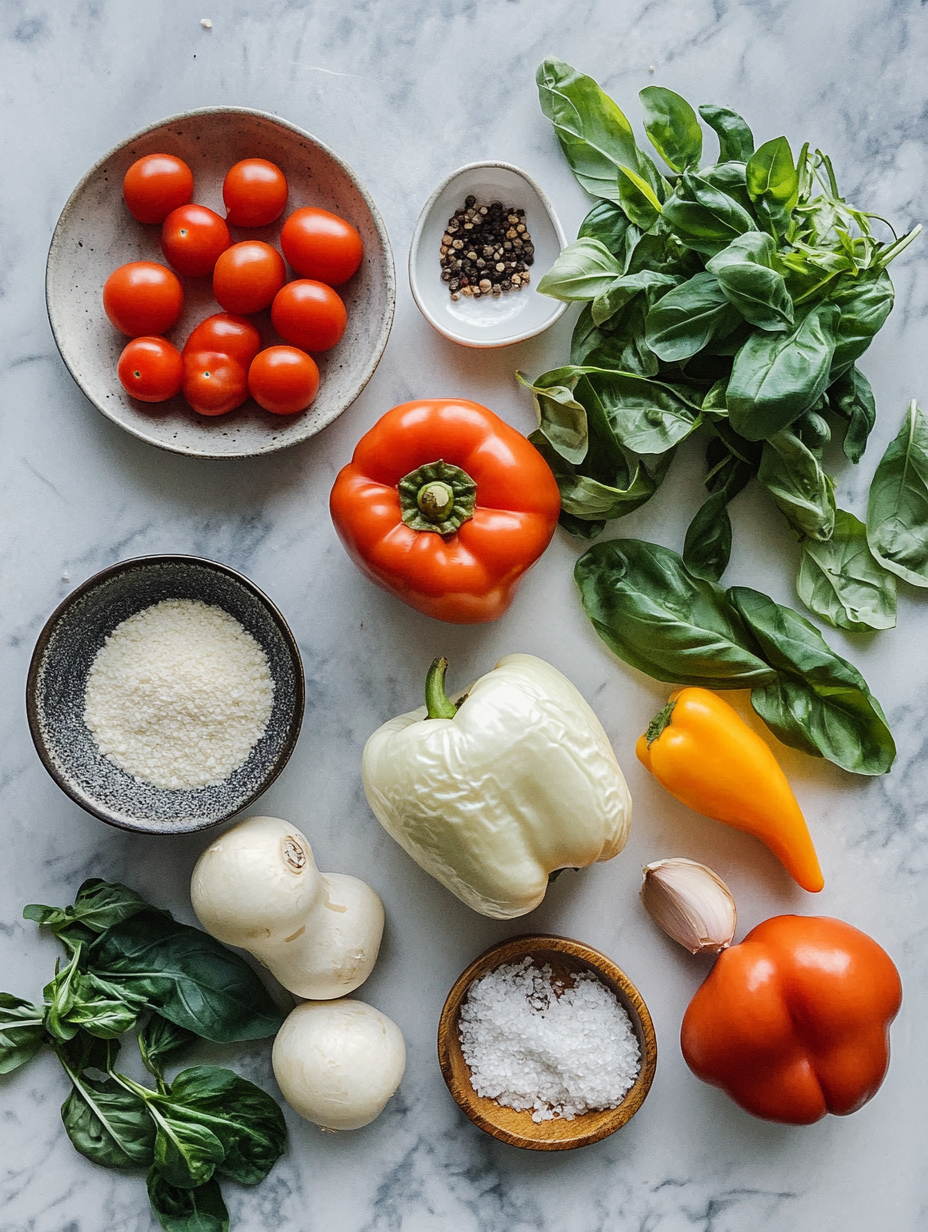
When it comes to preparing these vegan stuffed peppers, each ingredient plays a significant role in both flavor and nutrition:
– Bell Peppers: The star of the show, bell peppers are rich in vitamins A and C, providing a sweet crunch that acts as the perfect vessel for the filling. You can opt for any color—red, yellow, or green—each offering a slightly different flavor profile. If you can’t find fresh peppers, consider using zucchini or large mushrooms as alternatives.
– Quinoa: This tiny grain is packed with protein and is gluten-free, making it an excellent choice for a filling base. Quinoa is also a complete protein, meaning it contains all nine essential amino acids. If you’re looking for substitutes, consider brown rice or farro, but keep in mind that cooking times may vary.
– Black Beans: Canned black beans provide a creamy texture and are an excellent source of fiber and protein. They help keep the filling hearty and satisfying. If you prefer fresh beans, you can cook them from scratch, but ensure they are well-seasoned to add flavor to the dish.
– Corn: Sweet corn adds a pop of flavor and texture. You can use fresh, frozen, or canned corn based on availability. It enhances the dish’s sweetness and complements the savory flavors beautifully.
– Cumin and Smoked Paprika: These spices are essential for creating depth of flavor. Cumin offers a warm, earthy note, while smoked paprika imparts a subtle smokiness. If you want to experiment, try adding chili powder or even a dash of cayenne pepper for some heat.
– Fresh Cilantro: A sprinkle of fresh cilantro at the end brightens the dish and adds a layer of freshness. If you’re not a fan of cilantro, fresh parsley or green onions could be used instead.
– Vegetable Broth: Cooking quinoa in vegetable broth infuses it with flavor, creating a delicious base. You can make your own or opt for low-sodium store-bought options to control the salt content.
By understanding the role of each ingredient, you not only enrich your cooking skills but also empower yourself to make this dish your own. Feel free to mix and match, ensuring that your vegan stuffed peppers reflect your tastes and dietary needs!
Equipment Needed
To create the perfect vegan stuffed peppers, you don’t need a lot of fancy gadgets—just a few essential tools:
– Medium Saucepan: This will be your go-to for cooking the quinoa. A sturdy saucepan with a lid is perfect for simmering and steaming.
– Large Mixing Bowl: To combine your filling ingredients, a large bowl is crucial. It allows for easy mixing and ensures that every ingredient is well incorporated.
– Baking Dish: An oven-safe baking dish is necessary for roasting your stuffed peppers. Opt for a size that can hold all your peppers upright, which helps them cook evenly. If you don’t have one, a regular baking sheet lined with parchment paper can work in a pinch.
– Foil: Covering your peppers with foil during the baking process helps to steam them, ensuring they’re tender and flavorful. Make sure to use aluminum foil, as it retains heat well.
– Sharp Knife & Cutting Board: You’ll need these to slice and prepare your peppers. A good chef’s knife can make all the difference, allowing for clean cuts and easy hollowing.
These tools are affordable and can often be found in most kitchens. Investing in quality items will enhance your cooking experience, but don’t stress if you’re working with what you have. The heart of this recipe lies in the ingredients and the love you put into making it.
Step-by-Step Instructions
1. Preheat the Oven
– What: Start by preheating your oven to 375°F (190°C).
– How: Turn on your oven and set the temperature. Allow it to heat while you prepare the peppers and filling.
– What to look/smell/hear: You may not smell anything yet, but you’ll hear the oven beginning to warm up. This initial step is crucial for ensuring the peppers cook evenly.
2. Cook the Quinoa
– What: In a medium saucepan, you will cook the quinoa.
– How: Combine 1 cup of quinoa with 2 cups of vegetable broth. Bring it to a boil over medium-high heat, then reduce the heat to low, cover, and let it simmer for about 15 minutes.
– What to look/smell/hear: Look for the quinoa to absorb the broth. You’ll notice a light, nutty aroma as it cooks. When finished, it should be fluffy and slightly translucent.
3. Prepare the Filling
– What: While the quinoa is cooking, prepare the filling mixture.
– How: In a large bowl, combine the cooked quinoa, 1 can of drained black beans, 1 cup of corn, and spices: 1 teaspoon cumin, 1 teaspoon smoked paprika, 0.5 teaspoon salt, and 0.5 teaspoon black pepper. Mix everything together thoroughly.
– What to look/smell/hear: You’ll see a colorful mix of ingredients. Smell the earthy aroma of the spices, particularly the smokiness from the paprika. The sound of mixing will be comforting, indicating that everything is coming together.
4. Prepare the Bell Peppers
– What: Now, prepare your bell peppers for stuffing.
– How: Cut the tops off the 4 medium bell peppers and remove the seeds and membranes. Rinse them to remove any leftover bits.
– What to look/smell/hear: You’ll see the vibrant colors of the peppers. Fresh bell peppers have a slightly sweet smell, and you’ll notice the crisp sound of the knife as you cut through them.
5. Stuff the Peppers
– What: Time to fill your bell peppers!
– How: Spoon the quinoa mixture into each bell pepper, pressing down gently to pack it in well.
– What to look/smell/hear: Each pepper should be filled generously. You’ll hear a satisfying squish as you pack them. The mixed aroma of quinoa and spices will fill your kitchen, making it hard to resist!
6. Bake the Stuffed Peppers
– What: Now, bake the peppers for a delicious finish.
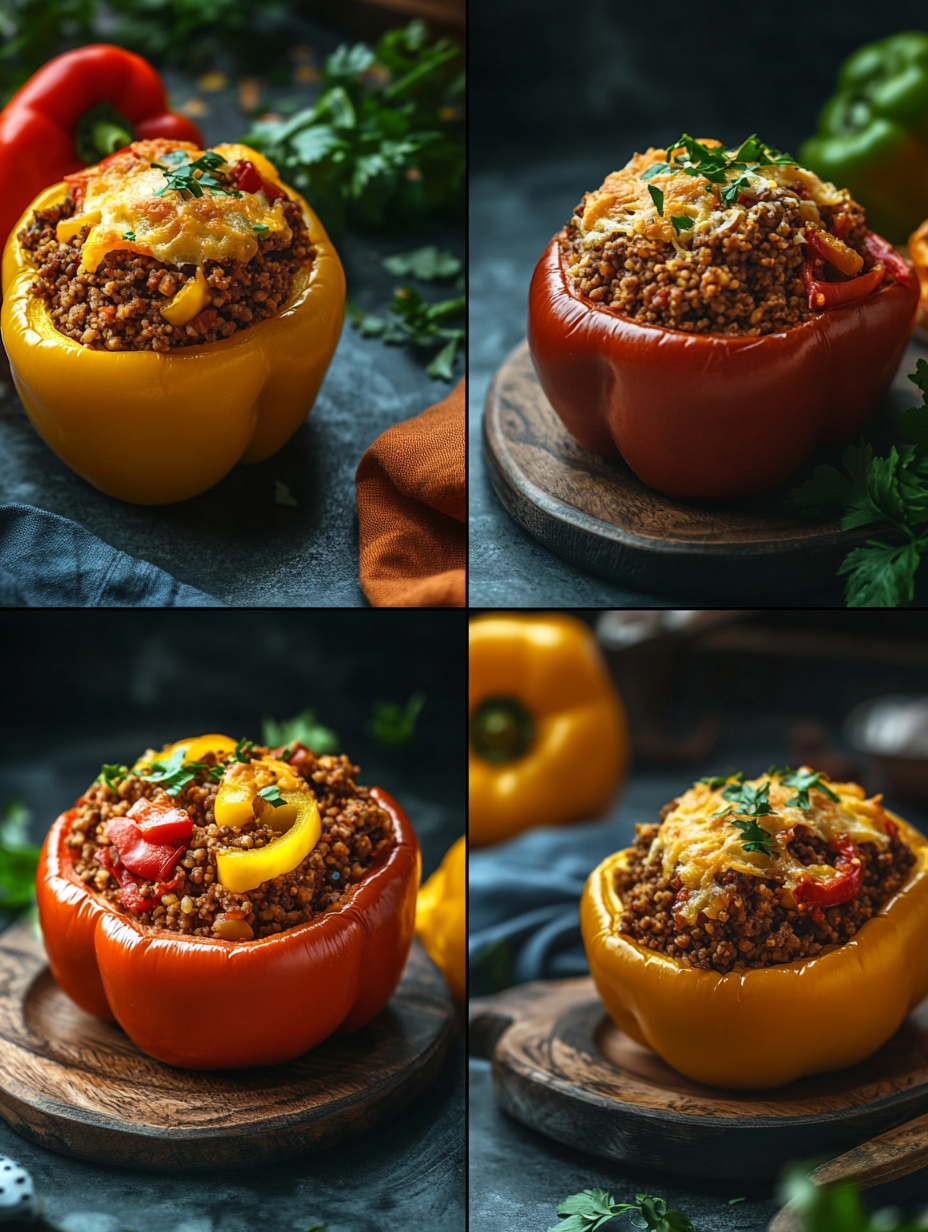
– How: Place the stuffed peppers upright in a baking dish. Cover the dish with foil to keep moisture in, and bake for 20 minutes. After that, remove the foil and bake for an additional 5 minutes to allow the tops to brown slightly.
– What to look/smell/hear: You’ll see the peppers softening and the filling bubbling slightly. The smell will be mouth-watering, with a toasty, savory aroma as they finish baking.
7. Serve and Enjoy
– What: Finally, it’s time to serve!
– How: Remove the stuffed peppers from the oven and let them cool slightly. For a fresh touch, sprinkle 0.25 cup of chopped fresh cilantro on top before serving.
– What to look/smell/hear: The peppers should be vibrant and inviting, with a fragrant aroma of spices wafting through the air. The cilantro will add a fresh, herbal note that enhances the dish beautifully.
Chef’s Note: Remember to check the doneness of the peppers; they should be tender but not mushy.
Pro Tips for the Best Results
1. Choose the Right Peppers: Select bell peppers that are firm and vibrant in color. Avoid any with blemishes or soft spots, as these can affect the taste and texture of your dish.
2. Rinse Your Quinoa: Before cooking, rinse the quinoa under cold water to remove its natural coating, called saponin, which can impart a bitter taste. This small step makes a big difference in flavor.
3. Mix It Up: Don’t be afraid to experiment with spices and herbs. You can easily swap in your favorites, such as oregano, chili powder, or even a pinch of cayenne for heat.
4. Increase Nutritional Value: Add vegetables to the filling, such as chopped spinach, diced tomatoes, or sautéed mushrooms. This not only boosts nutrition but also adds more flavor and texture.
5. Bake for Perfect Texture: Ensure that the peppers are upright in the baking dish to allow even cooking. Using a shallow dish will help the peppers stay stable and ensure they cook through properly.
6. Make Ahead: For a quicker meal, prepare the filling in advance. You can stuff the peppers a few hours before baking or even the night before. Just keep them in the fridge until you’re ready to cook!
7. Serving Suggestions: Pair these stuffed peppers with a fresh salad or a side of guacamole for a balanced meal. The creamy texture of guacamole complements the savory filling beautifully.
Common Mistakes to Avoid
1. Skipping the Rinse: Not rinsing quinoa can lead to a bitter flavor. Always rinse before cooking to enhance the taste of your dish.
2. Overstuffing the Peppers: While it’s tempting to pack the filling tightly, overstuffing can lead to uneven cooking and may cause the peppers to burst. Fill them generously but leave some space at the top.
3. Ignoring Pepper Freshness: Using old or soft peppers can lead to a soggy texture. Always choose firm, fresh peppers for the best results.
4. Not Cooking Quinoa Properly: Undercooked quinoa will lead to a crunchy filling that doesn’t blend well with the tenderness of the pepper. Follow the cooking instructions carefully for perfectly fluffy quinoa.
5. Skipping the Foil: Covering the dish with foil during the first part of baking helps steam the peppers, cooking them evenly. Skipping this step can result in tough, undercooked peppers.
6. Forgetting the Seasoning: It’s easy to overlook seasoning when preparing the filling. Always taste your mixture before stuffing the peppers, adjusting spices as needed for a well-balanced flavor.
7. Not Adding Fresh Herbs: Skipping the fresh cilantro at the end can make the dish feel flat. Fresh herbs elevate the flavor, so don’t skip this last-minute addition!
Creative Variations
1. Seasonal Stuffed Peppers: In the fall, try using roasted butternut squash and cranberries with sage instead of quinoa. This gives a sweet, earthy flavor that pairs perfectly with the sweetness of bell peppers.
2. Dietary-Friendly Options: For a gluten-free version, make sure to use certified gluten-free quinoa and replace black beans with lentils, which are just as nutritious and delicious.
3. Gourmet Elevated: Add crumbled vegan feta cheese and a drizzle of balsamic reduction on top after baking. This adds a tangy flavor that elevates the dish to a gourmet experience.
4. Quick 15-Minute Option: Use precooked quinoa and canned beans to save time. Simply mix the ingredients, stuff the peppers, and bake. This version is perfect for busy weeknights without sacrificing flavor.
5. Kid-Friendly Version: Make the filling more appealing to kids by adding shredded carrots and a mild taco seasoning mix. You can even top them with a little vegan cheese for a melty finish.
6. International Twist: Incorporate Mediterranean flavors by adding chopped olives, diced tomatoes, and oregano. Serve with a side of hummus for a complete meal that transports your taste buds!
7. Breakfast Variation: Swap out the black beans for scrambled tofu mixed with nutritional yeast and spinach for a hearty breakfast stuffed pepper. Top with avocado slices for a healthy fat boost.
By following these guidelines, you’re well on your way to mastering delicious vegan stuffed peppers that can be customized to your taste. Enjoy the journey of exploring flavors and making this dish your own!
Serving Ideas
When it comes to plating your vegan stuffed peppers, the presentation can elevate your dining experience. Here are a few ideas to make your meal as delightful to the eyes as it is to the palate:
1. Fresh Herb Garnish: Sprinkle chopped fresh cilantro or parsley over the stuffed peppers just before serving. This adds a pop of color and a burst of flavor.
2. Avocado Slices: Serve your peppers alongside slices of creamy avocado. This not only enhances the aesthetic but also adds healthy fats to your dish.
3. Side Salad: A crisp, refreshing salad pairs beautifully. Consider a simple arugula salad with lemon vinaigrette to balance the richness of the stuffed peppers.
4. Drizzle of Sauce: A homemade avocado lime dressing or a zesty tahini sauce drizzled over the peppers adds moisture and a tangy twist.
5. Grain Bed: Serve the stuffed peppers on a bed of cooked quinoa or brown rice. This adds heartiness to the meal, making it even more satisfying.
For portion sizes, each pepper can be considered a serving, allowing you to serve one to each guest while providing the option to enjoy a second if desired. You can also slice the peppers in half for smaller portions, making them ideal for sharing at gatherings.
What to Serve With
To create a well-rounded meal, think about complementing your vegan stuffed peppers with some delightful sides. Here are some tasty pairings:
1. Guacamole: The creaminess of guacamole pairs perfectly with the spiced filling of the peppers. It adds a rich texture that elevates the entire dish.
2. Cilantro Lime Rice: This refreshing rice complements the flavors of the quinoa and beans, while the citrusy notes brighten the dish.
3. Chips and Salsa: A crunchy side of tortilla chips served with fresh salsa adds a fun, casual element to your meal. The freshness of the salsa contrasts beautifully with the warmth of the peppers.
4. Grilled Vegetables: Charred veggies like zucchini, bell peppers, and corn provide a smoky flavor that pairs well with the stuffed peppers.
5. Roasted Sweet Potatoes: The sweetness of roasted sweet potatoes balances the savory flavors of the quinoa mixture, making for a satisfying combination.
6. Vegan Tacos: For a family-style meal, serve your stuffed peppers alongside a taco bar, allowing guests to customize their own vegan tacos with similar ingredients.
Each of these options complements the flavors of the stuffed peppers, providing a variety of textures and tastes for a satisfying meal.
Storage Guide
To keep your vegan stuffed peppers fresh and delicious, proper storage is essential. Here’s how to do it right:
– Container Type: Use an airtight container when storing leftover stuffed peppers to prevent them from drying out or absorbing odors from the refrigerator.
– Temperature: Store the peppers in the refrigerator at temperatures below 40°F (4°C).
– Shelf Life: Properly stored, your stuffed peppers can last for about 3-5 days in the fridge.
– Signs Gone Bad: Always check for any off-smells, discoloration, or mold. If your peppers feel slimy or the filling has changed texture, it’s best to discard them.
– Refreshing Leftovers: To refresh your peppers before serving, consider adding a splash of vegetable broth or water when reheating. This will help maintain their moisture and prevent them from drying out.
By following these guidelines, your stuffed peppers can remain a tasty option for meals throughout the week.
Freezing Tips
If you want to enjoy your vegan stuffed peppers later, freezing is a great option. Here’s what you need to know:
– Freezing Well: These peppers freeze exceptionally well, making them perfect for meal prep.
– Portioning: Consider freezing them individually or in groups of two to make reheating easier later on. Wrap each pepper tightly in plastic wrap, then place them in a freezer-safe bag or container.
– How Long: When stored in the freezer, your stuffed peppers can last for up to 2-3 months without losing flavor or texture.
– Thawing Method: To thaw, simply transfer the peppers from the freezer to the refrigerator and let them sit overnight. For a quicker method, you can use the microwave on the defrost setting, but be cautious not to cook them.
With these easy tips, you can enjoy your stuffed peppers anytime you crave a comforting, nutritious meal.
Reheating Guide
Reheating your vegan stuffed peppers is simple and can be done in various ways. Here’s how to do it:
– Microwave: Place a stuffed pepper on a microwave-safe plate and cover it with a damp paper towel. Heat on high for 1-2 minutes, checking halfway through. If the pepper isn’t heated through, continue heating in 30-second intervals until hot.
– Oven: Preheat your oven to 350°F (175°C). Place the stuffed peppers in a baking dish, cover with foil, and bake for about 15-20 minutes or until heated through. This method helps maintain the texture of the peppers.
– Stovetop: For a quick stovetop option, place the peppers in a skillet over medium heat with a splash of vegetable broth to keep them moist. Cover the skillet and heat for about 8-10 minutes, turning occasionally until hot.
Choose the reheating method that works best for you, and enjoy your delicious stuffed peppers just as they were when freshly made!
Nutrition Overview
Your vegan stuffed peppers are not only delicious but packed with nutrients. Here’s a quick nutritional breakdown:
– Calories: Each stuffed pepper has approximately 220 calories, making them a wholesome meal option.
– Macros: You’ll find around 8g of protein, 6g of fat, and 36g of carbohydrates per serving.
– Health Benefits: Key ingredients like quinoa and black beans are rich in protein and fiber, promoting satiety and digestive health. Quinoa is also a complete protein, offering all nine essential amino acids, while black beans provide a hearty dose of antioxidants and iron.
These nutrients not only support your health but contribute to a balanced diet, making your meal both satisfying and nutritious.
Frequently Asked Questions
Q: Can I use different types of beans for the stuffed peppers?
A: Absolutely! Feel free to substitute black beans with pinto beans, kidney beans, or even chickpeas, depending on your flavor preferences.
Q: Are the stuffed peppers gluten-free?
A: Yes, this recipe is naturally gluten-free, as both quinoa and the other ingredients are free from gluten. Just ensure any added spices or sauces are also certified gluten-free.
Q: Can I make these stuffed peppers ahead of time?
A: Yes, you can prepare the filling a day in advance and stuff the peppers when ready to cook. Alternatively, you can stuff and freeze them for later use.
Q: How can I make these peppers spicier?
A: If you love some heat, consider adding diced jalapeños to the filling or sprinkling some red pepper flakes or cayenne pepper in the mixture before cooking.
Q: Can I add cheese to the stuffed peppers?
A: While the recipe is vegan, you can certainly add a sprinkle of vegan cheese on top before baking for a cheesy flavor, if desired.
Q: How do I know when the peppers are done cooking?
A: The stuffed peppers are done when they’re tender and the filling is heated through, usually after about 25 minutes of baking. You can test by piercing a pepper gently with a fork.
Q: What kind of bell peppers should I use?
A: Any color of bell pepper will work well for this recipe. Red, yellow, or orange peppers tend to be sweeter, while green peppers have a more robust flavor.
Q: Can I eat the stuffed peppers cold?
A: Yes, these stuffed peppers can be enjoyed cold, making them a great option for meal prep or lunch-box meals. Just be sure to store them properly to maintain freshness.
Final Thoughts
Creating vegan stuffed peppers is not only a fun culinary adventure but also a rewarding one as you savor each bite of this nutritious dish. Remember, the key to the best stuffed peppers is fresh ingredients and a good balance of flavors. For an extra boost of flavor, consider adding your favorite spices or herbs to the filling.
Don’t hesitate to experiment with different fillings, toppings, and sides to make this dish your own. With its vibrant colors and hearty filling, it’s sure to impress both vegans and non-vegans alike. So, gather your ingredients, roll up your sleeves, and get ready to enjoy a delightful meal that’s as healthy as it is delicious!